The Universal Appeal of Embarrassing Childhood Lore: Why Parents Share Their Early Missteps with the Next Generation


Passing down personal anecdotes has long been recognized as a cornerstone of family bonding, serving as both a bridge between generations and an effective tool for childhood development. Recently, a specific family narrative shared by a parent on a backyard trampoline in late September has highlighted a broader cultural phenomenon: the deliberate sharing of humorous, embarrassing childhood memories by parents to their children. This practice, while seemingly lighthearted, offers significant psychological benefits, fostering empathy, emotional resilience, and open communication within modern households.
The Anatomy of a Family Anecdote: A Case Study in Early Misjudgment
The narrative that sparked this recent domestic discussion involves a common childhood dilemma: the friction between urgent biological needs and high-stakes recreational activities. According to the account shared by writer and mother Jannelley, the event took place during a family barbecue when she was approximately four years of age. While swimming in her grandparents’ pool alongside several cousins, the recurring interruption of restroom breaks proved counterproductive to her engagement in aquatic activities, such as diving board sessions and imaginative games.
The chronology of the incident highlights a classic example of youthful logic applied without adult foresight. Following multiple interruptions to her swimming routine, the child arrived at a definitive resolution during her fifth restroom visit. Rather than navigating the cumbersome process of pulling a cold, wet synthetic garment back over her skin, she removed the sequined one-piece swimsuit entirely and deposited it directly into the toilet bowl before exiting the restroom.
Operating under the assumption that immediate re-entry into the swimming pool would render her attire irrelevant, the child walked out unclad. The endeavor was immediately intercepted by an older cousin, who questioned the absence of clothing, prompting a swift intervention by the child’s mother and an abrupt termination of swimming privileges for the remainder of the day. Despite the social reprimand and the practical inconvenience, the young participant retained a distinct sense of accomplishment, viewing the act as a successful, independent solution to a frustrating physical obstacle.
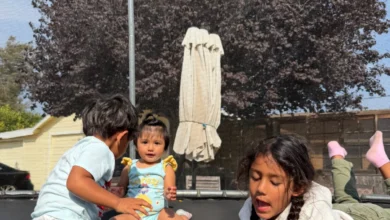
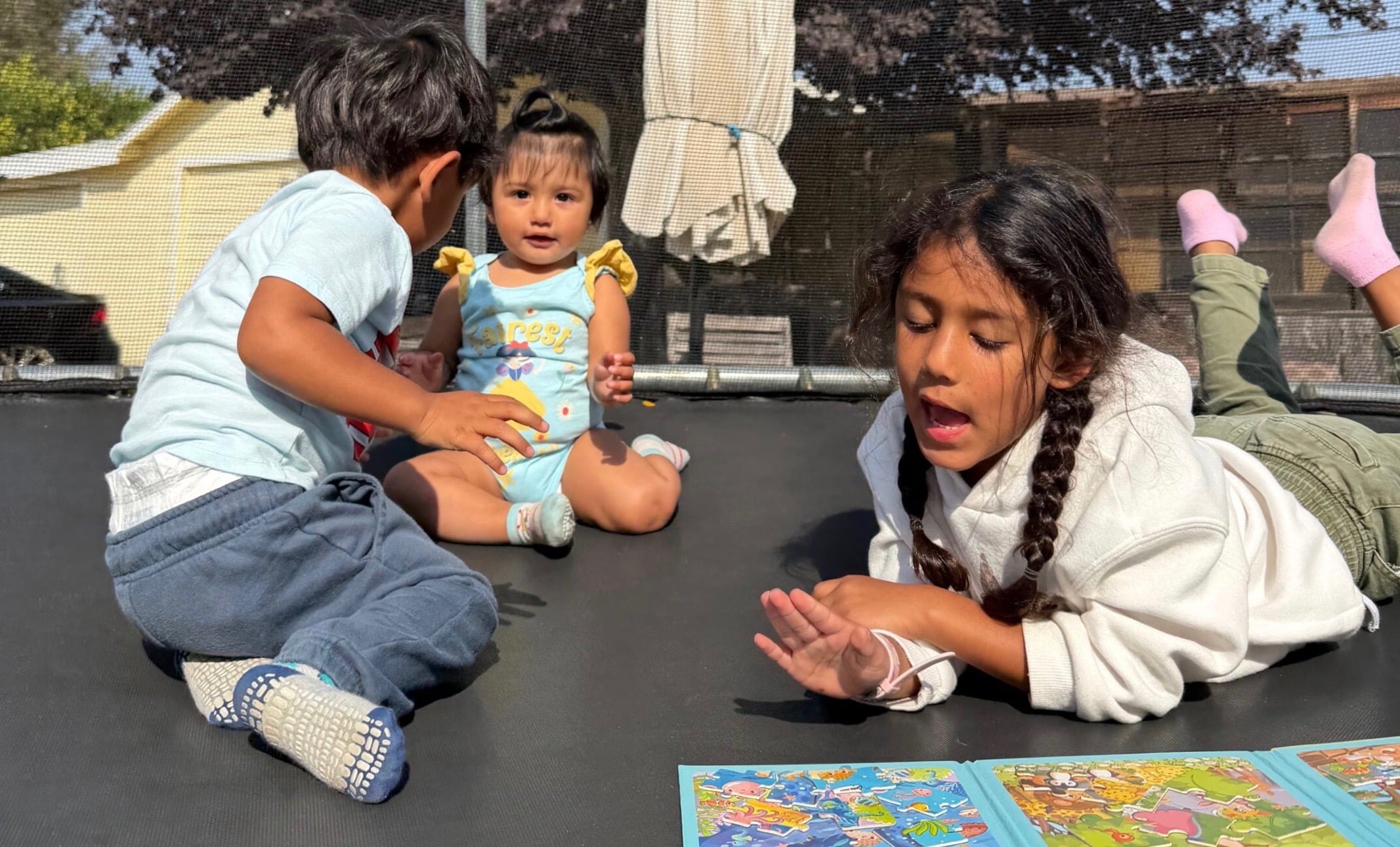
Decades later, this anecdote was recounted to the narrator’s five-year-old daughter, Ella, while the family played on a backyard trampoline. The reception was immediate and enthusiastic, transforming the historical misstep into a nightly bedtime request and illustrating the enduring appeal of parent-generated folklore.
The Psychological Mechanics of Shared Embarrassment
Child development experts and family therapists note that sharing vulnerable personal histories with children serves a critical developmental function. Historically, parenting styles often emphasized authority, perfection, and infallible moral guidance. Contemporary parenting paradigms, however, increasingly embrace transparency and vulnerability.
When parents recount their own youthful errors, misadventures, and social miscalculations, several psychological shifts occur within the family dynamic:
- Demystification of Perfection: Children frequently perceive adults as inherently competent beings who never experienced confusion or fear. Hearing about a parent’s past mistakes normalizes imperfection.
- Reduction of Shame: Embarrassment is a powerful deterrent to open communication. By laughing at their own historical blunders, parents model how to process humiliation with humor and resilience.
- Enhanced Empathy: Understanding that parents were once impulsive, emotional children helps bridge the generational divide, fostering a deeper sense of mutual respect and compassion.
According to family psychology data, households that encourage narrative sharing and open dialogue regarding past mistakes often report lower levels of anxiety among school-aged children. When youngsters realize that a poorly executed plan—such as abandoning a swimsuit in a public restroom—does not result in permanent social ostracization, their baseline resilience improves.
The Broader Impact on Family Culture and Oral Tradition
The transmission of family lore functions as a form of oral history, anchoring children within a broader familial lineage. Anthropologists and sociologists emphasize that family stories act as cultural anchors, providing children with a sense of identity and continuity.
Data compiled by family communication researchers indicates that children who possess a robust knowledge of their family’s history—including both triumphs and humorous failures—exhibit higher levels of self-esteem and an increased capacity to cope with stress. These narratives function as a psychological safety net, reminding the younger generation that missteps are a universal component of the human experience.
Furthermore, the repetition of specific stories creates internal family traditions. Much like the nightly retellings of the poolside incident observed in late September, these recurring motifs build a shared language and internal culture unique to the household. They establish inside jokes that endure for decades, reinforcing familial bonds long after the children have reached adulthood.
Implications for Modern Parenting Strategies
As digital media and curated public personas increasingly dominate contemporary social life, the value of authentic, unpolished family storytelling becomes even more pronounced. Experts suggest that intentional vulnerability acts as an antidote to the pressure of perfectionism fostered by modern digital environments.
Parents are increasingly encouraged to curate an archive of their own formative misadventures—ranging from ill-advised haircuts to wardrobe mishaps—to deploy during moments of disciplinary friction or bedtime reflection. By reframing past embarrassment as current comedy, families establish a culture of psychological safety where honesty is prized above conformity.
Ultimately, the enduring popularity of childhood misadventure stories underscores a fundamental truth of human development: growth is messy, non-linear, and best navigated with a sense of humor. Whether discarding a garment into a plumbing fixture at age four or navigating the complex social hierarchies of the backyard pool, these vignettes form the bedrock of enduring family connections, proving that yesterday’s mortification often becomes tomorrow’s favorite memory.