Precious Little Sleep Author Announces Second Edition Release and Limited Free Upgrade Program for Current Owners

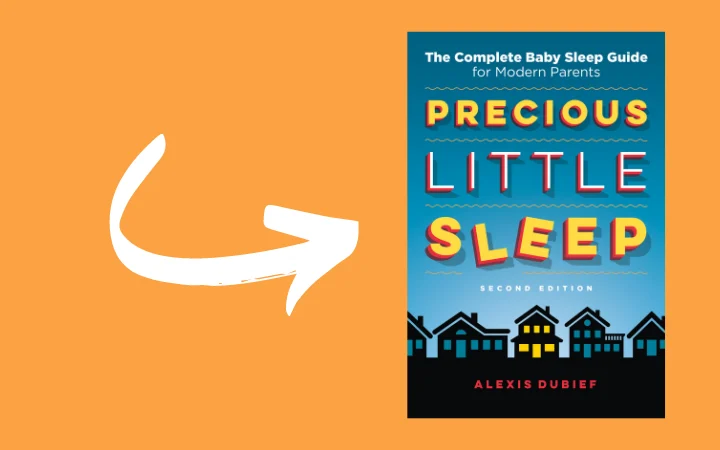
The landscape of modern parenting literature is set to undergo a significant update with the official announcement of the second edition of Precious Little Sleep, a widely recognized guide designed to help families navigate the complex challenges of infant and toddler sleep training. Following a three-year period since the publication of the original volume, the upcoming release aims to address evolving pediatric sleep guidelines, incorporate reader feedback, and provide updated, evidence-based strategies for sleep-deprived caregivers. To ensure that economic barriers do not prevent families from accessing the most current guidance, the author has initiated a limited-time distribution program offering free digital upgrades to verified owners of the first edition.
Main Facts of the Publication and Upgrade Initiative
The upcoming release of the second edition represents a comprehensive revision of the original bestselling text. Over the past three years, the landscape of early childhood development research, parenting methodologies, and digital publishing has shifted. The new edition seeks to integrate these contemporary insights into a cohesive, accessible framework for parents struggling with nocturnal routines.
Simultaneously, the author has launched a strategic distribution initiative aimed at current readership. Recognizing the financial strains currently experienced by many households—exacerbated by broader economic pressures—the initiative provides 100 complimentary digital copies of the second edition to verified purchasers of the first edition. This measure is designed to ensure that loyal readers and families facing tight budgets are not left behind as methodologies and recommendations are updated.
Chronology and Key Deadlines
The transition from the original text to the second edition follows a structured timeline leading up to the official commercial rollout.
The announcement of the second edition marks the culmination of a three-year review period following the initial publication. During this timeframe, the author gathered feedback from clinicians, sleep consultants, and thousands of parents who implemented the book’s strategies.
The application window for the limited free upgrade program is currently open and is scheduled to close permanently on October 1, 2020. This strict deadline aligns with commercial distribution agreements and publishing platforms that regulate promotional book distribution.
Following the closure of the submission window, participants verified through the application process will receive instructional emails containing details on how to access their complimentary second edition ebooks by October 15, 2020. After this date, the second edition will transition to standard commercial availability across major retail platforms, concluding the promotional upgrade phase.
Verification and Distribution Mechanics
To maintain the integrity of the complimentary upgrade program while accommodating verified owners of the first edition, a streamlined verification procedure has been established. Interested readers must complete a designated digital intake form before the October 1st deadline.
The verification requirements are intentionally flexible to accommodate various reading formats, recognizing that modern consumers utilize a mix of physical books, electronic e-readers, and audiobooks. Acceptable forms of verification include:
- A photograph of the physical softcover or hardcover book.
- A digital screenshot displaying ownership of the title on an e-reader device or application.
- A screenshot of the audiobook title within a listening platform library or a formal purchase receipt.
This multi-format accommodation ensures that owners of any version of the original work—whether digital, print, or audio—retain an equal opportunity to qualify for the digital upgrade.
Background Context: The Evolution of Infant Sleep Literature
To understand the significance of a revised edition in the genre of parenting and infant sleep guides, it is helpful to examine the broader publishing category. Sleep training guides occupy a unique space in non-fiction publishing. Unlike general literature, parenting manuals are subject to continuous scrutiny from pediatricians, child psychologists, and developmental researchers.
Over the last decade, public health organizations and pediatric associations have refined their safe sleep environments guidelines, addressing topics such as room-sharing, sleep sacks, nocturnal waking patterns, and self-soothing techniques. Furthermore, parental demographics have shifted toward digital consumption, demanding more interactive, easily searchable, and frequently updated content.
When a successful title like Precious Little Sleep reaches its second edition, it typically reflects a maturation of the author’s methodology, incorporating longitudinal data on what strategies have proven most sustainable for families over extended periods. The three-year gap between editions represents a standard industry benchmark for major revisions, allowing sufficient time for qualitative data collection and editorial refinement without rendering the core principles obsolete.
Supporting Data and Market Dynamics
The demand for authoritative infant sleep literature remains high within the broader parenting and family wellness market. Industry reports consistently demonstrate that sleep-related challenges are among the primary stressors reported by new parents during the first three years of a child’s life.
- Sleep Deprivation Metrics: Public health studies frequently cite that new parents lose an average of six weeks of sleep per year during a child’s infancy, leading to heightened risks of postpartum mood disorders, occupational fatigue, and marital stress.
- Digital Adoption: The market share for e-books and digital audiobooks in the parenting category has expanded significantly, allowing authors to deploy updates and revisions more rapidly than traditional print-only publishing models permitted in previous decades.
- Economic Accessibility: Recent economic fluctuations have heightened price sensitivity among consumers of family wellness products. Publishing initiatives that offer digital upgrades or subsidized access address a critical market need, ensuring that health and educational resources remain equitable across different socioeconomic strata.
Official Responses and Authorial Intent
While formal corporate press releases are typical for large publishing houses, independent and specialized parenting authors often utilize direct communication channels, such as official websites and newsletters, to interact with their readership.
In public statements accompanying the launch, the author emphasized a commitment to quality and accessibility. Addressing potential skepticism regarding the rapid deployment of a free upgrade program, the author utilized characteristic humor—noting that the decision was made entirely in a sober and professional state of mind—to underscore the seriousness of the initiative.
The core philosophy driving the free upgrade program centers on equitable access to accurate child-rearing information. The author articulated that financial constraints should never act as a barrier preventing a family from accessing the most safe, current, and effective methodologies available. By absorbing the distribution costs for the initial wave of digital upgrades, the publisher aims to foster trust and long-term goodwill within the parenting community.
Broader Impact and Market Implications
The release of the second edition of Precious Little Sleep, coupled with its consumer-centric upgrade policy, carries several broader implications for the parenting literature industry.
First, it establishes a benchmark for customer loyalty and lifecycle product management. In an era where digital books are frequently treated as static commodities, offering a free or subsidized path to a revised edition enhances brand loyalty and encourages ethical purchasing habits, deterring informal file-sharing while rewarding legitimate consumers.
Second, the update reflects ongoing advancements in child developmental psychology. As societal expectations regarding work-life balance, parental mental health, and gentle parenting philosophies evolve, self-help manuals must adapt to remain relevant. The integration of updated strategies ensures that caregivers are equipped with modern tools that align with contemporary pediatric standards.
Finally, the initiative highlights the growing importance of direct-to-consumer digital infrastructure in niche publishing. By utilizing digital verification forms and targeted email distribution, independent authors can bypass traditional retail bottlenecks to reward their most dedicated readers directly. As the October 1st deadline approaches, the response to the upgrade program will likely serve as a case study in effective community engagement and product lifecycle management within the wellness and parenting publishing sector.
Related posts: