The core of Unnever’s methodology lies in the "Whole Child" approach, a philosophy that posits learning is most effective when it engages the brain, body, senses, emotions, thoughts, and actions simultaneously. This shift away from traditional, sedentary instruction comes at a time when educational researchers are increasingly sounding the alarm regarding the limitations of "sit-and-listen" models for children in the pre-K to early elementary demographic. Unnever’s work provides a structured, 70-activity framework designed to optimize the physiological conditions necessary for neuroplasticity and information retention.
The Science of Movement and Cognitive Retention
At the heart of the Breathe–Move–Learn framework is the physiological reality that the human brain requires consistent oxygenation and blood flow to maintain high levels of executive function. Academic studies in early childhood development have long suggested that prolonged periods of inactivity—specifically sitting for more than five to ten minutes—can lead to a decline in concentration and an increase in cortisol, the body’s primary stress hormone. When children are required to remain stationary for extended periods, the resulting boredom and physical restlessness often manifest as disruptive behavior, which further hinders the learning environment.
Unnever’s approach counters this by integrating "brain breaks" and kinesthetic exercises directly into the curriculum. By utilizing movement, educators can stimulate the vestibular and proprioceptive systems, which are essential for developing focus and spatial awareness. The methodology is not merely about "burning off energy" but rather about using movement as a cognitive anchor. When a child physically embodies a concept—such as the shape of a letter or the rhythm of a sentence—the neural pathways associated with that information are strengthened through multisensory reinforcement.
Chronology of Recognition and Publication
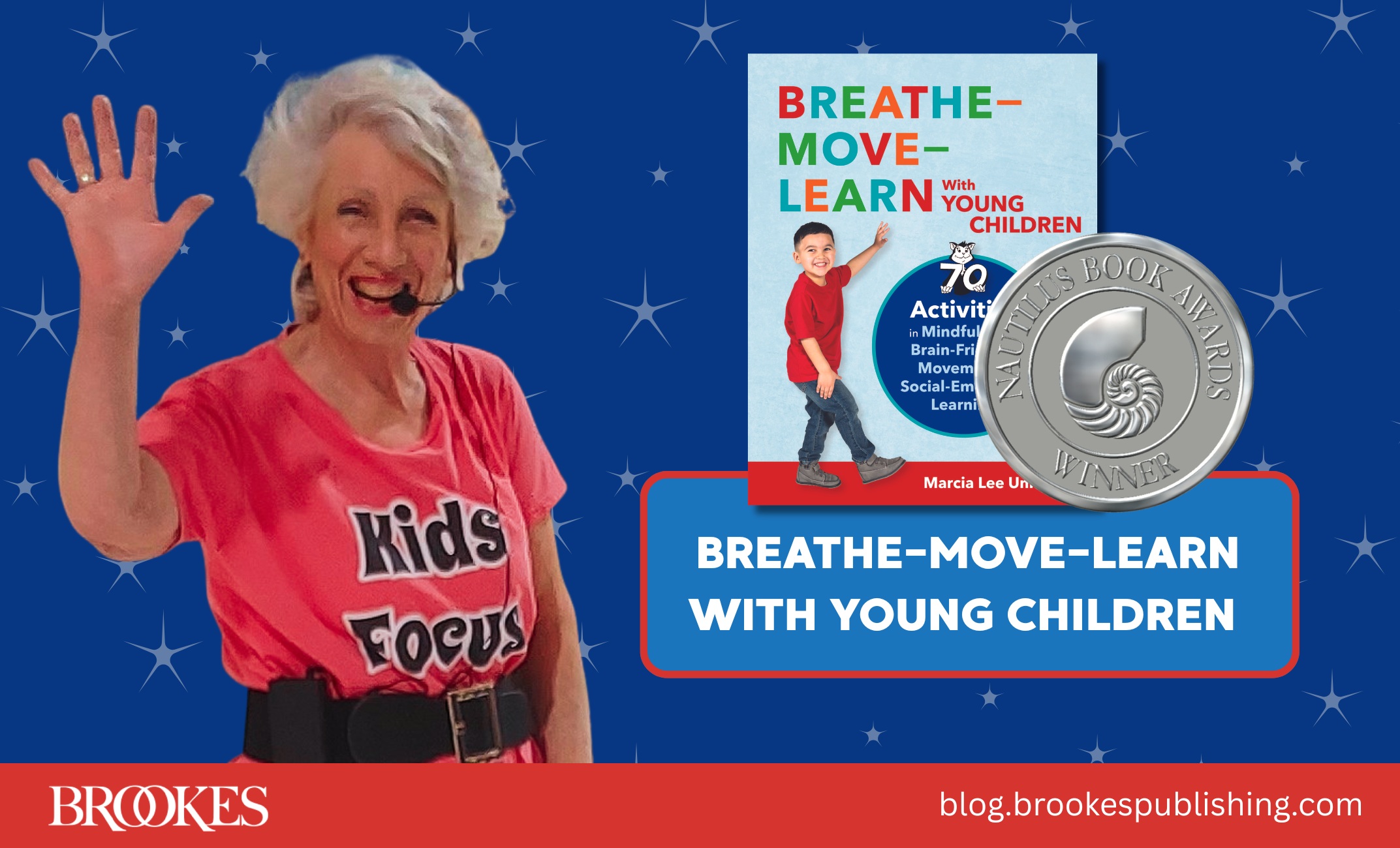
The trajectory of Breathe–Move–Learn with Young Children reflects a growing demand for integrated Social-Emotional Learning (SEL) tools. The book was released by Brookes Publishing, a leader in early childhood and special education resources, with the intent of providing teachers with a practical, bilingual-friendly guide to classroom management and instruction.
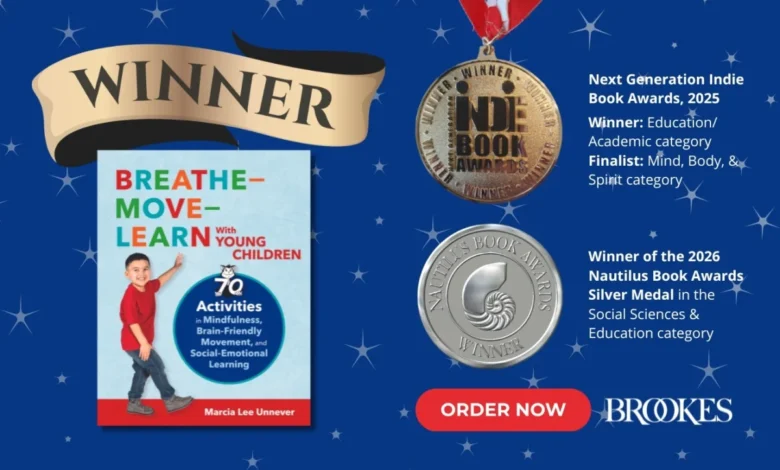
In 2025, the book achieved significant critical acclaim at the Next Generation Indie Awards, one of the largest international award programs for independent publishers. It secured the Gold Medal in the Education/Academic category, highlighting its rigor and utility in professional settings. Simultaneously, it earned a Silver Medal in the Mind, Body, & Spirit category, underscoring its dual role as a wellness resource. The 2026 Nautilus Book Awards Silver Medal further solidifies the book’s status. The Nautilus Awards are specifically designed to recognize "Better Books for a Better World," focusing on titles that promote social justice, wellness, and spiritual growth. The inclusion of Unnever’s work in the Social Sciences & Education category suggests that her "Whole Child" approach is being viewed as a vital contribution to modern social science and educational reform.
Deconstructing the Methodology: A Four-Step Pedagogical Model
To illustrate the practical application of her research, Unnever utilizes a four-step process designed to transition children from a state of potential distraction to one of high-engagement learning. This model is particularly effective for foundational literacy tasks, such as learning the alphabet.
Step 1: Physiological Priming (Get Focused)
The process begins with "Balloon Belly Breathing" (Respiración del vientre con globo). This exercise is grounded in diaphragmatic breathing techniques that trigger the parasympathetic nervous system. By instructing children to place their hands on their bellies and feel them expand like balloons, educators help students regulate their heart rates and oxygenate their blood. This creates a "calm-alert" state, which is the optimal neurological window for absorbing new information.
Step 2: Neurological Activation (Switch On)
Following breathwork, the methodology employs cross-lateral exercises such as "Cross Lifts" (Los elevadores cruzados). These movements require the child to cross the midline of their body—for example, touching the right hand to the left knee. Neurologically, this forces the left and right hemispheres of the brain to communicate across the corpus callosum. This "switching on" of the brain is essential for tasks that require both creative and analytical thinking, such as phonemic awareness and letter recognition.
Step 3: Multisensory Engagement (Express Yourself)
Once the brain is primed and activated, the academic content is introduced. Rather than repetitive writing, Unnever suggests an SEL-integrated approach. In the "Three Good Things" (Tres Cosas Buenas) activity, children identify objects or concepts starting with specific letters (A, B, and C) that evoke positive emotions. This adds an emotional layer to the cognitive task, making the memory more "sticky." The inclusion of a "Good Things Dance" allows children to use their gross motor skills to form the shapes of the letters, providing a kinesthetic map of the alphabet.
Step 4: Positive Reinforcement and Closure (Celebrate Learning)
The final step, "SHINE" (BRILLA), focuses on the "celebration" of the learning milestone. By having children lift their arms and sway, the educator reinforces the joy of achievement. This positive feedback loop is essential for building a child’s self-efficacy and a long-term love of learning.
Institutional and Official Responses
While specific statements from individual school boards are often localized, the broader educational community has responded to the Breathe–Move–Learn approach with significant interest. Representatives from Brookes Publishing have noted that the integration of Spanish-language terms throughout the book makes it a versatile tool for English Language Learners (ELL) and dual-language immersion classrooms.
Pedagogical experts suggest that the book’s success is linked to its scalability. Unlike many educational reforms that require expensive technology or major structural changes, the "Whole Child" activities can be implemented in any classroom with zero additional equipment. This makes it a highly democratic tool, accessible to under-resourced schools where students may face higher levels of stress and need more robust SEL support.
Broader Implications for Modern Education
The rise of Marcia Lee Unnever’s methodology comes at a critical juncture in global education. In the wake of the COVID-19 pandemic, educators have reported a marked increase in behavioral challenges and a decrease in the average attention span of young learners. The transition to digital learning environments during the pandemic led to a more sedentary lifestyle for many children, the effects of which are still being managed in physical classrooms today.
The "Breathe–Move–Learn" approach serves as a corrective measure, reintroducing the necessity of physical presence and movement into the learning process. Furthermore, the emphasis on SEL topics within the curriculum addresses the "hidden curriculum" of emotional regulation and social skills, which are now considered just as important as academic milestones like literacy and numeracy.
From a policy perspective, the success of this book may influence future curriculum standards. As more data emerges regarding the link between physical activity and academic performance—including higher standardized test scores and better classroom conduct—state and national education departments may begin to mandate "active learning" components in early childhood certification programs.
Analysis of the Impact on Special Education
An often-overlooked aspect of Unnever’s work is its profound utility in the field of special education. For children with Attention Deficit Hyperactivity Disorder (ADHD), Autism Spectrum Disorder (ASD), or sensory processing sensitivities, the traditional classroom environment can be overwhelming or insufficiently stimulating. The "Breathe–Move–Learn" activities provide these students with the sensory input they need to regulate their nervous systems without being singled out or removed from the general education setting. By making these activities a standard part of the classroom routine for all students, Unnever promotes an inclusive environment where "different" ways of learning are normalized.
Conclusion: The Future of Holistic Instruction
As Marcia Lee Unnever continues to share her expertise through her award-winning book and educational blog, the impact of the "Whole Child" approach is expected to expand. With 70 distinct activities ranging from focus-building to complex motor coordination, Breathe–Move–Learn with Young Children provides a comprehensive roadmap for the future of early education.
The recognition by the Nautilus Book Awards and the Next Generation Indie Awards signals a shift in the cultural zeitgeist toward a more humane, scientifically grounded, and joyful approach to schooling. For educators, the message is clear: to help a child’s mind grow, one must also allow the child to move, breathe, and shine. This "wholistic" evolution in teaching may well be the key to fostering a generation of learners who are not only academically proficient but also physically and emotionally resilient.