Why Sportsmanship Matters in Youth Athletics: A Comprehensive Guide to Building Character and Resilience

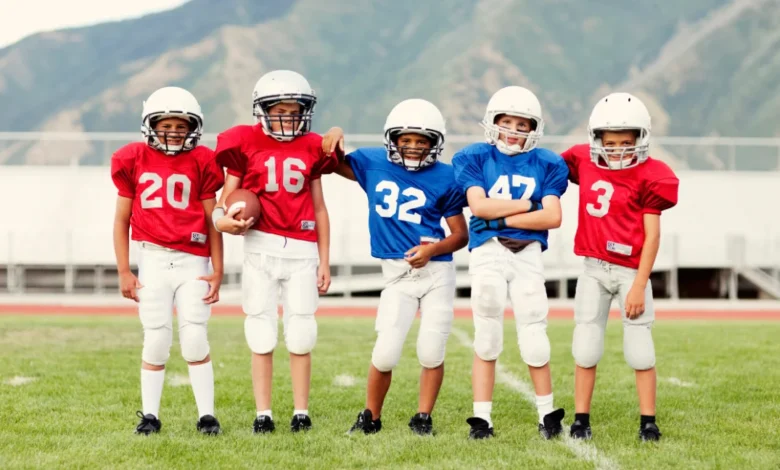
The modern landscape of youth sports has undergone a profound transformation over the past three decades. Driven by the hyper-commercialization of youth athletics, specialized club teams, and the pursuit of collegiate athletic scholarships, the focus of youth sports has frequently shifted away from holistic child development and toward immediate competitive outcomes. Industry data from youth sports advocacy groups indicates that millions of children participate in organized sports annually, yet participation rates routinely peak around age eleven before experiencing a sharp decline during early adolescence. Sports psychologists and child development experts point to an overemphasis on winning, scoreboard obsession, and intense parental pressure as primary catalysts for this attrition. In response to these trends, sports educators, parenting researchers, and athletic organizations are increasingly emphasizing sportsmanship not merely as a polite post-game ritual, but as a critical framework for emotional regulation, accountability, and lifelong resilience.
Understanding the shift from outcomes-based validation to process-oriented growth requires examining the psychological development of children and adolescents. Research in developmental psychology demonstrates that children who internalize a growth mindset—focusing on effort, adaptability, and continuous learning—are significantly better equipped to handle academic, social, and athletic setbacks. When parents and coaches measure success strictly by goals scored, tournament titles, or trophies acquired, young athletes frequently internalize the belief that their personal worth is contingent upon athletic performance. This dynamic can foster chronic performance anxiety, perfectionism, and a subsequent aversion to challenges. Conversely, prioritizing character development establishes an internal locus of control, allowing young competitors to evaluate their performance based on variables they can directly influence: attitude, preparation, teamwork, and resilience.
Translating this philosophy into daily family routines requires intentional, structured strategies that begin long before a child steps onto a playing field. Sportsmanship is not an innate trait; it is a learned behavioral pattern cultivated through consistent modeling and positive reinforcement within the household. Developmental specialists recommend ten foundational strategies for positive sports parenting, designed to bridge the gap between competitive pressure and healthy emotional maturity.
Shifting the Focus from Winning to Growing
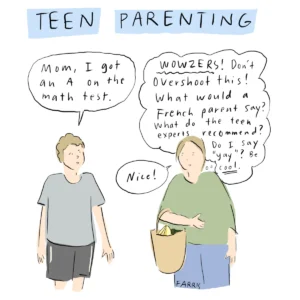
The foundational pillar of modern positive sports parenting involves redefining athletic success. While celebrating victories and athletic milestones is a natural part of supporting a child, chronicling only the final score sends an unintended message about what adults value most. Parents are encouraged to offer specific, descriptive praise that targets effort and perseverance rather than outcomes. Phrases such as, “I noticed how hard you worked on your defense today,” or “You kept your composure when things weren’t going your way,” validate internal motivations rather than external validation. Over time, this targeted feedback reinforces the neurological pathways associated with intrinsic motivation, ensuring that the young athlete remains engaged in the sport for personal fulfillment rather than external rewards.
Making Teamwork a Family Value
Team cohesion and mutual respect must be mirrored within the family unit. Children absorb behavioral norms by observing how adults interact with peers, officials, and opposing fans. Parents can model gratitude by expressing appreciation for volunteer coaches, referees, and league administrators who dedicate their time to youth programs. Furthermore, encouraging a child to celebrate a teammate’s success, assist during practice drills, and recognize the contributions of others fosters a community-oriented mindset. When a child understands that the collective success of the group supersedes individual statistics, they develop interpersonal competencies that translate directly into future academic, professional, and social environments.
Practicing Sportsmanship Through Everyday Play
Character development is an ongoing process that extends far beyond organized athletic leagues. Family board games, recreational yard games, and even collaborative video games serve as accessible micro-environments for practicing emotional regulation. These low-stakes scenarios provide safe spaces for children to experience the disappointment of losing and the humility of winning. Parents can utilize these moments to guide children through verbalizing their frustrations constructively, teaching them how to process negative emotions without resorting to blame, anger, or withdrawal. Mastering emotional regulation in a living room board game lays the psychological groundwork for handling high-pressure athletic competition.
Teaching Self-Advocacy and Constructive Communication
A common pitfall in contemporary youth sports parenting is hyper-involvement, often referred to as helicopter parenting. When a child experiences a reduction in playing time, a positional change, or a disagreement with a coach, the immediate parental impulse is frequently to intervene directly with team leadership. Child development experts caution that stepping in to resolve these conflicts deprives the young athlete of critical self-advocacy training. Instead, parents should use these instances as teachable moments, guiding the child to draft talking points, role-play the upcoming conversation, and approach the coach respectfully on their own. This gradual transfer of responsibility builds self-efficacy and equips children with professional communication skills applicable throughout their lives.
Eliminating the Blame Game and Fostering Accountability
Accountability is a cornerstone of athletic and personal maturity. In the heat of competition, children frequently externalize failure by blaming referees, weather conditions, equipment, or teammates for unfavorable outcomes. Effective sports parenting requires gently interrupting this pattern and redirecting the child’s focus toward elements within their control. By asking reflective questions such as, “What is one thing you feel you could have done differently in that situation?” parents encourage internal evaluation. This shift from victimization to agency is essential for cultivating a resilient athlete mindset capable of objective self-assessment.

Acting as an Emotional Anchor Post-Game
The immediate aftermath of a competitive event is a delicate window for parent-child dynamics. Sports psychologists advise against conducting performance critiques during the car ride home, a period often dubbed the “car ride home from hell” by young athletes. Instead, parents should serve as a steady, unconditional emotional anchor. Maintaining a calm, supportive demeanor regardless of the final score communicates that parental love and acceptance are not performance-based. If a child initiates a conversation about mistakes or frustrations, parents should practice active listening with empathy, allowing the child to process their emotions organically before offering guidance.
Establishing Boundaries on Sideline Coaching
Sideline behavior remains a persistent challenge for youth sports organizations nationwide, prompting many leagues to implement mandatory codes of conduct for spectators. Yelling technical instructions from the sidelines often overwhelms young athletes, who must process coaching directives from the sideline simultaneously with instructions from the field. Furthermore, vocal criticism of referees undermines authority figures and models disrespectful behavior. Positive sports parenting dictates that coaching responsibilities should remain strictly with the coaching staff, while parental roles should be limited to enthusiastic, generalized encouragement for all participants.
Demonstrating Emotional Regulation in Action
Adults are rarely perfect, and parents occasionally lose their composure during emotionally charged athletic events. When a parent reacts poorly to a referee’s call or a disappointing play, the situation presents a powerful opportunity for authentic modeling. Acknowledging the mistake transparently—such as saying, “I let my frustration get the better of me today, and I didn’t handle that call well”—demonstrates emotional maturity and accountability. Children learn far more from how adults recover from mistakes than from perfection itself.
Leveraging Media for Teachable Moments
Televised sporting events, documentaries, and sports-themed films offer accessible platforms for discussing sportsmanship in a low-pressure environment. By pausing the action and asking open-ended questions about sportsmanship, sports psychology, or teamwork, parents can prompt children to analyze complex interpersonal dynamics. Inquiries such as, “How do you think that athlete felt after missing that shot?” or “What did you notice about how the team captain handled that adversity?” encourage perspective-taking and empathy without feeling like a formal lecture.
Prioritizing Enjoyment to Prevent Athletic Burnout
The ultimate indicator of a healthy youth sports experience is enthusiasm. When children begin to display reluctance toward attending practices, persistent anxiety before games, or a general loss of enthusiasm, it serves as an indicator that competitive pressure may be outweighing enjoyment. Sports medicine and youth development specialists consistently emphasize that sustainable athletic participation is rooted in fun. Reassessing commitments, adjusting competitive levels, or incorporating unstructured play can restore joy and prevent the premature athletic burnout that drives millions of youths out of sports annually.
Recognizing the Value of Pivoting and Knowing When to Step Back
A frequently misunderstood aspect of resilience is the belief that children must never quit an activity once started. Child development professionals clarify that resilience is not synonymous with endurance under toxic or joyless conditions; rather, it involves recognizing when a particular pursuit no longer aligns with a child’s well-being or developmental goals. If a child expresses sustained distress, anxiety, or a desire to explore alternative interests, supportive parents must take these concerns seriously. Hitting pause, evaluating goals collaboratively, and supporting a pivot to a new activity teaches self-awareness and honors the child’s evolving identity.
Broader Implications for Long-Term Development
The longitudinal impact of positive youth sports parenting extends far beyond athletic arenas. The cognitive, emotional, and social competencies cultivated through respectful sports participation—such as emotional regulation, teamwork, accountability, empathy, and constructive communication—form the architecture of healthy adult functioning. While scoreboards are discarded and trophies gather dust, the psychological framework developed through supportive athletic environments endures. Ultimately, the true measure of youth sports success is not found in the final score of a single game, but in the character, resilience, and integrity a child carries into the world long after the final whistle has blown.
Related posts: