The Nuances of Readiness: Age, Responsibility, and Communication
The popular misconception that a specific age automatically confers readiness for a body piercing overlooks the complex interplay of psychological development and personal accountability. Adolescence is a period of significant change, marked by varying levels of impulse control, decision-making capabilities, and a nascent understanding of long-term consequences. A teenager’s "demonstrated maturity" in the context of body piercing encompasses several key attributes: the capacity to consistently follow detailed aftercare instructions, an ability to recognize and report potential complications, and a deep-seated commitment to maintaining the piercing’s cleanliness and health over an extended healing period, which can range from several weeks to over a year depending on the piercing type.
Parental involvement and open communication are indispensable components of this readiness assessment. Many jurisdictions worldwide, including numerous U.S. states and European countries, mandate parental consent for minors seeking piercings, with some prohibiting certain types of piercings for individuals under 18 or even 16 entirely. These legal frameworks acknowledge the developmental stage of minors and aim to ensure that such decisions are made with informed adult guidance. Beyond legal requirements, parents play a crucial role in evaluating their child’s maturity, discussing the implications, and ensuring they understand the permanence and potential health risks. A responsible teen will actively participate in this dialogue, researching reputable piercers and demonstrating an understanding of the commitment involved, rather than viewing a piercing as a fleeting trend.
Categorizing Risks: A Spectrum of Piercing Types
The world of body piercing offers a vast array of options, each with its unique set of anatomical considerations, healing times, and potential risks. Understanding these distinctions is crucial for anyone contemplating a piercing, particularly for younger individuals whose bodies are still developing.
Earlobe Piercings: The Entry Point
Standard earlobe piercings are widely considered the most common and generally the safest entry point into body modification. This perception is rooted in several physiological factors: the earlobe consists primarily of soft tissue, rich in blood supply, which facilitates relatively quick healing and reduces the likelihood of severe complications. The aftercare for earlobe piercings is typically straightforward, involving saline solution cleanses and minimal interference. However, "safer" does not equate to "risk-free." Even earlobe piercings can lead to localized infections, allergic reactions to certain jewelry metals (such as nickel), or the formation of keloids—raised scars that can develop in individuals predisposed to them. Studies suggest that while serious complications are rare, minor issues like localized infections occur in a notable percentage of all piercings, with figures often cited between 10% and 30%, though specific data for earlobes alone is lower.
Cartilage and Facial Piercings: Increased Complexity
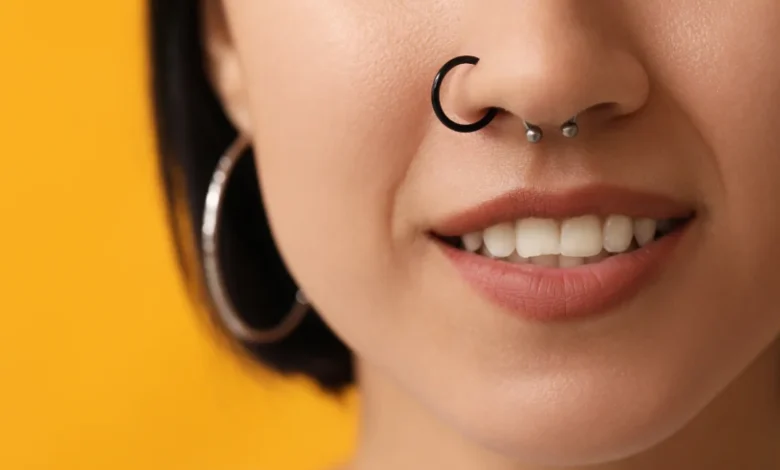
Piercings in cartilage-rich areas, such as the helix, tragus, conch, or industrial piercings in the ear, present a higher degree of complexity and risk compared to earlobe piercings. Cartilage has a significantly poorer blood supply than soft tissue, which slows the healing process considerably, often extending it to six months or even over a year. This prolonged healing window increases the susceptibility to infection, particularly perichondritis, a serious bacterial infection of the cartilage that can lead to permanent deformity if left untreated. Facial piercings, including those on the nostril, septum, or lips, introduce additional risks such as nerve damage, dental issues (for oral piercings), and increased visibility, which can impact social and professional perceptions. These areas are also more prone to accidental snagging or bumping, further complicating the healing process.
Dermal Piercings: Unique Challenges Beneath the Surface
Dermal piercings, also known as microdermals or surface anchors, represent a more advanced form of body modification. Unlike traditional piercings that pass through and exit the skin, dermal piercings involve a single entry point where an anchor is inserted beneath the skin, allowing decorative jewelry to sit flush on the surface. While aesthetically distinct, their placement beneath the skin in areas frequently subjected to movement, friction, or accidental impact (such as hands, collarbones, or neck) significantly elevates their risk profile. Dermal piercings carry a higher propensity for migration (the body pushing the jewelry out of its original position), rejection (the body completely expelling the jewelry), scarring, and tissue damage. The semi-permanent nature of dermal anchors also means their removal often requires a minor surgical procedure, contrasting with the simple removal of traditional piercing jewelry.
Prioritizing Health: The Imperative of Professionalism and Aftercare
Regardless of the piercing type, the cornerstone of a safe and successful outcome lies in the professionalism of the piercer and the diligent adherence to aftercare protocols. Choosing a qualified, reputable piercer is paramount. These professionals operate in sterile environments, utilizing single-use, pre-sterilized needles and instruments, and employ autoclaves for sterilizing reusable equipment. Certifications from professional bodies like the Association of Professional Piercers (APP) often indicate adherence to the highest standards of safety, hygiene, and client education. A responsible piercer will conduct a thorough consultation, discuss potential risks, explain aftercare instructions in detail, and ensure the client (and their legal guardian, if a minor) fully understands the commitment.
Post-piercing aftercare typically involves regular cleaning with a sterile saline solution, avoiding touching the piercing with unwashed hands, refraining from submerging the piercing in communal water (e.g., pools, hot tubs) during the initial healing phase, and being mindful of clothing or activities that could irritate the site. Recognizing the signs of complications—such as persistent redness, swelling, excessive pain, pus discharge, or fever—and knowing when to seek medical attention is crucial. Infections, if left untreated, can escalate from localized discomfort to systemic issues, potentially requiring antibiotic treatment or even surgical intervention. Common pathogens involved in piercing infections often include Staphylococcus aureus and Pseudomonas aeruginosa, underscoring the importance of strict hygiene.
Expert Perspectives on Safe Practices
Medical and professional communities consistently emphasize an evidence-based approach to body piercing. Dr. Eleanor Vance, a dermatologist specializing in dermatological surgery, stresses, "While body piercings have become increasingly common, they are essentially open wounds. The potential for infection, allergic reactions, and scarring is real, and it’s imperative that individuals, especially adolescents, approach this decision with full awareness of the medical implications. Proper sterile technique by the piercer and meticulous aftercare by the individual are non-negotiable for minimizing risks."
Concurrently, professional piercers highlight the educational aspect of their role. Liam O’Connell, a certified professional piercer with over two decades of experience and an APP member, states, "Our job extends beyond placing jewelry. We are educators, guiding clients through the entire process, from selecting appropriate jewelry to understanding the healing journey. The consultation phase is critical; it’s where we assess readiness, discuss risks specific to the chosen piercing, and empower clients with the knowledge to care for their new body modification responsibly. A well-informed client is a safer client." These perspectives converge on the importance of informed consent, professional standards, and diligent self-care as foundational elements for safe piercing practices.
The Regulatory Framework and Industry Standards
The regulatory landscape governing body piercing varies significantly across different regions, often falling under local or state health department jurisdiction. Regulations typically cover aspects such as facility sanitation, sterilization protocols, waste disposal, age restrictions for clients, and licensing requirements for piercers. Some areas have robust frameworks, mandating regular inspections and specific training, while others may have minimal oversight. The lack of uniform national standards in many countries can lead to disparities in safety practices, making the choice of a reputable piercer even more critical. Professional organizations like the APP play a vital role in bridging these gaps by establishing voluntary but highly respected industry standards that often exceed legal minimums, promoting best practices in hygiene, technique, and client care. These standards aim to protect both clients and piercers by fostering a culture of safety and professionalism within the industry.
Historical Context and Modern Perceptions of Body Modification
Body piercing is not a modern phenomenon; its roots stretch back thousands of years across diverse cultures, serving various purposes from spiritual rituals and tribal identification to indicators of social status or marital commitment. Ancient Egyptians, Mayans, and various indigenous tribes practiced forms of piercing, highlighting its enduring significance as a form of human expression. The resurgence of body piercing in Western cultures gained momentum in the latter half of the 20th century, transitioning from counter-culture symbolism to a more mainstream fashion statement. This evolution has brought about increased acceptance but also necessitates a clearer understanding of the health and safety aspects now that it’s widely accessible. The shift from a niche practice to a popular form of self-expression means that what was once perhaps a rite of passage for a select few is now a common consideration for adolescents seeking to assert individuality.
Broader Implications: Self-Expression, Health, and Long-Term Considerations
For many teenagers, body piercings are a powerful form of self-expression, a way to articulate their identity, individuality, and aesthetic preferences during a formative period of their lives. This desire for self-determination must, however, be balanced against the realities of long-term health implications and societal perceptions. While piercings have become more socially accepted, certain types or placements can still carry social or professional stigmas in various environments. Beyond immediate health risks, individuals must consider the potential for permanent scarring, the possibility of the piercing interfering with future medical procedures (e.g., MRI scans requiring removal of metal jewelry), and the semi-permanent nature of some modifications. The economic aspect also plays a role, encompassing the cost of the piercing itself, quality jewelry, and potential medical treatment should complications arise.
In conclusion, the journey into body piercing, particularly for adolescents, is a multi-faceted decision that demands careful consideration, comprehensive education, and responsible practice. It moves beyond the simplistic notion of age and into the realm of demonstrated maturity, informed consent, stringent hygiene, and professional execution. By prioritizing these elements, individuals can navigate the evolving landscape of body modification safely, transforming a personal expression into a healthy and well-managed experience.
Related posts: