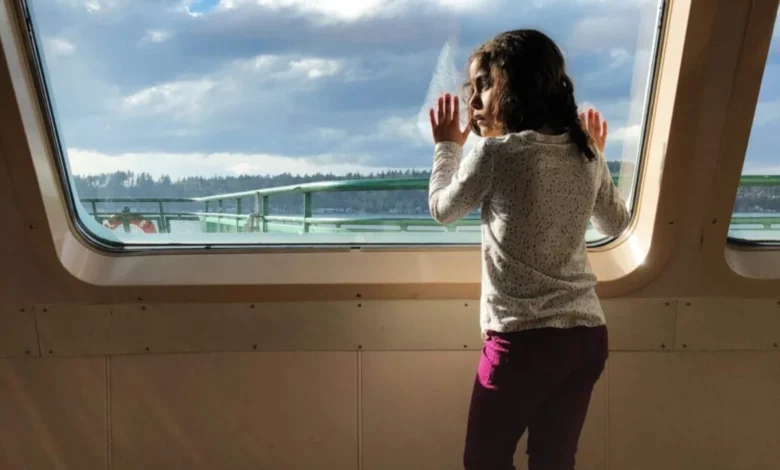
The perennial challenge of family travel, often marred by the complexities of air transit, is finding a refreshing alternative in the burgeoning popularity of ferry excursions across the United States. As families increasingly seek less stressful and more experiential journeys, ferry travel is emerging as a preferred mode, offering a unique blend of scenic beauty, relaxed pace, and intrinsic entertainment, particularly for the summer of 2026 and beyond.
The contemporary landscape of family travel is frequently overshadowed by the logistical hurdles of air travel. From the arduous process of gate-checking car seats and navigating perpetually long TSA lines to the uncertainty of flight delays and the rising costs of airport amenities, the traditional aviation experience can often detract from the joy of a vacation. In stark contrast, ferry travel provides a compelling proposition: ample space for children to move freely, engaging natural vistas that transcend digital screens, and the inherent allure of open water that captivates travelers of all ages. Many routes, ranging from swift inter-island hops to multi-hour voyages resembling mini-cruises, offer distinct advantages that transform the journey into an integral part of the holiday experience.
This shift towards maritime routes reflects a broader trend in tourism, where travelers prioritize immersive experiences and reduced travel-related stress. The U.S. boasts a diverse array of ferry services that connect vibrant cities with tranquil islands, bridge states across expansive lakes, and unlock access to remote coastal havens. These routes are not merely utilitarian transport links; they are destinations in themselves, promising memorable family moments before the destination is even reached.
The Appeal of Maritime Journeys: Beyond the Airport Hassle
The frustrations associated with contemporary air travel for families are well-documented. A 2023 survey by the American Automobile Association (AAA) indicated that nearly 60% of families with young children reported increased stress levels during airport security and boarding processes compared to pre-pandemic experiences. Furthermore, the rising cost of airfare, coupled with additional fees for baggage and seat assignments, often renders flying a prohibitively expensive option for larger families. The confined spaces of aircraft, limited entertainment options, and the general unpredictability of flight schedules further contribute to a less-than-ideal start to a family vacation.
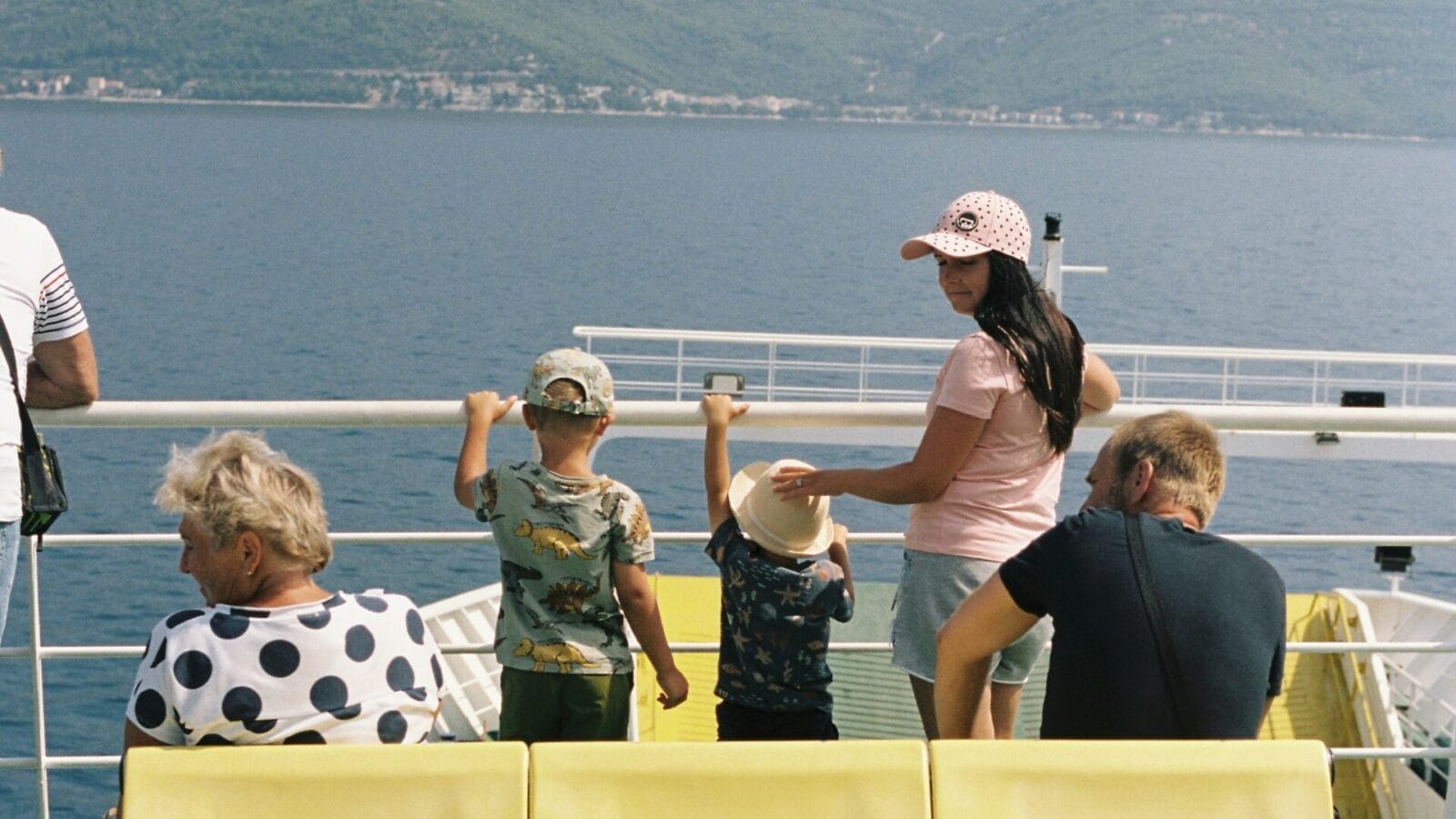
Ferry travel, conversely, presents a compelling alternative. Vessels often feature expansive decks, comfortable seating areas, onboard cafes, and even dedicated play zones. The ability to walk around, breathe fresh air, and observe marine life or coastal landscapes from an open deck transforms transit time into leisure time. This inherent freedom from confinement is particularly beneficial for children, allowing them to expend energy and engage with their surroundings in a way that is impossible on an airplane. The psychological benefit of a relaxed journey sets a positive tone for the entire trip, fostering a sense of adventure and discovery from the outset.
Pacific Northwest Ferries: Gateway to Emerald Isles
The Pacific Northwest, with its rugged coastlines, dense evergreen forests, and intricate network of islands, is a prime region for family ferry adventures. Washington State Ferries, the largest ferry system in the United States, plays a pivotal role in connecting communities and providing access to stunning natural beauty. The system carries over 20 million passengers annually, underpinning significant tourism and commerce throughout the Puget Sound region.
-
Seattle to Bainbridge Island, Washington
This 35-minute crossing from downtown Seattle to Bainbridge Island offers an accessible, low-stakes adventure suitable for all ages. Departing from the bustling Seattle waterfront, passengers can enjoy freshly brewed coffee from the onboard café while witnessing the iconic Seattle skyline gradually recede, replaced by the majestic snow-capped peaks of the Cascade Mountains to the east. On clear days, the breathtaking appearance of Mount Rainier commands attention, often prompting passengers to pause mid-conversation.Bainbridge Island itself is remarkably family-friendly. A short uphill walk from the ferry terminal leads to the Kids Discovery Museum, a highly interactive learning environment that requires no car. Older children can explore the walkable downtown area, replete with artisanal ice cream parlors and independent bookshops. For those bringing a vehicle, the island offers easy access to numerous hiking trails and serene beaches, such as Fay Bainbridge Park, ideal for picnics and beachcombing.
- Historical Context: The Seattle-Bainbridge route is one of the oldest and most frequently used ferry links in the Puget Sound, tracing its origins back to early 20th-century steamships that facilitated trade and residential commuting. The modern Washington State Ferry system was established in 1951, consolidating various private operators.
- Economic Impact: Local tourism officials on Bainbridge Island estimate that ferry passengers contribute substantially to the island’s economy, supporting small businesses, restaurants, and cultural institutions. A spokesperson for the Bainbridge Island Chamber of Commerce noted, "The ferry connection is vital; it transforms Seattle’s urban residents into island explorers, bolstering our local economy while offering a refreshing escape."
- Practical Advice: For unparalleled photographic opportunities, plan your return trip for sunset. The golden hour illuminates the Seattle skyline, creating a spectacular backdrop that captivates photographers and casual observers alike.
-
Anacortes to Friday Harbor (San Juan Islands), Washington
The San Juan Islands are a cherished destination for Pacific Northwest families seeking an island escape without the need for a passport. The ferry journey from Anacortes meanders through a picturesque archipelago of evergreen-clad islands, offering passengers the chance to spot diverse wildlife, including orcas, bald eagles, and harbor seals, from the vessel’s deck.Friday Harbor, the primary town on San Juan Island, is a charming, walkable village featuring the highly regarded Whale Museum, which provides genuinely insightful exhibits on marine mammals, appealing to both children and adults. From Friday Harbor, travelers can utilize the free inter-island ferry system to explore Lopez, Shaw, or Orcas Island, each possessing a distinct character. Orcas Island boasts Mount Constitution, offering some of the most panoramic views in the state, while Lopez Island is renowned as "the friendly island," where a tradition of reciprocal waving among locals and visitors fosters a uniquely welcoming atmosphere.
- Chronology: The ferry service to the San Juan Islands has been a lifeline for residents and a draw for tourists for decades, evolving from smaller, privately run boats to the extensive state-operated system. Peak summer demand has seen an increase in vessel capacity and more sophisticated reservation systems.
- Environmental Focus: The ferry system actively promotes wildlife viewing guidelines to protect marine ecosystems, particularly for endangered orcas. Passengers are encouraged to report sightings to onboard naturalists.
- Logistical Note: Due to extreme popularity, particularly during summer, vehicle reservations for this route should be made weeks, if not months, in advance. Walk-on passengers generally face fewer delays, but arriving 30-40 minutes prior to departure is advisable regardless of travel method.
-
Edmonds to Kingston, Washington
For families seeking a spontaneous, low-key day trip without extensive planning, the Edmonds to Kingston ferry offers an ideal solution. Travelers can park in Edmonds, allow children to play on the beach before boarding, and then enjoy a relaxing 30-minute ferry ride to Kingston. This quaint waterfront town provides a delightful array of attractions, including a classic candy store, a charming crêpe shop, and a conveniently located park adjacent to the dock, perfect for children to burn off energy before the return journey.This route exemplifies the "adventure without planning" philosophy, making it a surprisingly rewarding experience for families needing a simple change of scenery and a touch of maritime magic.
- Community Connection: The Edmonds-Kingston route serves as a vital commuter link between the bustling east side of Puget Sound and the more rural Kitsap Peninsula, highlighting the practical utility of ferry systems beyond tourism.
- Travel Tip: Consult the ferry schedule in advance, as departures are approximately once an hour, and precise timing can optimize your day trip.
Midwest & Great Lakes Ferries: Nautical Journeys on Freshwater Seas
The American Midwest, particularly its Great Lakes region, offers unique ferry experiences that evoke the grandeur of ocean voyages on vast freshwater seas. These routes connect states and provide access to distinctive island destinations.
-
SS Badger: Ludington, MI to Manitowoc, WI
The SS Badger is more than just a ferry; it is a four-hour, 60-mile cruise across Lake Michigan aboard the last coal-fired steamship operating on the Great Lakes. Designated a National Historic Landmark, this vessel provides a nostalgic journey complemented by modern amenities such as bingo games, a movie lounge, a video arcade, and a snack bar.The crossing links Ludington, Michigan, a scenic beach town renowned for its state parks and lighthouses, with Manitowoc, Wisconsin, home to an engaging maritime museum that delves into the region’s rich nautical history. The SS Badger accommodates vehicles of all sizes, from cars to RVs and bicycles, allowing for seamless continuation of road trips. Its extensive time on open water truly imparts the sensation of an ocean voyage, distinguishing it from shorter commuter services.
- Conservation and History: The SS Badger began service in 1953, primarily transporting railroad cars. Its designation as a National Historic Landmark in 2016 underscores its unique place in American maritime history. Environmental compliance has been a significant focus, with the vessel undergoing upgrades to meet modern ecological standards while preserving its historic character.
- Passenger Experience: A representative for the SS Badger highlighted the ship’s appeal: "The Badger offers a unique blend of history, relaxation, and entertainment. It’s a multi-generational experience that truly allows families to reconnect and appreciate the journey."
- Booking Recommendation: Consider booking a private stateroom ($61 per way) for families with young children requiring naps or for adults seeking a quiet retreat. The round-trip "Great Lake Getaway" package offers excellent value for day-trippers.
-
Mackinaw City to Mackinac Island, Michigan
Mackinac Island stands as a testament to deliberate, stress-free family vacation planning. Uniquely, no cars are permitted on the island, necessitating travel by bicycle, horse-drawn carriage, or on foot. The ferry ride, lasting less than 20 minutes, feels like a journey back in time, transporting visitors to a bygone era.Upon arrival, the island exudes a quintessential Americana charm: abundant fudge shops, the iconic Victorian-era Grand Hotel boasting the world’s longest porch, and an 8-mile perimeter bike trail that encircles the island. This car-free environment fosters unstructured exploration, a rare commodity in modern childhood, making it a delightful screen-free utopia (partially due to intermittent cell service).
- Regulatory Context: The ban on motorized vehicles, instituted in 1898, was initially a response to concerns about noise and horse spooking. This historical ordinance has inadvertently preserved the island’s unique character and charm, making it a highly desirable destination for tranquil family holidays.
- Tourism Impact: Mackinac Island’s tourism is almost entirely reliant on its car-free status and the ferry connections. Local businesses thrive on visitors seeking this nostalgic experience.
- Cycling Paradise: Renting bikes on the island and riding the flat, scenic 8-mile perimeter trail is a must-do activity for families. It has been recognized globally as a top biking destination due to its accessibility and beauty. When departing from Mackinaw City, select ferry crossings offer the added bonus of passing directly under the majestic Mackinac Bridge.
Northeast Ferries: Historic Harbors and Coastal Escapes
The Northeast, rich in history and maritime tradition, offers ferry routes that combine urban exploration with natural retreats, connecting vibrant cities to serene islands and coastal communities.
-
Boston to the Harbor Islands, Massachusetts
Many visitors are unaware that Boston is home to a national park accessible by a short ferry ride. A catamaran from Long Wharf transports passengers to the Harbor Islands in approximately 15 minutes, barely enough time to queue for a snack.Spectacle Island is a popular choice for families, offering supervised swimming on a sandy beach, five miles of walking trails, and a visitor center with a café. Georges Island features Fort Warren, a Civil War-era fortification that functions as an expansive stone playground for adventurous children. The ferry journey itself provides some of the finest views of the Boston skyline and passes by the oldest continually used lighthouse site in the country, Boston Light.
- National Park Service Role: The Boston Harbor Islands are managed by the National Park Service in partnership with state and local entities, ensuring their preservation and accessibility for public enjoyment. Annual visitation figures exceed 500,000, underscoring their importance as a recreational and educational resource.
- Environmental Education: The islands offer numerous programs focused on marine biology, history, and environmental stewardship, making them an excellent educational outing for families.
- Preparation: Pack a picnic, as on-island café options are limited. Bringing layers of clothing is also essential, as conditions on the water are consistently cooler and windier than on the mainland.
-
Cape May, NJ to Lewes, DE (Cape May-Lewes Ferry)
This route serves as both a practical transportation link and a scenic journey, allowing families to bypass a three-hour drive around the Delaware Bay by taking an 85-minute ferry across. This strategic connection saves time and reduces traffic congestion, offering a win-win for travelers.The ferry features upper decks with panoramic views, a snack bar known for surprisingly decent food (including popular cheesesteaks), and ample space for children to explore. Dolphin sightings are common during the summer months, providing an engaging distraction for even the most impatient young travelers.
- Interstate Connection: The Cape May-Lewes Ferry, operated by the Delaware River and Bay Authority, is a crucial infrastructure link connecting two popular coastal vacation regions. It has been in operation since 1964, significantly reducing travel times between New Jersey and Delaware.
- Economic Benefit: By facilitating easier travel between the Jersey Shore and Delaware beaches, the ferry supports cross-state tourism and commerce, enabling visitors to explore both regions during their vacations.
- Advanced Booking: Vehicle reservations are highly recommended during the summer, particularly on weekends and holidays, to guarantee passage.
Southeast Ferries: Untouched Coasts and Wild Encounters
The Southeast offers unique ferry experiences that lead to remote barrier islands, providing opportunities for encounters with wild horses and a taste of untouched coastal beauty.
-
Hatteras to Ocracoke Island, North Carolina
This free ferry service to a remote barrier island, home to wild horses and pristine, uncrowded beaches, represents one of the best-kept secrets in family travel on the East Coast. The vehicle ferry from Hatteras traverses the Pamlico Sound to Ocracoke Island, where Ocracoke Village retains the charm and unhurried pace of the Outer Banks from decades past.The village is easily navigable by foot or bicycle, featuring local seafood establishments, a bustling harbor where fishing boats unload their daily catch, and tranquil beaches. A seasonal passenger-only express ferry also operates, providing direct access to the village, ideal for day-trippers who prefer not to bring a car.
- Historic Significance: Ocracoke Island has a rich history, including associations with the pirate Blackbeard and a distinctive local dialect, adding to its unique allure. The island’s isolation, maintained by the ferry service, has preserved its character.
- Wildlife Conservation: The wild Banker Ponies of Ocracoke are a protected herd, descendants of Spanish mustangs. Their presence adds a unique ecological dimension to the island experience.
- Travel Strategy: For vehicle ferry travelers in summer, avoid mid-morning departures from Tuesday to Thursday, which are peak day-tripper times. Early morning or late afternoon crossings are significantly less crowded. Experiencing a sunset over the Pamlico Sound from the ferry is highly recommended.
-
Beaufort to Shackleford Banks, North Carolina
For families seeking a truly wild adventure—an undeveloped barrier island with feral horses, where visitors pack their own water and amenities are non-existent—Shackleford Banks delivers. This pristine island, part of the Cape Lookout National Seashore, is exclusively accessible via a short passenger ferry from the Beaufort waterfront.The island’s main attraction is the Banker Ponies, believed to be descendants of shipwrecked Spanish mustangs, which roam freely across the beaches and maritime forests. Children are often captivated by these magnificent creatures (though visitors are advised to maintain a safe distance, as they are wild animals). Beyond the horses, the island offers world-class shelling opportunities, ghost crabs scurrying along the waterline, and vast, unspoiled beaches that are increasingly rare on the East Coast.
- Ecosystem Preservation: Shackleford Banks is a critical habitat for numerous species and a vital component of the barrier island ecosystem. The ferry service operates under strict environmental guidelines to minimize human impact.
- Self-Sufficiency: Visitors must be entirely self-sufficient, bringing all necessary supplies, including sunscreen, ample water, snacks, and portable shade, as there are no facilities on the island. A few hours on Shackleford Banks creates lasting memories of raw, natural beauty.
West Coast Ferries: Iconic Vistas and Urban Escapes
The West Coast offers ferry routes that combine stunning natural landscapes with access to charming coastal towns, providing unique perspectives on iconic landmarks.
-
San Francisco to Sausalito/Tiburon, California
While one can drive across the Golden Gate Bridge to Sausalito in approximately 20 minutes, opting for a ferry across San Francisco Bay offers a vastly superior experience. The ferry journey provides unparalleled views of Alcatraz, a gradual approach to the majestic Golden Gate Bridge (often passing directly underneath it), and an arrival in a charming waterfront town celebrated for its excellent ice cream and the Bay Area Discovery Museum.Departing from the historic San Francisco Ferry Building, the ride consistently impresses, even for local residents. Sausalito is the more popular destination, boasting art galleries, diverse restaurants, and the Discovery Museum. However, Tiburon emerges as a sleeper pick for families, being less crowded and offering a stroller-friendly waterfront path leading to Blackie’s Pasture, culminating with a delightful candy store on Main Street.
- Transportation Infrastructure: San Francisco Bay’s ferry system has a long and storied history, dating back to the Gold Rush era. Today, it serves as an efficient commuter link and a highly popular tourist attraction, showcasing the city’s iconic landmarks from a unique vantage point.
- Architectural Marvels: The ferry route offers an exceptional perspective on the Golden Gate Bridge, an engineering marvel, and Alcatraz Island, with its infamous former prison.
- Family-Focused Attraction: The Bay Area Discovery Museum in Sausalito is highly recommended for families with children under 10. Located directly beneath the Golden Gate Bridge, it features outdoor trails, interactive water play, and engaging building activities. For adults, the ferry conveniently sells beer and wine.
Planning a Family Ferry Trip: Essential Considerations
To maximize the enjoyment and minimize potential challenges of family ferry travel, several key planning elements warrant attention.
-
Book Early (Especially Vehicles): While walk-on passengers typically enjoy greater flexibility, vehicle reservations for popular routes, such as the San Juan Islands, SS Badger, and Cape May-Lewes Ferry, are imperative, particularly for summer weekends. Certain routes, like Hatteras to Ocracoke, do not accept reservations, necessitating early arrival to secure a spot. Anticipating demand and booking well in advance can prevent significant delays and disappointment.
-
Timing Matters: The busiest periods for ferry travel are generally mid-morning departures on popular routes. Opting for early morning or late afternoon sailings can lead to a more relaxed experience with fewer crowds. An added benefit of evening departures is the opportunity to witness spectacular sunset views over the water, transforming a simple transit into a memorable event.
-
Dress in Layers: Maritime environments are inherently cooler and windier than land, even during peak summer months. A light jacket, a windbreaker, and a hat are essential to ensure comfort for all family members, especially when enjoying the open upper decks, which offer the best views. The temperature difference can be surprising, and being unprepared can diminish the experience.
-
Pack Snacks and Prepare for Motion Sickness: While most ferries feature snack bars, their offerings can be limited and often overpriced. Bringing a supply of preferred snacks and drinks is a practical and cost-effective strategy. For family members prone to motion sickness, proactive measures are crucial. Advise them to stay on the upper deck in fresh air, focus on the horizon, and consider administering kid-friendly motion sickness remedies before boarding, rather than waiting for symptoms to manifest.
-
Walk-On When Possible: Many ferry destinations are designed for pedestrian exploration, cycling, or offer local public transport. Opting to walk on board is generally more economical, eliminates the stress of vehicle lines, and enhances the sense of adventure. Before deciding to bring a car, research the destination’s accessibility and determine if a vehicle is truly necessary. This choice can significantly streamline the travel process.
-
Embrace the Journey as the Destination: Not every ferry trip requires an ambitious itinerary at the other end. Some of the most cherished family ferry experiences are round-trips where the journey itself is the primary attraction. The SS Badger, the Hatteras-Ocracoke crossing, or a San Francisco Bay cruise offer rich experiences that stand alone, even if the family simply turns around and returns to the departure point. The joy of being on the water, feeling the wind, and observing the expansive beauty of the natural world provides a profound sense of calm and wonder, a stark contrast to the often-frenzied pace of modern life.
In conclusion, the appeal of ferry travel for families is undeniable. It offers a tangible escape from the pressures of conventional travel, providing space, natural beauty, and a pace that encourages genuine connection and discovery. As families increasingly seek authentic and enriching travel experiences, ferry adventures across the diverse waterways of the U.S. stand poised to become a staple of summer vacations, fostering lasting memories and a renewed appreciation for the journey itself.
Related posts: