The Unsung Essentials: A Deep Dive into the Unexpected Items Parents Rely On Daily

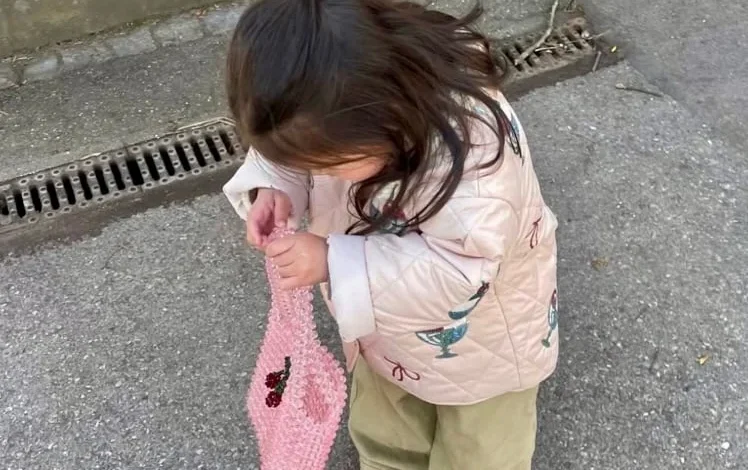
In the intricate tapestry of modern family life, parents often find themselves as impromptu guardians, educators, and first responders, equipped with an arsenal of items that extend far beyond the conventional diaper bag. This phenomenon, often observed but rarely cataloged, reveals a profound resourcefulness and foresight inherent in caregiving. What began as a casual inquiry among a small group of parents has unveiled a fascinating landscape of ingenious solutions, ranging from common household staples to highly specialized products, all meticulously curated to navigate the unpredictable daily challenges of raising children. These aren’t just conveniences; they are strategic tools, often packed in a hurry but always serving a crucial purpose in maintaining order, health, and happiness in a child’s world.
The Evolving Tote: A Chronology of Parenting Preparedness
Historically, the concept of a "parenting kit" has undergone significant evolution, mirroring societal shifts and advancements in child care. In earlier eras, a parent’s immediate carry-on might have been limited to basic feeding supplies, a spare cloth, and perhaps a small toy. The advent of mass production in the 20th century, particularly post-World War II, introduced a wider array of specialized baby products, from disposable diapers to compact strollers. However, the 21st century has ushered in an era of unprecedented mobility and diversified demands on parents. Busy schedules, extended outings, and a heightened awareness of child development and safety have necessitated a more comprehensive approach to what parents deem "essential." The modern parent’s bag is no longer just a utility pouch; it’s a mobile command center, reflecting a proactive approach to managing everything from minor scrapes to sudden bouts of boredom. This shift underscores a broader trend: parenting today often requires anticipating a multitude of scenarios, transforming the humble handbag or backpack into a testament to preparedness.
Fueling Young Adventures: The Strategic Role of Portable Nutrition
One of the most frequently cited categories of essential items revolves around sustenance, particularly healthy snacks. Sukhie Patel, a parent featured in a recent informal survey, highlighted the indispensable nature of carrying multiple satsuma mandarins, playfully noting her child’s "fruit bat" tendencies. This seemingly simple choice carries significant implications for child well-being and parental sanity. Pediatric nutritionists consistently emphasize the importance of regular, healthy snacking for children to maintain stable blood sugar levels, which directly impacts mood, energy, and concentration. A sudden dip in blood sugar can lead to irritability, commonly known as "hanger," disrupting outings and daily routines. Data from the American Academy of Pediatrics suggests that nutrient-dense snacks, like fruit, contribute significantly to a child’s overall dietary intake and prevent overeating at meal times.
Beyond nutritional value, the act of consuming certain snacks offers an unexpected benefit. As Patel observed, the methodical peeling of a mandarin provides a few minutes of quiet, offering a brief respite for parents to attend to their own tasks, such as responding to emails. This illustrates the dual functionality of many parental essentials: they not only meet a child’s direct need but also inadvertently create moments of calm for the caregiver. Child development specialists often advocate for activities that engage fine motor skills and offer sensory input, both of which are present in the peeling and consumption of fruit. From an economic perspective, carrying pre-portioned, healthy snacks also mitigates the impulse to purchase less nutritious, often more expensive, options when hunger strikes unexpectedly in public.
Beyond Screens: Cultivating Engagement Through Play and Learning
The challenge of keeping children engaged and entertained, particularly during periods of waiting or travel, has led parents to ingenious solutions that often eschew digital devices. Melina Gac Levin’s decision to carry a double Dutch jump rope exemplifies this trend towards active, communal play. In an era where screen time often dominates, providing opportunities for physical activity and social interaction is paramount. The American Heart Association recommends at least 60 minutes of moderate-to-vigorous physical activity daily for children, and portable play items like a jump rope facilitate this, even in unexpected settings like a park stop. Levin’s observation that children of all ages gravitate towards the rope, teaching each other rhymes and games, highlights the profound social benefits. This fosters cooperation, problem-solving, and the transmission of cultural knowledge through play, reinforcing community bonds.
Similarly, Ruth Chan’s reliance on small animal figurines for her two-year-old daughter during subway rides underscores the power of imaginative play. These compact toys stimulate creativity and narrative development, allowing children to construct their own worlds and stories, a critical aspect of cognitive growth. Developmental psychologists often point to such open-ended toys as superior to highly structured ones, as they encourage children to be active participants in their play rather than passive observers.
Hopie Hill, a painter and mother, discovered the unexpected utility of blue painter’s tape. While unconventional, this item encourages a unique form of creative expression. Taping, pulling, and making tape balls engages fine motor skills and provides sensory feedback, crucial for young children. The non-residue property of painter’s tape makes it a parent’s dream, allowing for temporary artistic endeavors in diverse public spaces without concern for damage, a statement on the need for versatile, mess-free engagement tools.
For older children, Youngna Park champions educational magazines like The Week Junior. These publications offer age-appropriate content on current events, science, and culture, transforming idle moments into opportunities for learning. In an increasingly complex world, providing children with accessible, factual information helps cultivate critical thinking and global awareness. Educators emphasize the importance of engaging children with diverse topics, fostering curiosity and a lifelong love for reading. The lightweight nature of such magazines makes them ideal for occupying children during queues or travel, offering a welcome alternative to digital devices while still being highly stimulating.
Guardian Against Grime: Navigating Health and Cleanliness on the Go
Maintaining hygiene and addressing minor injuries are perennial concerns for parents, leading to the inclusion of specialized products in their daily carry. The article’s anonymous friend, Kayla, swears by a "magical stain remover," while the author herself keeps sanitizing wipes in every tote. These items speak to the practical realities of parenting, where spills, dirt, and germs are constant companions. Sanitizing wipes, particularly since the global health crises, have become a staple for public health reasons, offering a quick way to clean hands and surfaces when soap and water are unavailable. Public health organizations consistently recommend hand hygiene as a primary defense against infectious diseases, making portable sanitizers indispensable for families on the move.
Janelle Taylor’s endorsement of hypochlorous acid spray as a "true hero product" for cuts, scrapes, bug bites, diaper rash, and eczema highlights a growing trend towards multi-functional, gentle yet effective first-aid solutions. Hypochlorous acid, a naturally occurring compound produced by the human body’s immune system, is known for its antimicrobial and anti-inflammatory properties, making it an excellent, non-toxic choice for sensitive skin. Pediatricians increasingly recommend such gentle options for children, minimizing irritation while still providing effective care. This demonstrates parents’ continuous search for products that offer broad utility and peace of mind regarding their children’s health.
Seamless Journeys: Innovations in Portable Care and Protection
Travel, whether a short trip to the park or an international flight, presents its own unique set of challenges for parents. Christine Han, living in California, highlights the essential nature of sunscreen, specifically praising a mess-free stick formula. Dermatologists consistently stress the critical importance of sun protection from an early age to prevent skin damage and reduce the risk of skin cancer later in life. The convenience of a non-liquid, non-squirting sunscreen addresses a common parental frustration, making the vital act of reapplication quicker and cleaner. This reflects a broader consumer demand for innovative product design that simplifies daily routines for busy families.
For parents of infants, managing feeding on the go is a significant logistical hurdle. Erika Veurink’s discovery of a multi-compartment formula container, inspired by observations during an international flight, exemplifies how parents adapt and learn from each other to optimize travel efficiency. Such containers allow for pre-measured formula portions, streamlining the process of mixing bottles and ensuring accurate feeding schedules, particularly crucial during travel disruptions. At an accessible price point, this item underscores the value parents place on simple, effective solutions that alleviate stress during potentially chaotic situations. Travel experts often advise parents to prepare extensively for journeys with infants, and specialized feeding tools like this are a testament to that preparedness.
Supporting Growing Independence: Addressing Adolescent Needs Discreetly
As children transition from childhood to adolescence, their needs evolve, and so do the contents of a parent’s bag. Abbey Nova’s confession about always carrying an extra deodorant for her teenager resonates deeply with many parents navigating this delicate phase. Puberty brings significant physiological changes, including increased perspiration and body odor. While a seemingly minor item, having deodorant readily available can prevent potential embarrassment for a teenager, fostering self-confidence and hygiene awareness. Adolescent health experts often emphasize the importance of open communication about bodily changes and providing practical support to help teenagers manage these transitions. Nova’s candid admission speaks to the unspoken, yet vital, role parents play in supporting their children’s growing independence and self-care, often anticipating needs before they are articulated.
The Evolving Tote: From Practicality to Poetic Keepsakes
Finally, the contents of a parent’s bag can reflect not just immediate needs but also an evolving relationship with their children and the world around them. Jo, a parent of elementary-school-aged children, notes a shift from carrying diapers and wipes to reusable water bottles alongside a "random assortment of acorns, dead flower bouquets, and sea glass." This transformation signifies a move from direct, hands-on care to fostering independence and a connection with nature. Reusable water bottles align with environmental consciousness and promote healthy hydration habits. The inclusion of natural treasures—acorns, flowers, sea glass—speaks to a child’s innate curiosity about the natural world and the value placed on shared experiences and discovery.
Child development experts highlight the importance of nature play in fostering creativity, problem-solving skills, and a sense of wonder. These collected items become tangible memories of shared adventures, markers of a child’s exploration, and perhaps even conversation starters. A child psychologist might suggest that these items, though seemingly random, hold immense sentimental value, representing moments of joy, discovery, and connection between parent and child. This category powerfully illustrates how the parent’s bag transforms from a purely utilitarian device into a vessel for shared experiences and the unfolding narrative of family life.
Broader Implications: The Landscape of Parental Preparedness
The collective insights from these parents reveal several broader implications for consumer trends, child development, and the psychology of modern parenting. There is a clear market demand for compact, multi-functional, and child-safe products that address specific parental pain points. Manufacturers and innovators are increasingly recognizing and responding to this need, leading to a proliferation of specialized items designed to make parents’ lives easier and more organized.
Psychologically, the act of carrying these "unsung essentials" can provide parents with a profound sense of control and preparedness. In a world that often feels unpredictable, having the right tools on hand to manage common challenges—from hunger pangs to minor injuries or boredom—can significantly reduce parental anxiety. This preparedness allows parents to embrace spontaneity and navigate outings with greater confidence, knowing they are equipped for most eventualities.
Furthermore, this exploration highlights the invisible labor of parenting. The meticulous planning, foresight, and constant readiness embodied by these everyday items are often overlooked but are fundamental to the successful orchestration of family life. Recognizing these efforts validates the ingenuity and dedication of caregivers worldwide.
In conclusion, the seemingly disparate collection of items found in a parent’s bag—be it a satsuma mandarin, a jump rope, hypochlorous acid spray, or even an extra stick of deodorant—is far more than a random assortment. Each item is a carefully considered, often battle-tested, component of a larger strategy for nurturing, educating, and protecting children. These essentials are not just conveniences; they are tangible expressions of parental love, foresight, and an enduring commitment to navigating the beautiful, chaotic journey of raising the next generation. As the demands on families continue to evolve, so too will the contents of the parent’s essential tote, always reflecting the ingenuity and unwavering dedication at the heart of parenthood.