The evolving landscape of modern motherhood: Navigating wellness, identity, and economic shifts in 2025 and beyond


The contemporary experience of motherhood is currently undergoing a profound transformation, characterized by an intersection of heightened personal wellness expectations, complex economic pressures, and a shifting cultural understanding of the parental identity. As families navigate the mid-2020s, the challenges of raising children have expanded beyond traditional caregiving, moving into the realms of digital-age mental health, financial advocacy, and the balancing of professional trajectories with the physiological and psychological realities of the postpartum period.

The Intersection of Wellness and Pregnancy
The modern expectant mother is increasingly health-conscious, prioritizing "clean" beauty and non-toxic environments as a cornerstone of prenatal care. Research has shown that pregnant individuals are now more likely to scrutinize the ingredient lists of skincare and cosmetic products, seeking alternatives to conventional items that may contain endocrine disruptors or other potentially harmful compounds.

This shift is not merely a trend but a reflection of a broader, evidence-based movement toward reducing toxic exposure during the gestation period. Brands like Storq have emerged as leaders in this space, curating selections of beauty products that are rigorously vetted for safety. This movement towards transparency in consumer goods represents a fundamental change in how the retail industry engages with the maternal demographic, moving from general marketing to a specialized, health-first approach.

Beyond topical products, the emphasis on holistic wellness has expanded to include physical and mental health interventions. Practices such as gua sha for lymphatic drainage and the use of specialized botanical oils are becoming staples in the routine of the modern mother, who views these rituals as a way to reclaim autonomy over her body amidst the significant physiological changes of pregnancy and the postpartum phase.

The Fourth Trimester: A Medical and Emotional Turning Point
Perhaps the most significant shift in maternal discourse is the widespread recognition of the "fourth trimester"—the critical twelve-week period following childbirth. Historically, this phase was often overlooked, with medical attention primarily focused on the infant’s milestones. However, current expert consensus and maternal advocacy groups now define this window as a period of medical necessity for the mother, not merely a recovery phase.

Medical data underscores the urgency of this perspective. The fourth trimester is a period of intense hormonal volatility, physical tissue repair, and deep psychological adjustment. When this period is treated as a medical priority, outcomes for both mother and child improve significantly. This includes proper screening for postpartum mood and anxiety disorders, as well as nutritional and physical support that acknowledges the intensity of the birth event, whether vaginal or cesarean.

The cultural narrative is shifting away from the "bouncing back" mentality toward a more sustainable concept of moving forward. This involves acknowledging that the body has undergone a permanent, life-altering event. As a result, the emphasis has moved to "identity rebirth," where women are encouraged to find language for the complex shifts in self-perception that occur when transitioning into the role of a parent.

Economic Pressures and the Motherhood Tax
While wellness and identity occupy the personal sphere, economic instability remains a significant macro-level pressure. In 2025, the concept of the "motherhood tax"—a systemic reduction in earnings and career progression for women who have children—remains a persistent barrier to gender equality in the workplace.

The tax manifests in three distinct ways: lower overall lifetime earnings, higher costs of living due to the necessity of childcare, and the disproportionate burden of unpaid labor within the home. Recent data indicates that even with more flexible work-from-home arrangements, the mental load—the invisible, exhausting labor of managing family logistics—continues to fall squarely on the shoulders of mothers.

Financial experts suggest that the solution requires a multifaceted approach. Small, actionable money shifts, such as strategic budgeting for maternity leave and the aggressive management of family savings goals, can help mitigate stress. However, these individual actions are only one part of the puzzle. There is a growing demand for policy-level changes, including better-supported parental leave programs that recognize the necessity of recovery time, and corporate policies that do not penalize employees for taking the time necessary to bond with their children.

The Changing Dynamics of the Family Village
The traditional "village" has been reimagined in the 21st century. While many families no longer live in proximity to extended relatives, the role of grandparents has evolved into a vital, albeit quiet, form of support. Research into family dynamics reveals that grandparents often act as the "invisible scaffolding" of a new household.

The relationship between new parents and their own parents is frequently fraught with boundary challenges, yet when successfully navigated, it remains the most reliable support system available. Modern guidance emphasizes the importance of clear, respectful communication to prevent overstepping, allowing grandparents to provide help—such as childcare or meal preparation—without creating added emotional friction.

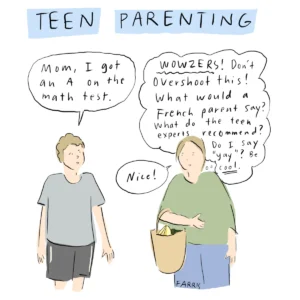
Simultaneously, the challenges of parenting through the teen years have changed. The sight of a closed bedroom door is no longer just a sign of defiance; it is understood as a necessary component of the identity-forming years of adolescence. Modern parenting strategies focus on maintaining a steady, non-judgmental presence, asking better questions, and respecting the child’s need for distance as a sign of healthy development.

Advocacy and the Future of Maternal Policy
Perhaps the most robust development in the current maternal landscape is the rise of political and systemic advocacy. Groups like the Chamber of Mothers and various maternal health coalitions are providing tools to help parents vote in alignment with their values. These voter guides categorize candidates based on their support for maternal health legislation, childcare funding, and workplace protections.

This move toward political engagement reflects a realization that the systemic issues facing mothers—such as the high cost of childcare, the gaps in postpartum medical coverage, and the inequality of the motherhood tax—are not problems that can be solved by individual wellness rituals alone. They are structural issues that require legislative action.

As we look toward the latter half of the decade, the integration of technology, public policy, and a more compassionate, evidence-based approach to parenting appears to be the path forward. From the use of digital tools to monitor maternal health data to the advocacy for improved parental leave in the corporate sector, the future of motherhood is being defined by a rejection of the "hustle culture" that dominated previous generations.

Conclusion: A New Standard of Care
The modern mother is expected to be more informed, more resilient, and more economically savvy than ever before. Yet, the current discourse is finally acknowledging that these expectations must be balanced with support. Whether it is through the adoption of safer beauty standards, the normalization of the fourth trimester as a medical event, or the collective push for economic policies that recognize the true value of caregiving, the focus is clearly shifting toward a model that values the mother as an individual, not just a caregiver.

The evidence suggests that when mothers are supported—both medically and economically—the entire family structure thrives. The focus on resilience, identity, and systemic reform marks a significant evolution from the isolation of the past. As we continue to navigate these changes, the most important lesson learned is that motherhood is not a solo endeavor, nor should it be a sacrifice of the self. Instead, it is a complex, evolving experience that requires a village, a policy framework that supports human dignity, and a personal commitment to wellness that honors the transformative nature of the journey. The future of motherhood depends on our ability to turn these individual realizations into lasting, societal change.
Related posts: