Navigating Teen Piercings: Age, Maturity, and Safety Considerations Beyond the Birthday

The decision to get a body piercing for a teenager is a nuanced one, extending far beyond a simple birthday milestone. While societal perceptions of body art have evolved significantly, making piercings more mainstream, the readiness of an adolescent for such a commitment hinges primarily on their demonstrated maturity, a robust hygiene track record, and a thorough understanding of the specific piercing’s inherent risk level. A responsible 13-year-old with established self-care routines may indeed be better equipped for a simple earlobe piercing than a 16-year-old who still requires consistent reminders for basic personal hygiene. This distinction underscores a critical shift in how parents, medical professionals, and the piercing industry evaluate a young person’s suitability for body modification, prioritizing responsibility and health over chronological age.
Defining Readiness: Beyond the Calendar
The conventional wisdom that certain ages automatically confer readiness for body piercings is increasingly being challenged by experts in adolescent development and public health. Readiness is a multifaceted concept encompassing physical, emotional, and cognitive maturity. Physically, a teenager must be capable of adhering to a strict aftercare regimen, which can span several weeks to over a year, depending on the piercing type. This involves regular cleaning, avoiding specific activities, and recognizing signs of potential complications. Emotionally, the decision should stem from a genuine desire for self-expression, rather than peer pressure or fleeting trends. Cognitively, the adolescent must grasp the permanent or semi-permanent nature of a piercing, its potential health risks, and the commitment required for proper healing.
For instance, a study published in Pediatrics highlighted that while adolescents often seek autonomy, their prefrontal cortex, responsible for impulse control and risk assessment, is still developing. This makes parental guidance and education paramount. Dr. Emily Walsh, a pediatric dermatologist, emphasizes, "It’s not just about whether they can endure the pain of the piercing, but whether they can consistently manage the daily care to prevent infection. A strong hygiene ethic is non-negotiable for any body piercing." The stark contrast between a 13-year-old who diligently manages personal care and a 16-year-old who struggles with routine showers illustrates that chronological age is an unreliable sole indicator of readiness.
A Spectrum of Safety: Understanding Piercing Risks
Not all piercings are created equal in terms of risk and aftercare demands. Generally, standard earlobe piercings are considered to have simpler aftercare protocols and significantly lower complication rates compared to piercings in cartilage, the face, or the hands. This perception of "safer" for earlobes is rooted in anatomical differences and physiological healing processes. The earlobe is composed primarily of soft, vascular tissue, which tends to heal more readily and with fewer complications than avascular cartilage or areas subject to frequent movement and contamination.
However, it is crucial to understand that "safer" does not equate to "risk-free." Any break in the skin carries the potential for infection. Data from the Centers for Disease Control and Prevention (CDC) indicates that even common earlobe piercings can result in localized infections if not properly cared for. The British Association of Dermatologists reports infection rates for earlobe piercings can range from 10-30%, though most are minor and respond well to treatment. Complications such as allergic reactions to jewelry materials (e.g., nickel), hypertrophic scarring, or keloids are also possibilities, regardless of the piercing’s location.
The Intricacies of Cartilage and Facial Piercings
Piercings in cartilage-rich areas such as the helix, tragus, daith, or rook of the ear present a higher degree of risk. Cartilage has a limited blood supply, which slows down the healing process considerably, often extending it from a few months for earlobes to six months to a year, or even longer. This extended healing window increases the susceptibility to complications such as chondritis (cartilage infection), which can be severe and lead to permanent disfigurement if not treated promptly. Keloid formation, an overgrowth of scar tissue, is also more prevalent in cartilage piercings.
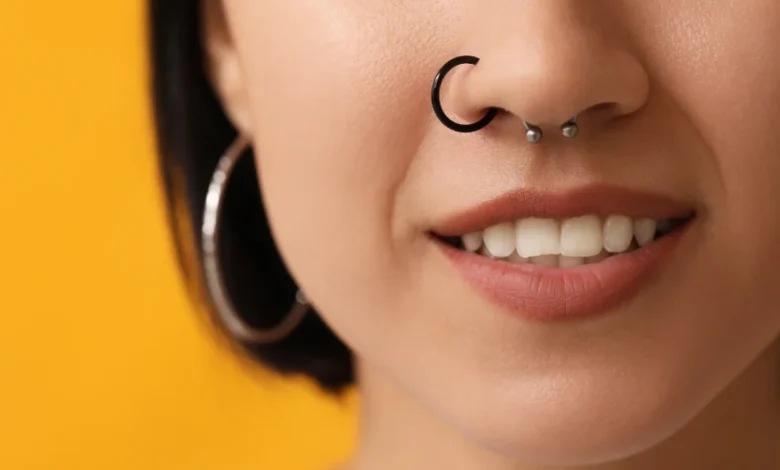
Facial piercings, including those on the nose, lip, or eyebrow, introduce their own set of unique risks. Nasal piercings, for example, can become infected due to their proximity to mucus membranes and the constant exposure to environmental contaminants. Lip and tongue piercings carry significant risks of dental damage, including chipped teeth, gum recession, and interference with speech and eating. Oral piercings also pose a higher risk of bacterial infection due to the mouth’s natural microbiome, requiring extremely diligent oral hygiene. Nerve damage, though rare, is a serious potential complication for any facial piercing.
Dermal Piercings: A Higher Threshold of Risk
Among the various types of body modifications, dermal piercings, also known as surface anchors or microdermals, carry a distinctly higher risk profile. Unlike traditional piercings that pass through and exit the skin, dermal piercings involve placing a small piece of jewelry under the skin, with only a decorative top visible on the surface. These are often placed in areas that are frequently bumped, rubbed, or handled, such as the hands, chest, collarbone, or even the face.
The very nature of their placement contributes to their increased risk of migration, rejection, scarring, and tissue damage. Migration occurs when the body attempts to push the jewelry out, shifting its position. Rejection is the complete expulsion of the jewelry by the body’s immune system, often leaving an unsightly scar. Because dermal anchors are essentially foreign objects embedded under the skin, they are more susceptible to being snagged or caught, leading to trauma, infection, and potential tearing of the tissue. Removing a dermal piercing typically requires a minor surgical procedure, which itself carries risks and will always leave a scar. The Association of Professional Piercers (APP) often categorizes dermal piercings as advanced procedures, recommending them only for highly experienced piercers and clients with an exceptional understanding of the risks and aftercare commitment.
The Chronology of a Piercing: From Decision to Healing
The journey of a body piercing is a sequential process that demands informed decision-making and meticulous adherence to care guidelines.
- Initial Consultation and Consent: The first step involves a thorough discussion with a reputable, licensed piercer. For minors, parental consent is legally required in most jurisdictions, often necessitating a parent or guardian to be present and provide identification alongside the minor’s. The piercer should explain the procedure, potential risks, aftercare, and jewelry options.
- Site Preparation and Sterilization: Before the piercing, the chosen area is meticulously cleaned and disinfected. The piercer must use sterile, single-use needles and ensure all equipment is either disposable or sterilized in an autoclave, following strict health department regulations.
- The Piercing Procedure: The piercing itself is a swift process, typically involving marking the entry and exit points, then passing a hollow needle through the tissue, followed immediately by the insertion of the initial jewelry.
- Initial Aftercare (First Few Weeks): This critical phase focuses on preventing infection and promoting initial wound healing. It typically involves gentle cleaning with a sterile saline solution 1-2 times daily, avoiding touching the piercing with unwashed hands, and protecting it from trauma. Swelling, redness, and mild discomfort are normal during this period.
- Healing Period (Months to Over a Year): Depending on the piercing, the full healing process can take several months (e.g., 2-4 months for earlobes) to over a year (e.g., 6-12 months for cartilage, navel, or nipple piercings). During this time, consistent, gentle aftercare is vital. Jewelry should not be changed prematurely, as this can disrupt the healing tissue and introduce infection.
- Long-Term Care: Even after a piercing is fully healed, good hygiene practices and wearing appropriate jewelry are essential to prevent irritation or re-infection.
Official Responses and Industry Standards
Professional organizations and health authorities play a crucial role in establishing safety standards for body piercing. The Association of Professional Piercers (APP) is a leading international non-profit organization dedicated to the dissemination of vital health and safety information regarding body piercing. They advocate for stringent sterilization practices, the use of implant-grade materials for jewelry (such as surgical stainless steel, titanium, niobium, or 14k/18k gold), and comprehensive piercer training. Their guidelines serve as a benchmark for responsible piercing practices globally.
Medical professionals, including dermatologists and pediatricians, consistently advise parents to prioritize safety over trendiness. Dr. Alan Greene, a prominent pediatrician, frequently advises parents to choose piercers who operate in a clinical, sterile environment, similar to a doctor’s office, and to thoroughly research the piercer’s reputation and adherence to local health regulations. Many state and local health departments regulate piercing establishments, requiring licenses, regular inspections, and adherence to bloodborne pathogen safety standards. Parents are encouraged to verify these credentials before allowing a minor to undergo a piercing procedure.
Broader Impact and Implications
The implications of teen piercings extend beyond immediate health concerns. Sociologically, while body art has become more accepted, certain piercings might still carry professional or social stigmas in specific contexts. Psychologically, a piercing can be a powerful tool for self-expression and identity formation during adolescence. However, an improperly executed or poorly cared-for piercing can lead to significant emotional distress, body image issues, and long-lasting physical scarring.
From a public health perspective, unregulated piercing practices pose risks not only to individuals but also to the broader community through potential transmission of bloodborne pathogens if proper sterilization protocols are not followed. This underscores the importance of robust regulatory frameworks and public education campaigns. The financial implications also warrant consideration; quality piercings and appropriate aftercare products represent an investment, and neglecting either can lead to costlier medical interventions for complications.
In conclusion, the discourse around teen piercings must evolve beyond simplistic age-based rules. It necessitates a holistic approach that evaluates an individual’s maturity, hygiene habits, and understanding of responsibility. Parents, guardians, and adolescents must engage in open, informed discussions, prioritize reputable and professional piercers, and commit to diligent aftercare. By adhering to these principles, the risks associated with body piercings can be significantly mitigated, allowing for safe and meaningful self-expression while safeguarding health and well-being.