The Science and Practice of Therapeutic Detox Bathing A Comprehensive Guide to Modern Hydrotherapy

The global wellness industry, currently valued at over $5.6 trillion according to the Global Wellness Institute, has seen a significant shift toward at-home therapeutic practices, with "detox bathing" emerging as a cornerstone of modern self-care routines. While the human body possesses an innate detoxification system—primarily managed by the liver, kidneys, and lymphatic system—proponents of hydrotherapy argue that external protocols can provide targeted support to these natural processes. These specialized baths, utilizing ingredients ranging from magnesium sulfate to bentonite clay and organic mustard powder, are increasingly recognized not just as a means of relaxation, but as a supplementary approach to managing skin health, systemic inflammation, and toxin overwhelm.
The Physiological Framework of Detoxification
In a contemporary context, detoxification is defined as the physiological process by which the body neutralizes and eliminates waste products and environmental toxins. The skin, the body’s largest organ, plays a secondary but vital role in this process through perspiration and its function as a semi-permeable barrier. Traditional hydrotherapy operates on the principle of osmotic pressure and thermal stimulation. By introducing specific minerals and compounds into warm bathwater, practitioners aim to facilitate a mineral exchange while stimulating the circulatory system to move metabolic waste toward the primary organs of elimination.
Medical professionals, including Madiha Saeed, MD, a board-certified family physician, emphasize that while the body is inherently designed to detoxify, modern environmental stressors—including heavy metal exposure, microplastics, and air pollutants—may necessitate additional support. This has led to the development of diverse bath recipes tailored to specific physiological needs, ranging from pH balancing to heavy metal adsorption.
Chronology of Therapeutic Bathing: From Antiquity to Biohacking
The practice of medicinal bathing is far from a modern invention. Its history spans several millennia, evolving from spiritual rituals to standardized medical treatments:
- Ancient Foundations (3000 BCE – 500 CE): The Indus Valley Civilization featured the "Great Bath" of Mohenjo-Daro, likely used for ritual purification. Later, the Romans engineered elaborate bathhouses (thermae), utilizing varying temperatures to treat joint pain and respiratory issues.
- The Rise of European Spas (17th – 19th Century): The discovery of magnesium sulfate in Epsom, England, in 1618 revolutionized hydrotherapy. By the 1800s, European "cure towns" like Baden-Baden and Bath became centers for medical tourism, where physicians prescribed specific mineral soaks for ailments ranging from gout to "melancholy."
- The 20th Century Shift: With the advent of modern pharmacology, hydrotherapy moved from the clinical mainstream to the realm of alternative medicine. However, the mid-century saw a resurgence in interest through the work of naturopaths who integrated clay and vinegar treatments into holistic health protocols.
- Modern Biohacking (2010 – Present): Today, detox bathing is categorized under "biohacking" and "functional medicine." It is used by athletes for recovery and by wellness enthusiasts to mitigate the effects of modern "toxin overwhelm."
Primary Detox Bath Protocols and Their Mechanisms
Each detox bath recipe serves a distinct biochemical purpose, utilizing common household ingredients to achieve specific health outcomes.
The Magnesium Sulfate (Epsom Salt) Standard
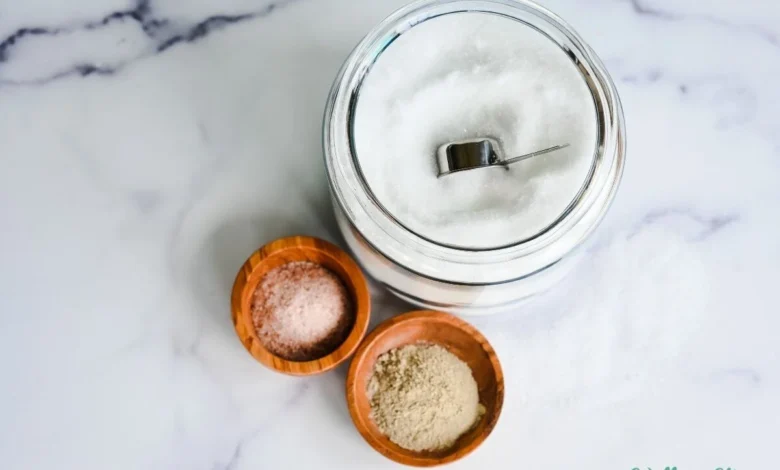
The most common form of detox bath utilizes Epsom salt, a chemical compound of magnesium, sulfur, and oxygen. Magnesium is a critical mineral involved in over 300 enzymatic reactions in the human body, including muscle function and nervous system regulation.
- Mechanism: Warm water dilates the pores, theoretically allowing for the transdermal absorption of magnesium. This helps replenish magnesium stores, which are often depleted by stress and poor diet, while the sulfate helps flush toxins and form proteins in joints.
- Application: A standard soak involves dissolving two cups of Epsom salt in warm water for at least 20 minutes.
Bentonite Clay for Heavy Metal Adsorption
Bentonite clay, formed from volcanic ash, is prized for its high cation exchange capacity.
- Mechanism: When hydrated, the clay molecules produce a negative electrical charge. Many toxins and heavy metals carry a positive charge; the clay acts like a magnet, "adsorbing" these substances to its surface. This makes clay baths particularly effective for individuals concerned with environmental pollutant accumulation.
- Operational Note: Due to the density of the clay, experts recommend using a drain filter to prevent plumbing clogs, as the material can settle and harden in pipes.
Oxygen and Ginger Circulation Soaks
Often referred to as "oxygen baths," these formulations typically use ginger powder or hydrogen peroxide to stimulate the body’s internal heat.
- Mechanism: Ginger is a rubefacient, meaning it stimulates blood circulation to the surface of the skin. This induces sweating (diaphoresis), which is a primary pathway for the excretion of certain heavy metals and BPA. This protocol is frequently used at the onset of seasonal illnesses to alleviate body aches and clear congestion.
Acetic Acid (Vinegar) for pH Restoration
The skin maintains an "acid mantle," a slightly acidic film that acts as a barrier against bacteria and viruses.
- Mechanism: Apple cider vinegar (ACV) helps restore the skin’s natural pH balance, which can be disrupted by alkaline soaps and environmental factors. It is particularly noted for its efficacy in treating eczema, dandruff, and sunburn. The acetic acid also possesses mild antimicrobial properties.
Mustard Powder and Thermogenesis
Based on ancient Ayurvedic traditions, mustard baths are used for intense detoxification.
- Mechanism: Mustard powder increases peripheral circulation and stimulates the sweat glands more aggressively than Epsom salts alone. This creates a thermogenic effect, helping to "shed" toxins through the skin while relieving deep-seated muscle tension.
Supporting Data and Economic Impact
The shift toward these natural modalities is supported by significant market data. According to a 2023 report by Grand View Research, the global bath and shower products market is expected to expand at a compound annual growth rate (CAGR) of 4.3%. Specifically, the "therapeutic" segment is seeing the fastest growth, driven by consumer demand for products containing magnesium, essential oils, and organic clays.
Furthermore, a study published in the Journal of Evidence-Based Complementary & Alternative Medicine noted that magnesium levels in the blood can indeed rise after soaking in magnesium-rich water, providing a scientific basis for the efficacy of Epsom salt baths. While the "drawing out" of toxins via osmosis is still a subject of academic debate, the physiological benefits of reduced cortisol (the stress hormone) and improved circulation during these baths are well-documented.
Official Responses and Expert Safety Recommendations
Medical professionals urge caution and a balanced perspective regarding detox bathing. While generally safe for the healthy adult population, these protocols are not without risk.
Dermatological Concerns:
Dermatologists warn that excessive soaking or the use of harsh ingredients like undiluted essential oils can lead to contact dermatitis or the stripping of essential skin oils. "It is vital to choose essential oils wisely and ensure they are properly diluted," notes Katie Wells, a prominent wellness researcher.
Medical Contraindications:
The medical community provides specific warnings for certain demographics:
- Pregnancy and Nursing: Changes in core body temperature and the absorption of certain minerals can affect fetal development or milk production. Consultation with an OB-GYN is mandatory.
- Cardiovascular Issues: The heat from detox baths increases heart rate and lowers blood pressure. Individuals with hypertension or heart disease should exercise extreme caution.
- Kidney Disease: Since the kidneys process minerals like magnesium, those with impaired renal function may experience mineral toxicity if they absorb excessive amounts transdermally.
Broader Implications and Future Outlook
The rise of detox bathing reflects a broader societal movement toward "preventative self-care." As healthcare costs continue to climb, individuals are increasingly looking for low-cost, accessible ways to manage their health at home. The transition of ingredients like bentonite clay and mustard powder from the pantry to the bathtub signifies a return to traditional wisdom, updated with modern understanding of toxicology and physiology.
The implications for public health are twofold. On one hand, these practices empower individuals to take an active role in their wellness, potentially reducing the burden on primary care systems for minor ailments like muscle strain, mild skin irritation, and stress-related fatigue. On the other hand, the trend highlights the need for better regulation and education regarding "detox" claims, ensuring that consumers do not view these baths as a replacement for necessary medical interventions.
As the wellness industry continues to evolve, it is likely that "prescriptive bathing" will become more common, with formulations specifically designed to address modern challenges such as blue light-induced skin aging or the metabolic impacts of sedentary lifestyles. For now, the simple detox bath remains a potent tool for those seeking to bridge the gap between ancient healing traditions and the demands of modern life.
Related posts: