The Therapeutic Science and Cultural Evolution of Detox Baths as a Modern Wellness Strategy

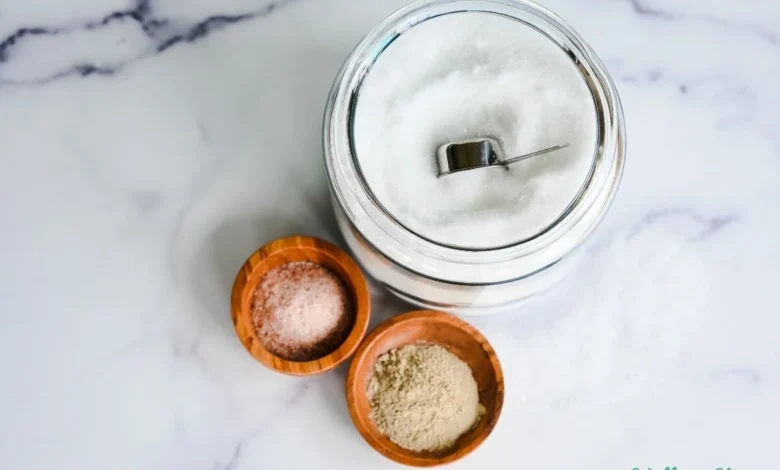
The practice of therapeutic bathing, historically known as balneotherapy, has transitioned from ancient communal rituals to a sophisticated component of modern home-based wellness regimens designed to assist the body’s natural detoxification pathways. In an era characterized by increasing environmental stressors and a heightened awareness of holistic health, the use of "detox baths" has emerged as a scientifically-backed, cost-effective method for managing toxin overwhelm and promoting systemic relaxation. While the human body possesses an innate ability to process and eliminate waste through the liver, kidneys, and lymphatic system, the skin—the body’s largest organ—serves as a critical secondary channel for the expulsion of impurities. By utilizing specific additives such as Epsom salts, bentonite clay, and botanical extracts, individuals can facilitate an osmotic exchange that encourages the release of metabolic waste while simultaneously replenishing essential minerals.
The Biological Mechanism of Transdermal Detoxification
Detoxification is a continuous physiological process. Under normal conditions, the body filters out environmental pollutants, heavy metals, and metabolic byproducts. However, modern lifestyle factors, including processed diets and exposure to synthetic chemicals, can tax these biological systems. The concept of a detox bath relies on the principle of osmosis and the stimulation of the circulatory system. When the body is submerged in warm water, vasodilation occurs, increasing blood flow to the surface of the skin. This process not only aids in the relaxation of muscle tissue but also prepares the pores for the absorption of beneficial minerals and the excretion of toxins.
Supporting data suggests that magnesium deficiency is a widespread concern in developed nations, contributing to sleep disturbances, muscle tension, and anxiety. The use of magnesium sulfate, commonly known as Epsom salt, in a bath setting allows for potential transdermal absorption. This helps to bypass the digestive system, which can sometimes struggle with the bioavailability of oral magnesium supplements. Furthermore, the heat of the water induces perspiration, a primary method for the body to regulate temperature and expel water-soluble toxins.
A Chronology of Therapeutic Bathing Practices
The utilization of mineral-rich waters for health benefits is not a new phenomenon. The chronology of this practice spans millennia:
- Ancient Civilizations (3000 BCE – 500 CE): The Romans and Greeks established elaborate bathhouses, recognizing the link between hygiene, mineral immersion, and public health. In India, Ayurvedic traditions incorporated mustard seeds and ginger into baths to stimulate "Agni" (digestive fire) and improve circulation.
- The Victorian Spa Era (1800s): The discovery of Epsom salts in 1618 led to a resurgence of mineral bathing in Europe. By the 19th century, "taking the waters" became a standard medical recommendation for various ailments, from gout to respiratory issues.
- Modern Holistic Integration (2000s – Present): As the wellness industry expanded into a multi-trillion-dollar global market, traditional bathing rituals were re-evaluated through the lens of modern toxicology. The focus shifted toward neutralizing the effects of "modern life," including heavy metal exposure and chronic stress.
Diversified Formulations for Targeted Health Outcomes
Current wellness protocols categorize detox baths based on their specific chemical and biological interactions. Each formulation serves a distinct purpose, ranging from pH balancing to heavy metal chelation.
Magnesium-Based Salt Baths
The foundational detox bath utilizes magnesium sulfate. This formulation is primarily aimed at soothing skin irritations, reducing systemic inflammation, and supporting the nervous system. By increasing the concentration of salt in the water, an osmotic gradient is created, which may help pull excess fluid and toxins from the tissues.
Clay-Based Chelation Therapy
Bentonite clay is frequently employed for its high cation exchange capacity. When hydrated, the clay carries a negative electrical charge, which allows it to attract and bind to positively charged toxins and heavy metals, such as mercury and lead. This "adsorption" process makes clay baths a powerful tool for those concerned with environmental toxicity. Experts recommend the use of drain filters during these sessions to prevent the accumulation of sediment in residential plumbing systems.
Oxygenation and Thermogenic Protocols
The addition of hydrogen peroxide and ginger to a bath creates an "oxygen bath." This method is specifically utilized during periods of illness or seasonal allergies. Ginger acts as a rubefacient, stimulating blood flow and increasing body temperature, which can help "break" a fever or clear pulmonary congestion. Hydrogen peroxide serves as an oxidative agent that may help neutralize certain pathogens on the skin’s surface.
Acid Mantle and pH Balancing
Vinegar baths, typically using raw apple cider vinegar, are recommended for dermatological health. The skin’s natural barrier, the acid mantle, thrives at a slightly acidic pH. Modern soaps and environmental factors often disrupt this balance, leading to conditions like eczema, dandruff, or dry skin. A diluted vinegar soak can restore the skin’s pH, promote the growth of healthy microflora, and soften the hair cuticle.
Scientific Analysis of Additive Efficacy
The efficacy of these ingredients is rooted in their chemical properties. For instance, mustard powder, a staple in traditional "mustard baths," contains allyl isothiocyanate, a compound known for its ability to stimulate blood flow and create a warming sensation on the skin. This thermogenic effect is particularly beneficial for athletes or individuals suffering from chronic muscle stiffness.
Similarly, the inclusion of essential oils—such as lavender for relaxation or eucalyptus for respiratory support—introduces the benefits of aromatherapy and lipid-soluble plant compounds. However, medical professionals emphasize the necessity of "carrier" substances (like salts or oils) to ensure essential oils are properly dispersed in water, preventing direct skin contact which can lead to chemical burns or sensitization.
Official Medical Perspectives and Safety Guidelines
While detox baths are generally considered safe for the general population, medical authorities, including Madiha Saeed, MD, a board-certified family physician, advise caution. The primary risks associated with detox baths include dehydration and orthostatic hypotension (dizziness upon standing) due to prolonged heat exposure.
Official safety recommendations include:
- Consultation: Individuals with pre-existing conditions such as hypertension, heart disease, or diabetes, as well as pregnant or nursing women, must consult a healthcare professional before beginning a detox regimen.
- Hydration: It is imperative to consume adequate water before and after the bath to compensate for fluid loss through perspiration.
- Temperature Control: Water should be comfortably warm but not scalding. Excessive heat can cause skin damage and cardiovascular strain.
- Duration: Initial sessions should be limited to 15–20 minutes, allowing the body to acclimate to the detox process.
Broader Impact and Environmental Considerations
The rise of at-home detoxification reflects a broader shift in consumer behavior toward preventative healthcare. As individuals take more agency over their well-being, the demand for natural, non-pharmacological interventions has surged. This trend also highlights the importance of water quality. Public water systems often contain chlorine, fluoride, and trace heavy metals, which can be absorbed during a long soak. Consequently, the use of high-quality bathtub filters has become a secondary market within the detox bath industry, ensuring that the "cleansing" process does not inadvertently introduce new contaminants.
Furthermore, the environmental impact of these practices is under scrutiny. The disposal of clay and large quantities of salts into municipal wastewater systems requires responsible management. Consumers are increasingly encouraged to use biodegradable and organic ingredients to minimize the ecological footprint of their wellness routines.
Implications for the Future of Wellness
The integration of detox baths into standard self-care routines signifies a return to elemental health practices. As research continues to explore the "gut-brain-skin" axis, the role of external treatments in internal health will likely become more defined. The data suggests that while a bath alone cannot replace the complex functions of the liver and kidneys, it serves as a valuable adjunctive therapy for stress reduction and metabolic support.
In conclusion, the modern detox bath is more than a luxury; it is a strategic intervention designed to mitigate the stressors of contemporary life. By combining historical wisdom with an understanding of biochemistry, individuals can utilize these simple, pantry-based ingredients to foster resilience and maintain physiological equilibrium. As the wellness landscape evolves, the detox bath remains a testament to the enduring efficacy of nature-based healing.
Related posts: