Beyond the Birthday: How Parental Response and Adolescent Readiness Shape Piercing Decisions

When a child broaches the subject of body piercing, the immediate parental reaction often sets the tone for a pivotal discussion. Before evaluating the request itself, it is crucial for parents to consider their initial response, recognizing that the goal extends beyond merely approving or denying a piercing. Instead, the interaction presents a profound opportunity to cultivate a capable young person adept at making increasingly thoughtful decisions, while simultaneously preserving an open line of communication during these formative years. The essence lies in fostering an environment where adolescents feel heard and understood, even when faced with a potentially challenging request.
The Nuance of Readiness: Beyond Chronological Age
The concept of "readiness" for a body piercing is considerably more complex than a simple age benchmark. A teenager’s maturity level, their demonstrated capacity for responsibility, and their understanding of the associated risks and long-term commitments are far more indicative than their chronological age. For instance, a 13-year-old with a consistent track record of excellent hygiene and adherence to routines may exhibit greater readiness for a simple earlobe piercing than a 16-year-old who frequently requires reminders for basic self-care. This distinction underscores that two adolescents of the same age can be at vastly different stages of personal development and responsibility.
The American Academy of Pediatrics (AAP) broadly reflects this focus on individual readiness, particularly concerning ear piercing. Rather than dictating a universal age, the AAP emphasizes whether a child possesses the maturity to independently care for the piercing site, manage potential complications, and understand the implications of the decision. Age, while a component, is not the entirety of the picture. Factors such as a teen’s ability to follow complex aftercare instructions, recognize signs of infection, and commit to the necessary hygiene protocols are paramount.
Understanding Different Piercing Risks: A Categorical Approach
The type of piercing requested significantly impacts the associated risk level and the complexity of aftercare. Generally, standard earlobe piercings are considered to have simpler aftercare requirements and lower complication rates compared to piercings in cartilage, the face, or the hands. However, the term "safer" is relative; no piercing is entirely risk-free, and infection remains a possibility with any break in the skin barrier.
-
Earlobe Piercings: These are often the first foray into body modification for many adolescents. The tissue in the earlobe is soft, has good blood supply, and tends to heal relatively quickly. Common complications include localized infection, allergic reactions to jewelry metals (especially nickel), and keloid scarring in predisposed individuals. Aftercare typically involves regular cleaning with saline solution and avoiding trauma to the site.
-
Cartilage Piercings (e.g., Helix, Tragus, Rook): Piercings through cartilage, such as those in the upper ear, present a higher risk profile. Cartilage has a more limited blood supply than soft tissue, making it more susceptible to prolonged healing times and more severe infections, including perichondritis, an infection of the cartilage itself that can lead to permanent deformity. These piercings also require more diligent and often longer-term aftercare.
-
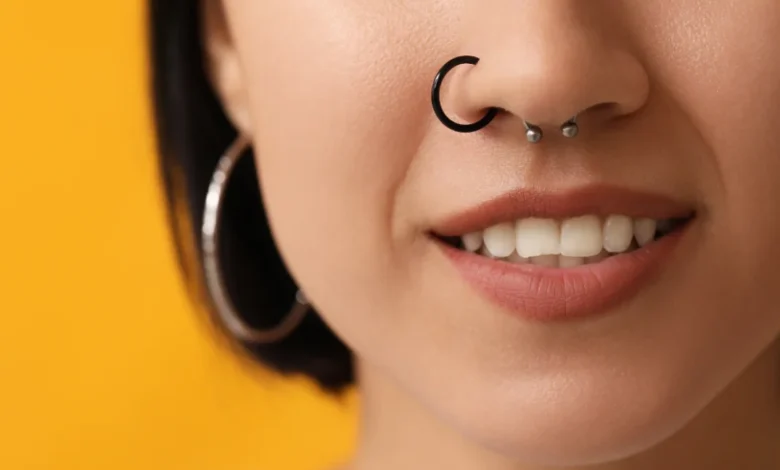
Facial Piercings (e.g., Nose, Eyebrow, Lip): These piercings carry risks beyond infection, including potential nerve damage, scarring, and complications related to oral hygiene for lip or tongue piercings. Oral piercings can damage teeth and gums, while nasal piercings can be prone to specific types of scarring, like hypertrophic scars. The visibility of facial piercings also introduces social and professional implications that teens need to consider.
-
Dermal Piercings: These are distinct from traditional piercings as they involve anchoring jewelry under the skin, creating a single point of entry rather than passing through an exit hole. Because dermal piercings often sit in areas prone to being bumped or handled frequently (e.g., hands, chest, neck), they carry a substantially higher risk of migration (the body pushing the jewelry out), rejection, significant scarring, and tissue damage. The aftercare for dermal piercings is also more specialized and demanding, and their removal often requires professional intervention.
-
Genital Piercings: While less common among younger adolescents, these carry the highest risk of serious complications, including severe infections, nerve damage, scarring, and potential interference with sexual function. Discussion of these types of piercings with a minor would require an entirely different level of parental and medical guidance, often involving legal age restrictions.
The American Academy of Pediatrics Perspective: Fostering Autonomy with Oversight
The AAP’s guidance on body modifications for minors, including piercings, generally advocates for an approach that balances adolescent autonomy with parental oversight and health considerations. Their emphasis on "maturity to care for the site" is not merely a suggestion but a critical health imperative. They recognize that while body modification can be a form of self-expression and identity exploration for teenagers, it also carries inherent medical risks.
Pediatricians often advise parents to engage in open, non-judgmental dialogue, focusing on educating the teen about proper hygiene, potential complications, the importance of choosing a reputable piercer, and the long-term implications of the decision. This approach aligns with the broader goal of fostering responsible decision-making skills in adolescents, empowering them to weigh pros and cons, understand consequences, and advocate for their own health. The AAP would likely stress the importance of professional execution, sterile equipment, and hypoallergenic jewelry to minimize risks.
Fostering Responsible Decision-Making: A Parental Guide
The interaction surrounding a piercing request is a microcosm of the larger parenting journey: guiding a young person towards independence and responsible choices. The goal is not to "win an argument" but to nurture a capable individual who can make increasingly thoughtful decisions and who, crucially, still feels comfortable talking to their parents while learning to navigate these choices.
- Listen Actively and Validate Feelings: When a teen first expresses interest, avoid an immediate "no" or a dismissive reaction. Instead, listen to their reasons, acknowledge their desire for self-expression, and validate their feelings. "I hear you’re really interested in getting a nose piercing, and I understand why you might feel that way."
- Educate, Don’t Dictate: Shift from a position of authority to one of shared inquiry. Research together the specific type of piercing, its risks, aftercare, and local regulations. Discuss the potential pain, healing time, and the financial cost involved.
- Assess Readiness Holistically: Engage in a candid conversation about their hygiene habits, their understanding of commitment, and their ability to follow instructions. Ask probing questions: "What do you know about how to keep a piercing clean?" "How will you remember to do the aftercare every day?" "What would you do if it got infected?"
- Establish Clear Expectations and Boundaries: If a piercing is agreed upon, discuss non-negotiable conditions, such as choosing a licensed and reputable piercer, using sterile equipment, and agreeing on specific jewelry materials. Define what constitutes a "reputable" piercer (e.g., one who uses single-use needles, proper sterilization, and requires parental consent for minors).
- Consider a Phased Approach: For more complex piercings, parents might suggest starting with a simpler option, like a standard earlobe piercing, as a "trial run" to assess the teen’s responsibility level before moving to something more involved.
Cultural Context and Adolescent Identity
Body modification, including piercing, has a rich and varied cultural history, spanning millennia across diverse societies. From ancient tribal rituals signifying rites of passage and social status to contemporary fashion statements, piercings have served as powerful tools for self-expression, group affiliation, and aesthetic adornment. In modern Western societies, particularly among adolescents, piercings often represent a quest for individual identity, a means of differentiating oneself from parents or peers, or a way to align with specific subcultures.
During adolescence, identity formation is a central developmental task. Teenagers are actively exploring who they are, what they value, and how they want to present themselves to the world. Body modifications can be a tangible manifestation of this internal exploration. Understanding this psychological drive can help parents contextualize the request not merely as a superficial desire but as part of a deeper developmental process. While some parental concerns may revolve around future employment prospects or societal judgments, a balanced approach acknowledges the teen’s need for autonomy and self-definition.
Navigating the Practicalities: Safety and Aftercare
Ensuring safety is paramount. When considering a piercing, the choice of piercer is critical. Parents and teens should look for licensed establishments that adhere to strict health and safety regulations. Key indicators of a reputable piercer include:
- Sterilization Practices: Use of an autoclave for all reusable equipment and single-use, sterile needles.
- Hygiene: Clean facilities, piercers wearing gloves, and practicing good hand hygiene.
- Knowledge and Experience: Piercers who can articulate the risks, aftercare instructions, and potential complications specific to the desired piercing.
- Age and Consent Policies: Adherence to local laws regarding age restrictions and parental consent for minors.
Aftercare is equally vital. Proper cleaning with saline solution, avoiding touching the piercing with unwashed hands, refraining from rotating the jewelry unnecessarily, and protecting the site from trauma are essential to prevent infection and promote healing. Parents must reinforce the seriousness of aftercare, as neglect can lead to prolonged healing, severe infections, or the need for professional medical intervention.
Legal and Ethical Considerations
The legal landscape surrounding body piercing for minors varies significantly by jurisdiction. Many states and countries have laws dictating the minimum age for different types of piercings and whether parental consent is required. For instance, some regions permit earlobe piercings for minors without parental consent but require consent for any other body piercing. Understanding these local laws is a non-negotiable first step. Ethically, piercers have a responsibility to prioritize client safety and well-being, especially when dealing with minors. This includes ensuring informed consent (from both the minor and parent, where applicable) and refusing to perform piercings deemed unsafe or inappropriate.
The Broader Implications for Parent-Child Dynamics
The way parents handle a piercing request can have far-reaching implications for their relationship with their child. A rigid "no" without explanation can foster resentment, secrecy, and a breakdown in communication, potentially leading the teen to seek the piercing through less safe, unregulated means. Conversely, a thoughtful, collaborative approach can strengthen trust, demonstrate respect for the teen’s autonomy, and teach valuable life skills in decision-making, research, and self-advocacy.
By approaching the discussion with an emphasis on education, shared responsibility, and open dialogue, parents can transform a potentially contentious issue into a constructive learning experience. This process reinforces that while parents may not always agree with every choice their children make, they remain a trusted resource and a partner in navigating the complexities of growing up. Ultimately, the objective is to guide young people towards becoming capable adults who can make increasingly thoughtful, informed decisions about their bodies and their lives, secure in the knowledge that their parents are there to support and advise them through the journey.