Cultivating Character: The Imperative Role of Sportsmanship in Youth Athletics

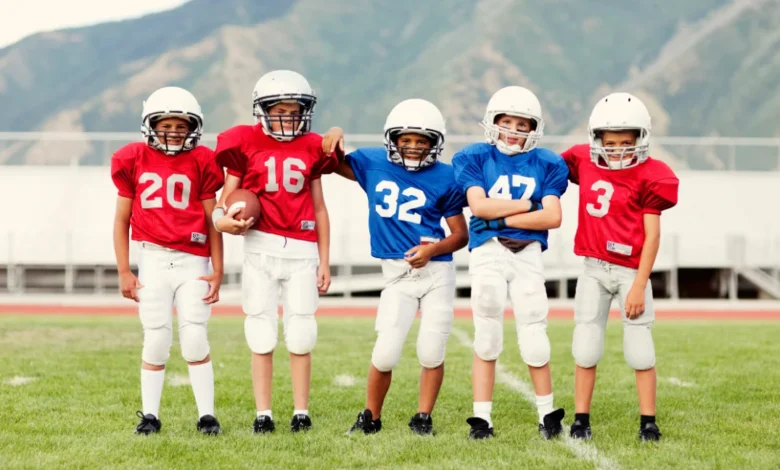
The landscape of youth sports has evolved dramatically, transforming from simple recreational activities into highly structured, often intense competitive environments. In this dynamic arena, the true measure of success extends far beyond the scoreboard; it resides in the character forged within young athletes. Sportsmanship, often misconstrued as a mere post-game handshake, is a multifaceted construct encompassing emotional regulation, accountability, and profound respect for teammates, coaches, and opponents alike. This vital developmental process is anchored firmly in the principles of positive youth sports parenting, shaping resilient individuals who carry these virtues far beyond the playing field.
The Unseen Scoreboard: Character in Youth Sports
Youth sports participation is a global phenomenon, engaging millions of children annually. In the United States alone, the Aspen Institute’s Project Play reports that approximately 60 million youth participate in organized sports each year. This widespread engagement presents an unparalleled opportunity for holistic child development, fostering physical health, social skills, and psychological fortitude. However, alongside the immense potential, there has been a noticeable increase in pressure, specialization, and an outcome-over-process mentality that often overshadows the foundational benefits of sport. This shift has led to concerning trends, including high dropout rates, athlete burnout, and a decline in positive sportsmanship. Research from the National Alliance for Youth Sports (NAYS) indicates that roughly 70% of children drop out of organized sports by age 13, with a significant portion citing a lack of fun and excessive pressure as primary reasons.
Parents, as primary influencers, play a pivotal role in navigating this complex environment. Their approach to youth sports parenting dictates not only their child’s immediate experience but also the long-term development of their character. Focusing on fostering a respectful athlete rather than solely chasing athletic accolades builds a robust skill set that translates into academic success, positive social interactions, and professional resilience. The following strategies offer a comprehensive framework for parents committed to raising children who compete with courage, lead with empathy, and embody resilience in every facet of their lives.
The Foundation of Fair Play: Defining Sportsmanship in Modern Youth Athletics
At its core, sportsmanship is the ethical and honorable conduct of participants in a sporting event. It is a commitment to fair play, integrity, and respect. For young athletes, this translates into several key behaviors: acknowledging good plays by opponents, accepting official decisions without complaint, showing empathy towards teammates, and managing personal emotions regardless of the game’s outcome. The ability to regulate emotions, particularly during moments of high stress or disappointment, is a cornerstone of good sportsmanship. It teaches children to process defeat constructively, celebrate victory humbly, and interact positively within a competitive framework. Accountability, another critical component, involves taking responsibility for one’s actions, both on and off the field, rather than deflecting blame. These attributes are not innate but are cultivated through consistent guidance and modeling, beginning with a strong parental example.
Shifting Paradigms: From Trophies to Transformative Growth
The natural inclination for parents and children alike is to celebrate victories – the goals scored, the home runs hit, the championships won. While acknowledging achievement is important, an exclusive focus on winning can inadvertently undermine the very qualities that build lasting confidence and character. A more impactful approach emphasizes a "growth mindset," a concept popularized by psychologist Carol Dweck, where intelligence and abilities are seen as malleable and capable of development through effort and dedication, rather than fixed traits.
Instead of solely praising outcomes, parents should prioritize recognizing effort, perseverance, and teamwork. Phrases such as, "I noticed how you kept hustling even when the team was behind," or "You stayed calm under pressure today," redirect a child’s focus from external validation to internal motivation. This emphasis on the process – the hard work, the learning, the improvement – fosters intrinsic motivation, making sports participation more enjoyable and sustainable. Data from the National Council of Youth Sports underscores that children who participate in sports for intrinsic reasons (enjoyment, skill development) are more likely to continue playing into adolescence and adulthood. Wins and losses are transient, but a growth-oriented perspective builds a young athlete’s character, equips them with problem-solving skills, and enhances their psychological well-being over time.
Cultivating Collective Success: The Family as a Teamwork Blueprint
Teamwork is not confined to the athletic field; it is a fundamental life skill that begins and is reinforced within the family unit. Parents can actively cultivate this value by encouraging their child to support teammates, offer assistance during practice, and acknowledge the diverse strengths of others. Extending this ethos, parents themselves should model gratitude and respect for all individuals who contribute to the sports experience – coaches, referees, and volunteers. Applauding excellent plays, regardless of which child made them or which team they represent, sets a powerful example of unbiased sportsmanship.
Research in social-emotional learning (SEL) consistently demonstrates that team sports provide an invaluable platform for developing crucial interpersonal skills, including collaboration, communication, and conflict resolution. When parents emphasize that the team’s collective success holds equal, if not greater, importance than individual accolades, they instill a sense of shared responsibility and collective identity. This perspective helps counteract the individualism often promoted in highly competitive environments, teaching children the profound value of contributing to a larger group objective.
Home Field Advantage: Practicing Resilience and Emotional Intelligence
Character development is an ongoing process that extends far beyond scheduled practices and games. The home environment offers a rich training ground for developing resilience and emotional intelligence. Simple family activities, such as board games, friendly family competitions, or even shared video game sessions, can become powerful lessons in handling both victory and defeat gracefully. These low-stakes scenarios provide opportunities to practice losing with dignity and winning with humility.
Parents can actively guide their children through the emotions associated with losing, helping them articulate disappointment without resorting to blame or anger. This practice in expressing feelings constructively is paramount for developing emotional regulation skills, which are critical when the pressure intensifies in competitive sports. By simulating these experiences at home, parents provide a safe space for children to experiment with coping mechanisms and learn to manage their emotional responses, thereby enhancing their ability to perform under pressure and maintain sportsmanship. Psychologists highlight that observational learning, where children learn by watching and imitating their parents, is particularly effective in transmitting these behavioral patterns.
Empowering Young Voices: The Art of Self-Advocacy
When a child faces frustration regarding playing time, a coach’s decision, or a perceived injustice, the parental instinct is often to intervene and resolve the issue directly. However, resisting this urge presents a crucial opportunity for character development. Instead, parents should empower their children to self-advocate, teaching them how to articulate their concerns respectfully and engage in constructive problem-solving.
This process might involve role-playing difficult conversations, helping the child structure their thoughts, or even assisting them in writing down their points to discuss with a coach. These seemingly small moments build foundational communication skills that are invaluable throughout life, extending to academic, social, and future professional contexts. A resilient athlete is not one who avoids conflict, but one who knows how to navigate it with confidence, respect, and a proactive mindset. It also teaches children to respect professional boundaries and understand that coaches are authority figures whose decisions, while open to respectful discussion, are generally final.
Beyond the Blame: Fostering Accountability and Self-Reflection
In the unpredictable world of sports, bad calls, tough losses, and unforeseen challenges are inevitable. It is during these moments that a child’s character is truly tested. When a child attributes negative outcomes to external factors – the referee, the weather, a teammate’s mistake – parents have a critical opportunity to redirect their focus. Gently shifting the conversation back to what the child can control – their effort, their attitude, and their sportsmanship – fosters a strong sense of personal accountability.
Asking questions such as, "What do you think you could do differently next time?" encourages self-reflection and ownership. This simple inquiry is a powerful character-building tool, promoting an internal locus of control where individuals believe they can influence outcomes through their own actions, rather than being at the mercy of external forces. This psychological principle is fundamental to developing resilience, as it teaches children to learn from setbacks, adapt their strategies, and grow from challenging experiences. By embracing accountability, young athletes develop a robust sense of personal agency that serves them well beyond the playing field.
The Post-Game Playbook: Parental Presence as an Emotional Anchor
The moments immediately following a game are often the most crucial for shaping a young athlete’s experience and perspective. The infamous "car ride home" can either be a source of comfort and debriefing or a pressure cooker of performance critique. Parents’ reactions, regardless of the score, profoundly impact their child’s emotional processing. Maintaining a calm, positive, and supportive demeanor is paramount. Unless the child initiates a discussion about their performance, parents should refrain from offering critiques or analyses.

Instead, simple, affirming statements like, "I loved watching you play today," or "You gave it your all out there," provide unconditional support and reinforce the joy of participation. If the child chooses to discuss mistakes or frustrations, parents should listen with empathy, asking open-ended questions that encourage reflection rather than leading to judgment. This calm, steady presence creates a psychologically safe environment, allowing the young athlete to honestly process both triumphs and disappointments, fostering emotional health and a sustained love for the sport. Studies have shown a direct correlation between parental pressure after games and increased anxiety and dropout rates in youth sports.
Respecting Roles: The Clear Boundaries of Coaching and Parenting
The desire to see one’s child succeed can sometimes lead parents to shout instructions from the sidelines. While well-intentioned, this behavior often distracts children, undermines the coach’s authority, and adds unnecessary pressure. A critical aspect of positive youth sports parenting is modeling respectful sideline behavior. Parents should cheer with enthusiasm, focusing on positive encouragement rather than offering tactical critiques or challenging official decisions.
Coaches are entrusted with the responsibility of instruction, strategy, and player development. Conflicting instructions from parents can confuse young athletes, hindering their ability to learn and execute plays. Moreover, sideline interference can create an antagonistic environment, damaging the coach-athlete-parent relationship and detracting from the overall positive experience of youth sports. Organizations like the Positive Coaching Alliance strongly advocate for parents to be "Second-Goal Parents," supporting the coach and letting them lead the on-field instruction, thereby reinforcing respect for authority and teamwork.
Modeling Mastery: Parents as Exemplars of Emotional Regulation
Children are keen observers, and their parents’ reactions to challenges, setbacks, and frustrations are powerful lessons in emotional regulation. When parents lose their composure after a controversial call, a tough loss, or a perceived injustice, their children observe and often internalize these reactions. If such an incident occurs, parents have a valuable opportunity to model accountability and emotional maturity.
Taking responsibility for one’s emotional missteps is a profound teaching moment. Saying, "I got frustrated, and I didn’t handle that well. Here’s what I should have done," demonstrates transparency and teaches children that even adults make mistakes and can learn from them. This "meta-emotional" discussion – talking about one’s own emotions and how they were managed – is a masterclass in emotional intelligence. It shows children that emotional control is a learned skill, not an inherent trait, and reinforces the resilient mindset parents wish to cultivate in their children.
Learning from Legends: Teachable Moments in Sports Media
Beyond the live action, sports movies, documentaries, televised games, and even athlete interviews offer a rich resource for character-building conversations. These media present opportunities for low-stakes discussions about values like empathy, accountability, and sportsmanship without feeling like a lecture.
Parents can pause the action and ask insightful questions: "What do you think that player did well, even when facing adversity?" or "How do you think their teammate felt in that moment, and how did they support each other?" Such inquiries encourage critical thinking, foster empathy, and help children identify positive role models. Discussing how professional athletes handle pressure, setbacks, and success, or how they demonstrate teamwork and respect, provides concrete examples that resonate with young minds, making abstract concepts of sportsmanship tangible and inspiring.
The Joy Factor: Prioritizing Fun for Sustainable Engagement
One of the most concerning trends in youth sports is the high dropout rate, frequently attributed to excessive pressure and a lack of enjoyment. When the fun is overshadowed by the relentless pursuit of victory, children’s enthusiasm wanes, leading to disengagement and burnout. Parents must vigilantly monitor their child’s emotional engagement with their sport. Are they excited for practice? Do they smile while playing? A decline in enthusiasm often signals that the balance between challenge and enjoyment has been lost.
Making fun the overarching priority is not merely about trivializing competition; it is about fostering intrinsic motivation, which is the cornerstone of long-term participation and success. Research consistently shows that children who find joy in sports are more likely to continue playing, develop lifelong healthy habits, and achieve higher levels of skill and performance in the long run. Over-specialization at an early age, often driven by the desire for elite performance, can paradoxically lead to injury and burnout. Encouraging multi-sport participation and ensuring that the child’s experience remains positive and engaging is crucial for sustainable athletic development and overall well-being.
Strategic Retreat: Understanding When to Step Back
Even the most dedicated and supportive parents can sometimes inadvertently overstep boundaries or fail to recognize signs of distress in their child. If a child expresses consistent frustration, anxiety, or a desire to quit a sport, these signals should be taken seriously. While resilience is important, it is equally vital to distinguish between a temporary challenge and genuine unhappiness or burnout.
Sometimes, the most powerful act of positive parenting is to pause, reassess goals collaboratively with the child, and genuinely explore what they truly want. Resilience in youth sports does not equate to never quitting; rather, it involves the wisdom to know when to pivot, to make a conscious decision to move in a different direction with confidence and self-awareness. This process teaches children valuable lessons about self-care, setting boundaries, and prioritizing their mental and emotional well-being, which are critical life skills that extend far beyond any athletic pursuit. Allowing a child to make an informed decision to leave a sport, after careful consideration, can be a profound act of empowerment.
Conclusion: A Legacy Beyond the Game – Shaping Great Humans
Raising a respectful and resilient athlete demands more than occasional pep talks; it requires consistent patience, deliberate modeling, and a long-term perspective on what truly matters. By consciously shifting the focus from ephemeral outcomes to enduring character, and from intense competition to holistic development, parents are not merely cultivating skilled players; they are shaping well-rounded, empathetic, and resilient human beings. The scores on the scoreboard will eventually fade from memory, but the values, life lessons, and strength of character instilled through positive youth sports parenting will endure, serving as a lasting legacy that impacts every area of a child’s life. These are the true victories that resonate far beyond any athletic arena.
Frequently Asked Questions: Guiding Principles for Sports Parents
Q: How do you raise a child who is a good sport?
A: Raising a good sport begins with consistent parental modeling of respectful behavior. Praise effort and improvement over outcomes, actively encourage empathy for both teammates and opponents, and help your child process both victories and losses with calm reflection and curiosity. Create opportunities at home for practicing emotional regulation in competitive situations. Consistency in these practices forms the bedrock of good sportsmanship on the field.
Q: What should I say to my child after they lose a game?
A: Keep your post-game comments simple, positive, and supportive. Focus on their effort and your enjoyment of watching them play, using phrases like, "I’m proud of how hard you worked today," or "I loved watching you play." Allow your child to initiate any discussion about their performance or mistakes. Avoid offering unsolicited critiques, as this can inadvertently add pressure and diminish their intrinsic enjoyment of the sport.
Q: Is it okay for my child to quit a sport?
A: The decision to quit a sport should be carefully considered based on the specific circumstances. If a child is experiencing a temporary frustration, encourage them to persevere through the challenge, as this builds resilience. However, if the sport consistently causes significant stress, anxiety, or no longer brings joy, it is crucial to reevaluate. Sometimes, knowing when to pivot and explore other interests is a vital lesson in self-awareness and prioritizing overall well-being, which is an important aspect of raising a resilient individual.
Q: How Should Parents Handle Bad Calls in Youth Sports?
A: When your child or you encounter a bad call, acknowledge the frustration respectfully, but then immediately redirect the focus. You might say, "That was a tough call, but I’m proud of how you handled it and kept playing." It’s essential for parents to model emotional regulation and avoid confronting officials or engaging in sideline arguments. Teaching your child to manage their emotions and maintain composure in challenging moments, even when facing perceived unfairness, is one of the most enduring gifts of positive youth sports parenting.
Related posts: