Navigating Adolescent Body Piercing: A Comprehensive Guide for Parents and Caregivers

When an adolescent expresses a desire for a body piercing, the immediate parental reaction can often set the tone for a crucial dialogue. Before delving into the merits or demerits of the request itself, it is paramount to consider the initial response in the moment the child broaches the subject. This instantaneous reaction significantly influences the subsequent trajectory of the conversation, potentially fostering open communication or, conversely, shutting it down. The ultimate objective is not merely to win an argument concerning a piercing but rather to cultivate a capable young individual adept at making increasingly thoughtful decisions, while simultaneously ensuring they feel comfortable continuing to engage in dialogue with their caregivers as they navigate their developmental journey.
The Nuance of Readiness: Beyond Chronological Age
A common misconception among both parents and adolescents is the notion of a universal "right age" for body piercing. However, expert consensus, including broad guidance from organizations like the American Academy of Pediatrics (AAP), emphasizes that readiness is a far more critical determinant than chronological age alone. The AAP’s recommendations regarding ear piercing, for instance, pivot on a child’s demonstrated maturity and capacity to care for the piercing site, rather than prescribing a specific birthday as the threshold.
This perspective acknowledges that an adolescent’s developmental stage is highly individualized. A 13-year-old with a robust track record of personal hygiene and responsibility may exhibit greater readiness for a simple earlobe piercing than a 16-year-old who frequently requires reminders for basic self-care. Furthermore, different types of piercings inherently demand varying levels of responsibility and aftercare, meaning a teen might be adequately prepared for one form of piercing but not another. Two adolescents of the same age can indeed be at markedly divergent levels of maturity, making blanket age restrictions less effective than individualized assessments. Age is undoubtedly a component in the broader picture, but it rarely constitutes the entirety of it.
Understanding the Medical Risks: A Detailed Perspective
While body piercing has become a widely accepted form of self-expression, it is not without inherent medical risks. These risks vary significantly based on the type, location, and aftercare of the piercing. General infection remains a possibility with any break in the skin barrier, but certain piercings carry elevated risks due to anatomical considerations, healing times, and potential for trauma.
Earlobe Piercings: Standard earlobe piercings are generally considered to have simpler aftercare protocols and lower complication rates compared to other body modifications. The fleshy tissue of the earlobe typically heals relatively quickly, often within 6-8 weeks, and is less prone to significant structural damage. However, "safer" does not equate to "risk-free." Infections can still occur if proper hygiene is not maintained or if sterile techniques are not employed by the piercer. Other potential complications include allergic reactions to jewelry materials (particularly nickel), keloid scarring (raised scars), and embedding of jewelry if not sized correctly.
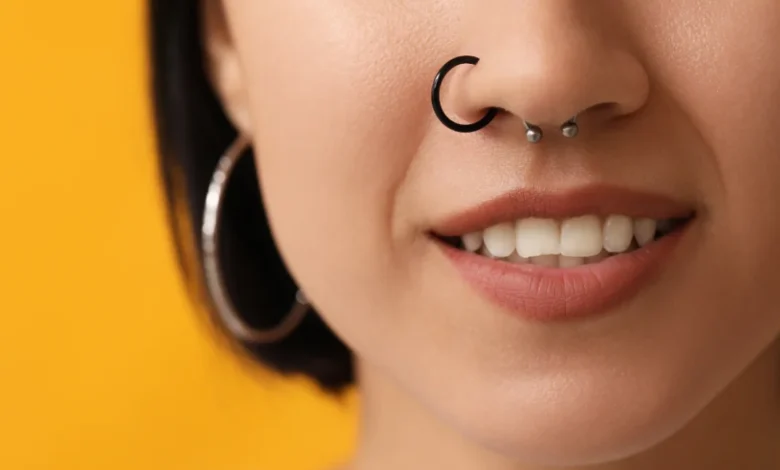
Cartilage Piercings: Piercings in cartilage, such as those in the upper ear (helix, tragus, conch), nose, or septum, present a higher risk profile. Cartilage has a limited blood supply compared to fleshy tissue, making it more susceptible to infection and significantly extending healing times, often ranging from 6 months to a year or even longer. Cartilage infections can be particularly severe, potentially leading to permanent deformity (e.g., cauliflower ear), abscess formation, or even systemic infection if left untreated. Specific risks also include perichondritis, an infection of the cartilage itself.
Facial and Oral Piercings: Piercings in areas like the eyebrow, lip, tongue, or cheek carry distinct risks. Oral piercings, in particular, introduce the complex environment of the mouth, which harbors numerous bacteria. Potential complications include:
- Dental Damage: Chipped or cracked teeth, gum recession, and interference with dental work.
- Speech Impairment: Temporary or permanent changes in speech patterns.
- Nerve Damage: Though rare, piercing near nerves can lead to numbness or paralysis.
- Swelling and Airway Obstruction: Especially with tongue piercings, initial swelling can be severe enough to compromise breathing.
- Transmission of Bloodborne Pathogens: If unsterile equipment is used, there is a risk of transmitting Hepatitis B, Hepatitis C, and HIV.
Dermal Piercings: Considered among the highest risk category are dermal piercings, also known as microdermals or surface anchors. These piercings involve implanting jewelry partially beneath the skin’s surface, often in areas like the décolletage, hands, or face. Because dermal piercings sit under the skin in locations frequently subjected to bumping, snagging, or handling, they carry a significantly elevated risk of migration (jewelry shifting position), rejection (the body expelling the jewelry), chronic irritation, scarring, and localized tissue damage. Their intricate placement and healing process demand exceptional aftercare and pose a greater challenge for long-term retention compared to traditional piercings.
The Critical Role of Reputable Piercing Establishments
Given the array of potential medical complications, the selection of a professional and reputable piercing studio is paramount. The Association of Professional Piercers (APP) provides stringent standards for safety, hygiene, and ethical practice within the industry. A professional piercer adhering to these standards will:
- Operate in a Clean and Sterilized Environment: This includes single-use needles, medical-grade sterilization equipment (autoclaves) for reusable tools, and proper disposal of biohazardous waste.
- Possess Relevant Licensing and Certifications: Many jurisdictions require piercers to be licensed and to undergo training in bloodborne pathogen prevention.
- Use High-Quality, Biocompatible Jewelry: Materials such as implant-grade surgical stainless steel, titanium, niobium, or 14k/18k gold minimize the risk of allergic reactions and promote healing. Low-quality jewelry, often found in mall kiosks that use piercing guns, can contain high levels of nickel and cause significant irritation.
- Provide Comprehensive Aftercare Instructions: Clear, detailed guidance on cleaning, avoiding irritation, and recognizing signs of complications is essential.
- Refuse to Pierce Minors Without Proper Consent: Reputable establishments strictly adhere to local laws regarding parental consent, which often require a parent or legal guardian to be present and provide identification for minors seeking piercings.
The use of piercing guns, particularly for cartilage, is widely discouraged by medical professionals and professional piercers. Piercing guns are difficult to sterilize adequately, cause blunt force trauma to the tissue (which can lead to increased pain, swelling, and scarring), and often use inappropriate jewelry designs (e.g., butterfly backs that trap bacteria).
Navigating the Parental Dialogue: Fostering Autonomy and Responsibility
When an adolescent requests a piercing, the initial parental response sets the stage. Instead of an immediate "no" or an impulsive "yes," a thoughtful, empathetic approach is more constructive. This involves:
- Active Listening: Allowing the teen to fully articulate their reasons for wanting the piercing without interruption or judgment. Understanding their motivation (self-expression, peer influence, aesthetic preference) is crucial.
- Information Gathering: Initiating a joint research process. Parents and teens can explore different types of piercings, their associated risks, aftercare requirements, and local regulations together. This collaborative approach transforms the request from a demand into a shared learning experience.
- Assessing Readiness and Responsibility: Evaluating the teen’s demonstrated maturity, hygiene habits, and ability to follow instructions. This aligns with the AAP’s guidance: can they consistently care for the site independently?
- Establishing Conditions: If a piercing is considered, setting clear conditions. This might include choosing a reputable piercer, agreeing on the type and placement of the piercing, strict adherence to aftercare, and potentially a trial period of demonstrating responsibility in other areas.
- Prioritizing Health and Safety: Making it clear that the primary concern is the adolescent’s well-being. This frame helps to depersonalize the discussion and focus on objective factors.
- Maintaining Open Communication: Emphasizing that the conversation is ongoing, and that even if a "no" is the current answer, it’s not necessarily a permanent one. Reassure the teen that their feelings and desires are heard and valued, even if immediate gratification isn’t possible. The goal is to keep the lines of communication open, reinforcing the idea that parents are partners in their growth, not merely authoritarian figures.
Legal and Societal Contexts
Legal regulations surrounding body piercing for minors vary significantly by jurisdiction. In many regions, individuals under the age of 18 require parental consent for any body piercing, with some states specifying a minimum age even with consent, or outright prohibiting certain types of piercings for minors. These laws are designed to protect minors from making decisions they may later regret and to ensure parental oversight on health and safety matters.
Beyond legal frameworks, societal perceptions of body piercings continue to evolve. While once associated with countercultures, many forms of piercing are now widely accepted. However, certain piercings, particularly those in highly visible areas or of a more extreme nature, can still carry social stigmas. Adolescents should be encouraged to consider the potential long-term implications, including school dress codes, future employment prospects, and personal aesthetics as they age. This isn’t about dissuading self-expression, but about fostering an understanding of potential social ramifications.
Conclusion: A Holistic Approach to Adolescent Autonomy
The request for a body piercing is more than just a desire for a piece of jewelry; it is often an expression of an adolescent’s burgeoning individuality, a step towards autonomy, and a negotiation of personal boundaries. Parents are tasked with balancing their child’s desire for self-expression with their fundamental responsibility to ensure their child’s health, safety, and well-being.
By focusing on readiness over arbitrary age limits, meticulously assessing medical risks, insisting on professional piercing services, and fostering an environment of open, informed dialogue, parents can guide their adolescents toward thoughtful decision-making. The ultimate success lies not in preventing all piercings, but in empowering young people to make increasingly responsible choices while preserving the vital lines of communication that underpin a healthy parent-child relationship. This approach transforms a potentially contentious issue into a valuable opportunity for growth, learning, and strengthening familial bonds.