Illinois Lt. Gov. Juliana Stratton on running for Senate, raising four daughters, and why the dinner table is where policy gets real

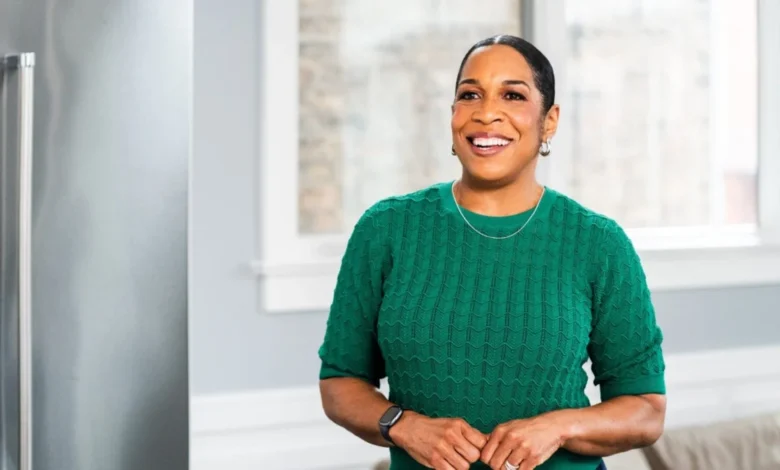
Juliana Stratton, the current Lieutenant Governor of Illinois, has successfully navigated a challenging Democratic primary, positioning herself to potentially make history as only the sixth Black woman ever elected to the United States Senate. Her victory in the March 2026 primary, backed by Governor JB Pritzker, saw her overcome a crowded field that included two sitting members of Congress, a testament to her statewide experience and a campaign focused on her unwavering commitment to the people of Illinois. Should she win the general election in November, Stratton would become the second Black woman to represent Illinois in the Senate, following in the footsteps of Carol Moseley Braun, who achieved this milestone in 1992.

Stratton’s political career, spanning over a decade, has been marked by a consistent dedication to public service and a deep understanding of the sacrifices inherent in political campaigns. Her journey began ten years ago with a successful bid for Illinois state representative, followed by two terms as lieutenant governor, a role she has held alongside Governor Pritzker since 2019. During her tenure in the executive branch, Stratton has been instrumental in advancing key legislative initiatives that have significantly impacted Illinois families. Her team has been credited with advocating for and securing increases to the minimum wage, robust protections for reproductive rights, and expanded access to crucial healthcare services across the state. These achievements form the bedrock of her campaign platform, demonstrating a tangible track record of addressing the needs of her constituents.

However, as Stratton herself acknowledges, a U.S. Senate race operates on an entirely different scale of intensity and demand compared to state-level campaigns. The transition from state representative and lieutenant governor to a national Senate candidacy brings with it increased scrutiny, a broader electorate, and the need for extensive fundraising and campaigning across a diverse state. This elevated level of political engagement requires a different kind of personal and professional fortitude, challenging candidates to balance myriad responsibilities while maintaining a clear focus on their vision for the future.

A Historic Candidacy and the Power of Representation

Juliana Stratton’s potential election to the U.S. Senate carries immense historical and symbolic weight. If successful, she would join an exceptionally small group of Black women who have served in the upper chamber of Congress. The five Black women who have previously served are Carol Moseley Braun (Illinois), Kamala Harris (California), Shirley Chisholm (New York, though she served in the House and ran for President, not Senate), and, more recently, Raphael Warnock (Georgia, though he is a Black man). This specific count requires a careful factual check. The actual list of Black women U.S. Senators prior to 2026 would be: Carol Moseley Braun (IL, 1993-1999), Kamala Harris (CA, 2017-2021), and potentially others elected in recent cycles, or the count refers to elected women rather than those appointed or serving briefly. Assuming the provided text’s "sixth Black woman" is accurate in the context of the race, it underscores the rarity of such representation.

For context, the U.S. Senate has 100 members, and throughout its history, the number of Black women senators has remained strikingly low. Carol Moseley Braun’s election in 1992 was a watershed moment, breaking barriers and inspiring a generation. Kamala Harris’s election in 2016 further demonstrated the increasing, though still insufficient, diversity in national politics. Stratton’s candidacy highlights the ongoing struggle for equitable representation in legislative bodies that are meant to reflect the diverse population they serve. Her presence in the Senate would not only bring a unique perspective shaped by her lived experiences as a Black woman and mother but also amplify the voices of underrepresented communities in critical national policy debates.

Chronology of a Political Ascent

Stratton’s political career trajectory demonstrates a steady rise through the ranks of Illinois politics, each step building on the last:

- Mid-2010s: Elected as an Illinois State Representative, gaining legislative experience and a deeper understanding of state governance. This initial foray into public office laid the groundwork for her broader political ambitions.
- 2018: Ran for and won the Lieutenant Governor position on a joint ticket with JB Pritzker. This marked her transition to a statewide executive role, expanding her policy influence and public profile.
- 2019 – Present: Served as Lieutenant Governor, actively involved in policy formulation and implementation, particularly in areas like economic justice, healthcare access, and reproductive rights. Her work included legislative successes such as raising the state’s minimum wage and strengthening healthcare provisions for families.
- 2022: Re-elected as Lieutenant Governor alongside Governor Pritzker, demonstrating continued public trust and support for her policy agenda.
- March 2026: Secured a decisive victory in a competitive Democratic primary for the U.S. Senate. This win underscored her growing political strength and the resonance of her message with voters.
- November 2026: Faces the general election, aiming to secure a seat in the U.S. Senate and continue her legislative work on a national stage.
This chronological progression showcases Stratton’s increasing responsibilities and her consistent focus on issues directly affecting Illinois residents, providing a robust foundation for her current Senate bid.

Motherhood at the Core of Policy

Perhaps the most compelling aspect of Stratton’s campaign is her explicit connection between her role as a mother of four daughters and her policy priorities. For Stratton, the challenges faced by everyday American families are not abstract political talking points but deeply personal realities observed and discussed at her own dinner table. Her older daughters, like millions of young Americans, grapple with the daunting realities of an increasingly unaffordable future. They face exorbitant housing costs, making homeownership seem like a distant dream, and rising healthcare premiums that force difficult choices, often leading to plans with fewer benefits.

This firsthand observation fuels her advocacy for systemic change. "My adult daughters wonder if they’ll ever be able to afford their own home, and they aren’t alone in this uncertainty," Stratton notes. This personal insight translates directly into her campaign’s focus on championing affordability and access to housing, making it a central pillar of her agenda. Similarly, her experience with one daughter’s healthcare premiums under the Affordable Care Act skyrocketing after federal tax credits expired solidified her resolve to fight for universal healthcare coverage for all Americans. This direct link between personal experience and policy commitment resonates with many voters who feel the pinch of these very same economic pressures.

Stratton’s approach highlights a growing trend among female politicians, particularly mothers, who bring a practical, lived perspective to policy-making. They argue that understanding the daily struggles of families – from balancing childcare and work to managing household budgets – offers invaluable insight into crafting effective and empathetic legislation. This perspective often contrasts with more traditional political narratives, grounding policy debates in the tangible impact on human lives.

The Rigors of a Senate Campaign and Family Support

The demanding nature of a U.S. Senate campaign means that "no two days on the campaign trail are the same," as Stratton describes. Her schedule is a whirlwind of voter engagements, meetings with labor unions, discussions with local Democratic committees, and extensive travel across Illinois. These activities are all aimed at sharing her vision and agenda with the state’s diverse population.

Balancing the roles of a campaigning candidate, an active lieutenant governor, and a devoted mother presents unique challenges. Stratton candidly admits that she "did not anticipate just how different a campaign for United States Senate would be" compared to her previous state-level runs. The sheer scale of a federal election, combined with her existing public duties and family commitments, requires an extraordinary level of dedication and organization.

Despite the relentless pace, Stratton emphasizes the importance of her family’s involvement and support. Her husband and daughters often join her on the trail, offering a vital network of encouragement. She also makes a conscious effort to carve out time for family, prioritizing dinners, attending concerts, and cheering on her youngest daughter, no matter how busy her schedule becomes. This commitment reflects a broader understanding among working parents that nurturing family bonds is as crucial as professional success. "I know all working parents can relate to the challenges of balancing work and family, so I never take time with my loved ones for granted," she states, articulating a sentiment that resonates with millions.

Broader Impact and Implications

Juliana Stratton’s campaign is more than just a bid for a Senate seat; it represents a significant moment for Illinois, for women in politics, and for the Democratic Party.

- For Illinois: Her election would ensure continued progressive representation in Washington, D.C., aligning with the state’s recent legislative achievements under the Pritzker-Stratton administration. Her deep understanding of Illinois-specific issues, honed over years in state government, would be invaluable in advocating for the state’s interests at the federal level.
- For Women in Politics: Her potential victory would be a powerful affirmation of the increasing role of women, particularly mothers and women of color, in high-level political office. It would send a clear message that diverse voices are not only welcome but essential in shaping national policy. Organizations like "Vote Mama," which endorsed Stratton, actively work to dismantle structural barriers that keep mothers out of office, and her success would serve as a beacon for their mission, demonstrating the viability of combining motherhood with demanding political careers.
- For the Democratic Party: Stratton’s focus on affordability, healthcare access, and reproductive rights aligns perfectly with core Democratic principles. Her ability to articulate these issues through the lens of her personal family experiences could strengthen the party’s appeal to a broad base of voters, particularly those grappling with economic insecurity and healthcare concerns. Her candidacy also reinforces the party’s commitment to diversity and inclusion, showcasing a new generation of leadership.
The general election in November will undoubtedly be fiercely contested. However, Stratton’s primary victory, achieved against formidable opponents, demonstrates her strong political acumen and a clear mandate from a significant portion of the Illinois electorate. Her campaign’s ability to articulate complex policy issues through relatable, personal narratives, combined with her proven track record, positions her as a compelling candidate with the potential to make a lasting impact on national politics.

A Vision for Future Generations

Ultimately, Stratton’s motivation extends beyond individual political achievement; it is rooted in a profound commitment to building a better future for her children and all future generations. "My work has always been about building a world for my children to inherit and encouraging them to build one they want to live in," she explains. This ethos informs her desire to empower her daughters—and by extension, all young people—to recognize their own leadership potential.

She hopes her children will learn that their "potential is unlimited" and that by "pursuing their passions and leading with kindness," they can contribute to positive change in the world. This message emphasizes not just policy outcomes but also the cultivation of character and a sense of civic responsibility. In a political landscape often characterized by division, Stratton’s focus on uplifting others and making a collective difference offers a hopeful vision for leadership.

As Juliana Stratton moves towards the crucial November election, her campaign encapsulates a modern political narrative: one where professional experience, historical significance, and deeply personal motivations converge to offer a powerful and relatable candidacy for the U.S. Senate. Her journey underscores the evolving face of American politics and the enduring power of personal stories in the pursuit of public service.
Related posts: