Fourteen Evidence-Based Strategies to Support Student Academic Success and Emotional Regulation in the Modern Classroom

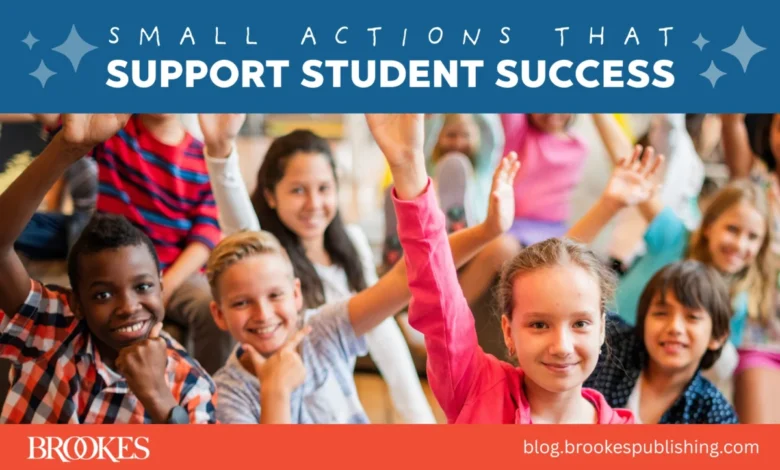
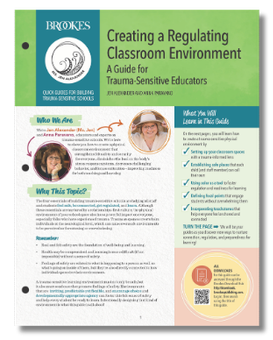
As educational institutions worldwide navigate the complexities of the post-pandemic era, the focus of classroom management has shifted significantly toward a holistic integration of academic rigor and social-emotional support. Recent data from the National Center for Education Statistics (NCES) suggests that nearly 80 percent of public schools have reported a need for increased mental health support for students, a trend that has forced a reevaluation of traditional pedagogical methods. In response to this shifting landscape, education experts and researchers, including noted authors such as Jen Alexander and Dyane Carrere, are advocating for the implementation of specific, manageable actions that address the diverse needs of learners, particularly those with trauma histories or executive function challenges.
The Evolution of the Trauma-Informed Classroom
The move toward trauma-sensitive education is not merely a trend but a response to a growing body of research regarding Adverse Childhood Experiences (ACEs). According to the Centers for Disease Control and Prevention (CDC), approximately 61 percent of adults surveyed across 25 states reported that they had experienced at least one type of ACE before age 18. In a classroom setting, these experiences often manifest as hyper-vigilance, difficulty with transitions, and challenges in emotional regulation.
Historically, classroom management relied heavily on punitive measures and rigid compliance. However, a chronological shift began in the early 2010s toward "restorative justice" and "trauma-informed care," focusing on the biological underpinnings of behavior. This modern approach recognizes that when a student’s nervous system is in a state of "fight, flight, or freeze," academic learning becomes biologically impossible. Consequently, the role of the educator has expanded to include that of a "regulator," helping students move from a state of survival back into a state of learning.
Enhancing Instructional Clarity and Accessibility
One of the primary barriers to student success is the ambiguity of expectations. For students struggling with anxiety or trauma, uncertainty can trigger a stress response. To mitigate this, experts suggest that educators must prioritize the posting and discussion of directions. By clarifying roles and responsibilities before a class discussion begins, teachers can defuse the fear of the unknown. Providing physical handouts or posting expectations on a digital board allows students to have a constant point of reference, reducing the cognitive load required to remember verbal instructions.
Furthermore, the physical accessibility of information is a critical factor in academic achievement. Research in classroom acoustics indicates that students in the back of a room may miss up to 30 percent of what a teacher says due to distance and ambient noise. Professional guidelines now emphasize that teachers should avoid speaking with their backs to the class. Facial cues and lip-reading are essential components of communication, particularly for students with undiagnosed hearing issues or those for whom English is a second language. Routinely repeating questions asked by peers ensures that the entire cohort remains engaged in the dialogue, fostering an inclusive environment.
The Power of Positive Behavioral Framing
A significant shift in behavioral psychology within the classroom involves the "flipping" of instructions from negative to positive. Traditional commands often focus on what a student should stop doing (e.g., "Don’t run"). However, cognitive processing research suggests that the brain must first process the negative action before it can understand the prohibition. By using positive directives—such as "Walk, please"—the teacher provides a clear, actionable goal.
This linguistic shift extends to social interactions. Instead of simply banning "put-downs," educators are encouraged to facilitate emotional expression. Asking a student to "tell us what you feel so everyone can feel safe" transforms a disciplinary moment into a lesson in emotional intelligence. This approach aligns with the "Positive Behavioral Interventions and Supports" (PBIS) framework, which has been shown to reduce disciplinary incidents by up to 50 percent in some districts.

Sensory Management and Environmental Regulation
The physical environment of the classroom serves as the "third teacher." For students with sensory processing disorders or those who have experienced trauma, sudden shifts in the environment can be jarring. One specific strategy involves the management of classroom lighting. Sudden flickers or the harsh transition from darkness to bright fluorescent light can overstimulate the nervous system. Experts suggest a participatory approach: allowing a light-sensitive student to be the one who operates the switch, or instructing the class to close their eyes during the transition, provides a sense of agency and preparation.
Attention-getting signals are also vital for successful task initiation. Rather than shouting over a noisy room, which can be perceived as a threat by some students, the use of rhythmic clapping, bells, or visual cues like flickering lights (with prior warning) can orient students to a new activity. This practice respects the "transition time" required for the brain to switch gears from one cognitive task to another.
Reframing Noncompliance as a Skill Deficit
One of the most profound shifts in modern education is the reinterpretation of student "noncompliance." When a student refuses to start a task, the traditional response was often a disciplinary referral. Current evidence suggests, however, that what looks like defiance is often a lack of resources or executive function skills.
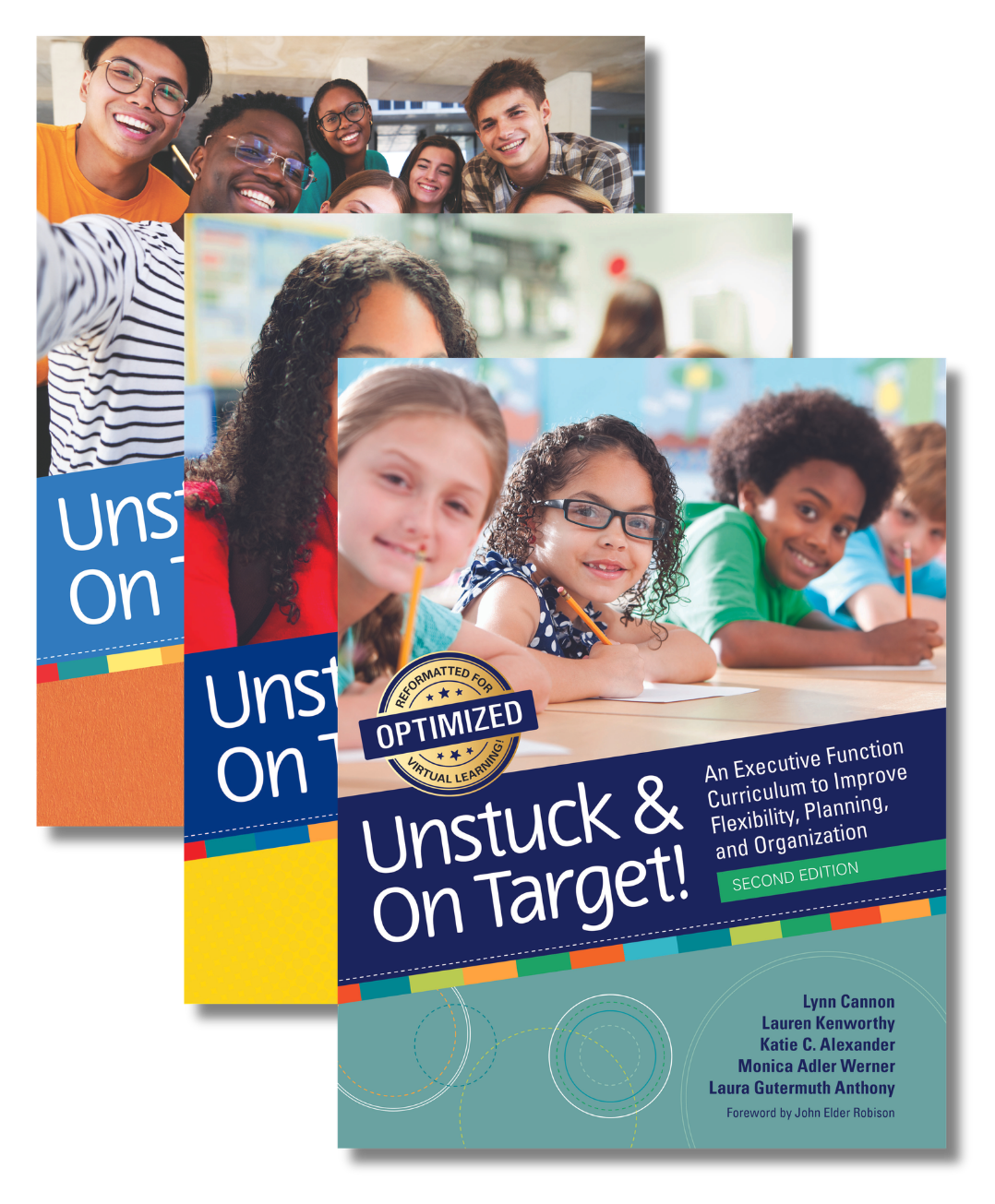
A student may remain stationary because they do not have a pencil, they do not understand the first step of a complex rubric, or they possess fine motor difficulties that make writing painful. By acknowledging the difficulty and investigating the "why" behind the refusal, teachers can move toward solutions—such as providing a graphic organizer or allowing the use of a computer—rather than escalating a conflict. This approach is central to the "Unstuck and On Target" curriculum, which focuses on building executive function in students who struggle with flexibility.
Biological Necessities: Movement and Transitions
The human brain is not designed for prolonged periods of sedentary focus, yet the standard school day often demands exactly that. Building in "brain breaks" and sensory intervals is essential for maintaining cognitive stamina. For students on the autism spectrum or those with ADHD, vigorous exercise—such as jumping jacks or a quick lap around the hallway—can help regulate a nervous system that is either under- or over-aroused.
Transitions between activities are notoriously difficult periods in the school day. Anxiety often peaks during these "in-between" moments. Providing extra time and using choral chants or songs can provide a rhythmic, predictable structure that lowers the collective heart rate of the classroom. These routines act as a bridge, ensuring that no student is left behind in the shift from one subject to the next.
Psychological Safety and the Elimination of Comparison
The use of public comparison charts—such as "red, yellow, green" behavior lights or academic leaderboards—has come under intense scrutiny by child psychologists. For students who have experienced trauma or who struggle with learning disabilities, these public displays of failure can be "suffocating" and counterproductive. They foster an environment of shame rather than growth.
Instead, educators are moving toward private, goal-oriented tracking. This shift protects the psychological safety of the student, allowing them to focus on their own progress rather than their standing relative to their peers. Creating a safe learning environment also involves "regulation checks," where students are given a moment of mindfulness or a "doodle break" to process lingering emotions from home or the community.
Modeling Vulnerability and Executive Function
Perhaps the most influential tool an educator possesses is their own behavior. By modeling "cognitive flexibility," a teacher demonstrates that learning is a process of trial and error. For example, a teacher might narrate their thought process: "I am going to write my ideas down first without worrying about spelling. I will go back and fix the spelling later." This transparent thinking helps students understand how to prioritize tasks and manage perfectionism.
Furthermore, sharing appropriate emotions and regulation strategies humanizes the teacher. When an educator admits to feeling frustrated and then demonstrates a deep-breathing technique or takes a sip of water to "reset," they provide a real-time masterclass in emotional regulation. This "co-regulation" is the foundation upon which students build their own self-regulation skills.
Broader Implications for the Future of Education
The implementation of these 14 strategies represents a broader movement toward Universal Design for Learning (UDL) and inclusive education. By making small, supportive adjustments, educators create a "rising tide that lifts all boats." While these actions are particularly beneficial for students with trauma histories or disabilities, they improve the learning environment for every student.
Data suggests that schools that prioritize these social-emotional and environmental adjustments see a marked improvement in teacher retention and a decrease in burnout. When the classroom is regulated, the teacher’s stress levels decrease alongside the students’. As the new school year progresses, the integration of these evidence-based practices will likely remain a cornerstone of efforts to reclaim the academic and emotional health of the nation’s youth. The transition from a "command and control" model to a "support and regulate" model marks a significant milestone in the evolution of 21st-century pedagogy.