Building a Foundation of Inclusion: Essential Black History Month Literature for Early Childhood Classrooms

Early childhood educators across the nation are increasingly recognizing their vital responsibility in shaping how young children perceive the world beyond their immediate neighborhoods. While urban children may encounter a diverse tapestry of cultures simply walking to school, students in rural or homogenous communities often lack this daily exposure. To bridge this gap, educators are turning to thoughtfully curated literature. By introducing books that highlight the contributions, experiences, and voices of Black Americans, teachers are actively broadening children’s worldviews, fostering empathy, and laying the groundwork for a more inclusive society.
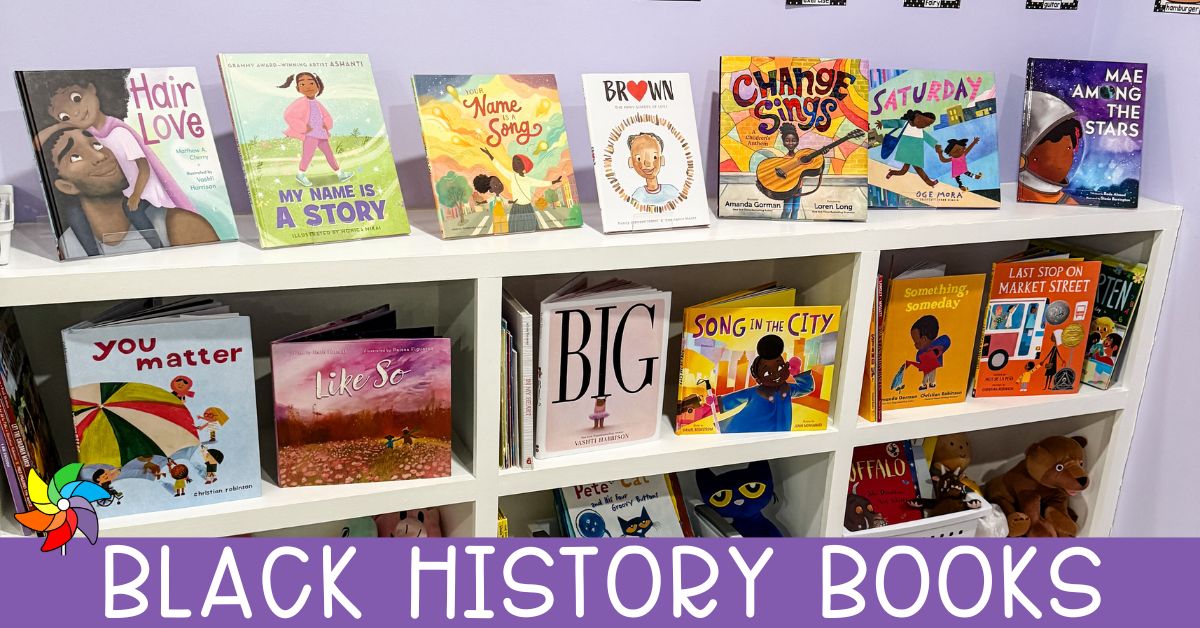
The intentional selection of Black History Month books for preschool-aged children is much more than a seasonal classroom exercise. According to developmental psychologists and early education experts, children begin noticing and categorizing racial differences as early as infancy and toddlerhood. When young readers encounter characters who look like them in literature, it reinforces the intrinsic value of their stories, cultivating confidence and a healthy sense of belonging. Conversely, when children engage with narratives reflecting lives and experiences different from their own, they build foundational blocks of cross-cultural understanding, mutual respect, and curiosity.
Historical Context and the Evolution of Diverse Children’s Literature

The integration of multicultural themes into early education is the result of decades of advocacy by educators, librarians, civil rights activists, and authors. Historically, children’s publishing suffered from a profound lack of diverse representation. Data compiled by organizations such as the Cooperative Children’s Book Center (CCBC) at the University of Wisconsin-Madison have historically tracked the demographics of characters in children’s books, revealing stark disparities for decades.
In response to persistent gaps in representation, grassroots movements, academic researchers, and publishing houses have gradually shifted their focus. The modern push for inclusive literature aligns with the broader objectives of Black History Month—originally established as Negro History Week by Carter G. Woodson in 1926—which seeks to institutionalize the acknowledgment of Black contributions to American history. Bringing these narratives down to the preschool level requires a delicate pedagogical balance: introducing complex themes of courage, perseverance, and justice through accessible, age-appropriate picture books.

Nonfiction and Biographical Picture Books: Real People, Big Ideas
Introducing historical figures to preschoolers necessitates focusing on universal concepts like fairness, kindness, dreaming big, and standing up for others. Educators utilize biographical picture books to anchor these abstract ideas in concrete, relatable human experiences.

Among the widely recommended nonfiction titles for early childhood settings is Stand Up! by Brittney Cooper. This work introduces young readers to ten women who altered the course of history by fighting for justice. Spanning historical civil rights icons such as Ruby Bridges and Rosa Parks to contemporary figures like Bree Newsome—who peacefully protested the Confederate flag at the South Carolina Statehouse—the book provides a framework for discussing courage and civic engagement.
Similarly, Roda Ahmed’s Mae Among the Stars chronicles the childhood of Mae Jemison, inspiring young learners to pursue ambitious goals. The narrative follows Jemison’s journey to becoming the first African American woman in space, emphasizing familial support, resilience, and unwavering self-belief. In Let the Children March by Monica Clark-Robinson, young readers learn about the 1963 Children’s Crusade in Birmingham, Alabama, where thousands of young people peacefully protested segregation laws. While approached with careful nuance for a preschool audience, the book underscores the historical agency and impact of children.

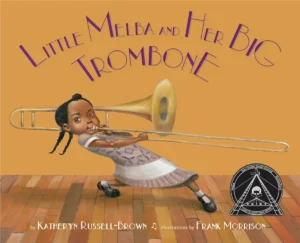
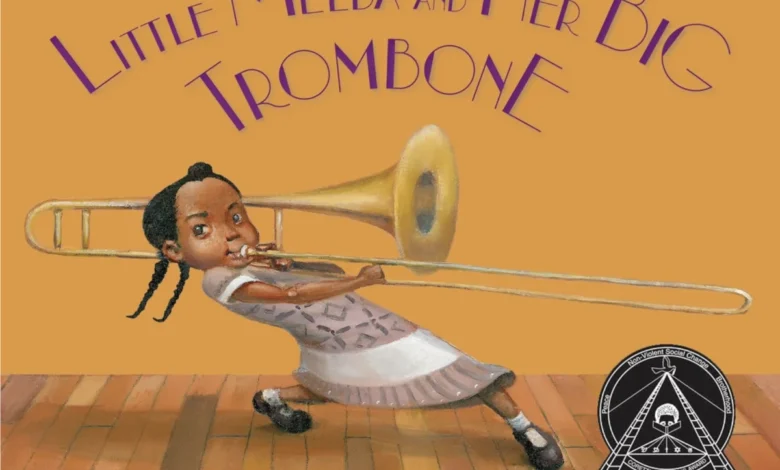
Music and lifelong learning also feature prominently in recommended curricula. Katheryn Russell-Brown’s Little Melba and Her Big Trombone explores the life of Melba Liston, a trailblazing jazz musician, composer, and arranger who overcame racial and gender barriers to work with legends like Duke Ellington and Count Basie. Meanwhile, The Oldest Student by Rita Lorraine Hubbard and illustrated by Oge Mora tells the remarkable true story of Mary Walker, who learned to read at the age of 116, spanning a lifetime from the Civil War era through the Civil Rights Movement. This narrative serves as a powerful reminder that intellectual growth and curiosity know no age limits.
Celebrating Everyday Joy and Relatable Fiction

While historical narratives are critical, educators emphasize that diverse literature should not be confined solely to struggles against adversity or historical milestones. Fiction depicting Black children and families experiencing everyday joy, community life, and emotional growth is equally essential for a balanced library.
Vashti Harrison’s award-winning book Big explores themes of self-acceptance, body image, and emotional expression through striking illustrations and simple text. For young boys exploring unconventional interests, Kaija Langley’s When Langston Dances follows a child who discovers a passion for ballet after attending a performance by the Alvin Ailey American Dance Theater.

Poetry and cultural pride are beautifully captured in Angela Joy’s Black is a Rainbow Color, which utilizes accessible verse to connect the color black to heritage, pride, and daily experiences. Family bonds and natural hair pride take center stage in Matthew A. Cherry’s Hair Love, a heartwarming story celebrating a father stepping in to style his daughter’s hair for a special occasion.
Other notable selections focus on urban life, perspective-taking, and emotional resilience. Matt de la Peña’s Last Stop on Market Street and Milo Imagines the World encourage children to look past initial assumptions, practice gratitude, and find beauty in ordinary moments. Similarly, Oge Mora’s Saturday explores the unbreakable bond between a mother and daughter navigating unexpected disruptions to their weekend plans, highlighting patience and love.

Broader Implications and Expert Perspectives
The push to diversify early childhood libraries carries significant long-term implications for social development. Educational researchers note that children educated in diverse, inclusive environments develop stronger critical thinking skills, exhibit higher levels of empathy, and demonstrate reduced susceptibility to cultural stereotypes later in life.

Literary figures and civil rights advocates have long championed this holistic approach. Renowned author and poet Maya Angelou famously noted that diversity forms a rich tapestry where every thread holds equal value. Aligning with this philosophy, early childhood organizations, including the National Association for the Education of Young Children (NAEYC), continually publish frameworks and resources guiding educators on how to address themes of race, identity, and belonging in developmentally appropriate ways.
Conclusion and Future Outlook

Ultimately, integrating Black History Month literature into preschool and early elementary classrooms establishes a strong foundation for lifelong learning and social awareness. By blending biographical accounts of historical change-makers with joyful, fiction-based reflections of daily life, educators provide a comprehensive narrative of the American experience. These literary tools do more than commemorate a single month; they cultivate classroom communities rooted in mutual respect, curiosity, and an enduring sense of belonging for every child.
Related posts: