The Evolution of Countertop Cooking
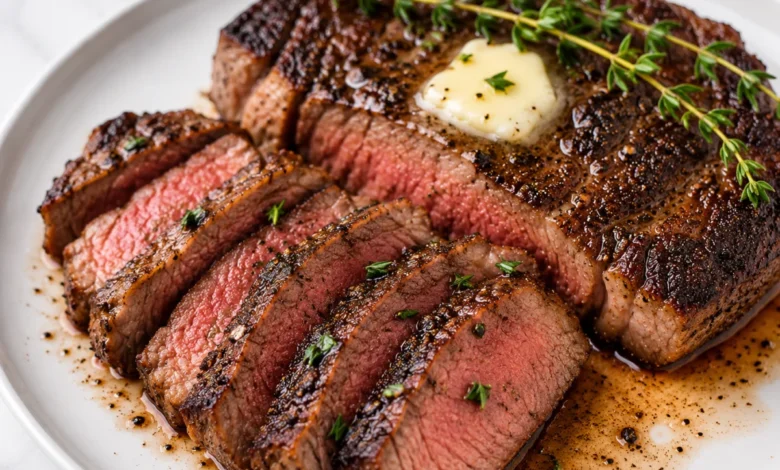
The rise of the air fryer in modern culinary practices marks a shift in how domestic kitchens handle high-protein, high-fat cuts of meat like the ribeye. Traditionally, the ribeye—a steak prized for its intramuscular fat or "marbling"—required careful monitoring to ensure the fat rendered properly while the exterior developed a crust. The air fryer has emerged as a viable alternative because it mimics the environment of a convection oven, providing an even, consistent heat transfer that reaches the center of the cut without requiring the user to flip the protein repeatedly in a hot skillet, which often leads to smoke-filled environments and oil splatter.
Technical Parameters for Optimal Preparation
Achieving a professional-grade finish in an air fryer requires strict adherence to thermodynamic principles. The recommended operating temperature for this cut is 400 degrees Fahrenheit (approximately 204 degrees Celsius). At this temperature, the Maillard reaction—the chemical process responsible for the savory crust on seared meat—can occur efficiently.
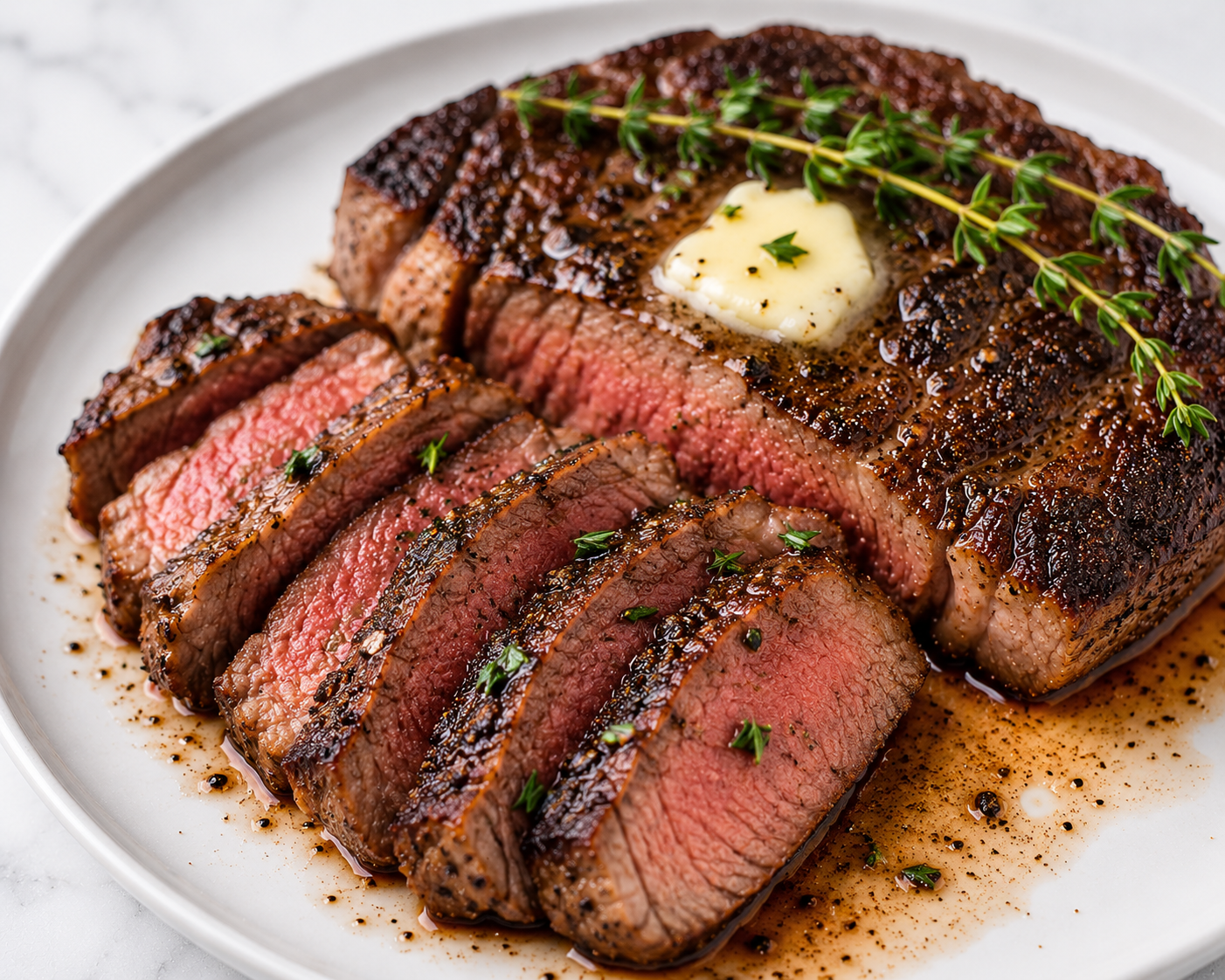
For a standard 1-inch to 1.5-inch thick ribeye, cooking times are calibrated based on the internal target temperature of the meat. Data suggests that a medium-rare finish is achieved by pulling the steak from the heat source when it reaches 130 to 135 degrees Fahrenheit. Because the residual heat continues to raise the internal temperature after the cooking cycle concludes, culinary experts advise removing the steak from the appliance approximately five degrees below the final desired doneness.
Standardized Temperature and Time Guidelines
| Desired Doneness | Internal Pull Temperature | Estimated Cooking Time (at 400F) |
|---|---|---|
| Rare | 125–130°F | 8–9 minutes |
| Medium-rare | 130–135°F | 10 minutes |
| Medium | 140–145°F | 11–12 minutes |
| Medium-well | 150–155°F | 13–14 minutes |
The Science of Seasoning and Crust Development
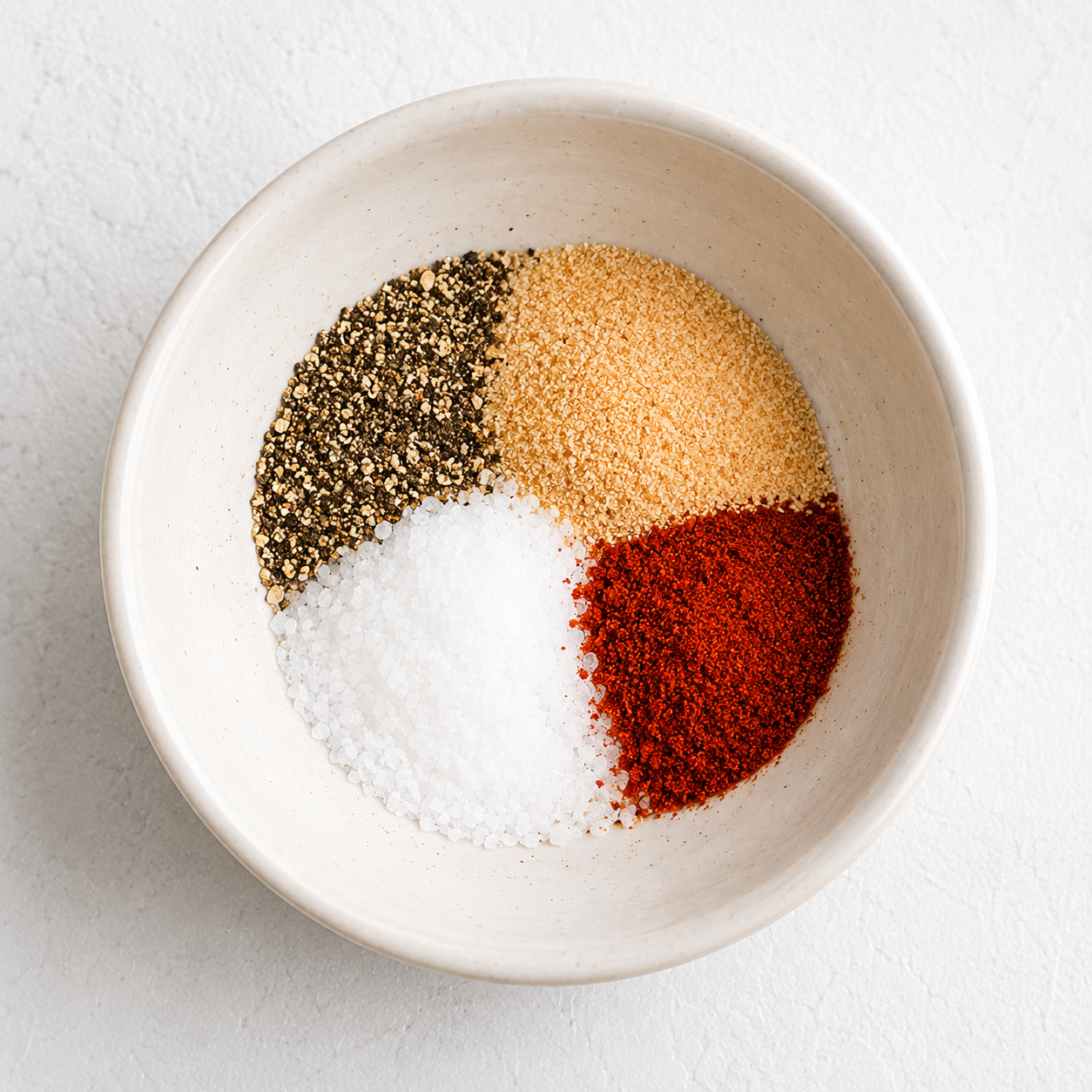
The flavor profile of a ribeye is fundamentally enhanced by the application of a dry rub. The inclusion of kosher salt is essential for osmotic seasoning, where the salt draws moisture to the surface and subsequently reabsorbs it, ensuring the interior of the steak is seasoned throughout. Freshly cracked black pepper provides a necessary aromatic contrast to the richness of the ribeye’s fat.
The integration of garlic and onion powders is a tactical choice; unlike fresh aromatics, these dehydrated seasonings do not burn when exposed to high-heat, high-velocity air, ensuring the flavor remains consistent. The addition of smoked paprika is a critical component for those seeking a traditional grilled profile. The smoke compounds within the paprika replicate the effect of wood-fire cooking, providing a depth of flavor that is often missing from indoor, non-grill cooking methods.
Procurement and Quality Selection
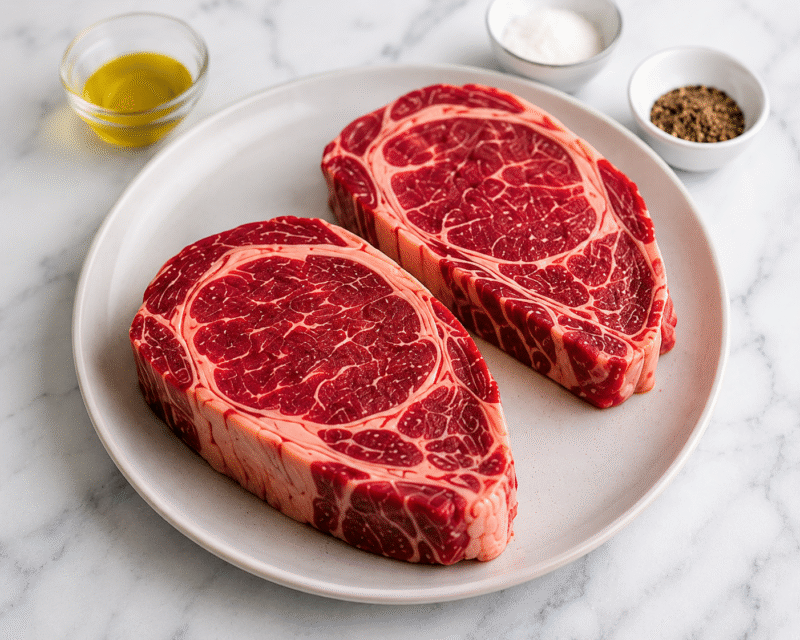
Selecting the appropriate cut of beef is a foundational factor in the success of the dish. The USDA grading system identifies prime, choice, and select cuts, with prime beef offering the highest degree of marbling. When selecting a ribeye, consumers should look for an even distribution of white, intramuscular fat. This fat acts as a self-basting mechanism, as it liquifies during the cooking process. A bright, cherry-red color indicates freshness, while the absence of grey or brown oxidation spots suggests a higher quality, recently processed cut. Thickness is equally important; cuts thinner than one inch are susceptible to overcooking, resulting in a loss of structural integrity and juiciness.
Operational Best Practices for Air Fryer Success
The primary operational challenge in air frying fatty proteins is the accumulation of grease in the base of the unit, which can lead to smoke production. A common industry-recommended mitigation strategy is to add one tablespoon of water to the bottom of the air fryer drawer. This prevents the rendered fat from reaching the smoking point upon contact with the hot base, thereby maintaining air quality in the kitchen.
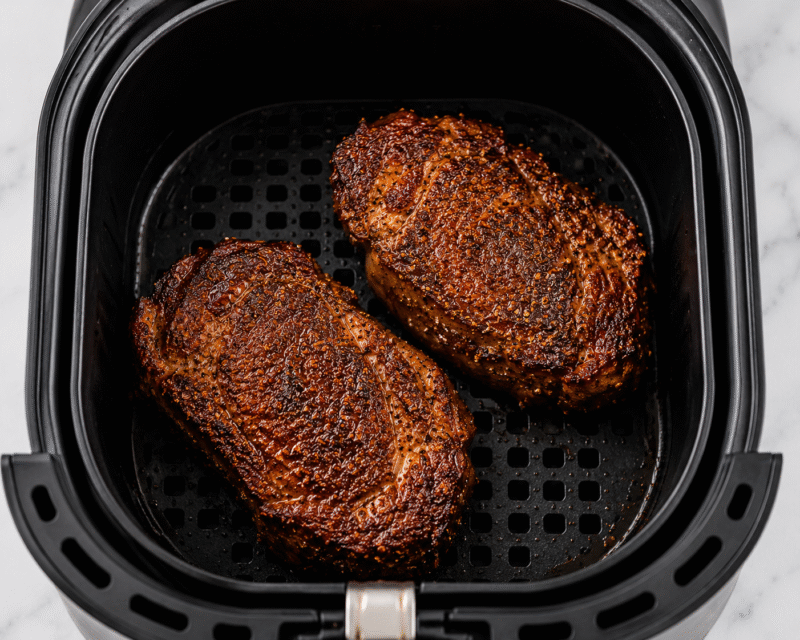
Furthermore, airflow is the mechanical engine of the air fryer. Overcrowding the basket prevents the convection currents from reaching all surfaces of the steak. If the air cannot circulate freely, the meat will effectively steam in its own moisture, resulting in a grey, soft exterior rather than the desired, crisp, caramelized crust. Consistent results also dictate that the meat be patted dry with a paper towel before seasoning, as excess surface moisture must be evaporated before the browning process can initiate.
The Role of Resting in Post-Cook Dynamics
The resting period, often overlooked by amateur cooks, is a vital component of the preparation process. When muscle fibers are exposed to high heat, they contract and force the natural juices toward the center of the steak. If the meat is sliced immediately upon removal from the air fryer, the internal pressure causes these juices to escape onto the cutting board, resulting in a dry, lackluster eating experience. A five-minute rest allows the muscle fibers to relax, redistributing the moisture throughout the cut. This simple period of thermal stabilization is what distinguishes a competent home meal from a high-end restaurant experience.
Implications for Modern Home Nutrition
The adoption of air fryer technology for high-protein meals aligns with broader trends in home nutrition. By reducing the amount of added oils required for cooking—relying instead on the steak’s natural fat—the total caloric load is slightly reduced compared to traditional pan-frying. This method also facilitates faster, more efficient meal preparation for busy households.
From an economic perspective, the ability to replicate restaurant-quality results at home reduces the reliance on dining out, providing a cost-effective alternative for families looking to balance luxury ingredients with budget-conscious preparation. While the air fryer is often associated with pre-packaged frozen goods, its utility in preparing fresh, high-quality proteins demonstrates a maturation in its use as a primary kitchen appliance.
Long-term Maintenance and Storage
Proper storage of leftover steak is essential to maintain its texture. Refrigerated steaks should be kept in airtight containers for no longer than four days. When reheating, the air fryer remains the optimal tool. By setting the appliance to 350 degrees Fahrenheit for approximately three to four minutes, the exterior of the steak can be re-crisped without significantly altering the internal doneness of the meat. The use of a microwave for reheating is generally discouraged, as it causes the proteins to heat unevenly and often results in a rubbery, undesirable texture.
In summary, the air fryer provides a controlled, efficient environment for cooking premium cuts of meat like the ribeye. By focusing on variables such as internal temperature, adequate airflow, and the essential post-cooking rest, home cooks can consistently achieve professional results that honor the quality of the ingredients used.
Related posts: