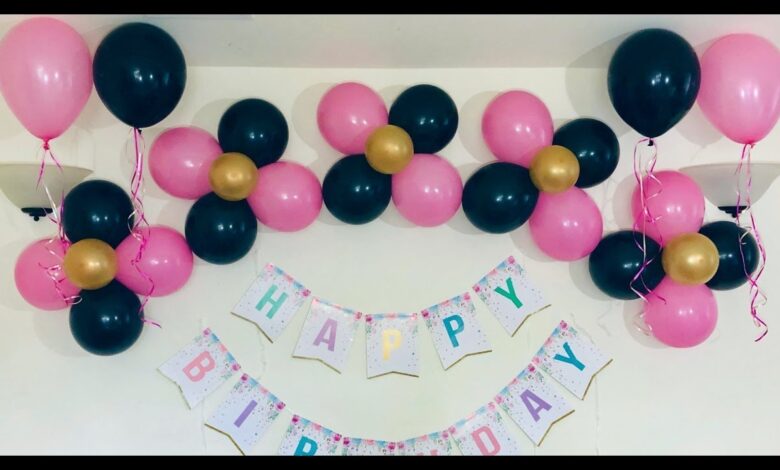
Tips for easy birthday party: Planning a birthday bash doesn’t have to be stressful. This guide offers practical advice and actionable steps to throw a memorable celebration without the overwhelm. From budget-friendly ideas to fun activities, we’ll cover everything you need to create a party your guests will adore, all while keeping things simple and enjoyable.
This comprehensive guide will walk you through every step, from planning and organization to decorations and guest management. We’ll explore various themes, activity options, and budget-conscious food ideas. Get ready to ditch the stress and embrace the joy of celebrating a special occasion.
Planning & Organization
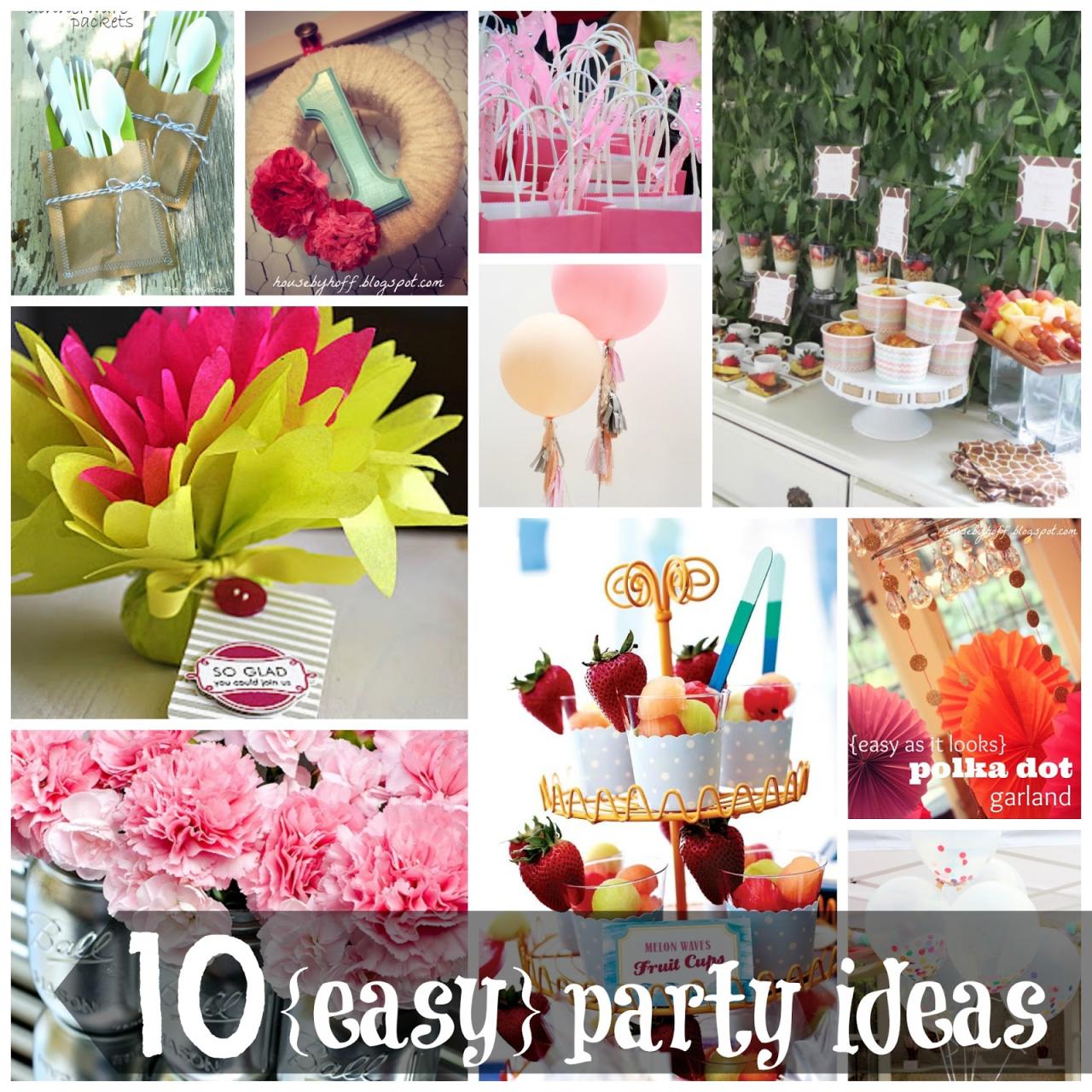
Throwing a memorable birthday bash without breaking the bank requires careful planning and organization. A well-structured approach ensures a smooth execution and allows you to focus on enjoying the celebration with your loved ones. This section delves into the practical steps for a simple, yet enjoyable, birthday party.Planning a budget-friendly party involves strategic choices at every stage, from guest list management to activity selection.
Careful consideration of costs and resources is key to a successful and affordable celebration.
Party Timeline
A well-defined timeline is crucial for managing party preparations effectively. This structured approach helps you stay on track and avoid last-minute stress.
- 4-6 weeks before: Guest list creation and initial venue scouting. Consider your budget and guest preferences when selecting a location. This early stage allows for exploring options and securing a suitable space.
- 3-4 weeks before: Activity planning. Brainstorm activities that align with the birthday theme and the age group of your guests. Factor in budget constraints when selecting activities. Examples include board games, outdoor games, or themed party games.
- 2-3 weeks before: Finalize venue booking and send out invitations. Send invitations with clear details, including date, time, location, and RSVP information.
- 1 week before: Shop for decorations and prepare the venue. Focus on cost-effective decorations and utilize DIY projects. This is a good time to gather supplies and set up the party space.
- 3-4 days before: Prepare food and drinks. Plan your menu and shop for ingredients. Make a shopping list and create a timeline for cooking.
- Day of the party: Set up the party area and welcome guests. Have a plan for smooth check-in and assistance for guests.
Budgeting Strategies
Budgeting is an essential aspect of a successful party. Understanding and controlling costs ensures a smooth celebration without exceeding your allocated funds.
- Calculate food costs: Create a detailed menu and estimate the cost of ingredients. Consider cost-effective options like potlucks or sharing food. Use online calculators to estimate ingredient costs based on your chosen menu.
- Manage activity expenses: If activities require specific materials or equipment, factor those costs into the budget. Explore free or low-cost options for activities, like using outdoor spaces or playing games.
- Gift-giving options: A party doesn’t need expensive gifts. Consider encouraging guests to contribute to a shared activity fund or donate to a charity in the birthday person’s name. You could also encourage guests to bring a small contribution towards a gift.
Party Preparation Checklist
A checklist ensures that all necessary tasks are completed on time. This systematic approach minimizes stress and ensures everything is in order.
- Invitations: Design and send invitations well in advance. Include important details such as date, time, location, and RSVP information.
- Decorations: Choose budget-friendly decorations. Use reusable decorations or create DIY decorations to save money. Utilize balloons, streamers, and banners.
- Food arrangements: Plan the menu and shop for ingredients. Consider a potluck arrangement for sharing food and costs.
Party Themes
Selecting a theme can add excitement and focus to the party. A well-chosen theme can help guide the planning process.
| Theme | Decorations | Activities |
|---|---|---|
| Superhero | Costumes, capes, masks, red and blue color schemes | Superhero-themed games, obstacle courses, or costume contests. |
| Pirates | Pirate hats, eye patches, treasure chests, black and gold color schemes | Treasure hunts, pirate-themed games, or storytelling sessions. |
| Tropical Luau | Palm trees, leis, colorful fabrics, Hawaiian shirts | Beach-themed games, limbo, or dancing. |
| Fairy Tale | Flowers, butterflies, whimsical decorations, pastel color schemes | Dress-up activities, storytelling sessions, or crafting activities. |
Guest Management
Planning a birthday bash is all about making everyone feel special. Guest management is key to ensuring a positive experience for all attendees, regardless of age or preferences. From crafting an inclusive atmosphere to anticipating and addressing potential issues, careful planning is paramount. This section will provide strategies for making your party a memorable event for everyone.
Creating an Inclusive Experience
A successful party caters to diverse needs and preferences. Consider the varied ages of your guests. Younger children might need shorter activities and more interactive games, while adults might enjoy quieter conversations or more sophisticated entertainment. Plan activities that appeal to different age groups to keep everyone engaged and having fun. This might include a designated area for kids with age-appropriate games and activities, alongside a space for adults to socialize or enjoy a more relaxed atmosphere.
Personalizing the experience for different preferences adds to the joy of the event.
Managing Guest Expectations and Conflicts
Anticipating and addressing potential conflicts is crucial. Dietary restrictions and allergies are a common concern. Ask guests about any dietary restrictions or allergies during the invitation process and be prepared to accommodate them. Having a variety of food options, including vegetarian, vegan, or gluten-free choices, is crucial. Clearly communicate these options to guests to avoid any surprises or discomfort.
Knowing about any specific needs, such as mobility assistance, can enhance the overall experience for those with special needs. Communicating these details in advance ensures a smooth and welcoming party.
Guest Communication Strategies
Effective communication is vital for a smooth party. Choosing the right channels for announcements can significantly impact the response rate and overall experience. Consider your guest list’s demographics and preferences when selecting a communication channel.
| Communication Channel | Pros | Cons |
|---|---|---|
| Wide reach, detailed information, easily archived | Can be perceived as impersonal, potential for delayed responses | |
| Text Messages | Immediate responses, easy to track RSVPs, quick updates | Less formal, potentially overwhelming, limited space for details |
| Social Media | Broad reach, visually engaging, easy to share details and updates | Requires consistent engagement, potentially impersonal, hard to manage for large groups |
RSVPs and Guest List Management
RSVPs are essential for accurate planning and efficient resource allocation. A clear RSVP policy, with a deadline, is essential. Follow up with guests who haven’t responded to ensure accurate guest counts. A detailed spreadsheet or online platform can be helpful to keep track of RSVPs, dietary needs, and other relevant information. Be prepared to adjust the guest list if necessary.
Adjustments could include adding or removing guests as needed. Flexibility is key in managing a guest list.
Activities & Entertainment: Tips For Easy Birthday Party
Throwing a memorable birthday bash doesn’t require a hefty budget or elaborate planning. Simple, engaging activities can create lasting memories for everyone, regardless of age. Focusing on interactive experiences and tailoring activities to guest interests can transform a basic party into a truly special celebration.Tailoring activities to the interests of your guests, and the age group, is key to ensuring everyone has a fantastic time.
This often involves a bit of pre-party research or conversation with the birthday person and their friends to get a sense of their preferences. Understanding these preferences allows you to curate activities that spark excitement and genuine enjoyment.
Simple & Engaging Party Activities
A wide range of cost-effective and easily prepared activities can keep guests entertained. These activities can be adapted to various age groups and interests, ensuring inclusivity and fun for all.
- Board Games & Card Games: Board games and card games are excellent for all ages. They encourage friendly competition and strategic thinking. From classic games like Monopoly or Scrabble to more modern options like Settlers of Catan, a variety of choices cater to different tastes. Consider the age range of the guests when selecting the games. Younger children might enjoy simpler games with larger pieces, while older children and adults may prefer more complex strategies.
- Arts & Crafts: Arts and crafts activities are fantastic for unleashing creativity. Simple projects like coloring pages, drawing, or making paper chains or collages are inexpensive and require minimal preparation. Provide various materials like crayons, markers, construction paper, and glue. Tailor the projects to the age of the children, with simpler activities for younger ones and more intricate projects for older children.
- Outdoor Games: If the weather permits, outdoor games can be a great way to get everyone moving. Simple games like tag, hide-and-seek, or a scavenger hunt can be tailored to the age and number of guests. These games are inexpensive and encourage physical activity.
- Music & Dancing: Playing music and encouraging dancing is a universal way to create a festive atmosphere. Creating a playlist of popular songs or age-appropriate tunes can get everyone energized and moving.
Tailoring Activities to Specific Interests
Activities can be tailored to specific interests to make them even more enjoyable. Understanding your guests’ preferences and the birthday person’s hobbies will lead to activities that everyone enjoys.
- Board Games: If you know your guests enjoy strategy games, choose games that align with their preferences, such as strategy board games, or card games. For example, if they love fantasy, consider a fantasy-themed board game.
- Arts & Crafts: For art enthusiasts, provide a wider array of art supplies. If they’re into drawing, provide various types of pencils, charcoal, or markers. If they’re into painting, provide a variety of colors and canvases. If they love specific themes, incorporate those themes into the art projects.
- Outdoor Games: If your guests love sports, organize sports-themed outdoor games, like mini-golf, or even a beanbag toss competition. For example, if the birthday person loves sports, a themed scavenger hunt that leads them to various sports-related items can be a fantastic activity.
Interactive Games for Guest Participation
Interactive games foster participation and interaction among guests, strengthening connections and creating shared memories. Games that require teamwork or collaboration are ideal for this purpose.
- Icebreaker Games: Simple icebreaker games can help guests feel more comfortable and connected. Games like “Two Truths and a Lie” or “Never Have I Ever” can spark conversation and build camaraderie. These games are perfect for getting guests acquainted and comfortable with one another.
- Team-Based Games: Team-based games, such as charades, Pictionary, or even a simple relay race, encourage collaboration and teamwork. These games are a fantastic way to bring everyone together.
- Scavenger Hunts: A themed scavenger hunt can involve guests searching for specific items or clues, leading to a shared experience. The clues can be tailored to the party theme, ensuring everyone is involved.
Activity Options Table
| Party Theme | Games | Decorations | Food |
|---|---|---|---|
| Superheroes | Superhero-themed scavenger hunt, Obstacle course | Red, blue, yellow colors, superhero masks, capes | “Super” snacks, superhero-shaped sandwiches |
| Tropical Luau | Limbo, musical chairs, beach-themed relay races | Palm trees, colorful leis, Hawaiian shirts, beach balls | Fruit skewers, tropical punch, pineapple |
| Pirate Adventure | Treasure hunt, pirate charades, “Walk the Plank” | Pirate flags, eye patches, treasure chests, wooden planks | Pirate-themed snacks, “buried treasure” of snacks |
Food & Beverages
Feeding a crowd for a birthday party can feel daunting, but with a little planning, it can be delicious and budget-friendly. Choosing the right food and drinks can elevate the party atmosphere and create lasting memories. Careful meal planning is key to keeping costs down and ensuring everyone enjoys the celebration.A well-thought-out food strategy helps ensure your guests are satisfied and the party remains within your budget.
This section focuses on practical tips for creating a fantastic feast without breaking the bank, keeping dietary needs in mind, and making the entire experience enjoyable for everyone.
Budget-Friendly Food Options
Planning a menu that’s both delicious and affordable is achievable. Consider using seasonal produce, which is often cheaper and tastier. Look for sales and discounts on ingredients. Embrace leftovers; they’re perfect for lunch the next day. Preparing some items in advance, like dips or desserts, reduces the stress of the day of the party.
Planning a birthday bash? Keep it simple with these tips! For example, using apps like the ones featured in top iphone android apps for sending out invitations and managing guest lists can really streamline the process. Plus, you can find great ideas and inspiration for decorations or party games. Ultimately, keeping it simple and organized makes for a stress-free celebration.
Kid-Friendly Appetizers, Main Courses, and Desserts, Tips for easy birthday party
A successful kid’s party relies on appealing and manageable food choices. Simple finger foods, such as mini pizzas, veggie sticks with hummus, or fruit skewers, are perfect for little hands. For main courses, consider pasta dishes, chicken nuggets, or a build-your-own taco bar. Fun and easy desserts like cupcakes, cookies, or ice cream sundaes are always a hit.
- Appetizers: Mini quiches, fruit skewers, cheese and crackers, veggie sticks with hummus, mini pizzas, popcorn.
- Main Courses: Pasta salad, chicken nuggets, hot dogs, hamburgers, pizza, or a taco bar.
- Desserts: Cupcakes, cookies, brownies, ice cream sundaes, fruit salad.
Themed Food Displays and Decorations
Transform your party space into a themed wonderland by incorporating food displays that match the celebration’s style. A pirate-themed party could feature “buried treasure” (chocolate coins) on a platter, while a superhero party could include superhero-shaped sandwiches. Coordinating colors and decorations with the food presentation enhances the overall ambiance.
- Pirate Theme: Use treasure chest-shaped platters, chocolate coins, and red and black colored food items. A “buried treasure” display of chocolate coins on a platter would be visually appealing.
- Superhero Theme: Use superhero-shaped sandwiches, colorful fruits and veggies, and colorful dips. Create a “super-salad” using various colored vegetables.
Managing Food Allergies and Dietary Restrictions
Catering to diverse dietary needs is crucial for inclusivity. Before the party, ask guests about any allergies or dietary restrictions. This allows you to prepare appropriate substitutes or alternative options. For example, gluten-free pasta can replace regular pasta, and dairy-free ice cream can satisfy those with lactose intolerance. Having a few options readily available shows consideration for guests with specific needs.
| Allergen/Restriction | Alternative Option |
|---|---|
| Gluten | Gluten-free pasta, bread, and other substitutes |
| Dairy | Dairy-free ice cream, milk alternatives, and cheese alternatives |
| Nuts | Nut-free snacks and desserts |
| Soy | Soy-free alternatives for dips and dressings |
Decorations & Ambiance
Transforming a simple space into a vibrant party haven hinges on thoughtful decorations and a welcoming atmosphere. The right touches can elevate the entire experience, creating lasting memories for your guests. From budget-friendly DIY projects to choosing the perfect color palette, the possibilities are endless.Crafting a magical atmosphere involves more than just pretty decorations; it’s about setting the stage for joyful interaction and shared memories.
Consider the overall mood you want to evoke. A whimsical fairy garden theme might call for pastel colors and delicate floral accents, while a superhero party might benefit from bold colors and dynamic shapes.
Creative Budget-Friendly Decorations
Incorporating creative DIY projects can significantly reduce costs without compromising the aesthetic appeal of your party. Upcycled materials can be transformed into stunning decorations. For example, repurposing old jars into lanterns or transforming cardboard boxes into whimsical animal figures can inject unique character into your event. Use colorful paint, ribbons, and other embellishments to add personality to these items.
Creating a Welcoming Atmosphere
The ambiance sets the tone for the entire party. Proper lighting, music, and colors create a warm and inviting space where guests feel comfortable and engaged. Soft lighting, like string lights or lanterns, can enhance the intimacy of the party. Choose music that complements the mood and theme of the party, whether it’s upbeat pop for a lively celebration or mellow jazz for a sophisticated soiree.
Color palettes significantly influence the overall feeling. For example, warm, earthy tones create a cozy and inviting atmosphere, while vibrant hues can evoke excitement and energy.
Affordable Decorations
Creating a festive atmosphere doesn’t require breaking the bank. Numerous affordable decorations can be sourced or crafted at home. Balloons, in various colors and sizes, are a classic and inexpensive way to add a touch of festivity. Banners, featuring personalized messages or party themes, can serve as eye-catching focal points. Simple tablecloths, in coordinating colors, can instantly elevate the look of dining areas.
Consider using affordable materials like paper, cardboard, and fabric to create unique banners, table runners, or centerpieces.
Matching Decorations to the Party Theme
Selecting decorations that align with the party theme enhances the overall visual appeal and ensures a cohesive aesthetic. For a tropical-themed party, incorporate vibrant colors like orange, yellow, and green. Utilize tropical-inspired patterns, such as palm leaves or hibiscus flowers, on banners, tablecloths, or centerpieces. If the party is themed around a specific character, like a favorite cartoon hero, use their colors and imagery prominently in the decorations.
This consistency creates a unified visual narrative that will immerse guests in the desired atmosphere.
Planning a birthday bash? Easy peasy! Keep it simple with a potluck style party, or a DIY activity like a themed scavenger hunt. But if you’re also curious about how a keto reset diet might affect your metabolism, you can check out this article on can keto reset diet fix metabolism. Ultimately, the key to a stress-free birthday celebration is focusing on fun and connection, not elaborate decorations or complicated menus!
Invitations & Logistics
Planning a birthday party is exciting, but the logistics can be overwhelming. Clear communication and well-organized processes are crucial for a smooth event. This section focuses on crafting effective invitations, managing RSVPs, and setting up the venue for a stress-free celebration.
Invitation Template
Crafting compelling invitations sets the tone for the entire party. A visually appealing and well-written invitation encourages guests to attend and provides crucial information. Here’s a sample template:
[Birthday Party Invitation]
[Your Name] is celebrating their [Age]th birthday!
Join us for a fun-filled day/evening of [brief description of party, e.g., games, music, and delicious food]!
Planning a birthday bash? Keep things simple and stress-free with these party tips! One crucial aspect to remember is to ensure all the activities are age-appropriate. Also, consider the potential health concerns around teething medication; as per recent FDA warnings, it’s important to be mindful of the potential risks involved in giving teething meds. Check out this insightful article on why fda warning against teething meds for more details.
These precautions will help make your party a fun and safe celebration for everyone, especially the little ones!
Date: [Date of Party]
Time: [Time of Party]
Location: [Address of Party Venue]
RSVP by: [RSVP Date]
Contact Information: [Phone number or email address]
Optional: [Website or social media link for more details]
[Optional design elements like a fun graphic or illustration related to the theme/age group.]
Invitation Sending Methods
Several methods exist for sending invitations. Choosing the right method depends on your budget, guest list size, and desired level of personalization.
- Online Platforms: Websites like Evite, Paperless Post, and others allow you to create and send digital invitations quickly. These are cost-effective, especially for large guest lists, and often allow for RSVP tracking. You can add engaging visual elements and interactive features.
- Physical Mail: Traditional invitations, delivered via mail, create a more personal touch. Consider using high-quality paper and design elements to enhance the visual appeal. This is ideal for parties with a specific theme or a more formal setting.
- Social Media: Platforms like Facebook and Instagram allow for sharing party details directly with your guest list. Use a dedicated event page or post for greater organization and interaction.
RSVP Management
Effective RSVP management prevents last-minute surprises and ensures sufficient resources are available. Prompt and organized communication is key.
- Clear Instructions: Incorporate clear RSVP instructions on the invitation, specifying the method (email, phone, online form). Include a deadline to allow for sufficient planning.
- Dedicated Platform: Utilize online tools or spreadsheets to track RSVPs. This ensures you have a centralized record of responses and can easily identify who is coming.
- Follow-up System: Send a gentle reminder to guests who haven’t responded, especially close to the RSVP deadline. This helps to ensure you have an accurate headcount.
Venue Setup & Logistics
Thorough venue preparation ensures a smooth and enjoyable party experience for everyone. Anticipating potential challenges is vital.
- Venue Requirements: Check with the venue about their specific requirements regarding setup, decorations, and cleanup. Confirm the availability of necessary amenities like tables, chairs, and restrooms.
- Contingency Planning: Develop a backup plan in case of unforeseen circumstances, such as bad weather or equipment malfunction. Having alternatives for activities and food arrangements can help to maintain the party’s flow.
- Traffic Management: If the venue has limited space or parking, consider strategies to manage traffic flow. This can include designated parking areas or clear pathways for guests to navigate.
Photography & Memories
Capturing memories is a crucial part of any celebration, and a birthday party is no exception. Great photos and videos not only document the fun but also provide cherished keepsakes for years to come. This section will explore how to expertly document your party’s joy, ensuring that every special moment is preserved.Planning ahead for photography and videography allows you to anticipate opportunities for capturing genuine emotion and candid moments.
Having a designated photographer or videographer, or even just empowering a trusted friend or family member, can ensure you don’t miss a thing.
Capturing Memorable Moments
Documenting a birthday party involves more than just snapping a few pictures. It’s about capturing the essence of the celebration – the joy, the laughter, the connection. A well-executed photo and video strategy will ensure that you have lasting records of the event. Think about the different types of moments you want to capture: family interactions, children playing, guests mingling, and the birthday person enjoying the festivities.
Anticipate these moments and be ready to capture them.
Creating Photo Albums and Digital Scrapbooks
Creating a physical or digital scrapbook is a wonderful way to preserve the memories of your birthday party. This process allows you to curate the best photos and videos into a cohesive narrative of the event. A digital scrapbook, using software like Adobe Photoshop or specialized scrapbooking programs, allows for easy editing and sharing. Physical albums provide a tangible, tactile element that can be treasured for years.
Choose high-quality photos and add personal touches, like handwritten captions or small mementos.
Engaging Photos: Posing and Backgrounds
To make your party photos truly memorable, consider some posing ideas and backgrounds. Group photos are always a good idea, capturing the entire party atmosphere. Encourage guests to interact and create spontaneous, natural poses. Consider having a designated photo booth area with props to encourage fun and creative shots. Backgrounds play a crucial role.
Choose locations within your party space that complement the theme and provide interesting visual elements. A vibrant backdrop, or even a simple, well-lit area, can make a significant difference in the overall aesthetic of your photos.
Photography Equipment and Techniques
The right equipment and techniques can greatly enhance your party photography. Here’s a table outlining various options:
| Equipment Type | Description | Techniques |
|---|---|---|
| Smartphone | Portable and readily available | Use burst mode, adjust lighting, and take multiple angles |
| Point-and-Shoot Camera | Easy to use, compact | Experiment with different settings, including aperture and shutter speed |
| DSLR or Mirrorless Camera | More control over settings, higher image quality | Adjust ISO, aperture, and shutter speed to capture perfect shots, utilize external flash |
| Drone | Captures aerial views | Plan shots in advance to get unique perspectives |
| Videography Equipment | Records moving images | Focus on capturing interactions and emotions; use steady shots, smooth transitions |
Using the right equipment and employing the right techniques will ensure that your party photos are both beautiful and engaging.
Final Wrap-Up
In conclusion, throwing a memorable and stress-free birthday party is achievable with careful planning and these easy-to-follow tips. From guest management and activity ideas to food and decoration inspiration, this guide provides everything you need to create a fantastic celebration. So, gather your supplies, embrace the excitement, and let the good times roll!
