The 60 Day Baby Meal Plan: A Dietitian’s Guide to Stress-Free Starting Solids


The transition from exclusive milk feeding to the introduction of solid foods marks a pivotal milestone in infant development, typically occurring around the six-month mark. For many parents, this period is fraught with uncertainty, characterized by concerns over nutritional adequacy, the safety of specific textures, and the management of potential food allergies. To address these anxieties, pediatric dietitians have developed structured, evidence-based feeding protocols designed to demystify the process, ensure balanced nutrition, and foster long-term positive eating habits. Central to this approach is the 60-day meal plan, a roadmap that aligns with the 2024 American Academy of Pediatrics (AAP) guidelines and the 2026 allergen introduction protocols.

The developmental window between six and nine months is often referred to by nutritional experts as the "Flavor Window." During this specific timeframe, infants exhibit a unique biological openness to accepting complex flavor profiles—ranging from the bitterness of cruciferous vegetables to the earthiness of legumes. Failing to capitalize on this window can inadvertently lead to a preference for sweet or bland "beige" foods, which may complicate dietary habits as the child ages. By adhering to a structured 60-day schedule, caregivers can systematically rotate a wide variety of food groups, ensuring that exposure to diverse tastes is a foundational habit rather than an occasional occurrence.
The Science of Palate Training and Sensory Development
Palate training is the practice of intentional, repetitive exposure to diverse flavors to shape a child’s long-term preferences. Although infants are born with an innate biological preference for sweet tastes, current research indicates that the brain remains highly neuroplastic during the first year of life. Studies have demonstrated that it can take up to 15 exposures for an infant to accept a new flavor. A structured 60-day plan integrates this necessity for repetition, ensuring that babies are not merely introduced to a food once and then ignored, but are instead provided consistent opportunities to habituate to savory, nutrient-dense ingredients.
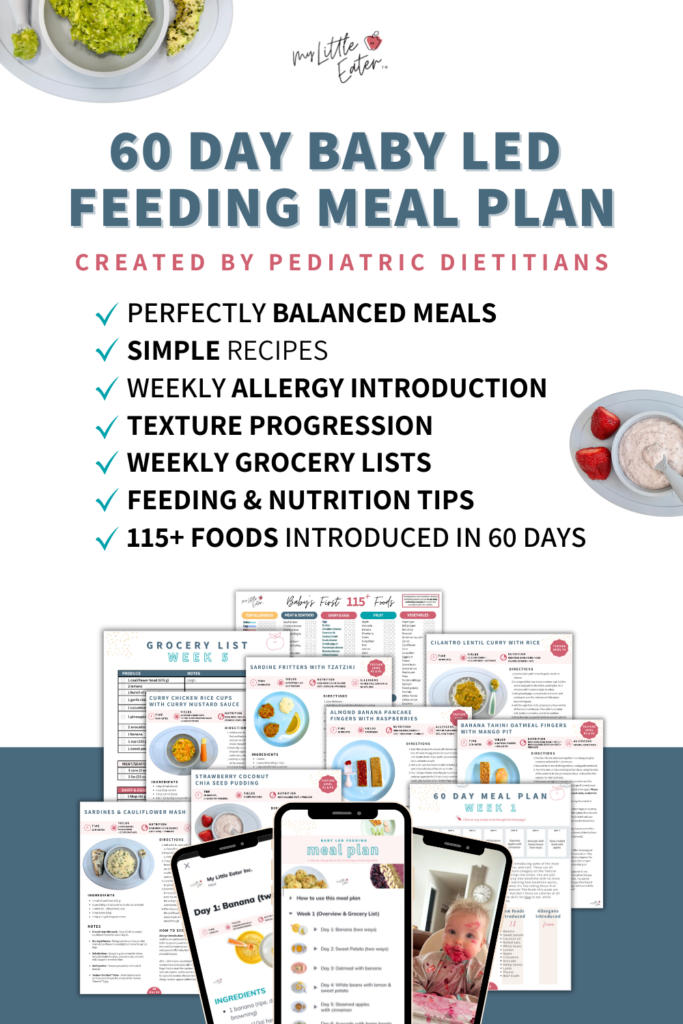
This strategy serves a secondary purpose: reducing the "mental load" on parents. Decision fatigue, particularly in the context of sleep deprivation and the demands of infant care, often leads parents to rely on a limited rotation of "safe" foods. A 60-day plan provides a clear, daily guide that dictates what to feed, how to prepare it, and when to introduce it, effectively eliminating the daily panic of meal planning.
A Two-Phase Chronological Approach to Solids
The 60-day initiation period is generally divided into two distinct 30-day phases, each serving a different developmental purpose.
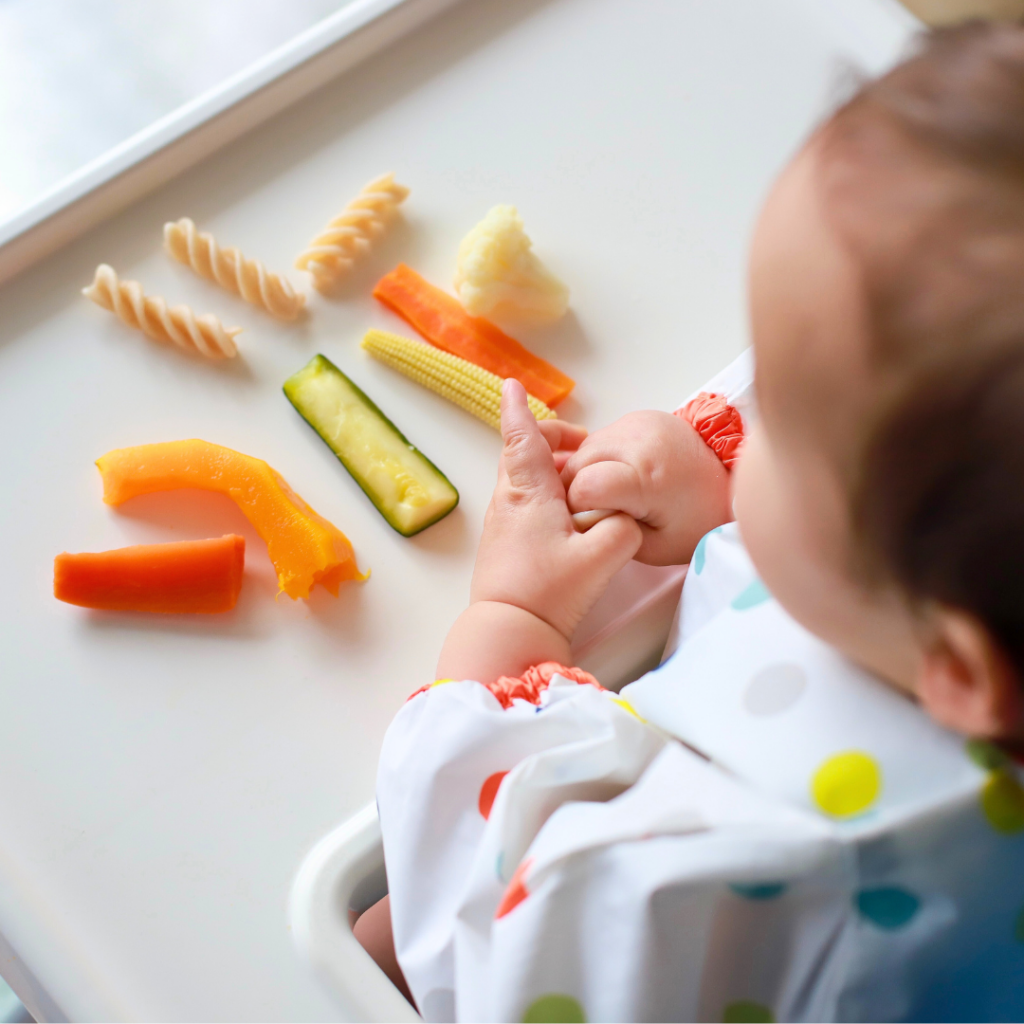
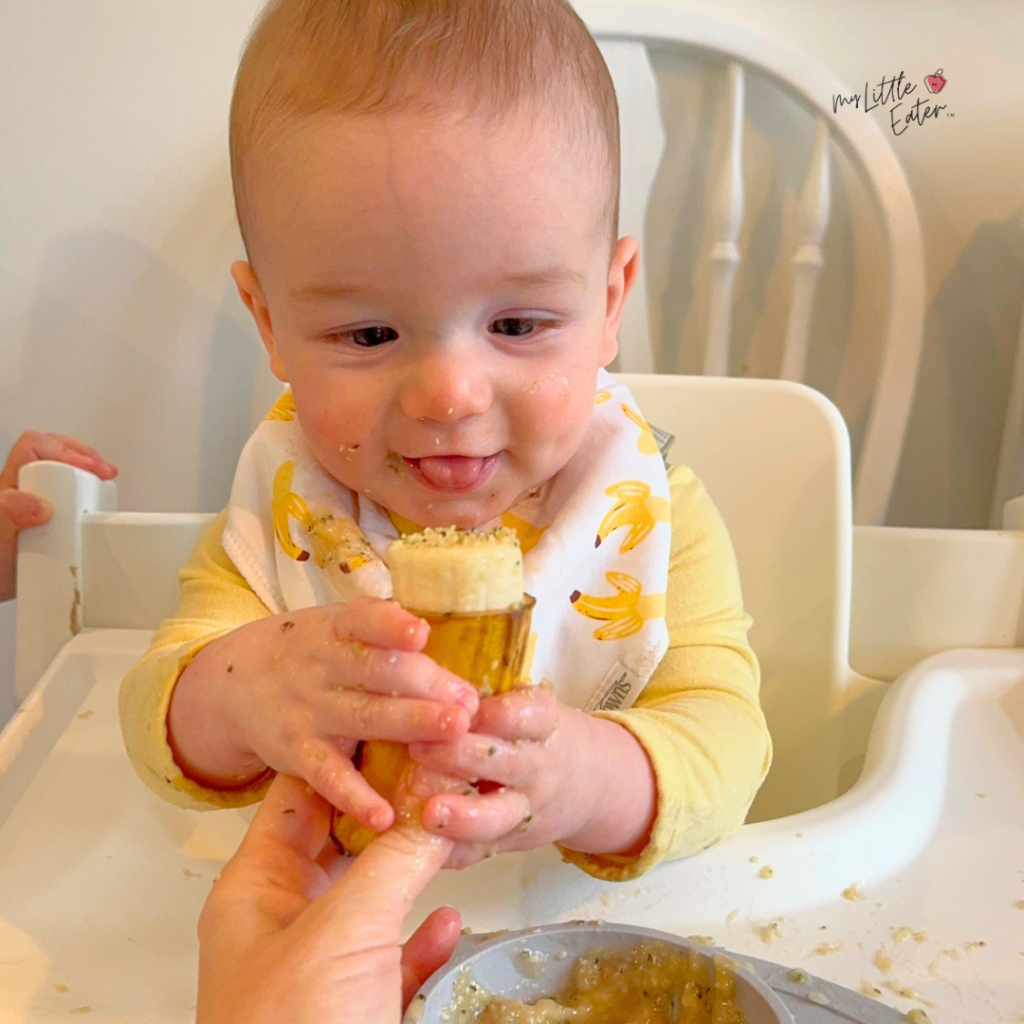
In the first 30 days, the primary objective is exploration. At this stage, success is not measured by the volume of calories consumed, but by the infant’s ability to engage with the mechanics of eating. The infant is learning critical motor skills: how to grasp food, bring it to the mouth, manipulate it with the tongue, and eventually swallow. Because an infant’s stomach is approximately the size of their fist, the nutritional intake is primarily derived from breast milk or formula; solids function as a "nutritional top-up."
During the second 30-day phase, the focus shifts toward more consistent intake. With a structured rotation in place, the child is exposed to an ambitious variety of over 115 foods. This period is essential for building the confidence required for the child to handle more complex textures, moving from thin purées to mashed, soft, and eventually finger-food textures.
The Texture Timeline and Motor Skill Progression
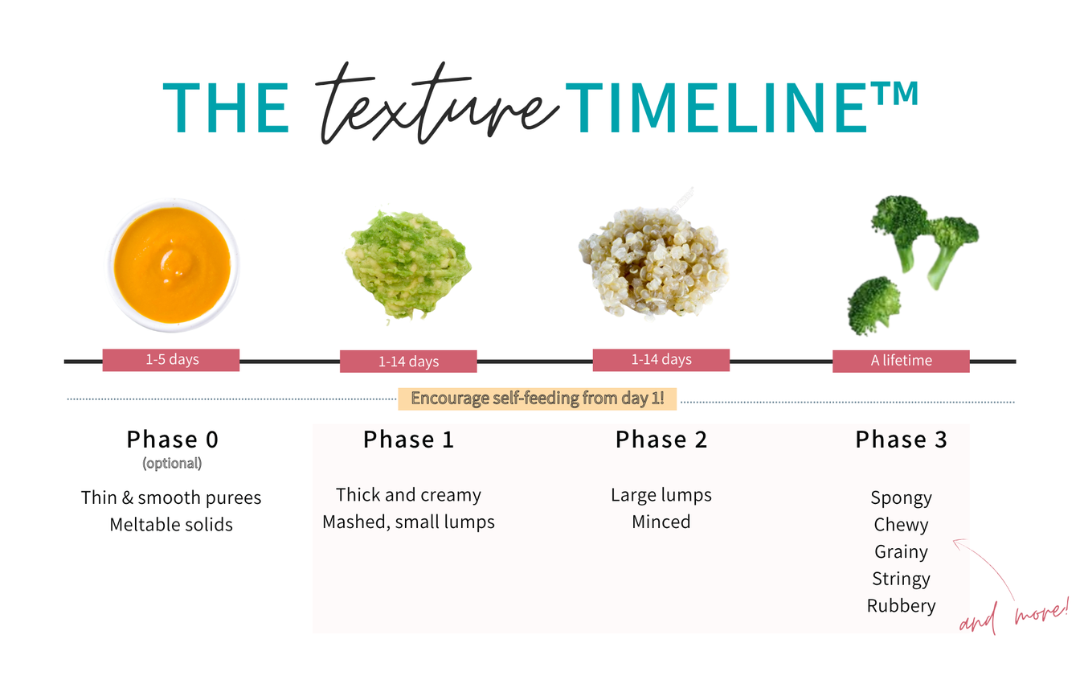
A significant point of contention in infant nutrition is the debate between traditional spoon-feeding and Baby-Led Weaning (BLW). Pediatric experts increasingly argue that this "all-or-nothing" approach is a false dichotomy. Instead, they advocate for a "Texture Timeline"—a spectrum of oral-motor development that allows for a gradual, safe transition.
The Texture Timeline emphasizes the importance of introducing varied textures—spongy, chewy, grainy, and stringy—by age one. This progression is supported by CDC infant nutrition guidelines, which emphasize that infants need to be developmentally ready before starting solids. Key indicators of readiness include the ability to sit upright with minimal support and the development of adequate head control. By focusing on developmental progression rather than rigid adherence to a specific methodology, parents can help their children develop the coordination needed for self-feeding while minimizing safety risks.
Addressing Nutritional Priorities: The Role of Iron
As infants reach the six-month mark, the iron stores accumulated during pregnancy begin to deplete. Consequently, iron becomes the most critical nutrient in the infant diet. While milk remains the primary caloric source in the early weeks, every bite of solid food must be nutrient-dense.
To meet these requirements, experts recommend prioritizing iron-rich foods such as red meat, fish, and poultry. For families adhering to plant-based diets, the strategy involves pairing plant-based iron sources—such as lentils, beans, or tofu—with Vitamin C-rich foods. This pairing, such as serving lentils with a tomato-based sauce, significantly enhances the body’s ability to absorb iron. This deliberate nutritional planning ensures that the transition to solids supports healthy brain development and oxygen transport.

Systematic Allergen Introduction
Current 2026 guidelines from the USDA and the Australasian Society of Clinical Immunology and Allergy (ASCIA) underscore the importance of early and frequent allergen introduction. Research suggests that introducing common allergens—including peanuts, eggs, dairy, soy, wheat, tree nuts, fish, shellfish, mustard, and sesame—around the six-month mark may significantly reduce the risk of developing food allergies.
A 60-day meal plan provides a systematic framework for this introduction. By offering these allergens in small, safe, and controlled amounts on a rotating schedule, parents can monitor for reactions while providing the immune system with the necessary exposures. It is vital for parents to distinguish between a true allergic reaction (such as hives or vomiting) and a contact rash, which is a common, non-allergic skin sensitivity often caused by acidic foods like tomatoes or citrus.

The Division of Responsibility and Mealtime Environment
To mitigate the stress associated with mealtime, dietitians recommend the "Division of Responsibility" framework. Under this model, the parent is responsible for the "what, where, and when" of the meal, while the infant is responsible for the "if and how much." By relinquishing control over how much the baby consumes, parents can create a low-pressure environment that encourages the child to listen to their own internal cues of hunger and satiety.
This calm environment also involves the management of the "gag reflex." Gagging is a natural, biological safety mechanism, not a sign of choking. In infants, the gag reflex is located further forward on the tongue, which allows them to clear food from their airway before it becomes a hazard. When a baby gags, a neutral "wait and see" response from the parent is essential. If the parent reacts with panic, the child may associate mealtime with anxiety, which can lead to future food refusal.
Implications for Long-Term Eating Habits
The implementation of a structured, 60-day, dietitian-led feeding plan provides more than just a menu; it provides a behavioral framework. By eliminating the stress of "what to feed," parents are able to act as mentors rather than enforcers. This consistency fosters a predictable routine, which has been shown to reduce cortisol levels in infants, creating an environment optimized for learning.
As the 60-day period concludes, the child will have established a foundation of over 100 foods. This variety is the most effective safeguard against the development of picky eating in the toddler years. By the time a child reaches 10 to 12 months, the skills acquired during this period allow for a seamless transition into family-style meals, where the infant participates in the same dining experience as the rest of the household, albeit with age-appropriate modifications.
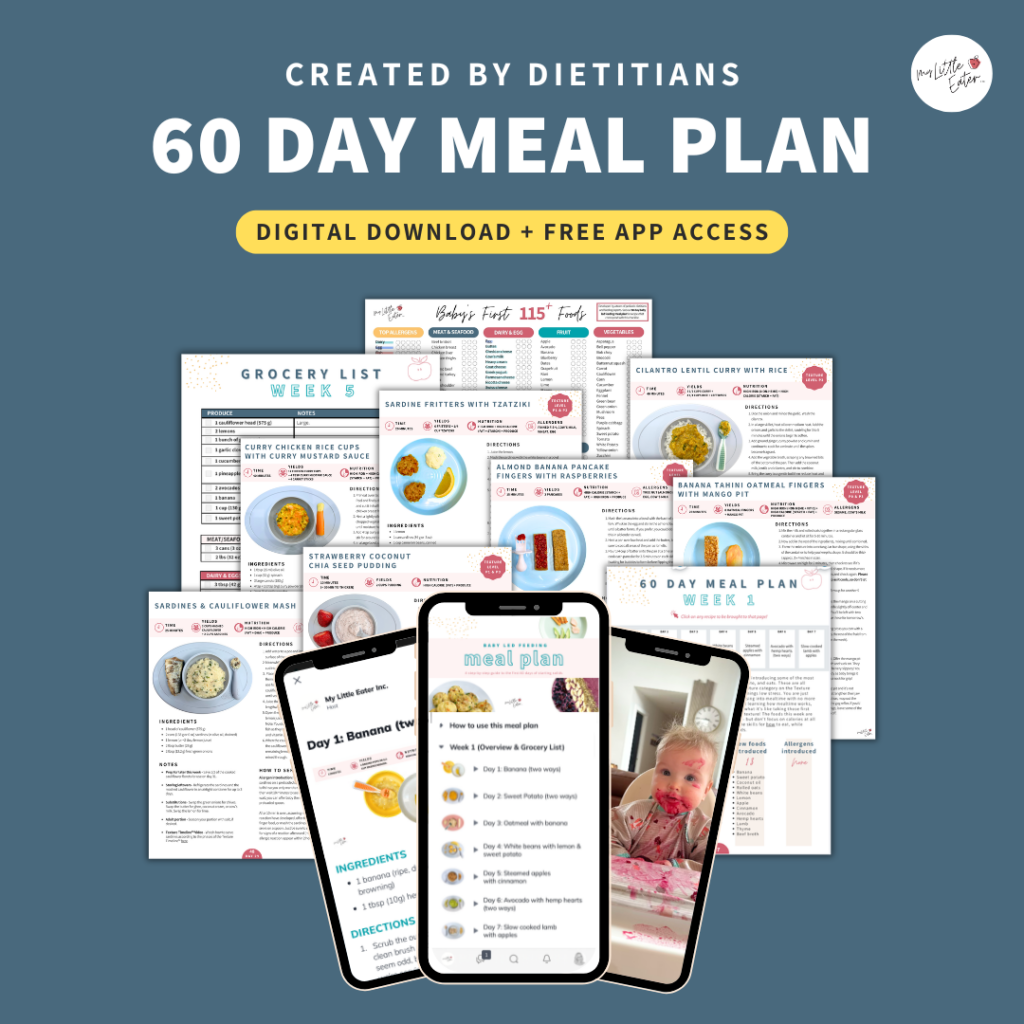
In conclusion, the transition to solids is a temporary but foundational phase. By relying on evidence-based strategies—such as the 60-day meal plan, the Texture Timeline, and the Division of Responsibility—parents can navigate this period with confidence, ensuring that their child develops not only the physical skills to eat but also a healthy, adventurous relationship with food that will serve them for a lifetime.