Best-Selling Infant Sleep Guide Precious Little Sleep Announces Comprehensive Second Edition Release Amid Industry Growth

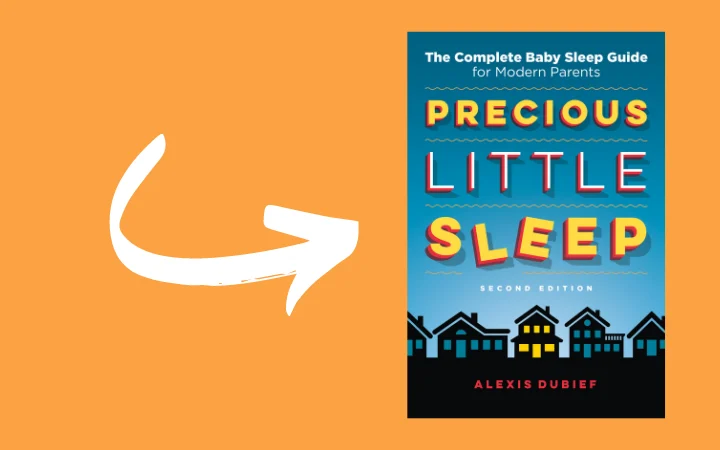
The landscape of modern parenting literature is undergoing a significant update with the official announcement of the second edition of Precious Little Sleep, a widely recognized resource for families navigating the complexities of infant and toddler rest. Following three years of widespread adoption, critical acclaim, and extensive implementation by parents globally, the author has confirmed that a thoroughly revised and updated version of the publication will soon hit the market. This upcoming release aims to address evolving parental needs, incorporate contemporary research in pediatric sleep science, and streamline strategies for establishing healthy rest routines. Alongside the commercial launch of the new volume, the publisher has instituted a limited-time distribution initiative to ensure existing readers retain access to the most current methodologies without incurring additional financial burdens.
Background Context of the Infant Sleep Literature Sector
The market for parental guidance literature, particularly concerning infant sleep training and behavioral conditioning, has expanded exponentially over the last decade. As modern parents face increased pressures related to work-life balance, digital connectivity, and an overwhelming influx of conflicting online advice, structured and evidence-based literary guides have emerged as critical anchors. Publications like Precious Little Sleep originally gained traction by bridging the gap between clinical sleep science and accessible, empathetic household application.
The first edition established itself as a staple in nurseries worldwide by demystifying common sleep associations, debunking rigid sleep myths, and providing customizable frameworks tailored to diverse family dynamics. However, child development experts note that parental challenges continually shift in response to societal changes, economic factors, and evolving digital distraction landscapes. Consequently, periodic revisions of foundational literature are standard practice within the publishing industry to maintain clinical relevance and practical utility.
Chronology and Development Timeline of the Second Edition
The development of the second edition spans a meticulous multi-year evaluation period following the commercial peak of the original volume.
- Phase One (2017–2020): Initial Success and Feedback Integration: Following the initial release and subsequent status as a best-seller, the author and editorial team began systematically collecting reader feedback, troubleshooting edge cases, and analyzing common hurdles encountered by families utilizing the first edition’s frameworks.
- Phase Two (2020): Editorial Revision and Manuscript Finalization: Throughout the three-year interim, the manuscript underwent comprehensive restructuring. This phase focused on refining terminology, enhancing clarity regarding transitional ages (such as the notorious four-month sleep regression), and integrating updated behavioral methodologies.
- Phase Three (Autumn 2020): Announcement and Limited Promotion: The formal announcement of the second edition arrived alongside a structured rollout plan. Recognizing the financial strains placed on households during broader economic fluctuations—exacerbated by global events in 2020—the author elected to launch a transitional grace period. This included a targeted promotional window ending on October 1, 2020, designed to transition loyal readers to the updated material seamlessly.
- Phase Four (Mid-October 2020): Distribution of Digital Upgrades: Fulfillment protocols were established to deliver the revised digital editions to verified prior purchasers by mid-October 2020, preceding the broad commercial availability of the physical and digital inventory.
Methodology for the Reader Upgrade Initiative
In an unprecedented move for independent parenting guides, the rollout of the second edition includes a structured verification system to reward early adopters and maintain equity of access. Recognizing that purchasing a newly revised edition can present an unnecessary expense for families who recently invested in the original text, the initiative provides a pathway for existing owners to secure the revised ebook.
To qualify for the promotional upgrade, participants must complete a secure digital submission via an established data collection portal before the strict deadline of October 1, 2020. Applicants are required to furnish verifiable proof of ownership of the initial release. Acceptable documentation includes photographic evidence of a physical book copy, digital ownership screenshots from recognized ebook distributors (such as Kindle, Apple Books, or Google Play), audio platform library captures, or official retail purchase receipts.
Logistical coordination dictates that once verification is processed, digital distribution manifests will be dispatched to qualified participants by October 15, 2020. Industry analysts note that this consumer-centric approach fosters strong brand loyalty while ensuring that outdated or superseded methodologies do not remain in circulation among active parenting communities.
Economic Considerations and Accessibility in Parenting Resources
The timing of the second edition release intersects with broader economic dialogues surrounding the accessibility of essential family resources. Economic downturns and inflation frequently compel households to scrutinize discretionary spending, which often includes self-help books, specialized literature, and parenting consultations.
By implementing a localized promotional distribution of 100 complimentary digital upgrades—paired with a broader philosophy emphasizing that financial status should not dictate access to quality family guidance—the publication addresses a critical socioeconomic barrier. Experts in family welfare frequently emphasize that sleep deprivation in early parenthood is not merely an inconvenience but a public health concern linked to postpartum depression, occupational hazards, and strained marital relationships. Ensuring that educational tools remain economically viable directly contributes to healthier domestic environments.
Implications for the Broader Parenting and Publishing Industries
The release of the Precious Little Sleep second edition serves as a case study for modern independent publishing within the niche non-fiction sector. As readers increasingly expect dynamic, living documents rather than static texts, authors face mounting pressure to continuously update digital assets.
Furthermore, the integration of direct-to-consumer verification forms demonstrates a sophisticated approach to community management and copyright validation. By leveraging direct digital distribution channels, independent authors can bypass traditional retail gatekeepers temporarily to reward their core readership. This strategy not only maximizes initial word-of-mouth marketing velocity for the new edition but also establishes a transparent bridge between content creators and consumers.
As the second edition transitions from its introductory promotional phase to full commercial availability, its reception will likely reinforce the demand for empathetic, scientifically grounded, and economically accessible parenting literature. For families navigating the unpredictable terrain of infant sleep, the availability of a refined, comprehensive edition marks a welcome advancement in domestic resource management.
Related posts: