The transition from the relaxed rhythms of summer vacation to the structured demands of the academic calendar presents a significant seasonal challenge for families across the United States. Following a dozen years of navigating the back-to-school period through various developmental stages, experienced parents and family psychologists emphasize that strategic, low-pressure rituals can substantially mitigate seasonal anxiety. Educational experts and child development specialists increasingly recommend intentional family routines to ease the psychological burden of the first day of school, transforming apprehension into anticipation for students of all age groups.
Background and Context of Seasonal Transitions
The late-summer transition is historically recognized as a period of heightened stress within households. According to pediatric mental health researchers, the shift from unstructured days to early morning alarms, academic pressures, and social adjustments frequently triggers physiological and psychological stress responses in both children and parents. Separation anxiety, changes in sleep hygiene, and the fear of social integration are among the primary stressors identified by school counselors.
Historically, families relied on basic logistical preparation—such as purchasing standard school supplies and establishing early bedtimes—to manage the transition. However, contemporary family lifestyle research suggests that incorporating positive reinforcement and celebratory traditions helps bridge the gap between home comfort and school environments. By framing the return to classrooms as a positive milestone rather than an abrupt disruption, households can foster emotional resilience in developing youth.
Strategic Approaches to Alleviation and Celebration
To address the multifaceted nature of back-to-school stress, family wellness advocates suggest a comprehensive approach tailored to different developmental stages. Based on longitudinal parenting observations and educator insights, seven distinct methods have been identified as effective tools for reducing anxiety and fostering a positive academic outlook.
Culinary Traditions and Morning Comforts
Establishing predictable, comforting culinary routines provides both nutritional value and psychological grounding during chaotic weekday mornings. Culinary specialists and parenting columnists frequently recommend starting the academic year with warm, nutrient-dense breakfast items, such as freshly baked zucchini or apple cider muffins. These items can be prepared in advance, allowing families to maintain a sense of coziness without sacrificing morning efficiency.

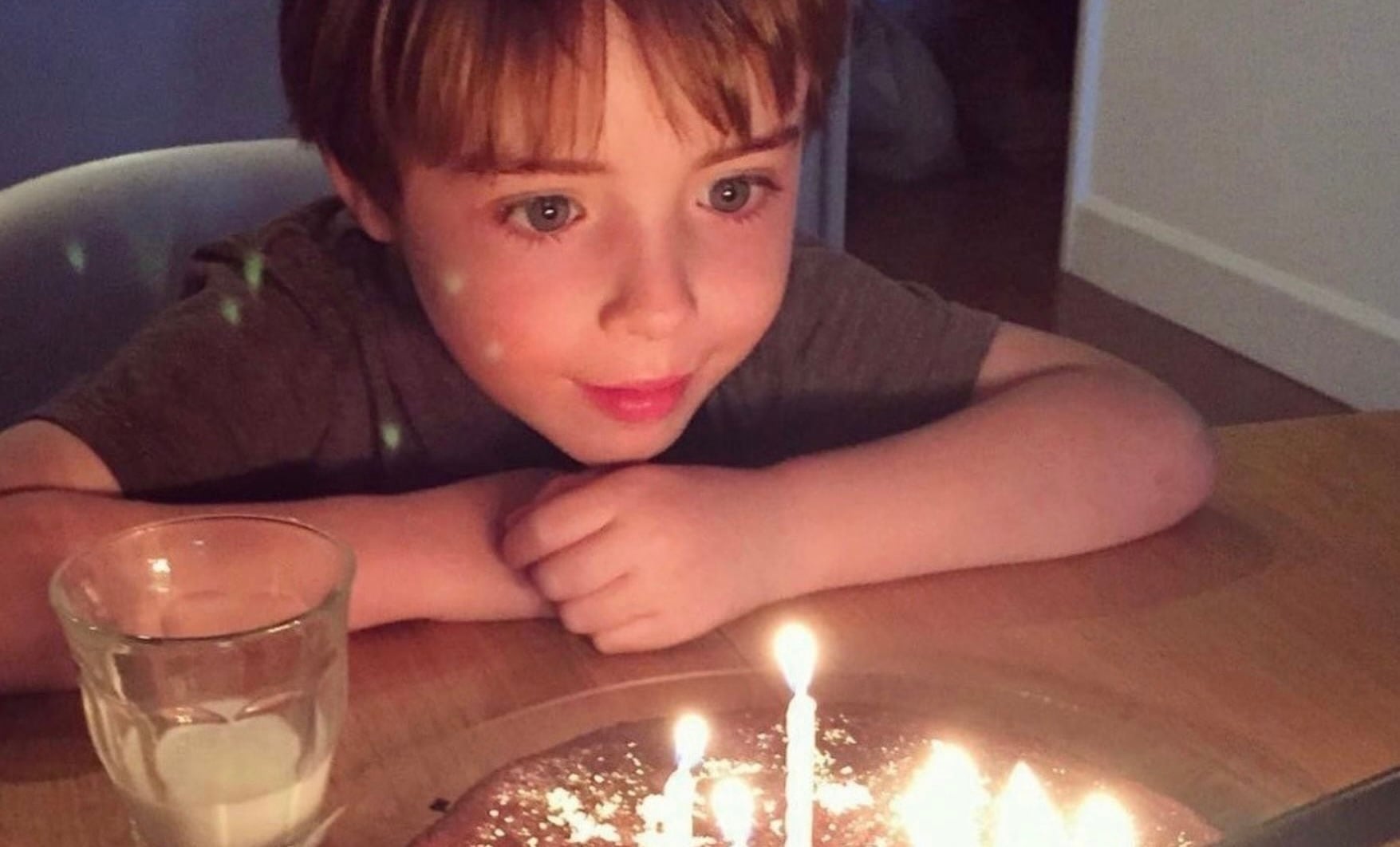
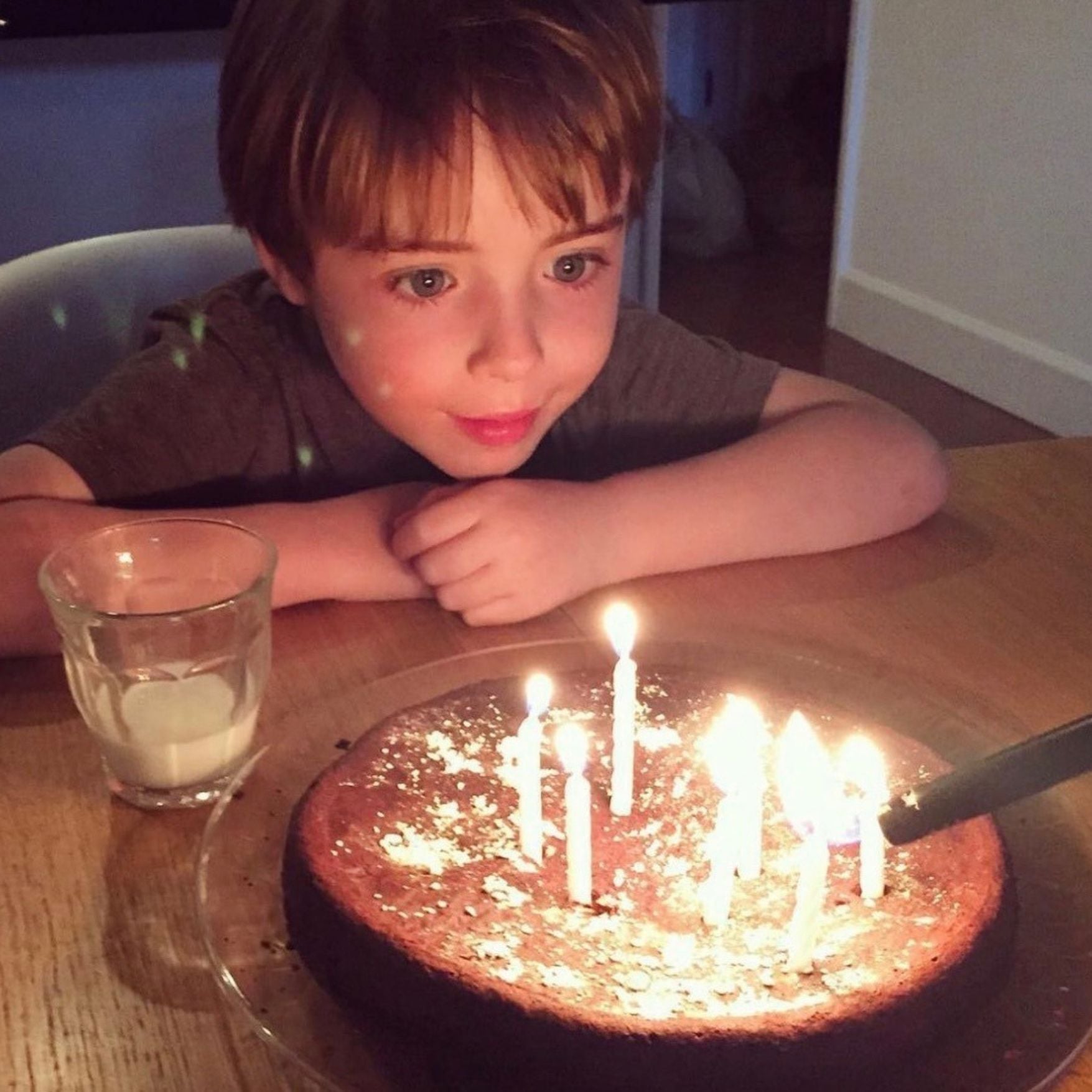
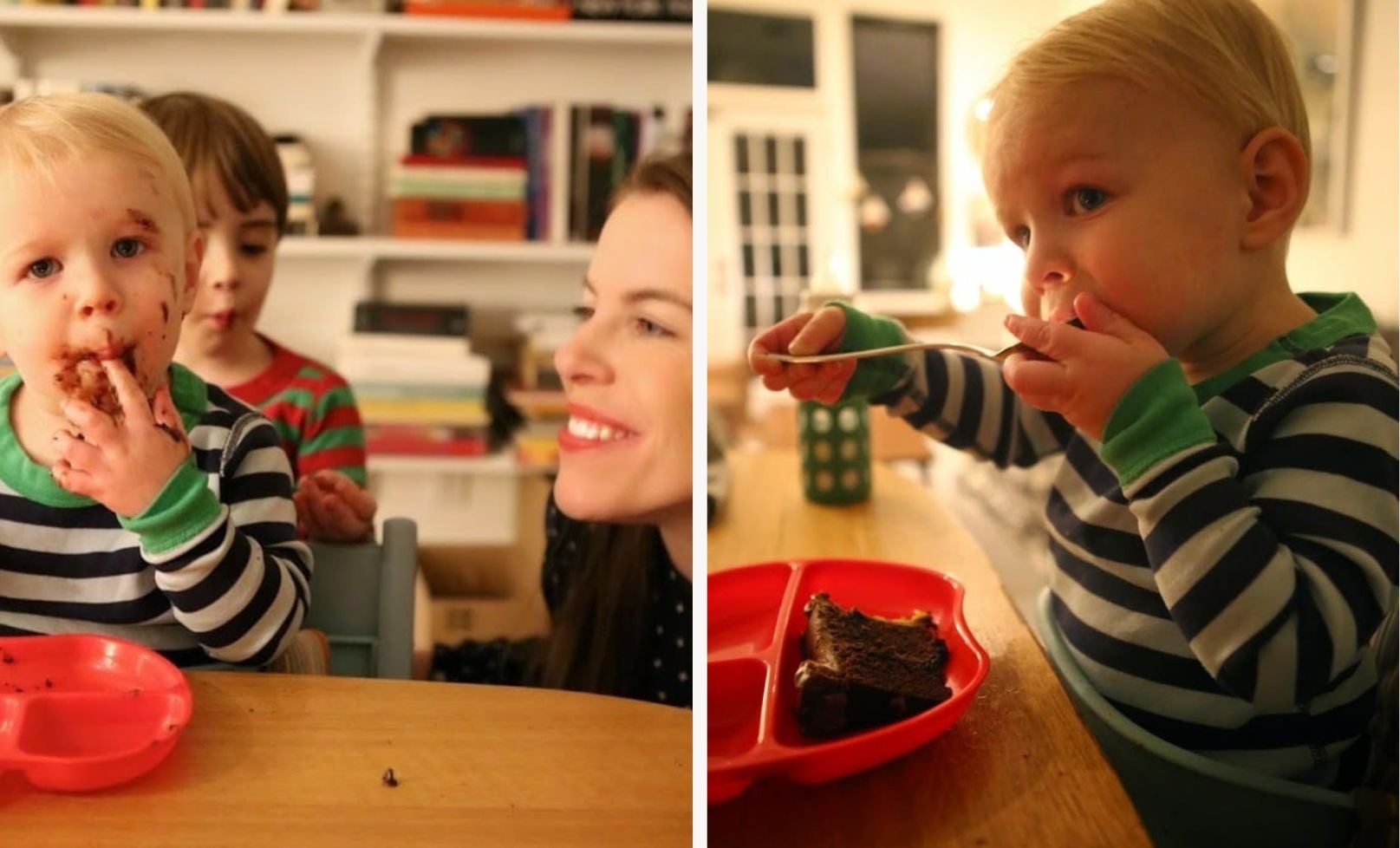
In addition to morning routines, some households have adopted the tradition of celebrating the eve of the academic year with a specialized dessert. By visiting a local bakery to select a cake and lighting candles the night before classes begin, families create a deliberate pause in the schedule. Psychologists note that this ritual reframes the evening preceding the first day—traditionally a moment of peak anxiety—into a celebratory event, helping children channel nervous energy into excitement.
Apparel Selection and Logistical Organization
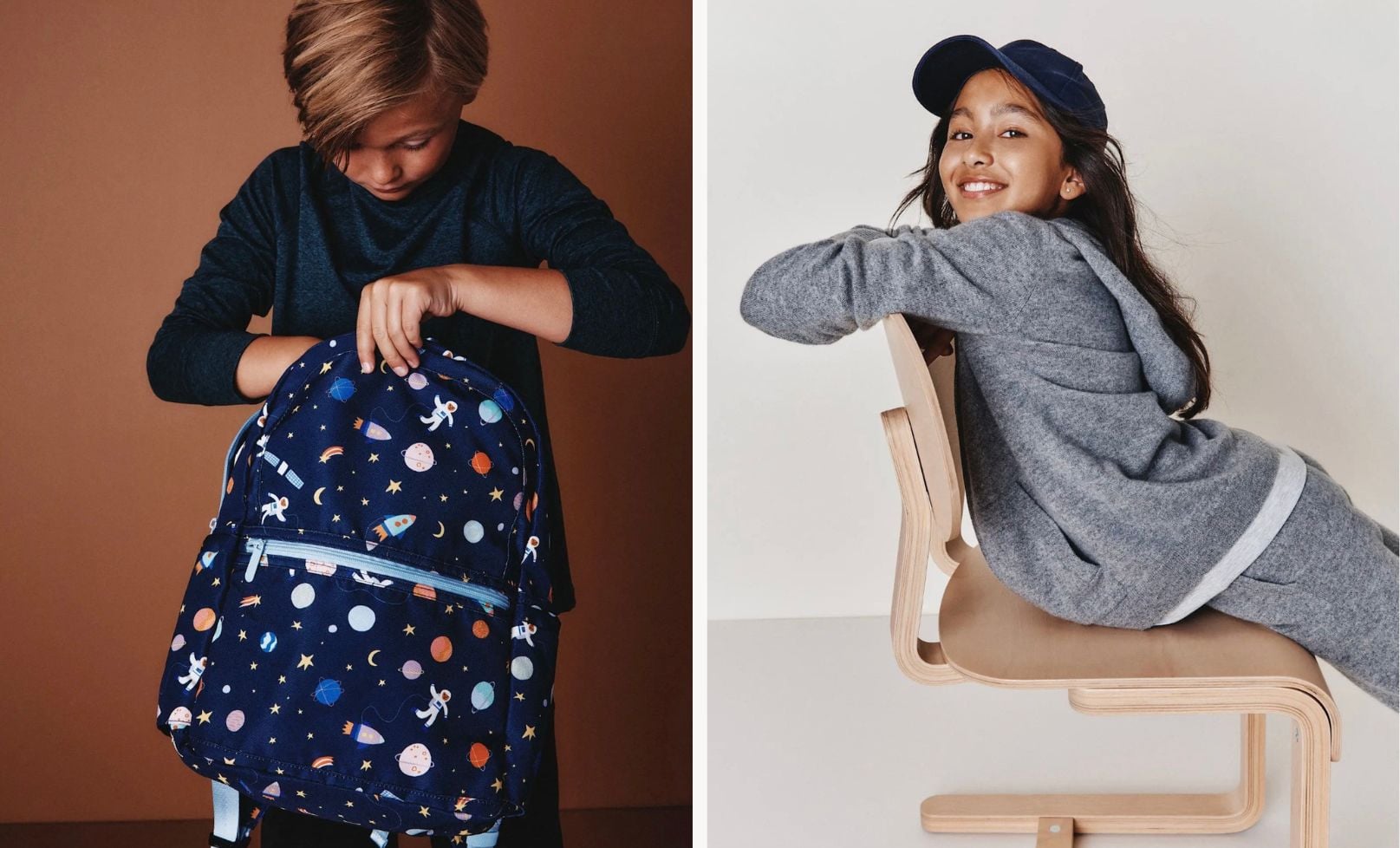
The historical practice of back-to-school shopping continues to serve a dual purpose: practical preparation and psychological readiness. Modern retail trends highlight a shift toward durable, versatile children’s wear, featuring items such as cotton sweaters, pique polos, and ergonomic backpacks designed to withstand daily wear.
Furthermore, logistical organization at home can significantly reduce morning friction. Child-rearing experts often suggest simplifying wardrobe management by standardizing accessories. For instance, designating specific colors of socks for individual children—such as white for younger siblings and black for older ones—expedites the sorting and laundry process while instilling a minor sense of personal ownership in younger students.
Age-Specific Coping Mechanisms: Early Childhood to Adolescence
The psychological interventions required for a successful transition vary dramatically depending on the student’s developmental stage.
For young children entering preschool or early elementary grades, separation anxiety remains a primary hurdle. Educational literature frequently highlights classic pedagogical tools, such as the children’s literature piece The Kissing Hand by Audrey Penn. The narrative, which details a mother raccoon soothing her anxious child by kissing his paw before school, offers a tangible metaphor for parental support. Teachers report that such symbolic gestures provide young learners with a comforting physical reminder of home, bolstering their confidence in unfamiliar environments.
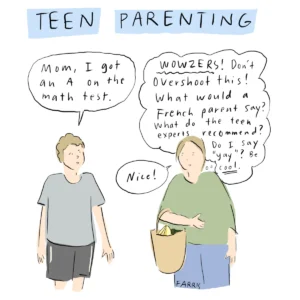
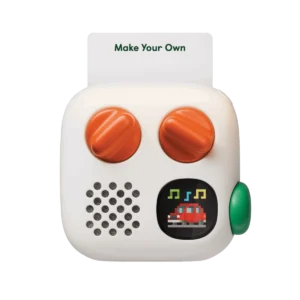
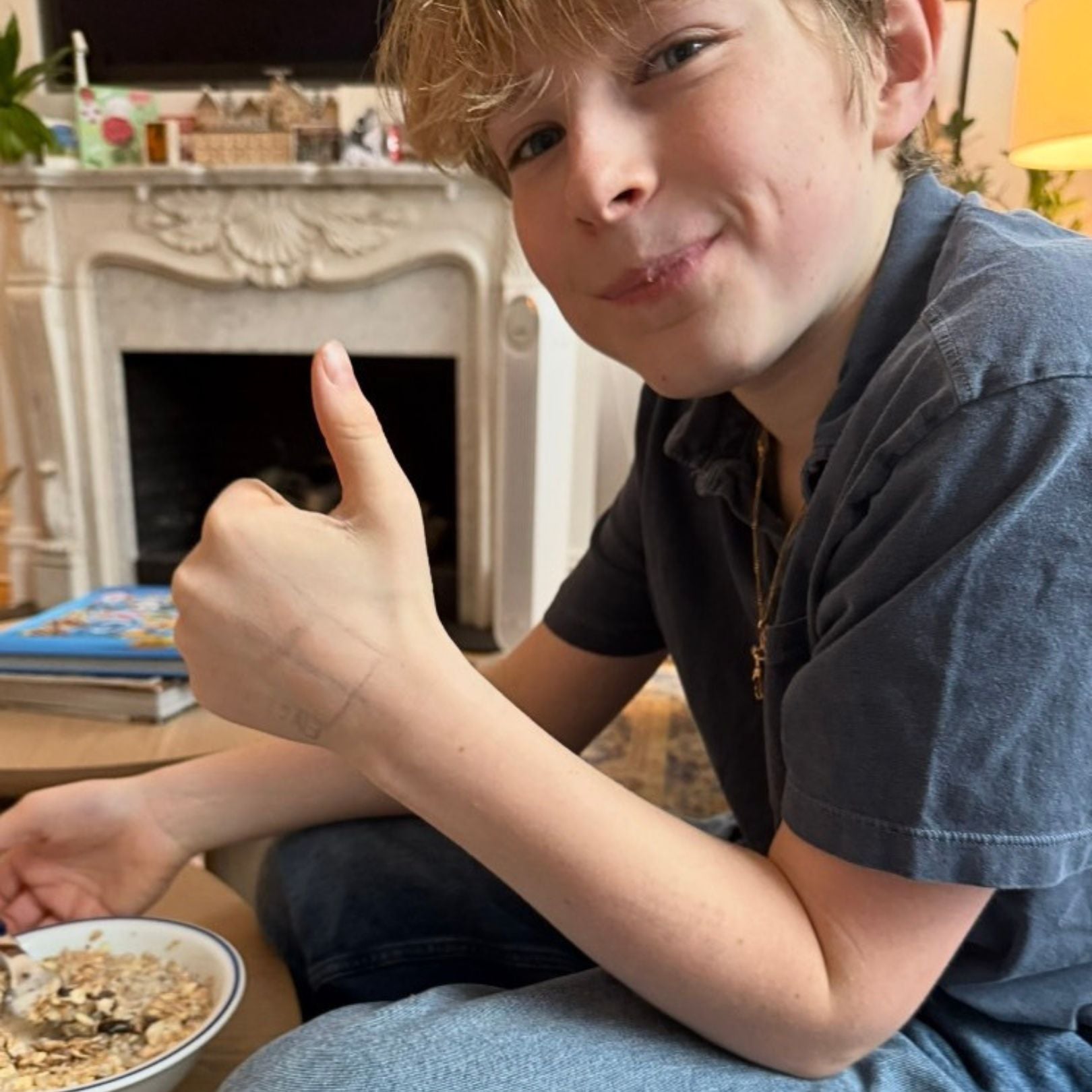
Conversely, adolescents and teenagers present a distinct set of transitional dynamics. Navigating the threshold between childhood and emerging independence, teenagers often experience complex emotional responses to the academic year. To foster trust and autonomy while acknowledging their growing maturity, parents frequently utilize flexible incentive structures, such as digital gift cards. These provisions allow older students to independently select items related to their academic or personal interests—ranging from educational software and accessories to media subscriptions—thereby encouraging responsible decision-making.

Parental Networks and Community Support
The emotional impact of the back-to-school season extends beyond the students; parents frequently experience a profound sense of loss or anxiety as their children re-enter the educational system. Observations outside elementary school gates routinely capture crowds of caregivers lingering to catch a final glimpse of departing students, underscoring the deep emotional investment of parenthood.
Family counselors strongly advise establishing a support network among peers—particularly those with older children who have successfully navigated the entire K-12 trajectory. Having a designated confidant on speed dial provides parents with necessary emotional validation and perspective during moments of seasonal vulnerability.

Societal Implications and Expert Analysis
The implementation of intentional back-to-school rituals reflects a broader cultural shift toward prioritizing mental health and emotional intelligence within family dynamics. Educational sociologists note that modern parenting heavily emphasizes emotional regulation, moving away from purely authoritarian or purely logistical approaches to childhood milestones.
By consciously structuring the weeks surrounding the start of the academic year, families create predictable touchpoints that reinforce security. Longitudinal data on student performance suggest that children who experience lower levels of acute transitional stress demonstrate better initial academic engagement and higher rates of attendance during the first quarter of the school year.
Ultimately, experts agree that while the logistical demands of outfitting students, adjusting sleep schedules, and managing academic calendars remain constant, the emotional framework surrounding these tasks is highly malleable. Through thoughtful preparation, culinary celebrations, and open communication, households can successfully convert a traditionally stressful transition into a stable and positive foundation for the academic year ahead.
Related posts: