Expanding Diverse Perspectives in Children’s Literature: A Critical Review of Representation and Inclusivity

The landscape of children’s literature has long faced scrutiny over the homogeneity of its protagonists. For decades, industry-wide studies have demonstrated that traditional publishing heavily favors white, male central characters, frequently marginalizing racial minorities, female protagonists, individuals with disabilities, and members of the LGBTQ+ community. As contemporary educators, librarians, and parents increasingly recognize the psychological necessity of mirror books—literature in which children see their own identities reflected—and window books—literature that offers a view into the lives of others—the demand for authentic, diverse storytelling has reached a critical juncture.
Historical Context and Representation Data

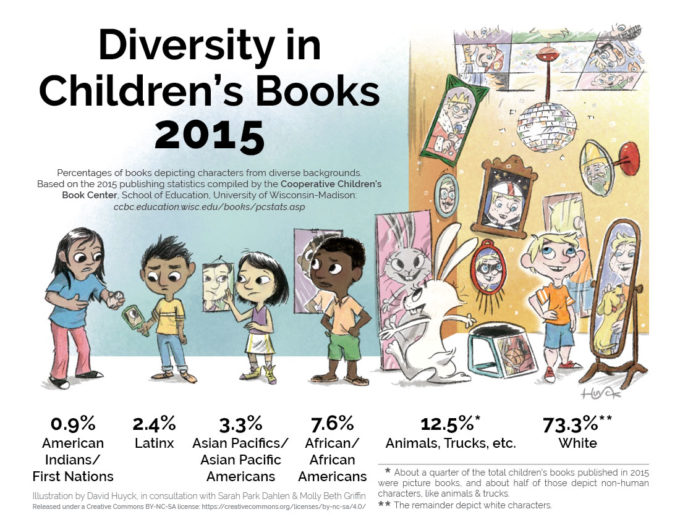
Statistical analyses conducted over the past twenty years consistently underscore the lack of diverse representation in youth literature. According to comprehensive data compiled by institutions such as the Cooperative Children’s Book Center (CCBC) at the University of Wisconsin-Madison, books featuring characters of color, individuals with disabilities, or non-traditional family structures historically accounted for a minor fraction of total annual children’s book publications.

For instance, studies from the mid-2010s indicated that authors and illustrators of color represented roughly 22 percent of the creators behind published children’s titles, while the actual representation of diverse human characters lagged significantly behind anthropomorphic or animal protagonists, which themselves defaulted overwhelmingly to male designations. Bestselling series geared toward middle-grade readers, such as Diary of a Wimpy Kid, Captain Underpants, and the Harry Potter franchise, while commercially dominant, historically entrenched a narrow demographic baseline focused primarily on young male protagonists.
Sociologists and educational psychologists emphasize that children begin absorbing cultural cues regarding societal value and normalcy during early childhood. When reading materials fail to mirror the demographic reality of an increasingly multicultural society, young readers from underrepresented groups may internalize a sense of invisibility. Conversely, children from dominant cultural backgrounds miss opportunities to develop empathy and intercultural competence. Consequently, contemporary literary critics argue that diversity in children’s books is not merely a matter of demographic checkbox fulfillment, but a fundamental prerequisite for comprehensive literacy and emotional development.
Categorized Selections: Fostering Inclusivity Across Developmental Stages
To address the paucity of diverse characters in commercial publishing, literacy advocates have curated targeted reading lists that combine literary excellence with robust representation. These selections span various developmental milestones, beginning with infants and toddlers and extending to middle-grade readers.
Early Childhood: Babies and Toddlers
At the foundational stage of reading, board books introduce basic concepts such as body parts, animals, and familial affection while subtly establishing baseline norms of diversity.
- Not Quite Narwhal by Jessie Sima: This narrative centers on Kelp, a young creature navigating identity and belonging. Moving beyond standard tropes of difference, the story emphasizes unconditional family love, making it an accessible allegory for adoption, blended families, or identity exploration.
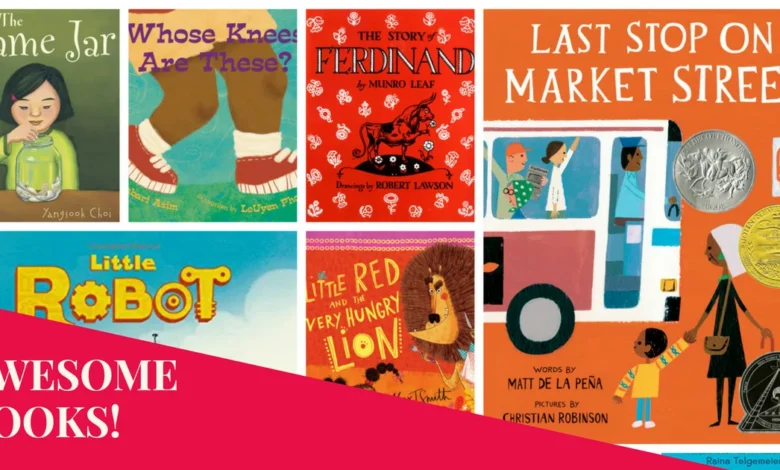
- Whose Knees are These? by Jabari Asim, illustrated by LeUyen Pham: A rhythmic board book that invites toddlers to identify and celebrate physical attributes across a visually diverse spectrum of children.
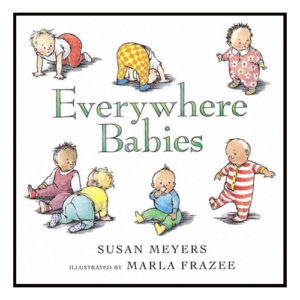
- Everywhere Babies by Susan Meyers, illustrated by Marla Frazee: Featuring illustrations that depict infants and families of varied racial backgrounds, socioeconomic statuses, and physical environments, this title reinforces universal themes of care and development.
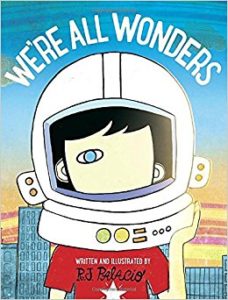
- We’re All Wonders by R.J. Palacio: Adapted from the bestselling novel Wonder, this picture book introduces younger audiences to Auggie, a child with facial differences who navigates social landscapes. The book serves as an early introduction to anti-bullying principles and radical empathy.
Preschool and Early Elementary Years
As children develop narrative comprehension, picture books provide structured exploration of social dynamics, cultural heritage, and non-traditional family structures.
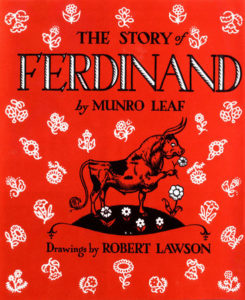
- The Story of Ferdinand by Munro Leaf, illustrated by Robert Lawson: A classic text subverting traditional gender expectations, featuring a bull who prefers smelling flowers to fighting in the arena.
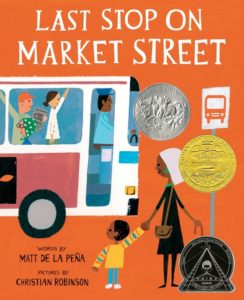
- Last Stop on Market Street by Matt de la Peña, illustrated by Christian Robinson: Winner of the Newbery Medal and a Caldecott Honor, this narrative follows a young boy and his grandmother riding a city bus. It portrays urban community life and economic diversity without resorting to didacticism.
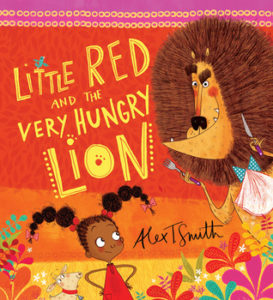
- Little Red and the Very Hungry Lion by Alex Smith: A multicultural, jungle-set retelling of Little Red Riding Hood that updates traditional folklore with vibrant illustrations and a humorous, non-violent resolution.
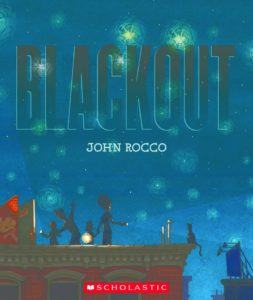
- Blackout by John Rocco: A Caldecott Honor book utilizing a comic-book format to depict an urban family during a summer power outage, highlighting how unexpected disruptions can facilitate familial connection.
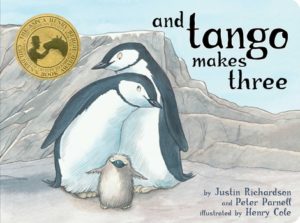
- And Tango Makes Three by Justin Richardson and Peter Parnell, illustrated by Henry Cole: Based on a true event at the Central Park Zoo, this picture book remains a rare prominent example of literature featuring a same-sex parent family structure, chronicling two male penguins raising an adopted chick.
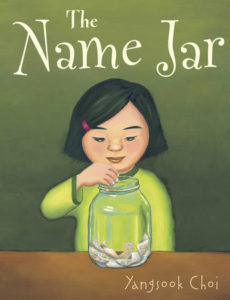
- The Name Jar by Yangsook Choi: Addressing the immigrant experience and cultural assimilation, the story follows Unhei, a young girl newly arrived from Korea who worries her classmates will struggle with her given name.
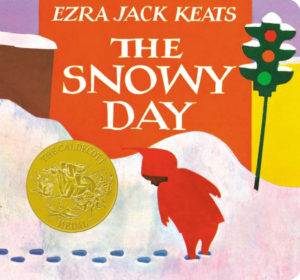
- The Snowy Day by Ezra Jack Keats: A seminal work that broke barriers upon its 1962 publication by featuring an African American protagonist in a simple, universal winter tale, earning a Caldecott Medal and enduring as a classic.
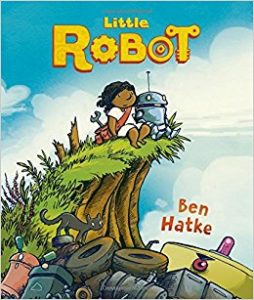
- Little Robot by Ben Hatke: A wordless graphic novel featuring a loyal, curious young girl who befriends an autonomous machine, emphasizing visual storytelling and independence.
Middle-Grade Readers and Graphic Novels
As readers transition into chapter books and graphic novels, complex socioeconomic realities, neurodiversity, physical disabilities, and interpersonal relationships emerge as central thematic elements.
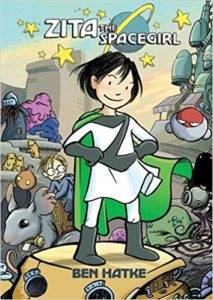
- Zita the Spacegirl by Ben Hatke: A science-fiction graphic novel series featuring a resilient, proactive female protagonist who embarks on an interstellar quest, offering accessible storytelling for early independent readers.
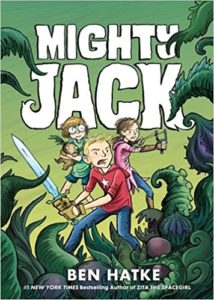
- Mighty Jack by Ben Hatke: A contemporary reimagining of Jack and the Beanstalk that integrates neurodiversity into the core narrative. The protagonist’s sister, Maddy, is autistic and nonverbal, serving as a primary character whose relationship with her brother drives the plot. The book also addresses single-parent households and familial resilience.
- El Deafo by Cece Bell: A Newbery Honor-winning graphic memoir detailing the author’s childhood hearing loss. The narrative balances the genuine social challenges of disability with humor, presenting the protagonist’s internal superhero persona.
- Sisters and Other Works by Raina Telgemeier: Telgemeier’s graphic novels, including Sisters, Ghosts (which features a protagonist with cystic fibrosis), and Drama (exploring adolescent identity and evolving sexualities), offer nuanced portrayals of middle-school social dynamics, sibling rivalry, and personal growth.
Implications and Future Outlook
The shifting landscape of children’s publishing reflects broader cultural imperatives regarding equity and representation. While major publishing houses have made measurable strides in diversifying author rosters and protagonist demographics since the mid-2010s, literary analysts note that systemic gaps persist. Independent publishers and creators continue to lead in introducing intersectional narratives that reflect contemporary society.
Industry observers emphasize that sustained demand from educators, librarians, and parents remains the primary driver for inclusive publishing. By intentionally curating reading materials that encompass diverse races, neurodivergence, physical disabilities, and varied family structures, stakeholders contribute to a more reflective literary ecosystem—one that equips the next generation with the empathy required to navigate an interconnected world.