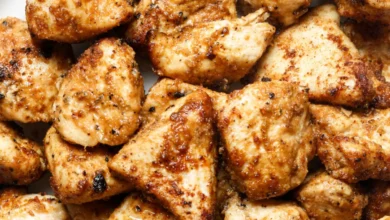
Air Fryer Chicken Bites: A Culinary Shift Toward Efficient Home Cooking

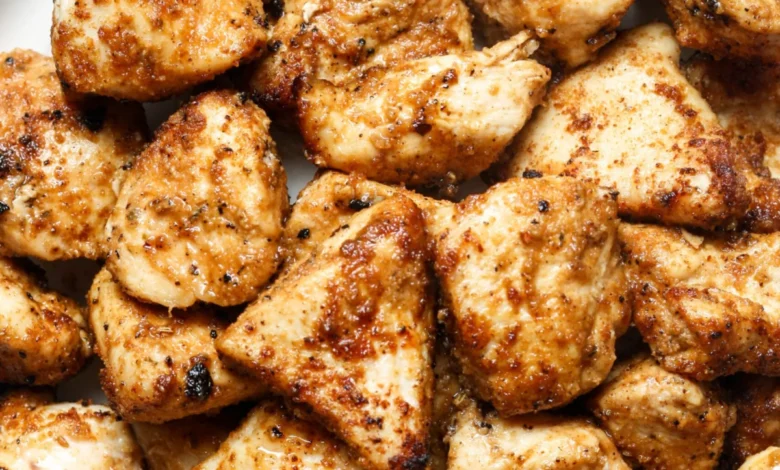
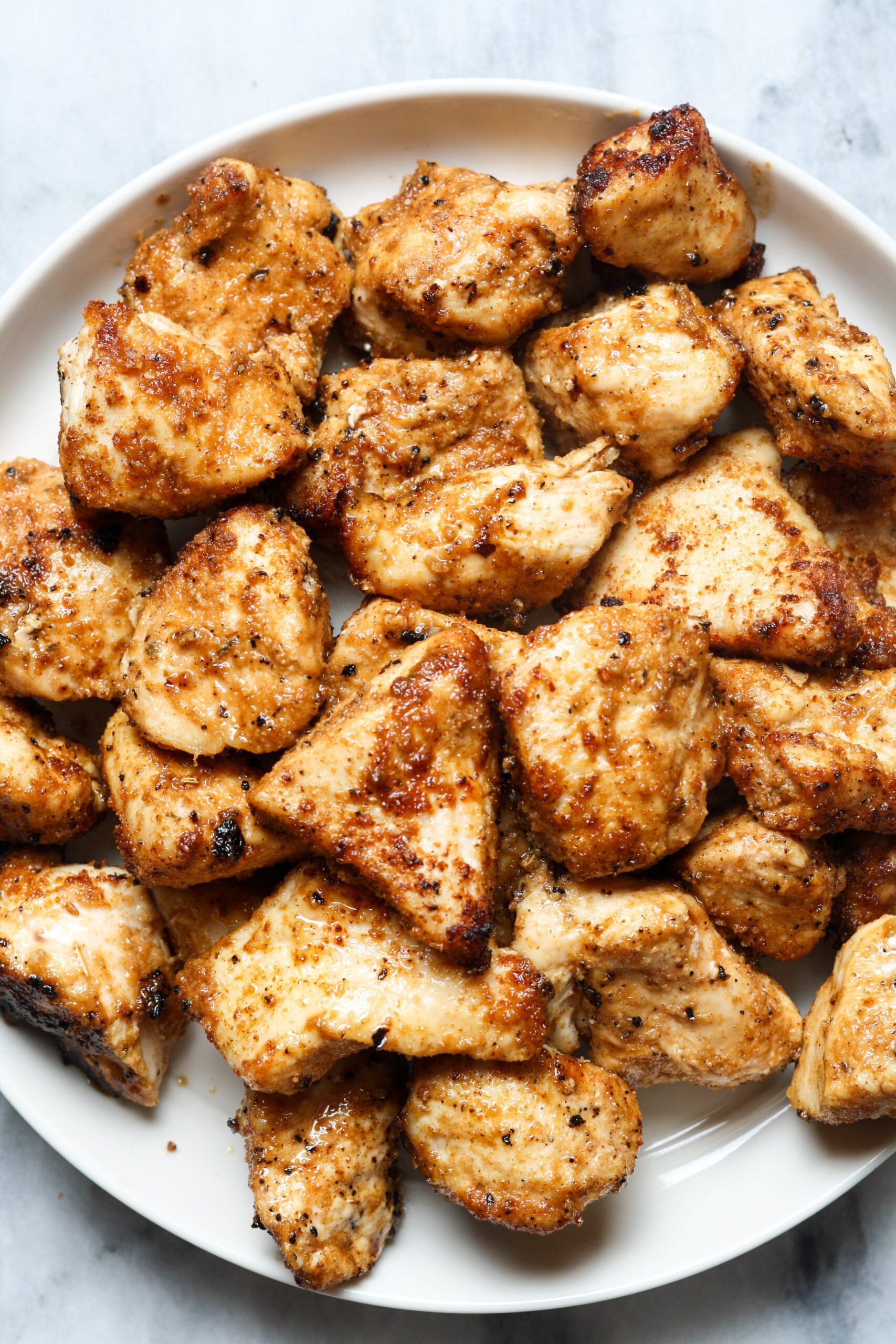
The modern domestic kitchen is undergoing a significant transformation driven by the integration of countertop convection technology, most notably the air fryer. As households increasingly prioritize time-efficient meal preparation without sacrificing nutritional value, air-fried chicken bites have emerged as a quintessential case study in this culinary evolution. These bite-sized poultry portions, characterized by their high surface-area-to-volume ratio, allow for rapid heat penetration, resulting in a product that mimics the texture of deep-fried food while utilizing a fraction of the fat.
The Rise of Air-Convection Technology in Domestic Kitchens
Data from market research firms suggests that air fryer adoption has surged by over 40% in North American households since 2020. This shift is not merely a trend but a response to the growing demand for "fast-casual" dining experiences within the home. The mechanics of an air fryer—a high-powered fan circulating hot air around the food—create the Maillard reaction, a chemical process between amino acids and reducing sugars that gives browned food its distinctive flavor. By reducing the reliance on immersion frying, consumers are actively lowering their intake of trans fats and excess calories, aligning with broader public health recommendations to reduce cardiovascular risks associated with heavy oil consumption.
Chronology of Preparation and Optimal Cooking Parameters
The preparation of chicken bites is a process defined by precise environmental controls. Culinary experts emphasize that the consistency of the final product is heavily dependent on the uniformity of the protein cuts.
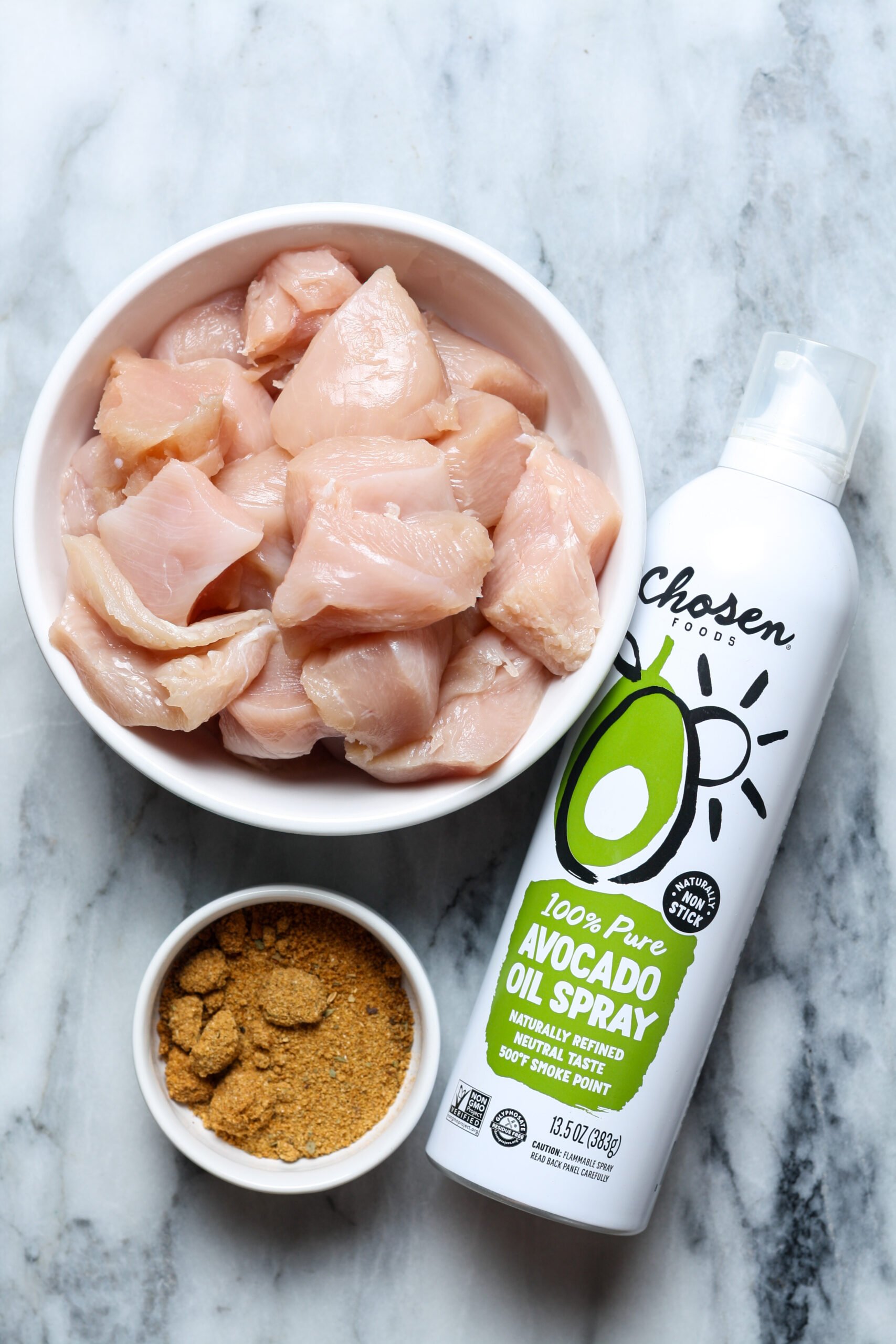
- Preparation Phase (T-minus 15 minutes): The process begins with the structural preparation of the chicken breast or thigh. The meat is sliced into standardized 1-inch cubes. Culinary scientists note that uniform sizing is critical to ensure even internal temperature distribution, preventing the outer edges from drying out before the center reaches the food-safety standard of 165°F (74°C).
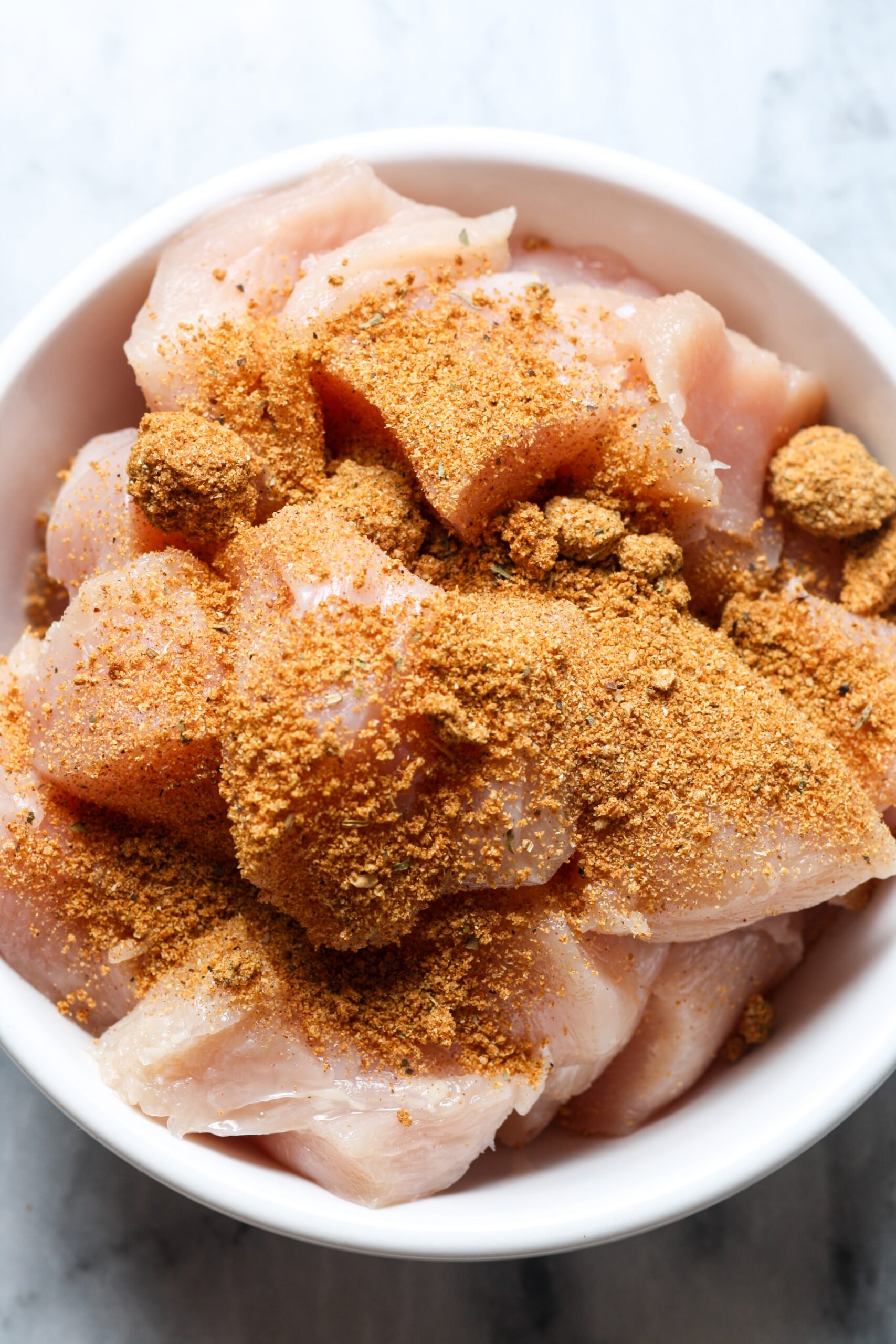
- Seasoning Integration (T-minus 10 minutes): Dry rubs—typically a combination of sea salt, black pepper, garlic powder, onion powder, and ground cumin—are applied to the surface. The inclusion of cumin provides a distinct earthy profile, while the garlic and onion powders act as foundational aromatics.
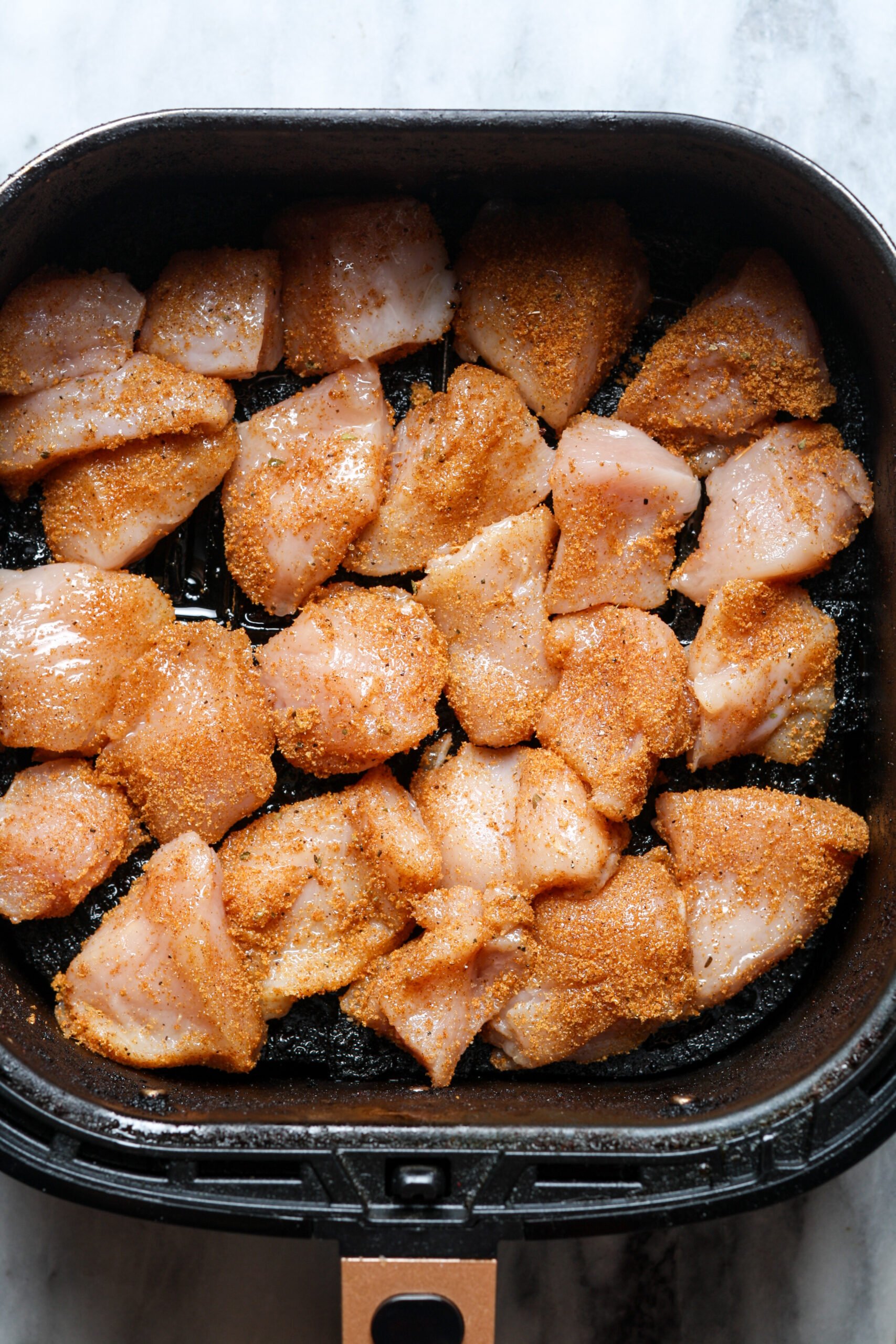
- Thermal Application (T-minus 5 minutes to completion): The pieces are arranged in a single layer to avoid overcrowding. Air circulation is the primary mechanism for success; overcrowding inhibits the airflow required to achieve the desired golden-brown crust. A brief application of olive oil spray acts as a conductive medium, ensuring the heat is efficiently transferred to the surface of the protein.
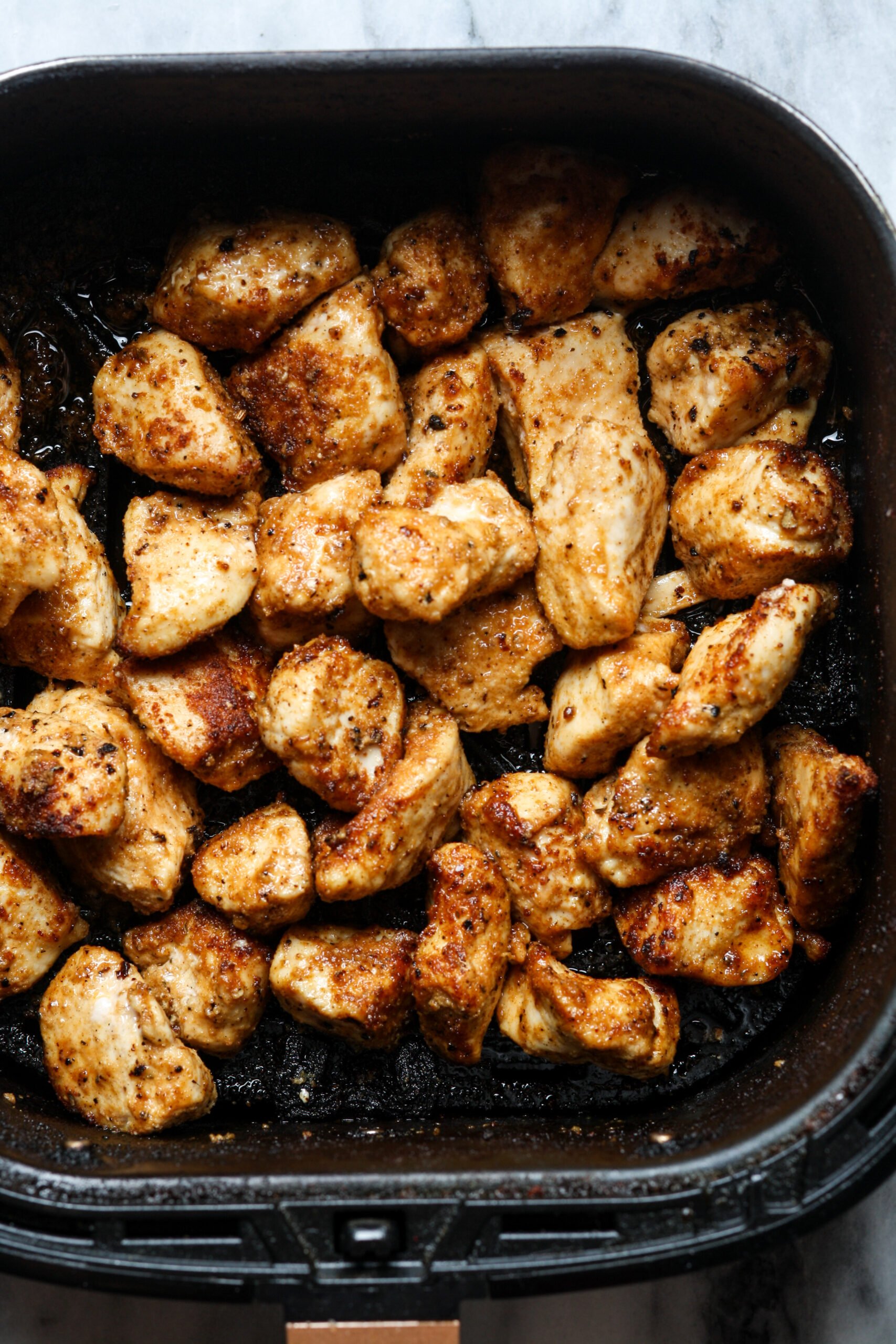
- The 12-Minute Threshold: Empirical testing in standard 1500-watt air fryers indicates that a 12-minute cooking duration, with a mandatory agitation or flip at the 6-minute mark, is the optimal window for achieving a moist interior and a crispy exterior.
Supporting Nutritional Context and Dietary Implications
From a nutritional standpoint, the transition from traditional frying to air-frying provides measurable benefits. While deep-frying can increase the caloric density of chicken by 20% to 30% due to oil absorption, air-frying maintains the integrity of the lean protein. A standard serving of 4 ounces of chicken breast prepared in an air fryer contains approximately 180–200 calories and 30 grams of protein, with less than 5 grams of total fat. This makes the dish an ideal candidate for meal-prepping, particularly for demographics focused on high-protein, low-glycemic index diets.
Expert Analysis: The Intersection of Convenience and Nutrition
Industry analysts, including those from food-science organizations, have observed that the popularity of this dish reflects a broader consumer movement toward "kitchen autonomy." By controlling the ingredients—specifically avoiding the processed breading and preservatives found in commercial frozen chicken nuggets—consumers are reclaiming agency over their dietary intake.
"The fundamental appeal of the air-fried chicken bite lies in its versatility," notes a food safety consultant who monitors trends in home-cooking appliances. "By providing a baseline method that works with various protein sources—from chicken breast to thighs—it lowers the barrier to entry for novice cooks, while the customization potential satisfies the palate of experienced culinary enthusiasts."
Strategic Integration into Weekly Meal Cycles
The impact of this recipe on household logistics is notable. Its compatibility with various cooking styles allows for a diverse range of applications, contributing to a reduction in food waste. When integrated into a meal-prep rotation, these bites serve as a versatile protein base that can be repurposed throughout the week.
- Macro-Nutrient Density: The high protein content makes them suitable for inclusion in grain bowls, effectively replacing more expensive or less nutritious processed meat alternatives.
- Economic Considerations: By purchasing whole chicken breasts or thighs in bulk and portioning them at home, households can realize significant cost savings compared to purchasing pre-packaged, pre-seasoned, or processed chicken products.
- Long-term Storage and Preservation: The ability to freeze the cooked bites—once they have been flash-frozen on a tray to prevent clumping—offers a strategic advantage for time-poor families. This method of preservation maintains the structural integrity of the meat for up to 90 days, effectively creating a home-made "convenience food" that is nutritionally superior to store-bought frozen options.
Potential Challenges and Mitigations
Despite the simplicity of the process, culinary professionals highlight common pitfalls that can diminish the quality of the dish.
- Moisture Management: The presence of surface moisture is the enemy of the Maillard reaction. If the chicken is not thoroughly patted dry with paper towels before the oil and seasonings are applied, the excess moisture will steam the protein rather than sear it.
- The Overcrowding Effect: As noted in the thermal application phase, the air fryer relies on convection. If the basket is filled beyond its capacity, the air cannot circulate around the individual bites, leading to a soggy, uneven result.
- Oil Selection: While olive oil is recommended, the smoke point of the oil must be considered. Extra virgin olive oil is generally stable at the temperatures typically used in air frying (375°F–400°F), but refined oils or avocado oil may be preferred for those seeking a higher smoke point to avoid any potential for burning during the final stages of the 12-minute cycle.
Broader Impact on the Culinary Landscape
The enduring success of recipes such as the air fryer chicken bite signals a pivot in how home cooking is communicated and practiced. The shift is moving away from complex, long-duration braising and toward high-heat, short-duration cooking methods. This evolution is mirrored in the design of modern kitchens, which are increasingly replacing traditional deep-fryers and heavy roasting equipment with compact, energy-efficient air-convection units.
As we look toward the future of domestic food preparation, the emphasis remains on the democratization of healthy eating. By standardizing the preparation of foundational proteins like chicken into rapid, repeatable processes, the culinary community provides the tools for sustained healthy habits. The air-fried chicken bite is not merely a recipe; it is a manifestation of contemporary efficiency, proving that the distance between raw ingredients and a nutritious meal can be reduced to just over ten minutes of active thermal processing.
In conclusion, the data consistently supports the efficacy of the air-fried chicken bite as a staple of the modern kitchen. Its minimal requirements for equipment, its reliance on lean protein, and its adaptability make it a subject of interest not only for those seeking quick meals but for health-conscious consumers aiming to balance the demands of a fast-paced lifestyle with the requirement for high-quality, home-prepared nutrition.