The Ultimate 15-Minute Caramelized Apple Slices Recipe for Cozy Autumn Mornings and Quick Desserts

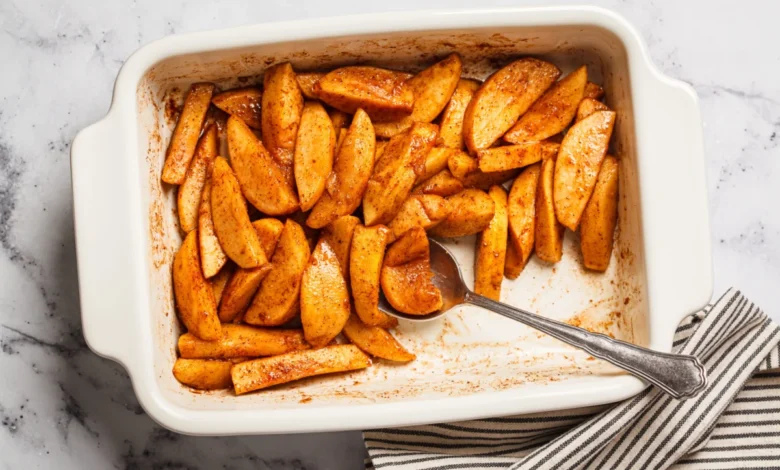
The culinary landscape of autumn often centers on the comforting, aromatic profile of warm cinnamon and fresh orchard apples. As consumer preferences shift toward quick-preparation, wholesome meals that do not sacrifice flavor, simple yet versatile recipes have surged in popularity across domestic kitchens. Among these, a 15-minute skillet recipe featuring caramelized apple slices, pure maple syrup, and aromatic cinnamon has emerged as a weekday staple for home cooks seeking efficient, nutritious meal enhancements.
Culinary Background and Nutritional Trends
The modern home cooking movement increasingly emphasizes whole foods that mimic the indulgence of traditional desserts while maintaining a clean nutritional profile. Traditional apple desserts, such as standard crisps or heavy pies, often rely on refined white sugars, heavy doughs, and prolonged baking times. In contrast, modern dietary adaptations leverage the natural fructose of seasonal fruits, utilizing unrefined sweeteners like pure maple syrup to accentuate flavor without introducing excessive glycemic spikes.
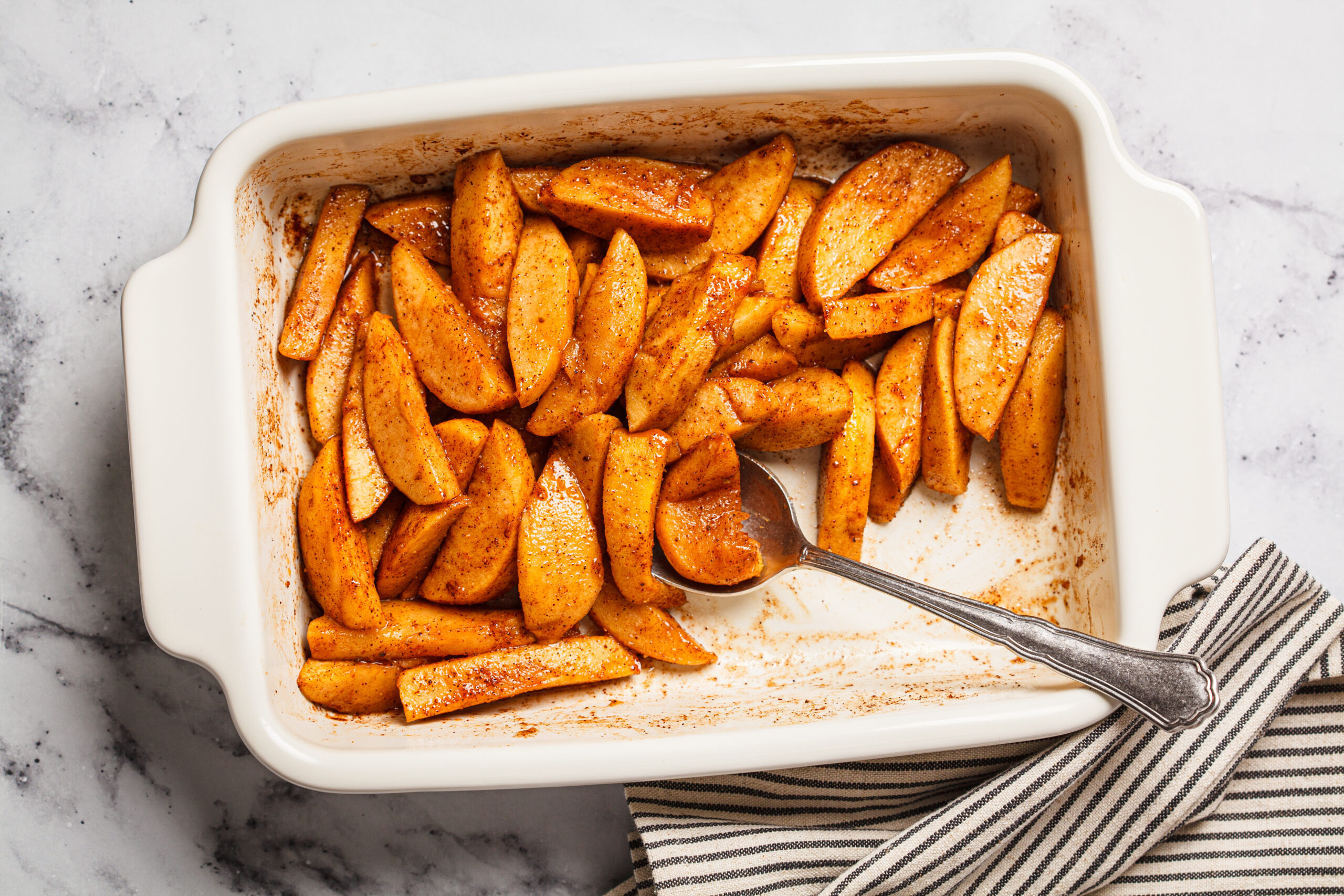
Nutritional analysts point out that apples provide a robust foundation of dietary fiber, vitamin C, and potent antioxidants, particularly when consumed with the skin intact. By lightly sautéing the fruit in a single skillet with a controlled amount of healthy fats—such as butter or plant-based alternatives—cooks can achieve a rich, buttery texture reminiscent of traditional caramelized apples in a fraction of the time. The addition of Ceylon or cassia cinnamon not only introduces a familiar, comforting warmth but has also been historically studied for its potential role in supporting healthy blood sugar regulation.
Chronology of a 15-Minute Kitchen Preparation
The efficiency of modern quick-cooking recipes lies in their precise timing and minimal equipment requirements. This particular preparation is structured for a total completion time of approximately 15 minutes, broken down into distinct operational phases:
Preparation Phase (10 Minutes): The process begins with the selection and uniform slicing of firm apple varieties, such as Honeycrisp, Granny Smith, or Braeburn. Culinary experts advise maintaining a slice thickness of approximately one-quarter of an inch to prevent the fruit from collapsing into applesauce during the heating process. During this window, ingredients such as pure maple syrup, ground cinnamon, and optional mix-ins—including raw pecans and dried cranberries—are measured and staged for rapid incorporation.
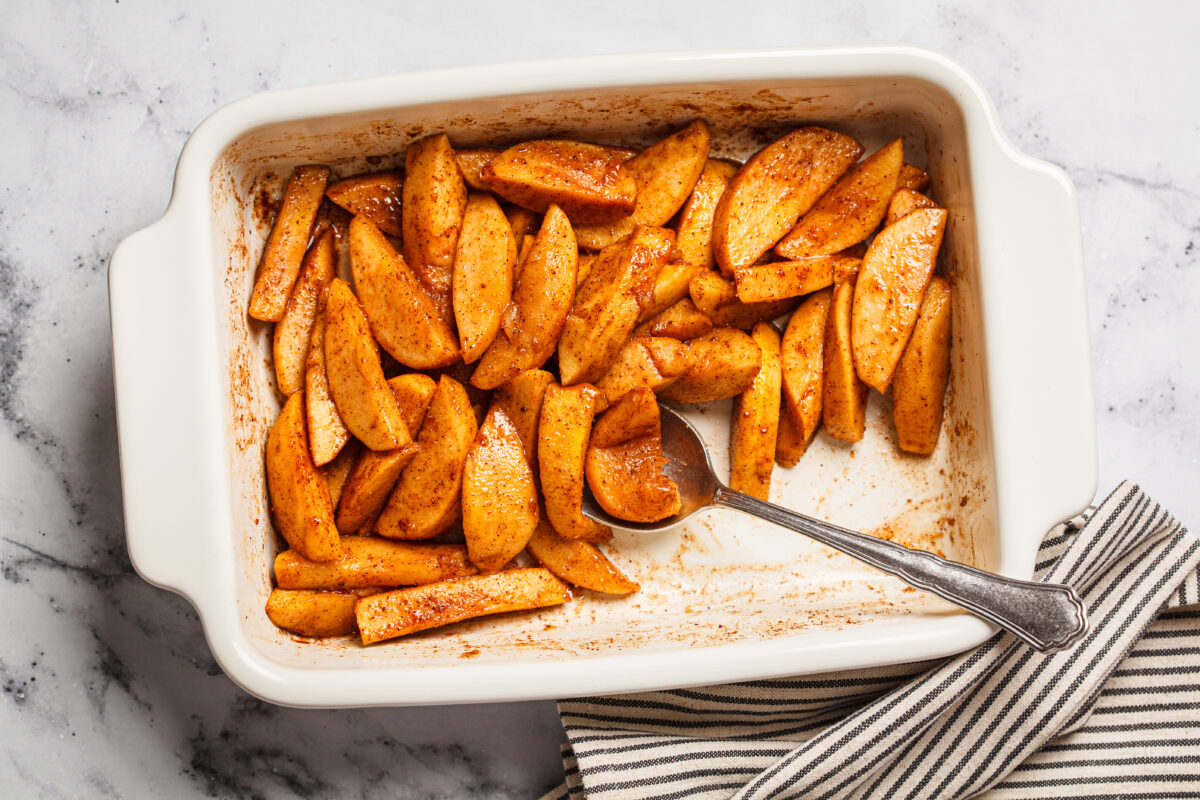
Cooking Phase (5 Minutes): A single skillet is heated to medium, allowing the butter to melt evenly before the apple slices are introduced. Maintaining moderate heat is critical; it provides the necessary thermal energy to soften the cellular structure of the apple flesh while allowing the natural fruit juices and maple syrup to reduce and bind into a glossy, caramelized coating. For variations incorporating pecans, a brief dry-toast in the pan prior to adding the fruit enhances the nutty aroma through the activation of natural plant oils.
Statements and Culinary Perspectives
Food scientists and culinary educators frequently emphasize the importance of fruit selection when adapting recipes for varying dietary needs.
"The fundamental success of a quick skillet apple dish depends entirely on the variety of the apple chosen," notes registered dietitian and culinary consultant Dr. Elena Vance. "Tart varieties like Granny Smith hold their structural integrity remarkably well under heat and balance out the sweetness of the maple syrup, whereas sweeter varieties require a more delicate touch with added sweeteners to avoid cloying flavors."
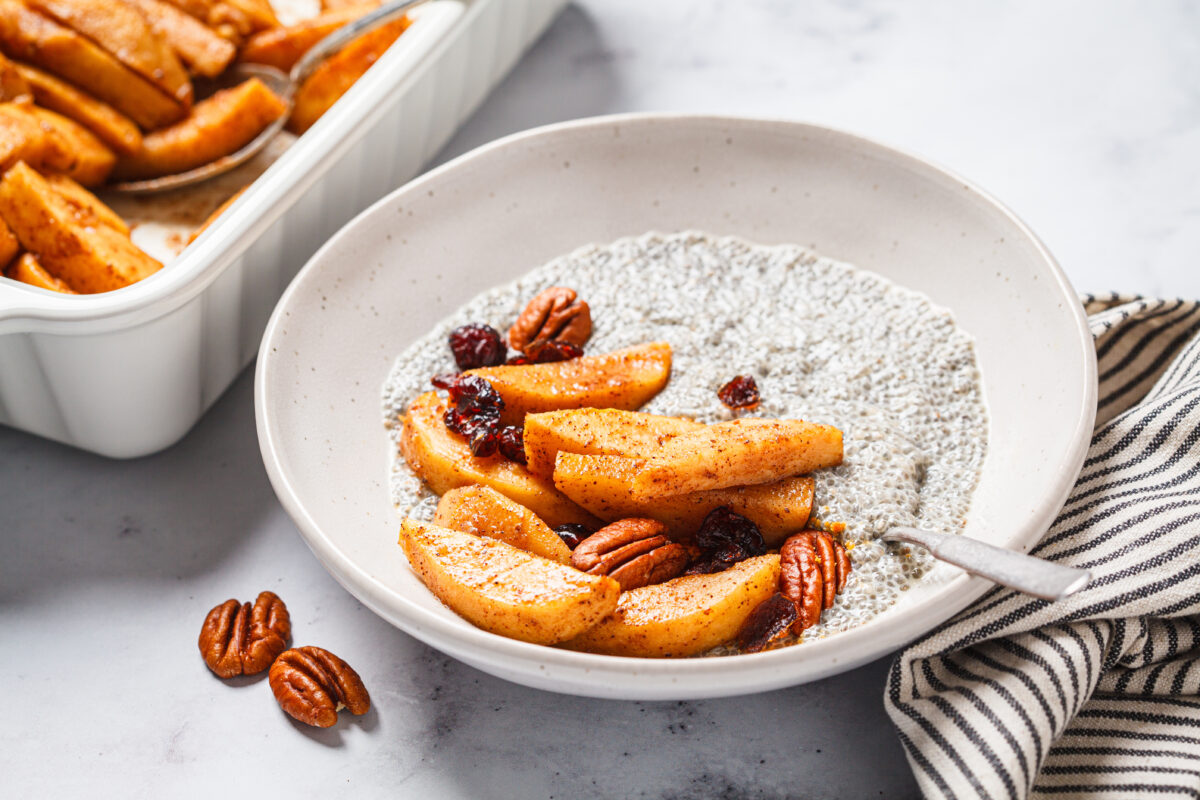
Furthermore, professional chefs praise the adaptability of the dish across different dayparts. "Versatility is the primary driver of repeat recipe utilization in contemporary households," explains executive chef Marcus Thorne. "When a single pan of sautéed apples can transition seamlessly from a breakfast topping for ancient-grain oatmeal or Greek yogurt to an evening accompaniment for artisanal vanilla bean ice cream, it provides exceptional utility for busy families."
Broader Culinary Implications and Storage Logistics
The rise of modular, batch-prepped ingredients reflects broader economic and lifestyle shifts among consumers who prioritize meal-prepping to minimize food waste. Apples, which rank among the most commonly purchased and occasionally wasted fruits in household refrigerators, benefit significantly from thermal preservation methods.
Properly prepared caramelized apple slices can be stored in airtight glass containers for up to four days under refrigeration. This storage longevity allows consumers to repurpose leftover portions across multiple meals throughout the workweek, reducing overall food spoilage. Nutritional economists note that maximizing the utility of foundational produce items aligns with growing consumer awareness regarding sustainable household food management.
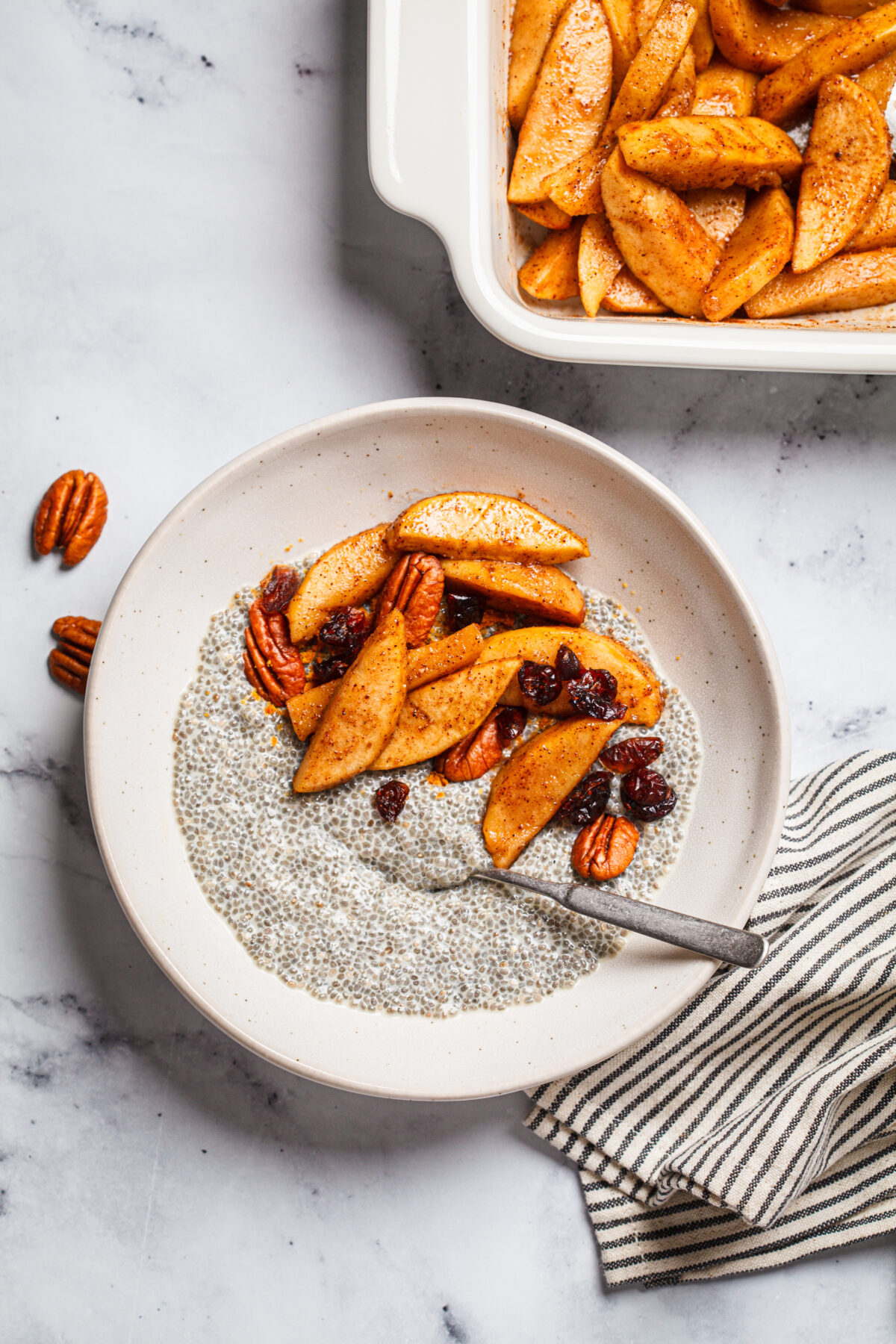
Moreover, the recipe’s inherent flexibility accommodates diverse dietary restrictions. By substituting traditional dairy butter with coconut oil or plant-based margarine, the dish easily integrates into vegan diets. The exclusion of gluten-containing thickeners or flours ensures natural compliance with gluten-free regimens, making it a universally accessible option in modern multi-diet households.
Conclusion and Future Outlook
As consumer demand for fast, wholesome, and flavorful home-cooked meals continues to grow, recipes that bridge the gap between everyday nutrition and dessert-like indulgence will remain central to home kitchens. The enduring appeal of warm cinnamon apples lies not only in their nostalgic sensory profile but also in their seamless integration into contemporary, fast-paced lifestyles. Whether served over morning chia pudding, layered into an afternoon yogurt parfait, or paired with evening desserts, this 15-minute preparation demonstrates how simple culinary techniques can elevate everyday ingredients into something extraordinary.