Sweet and Sour Chicken: A Culinary Bridge Between Takeout Favorites and Weeknight Ease

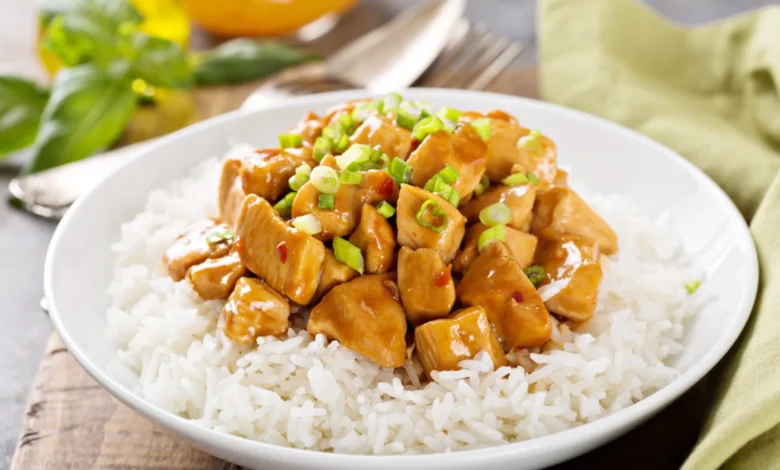
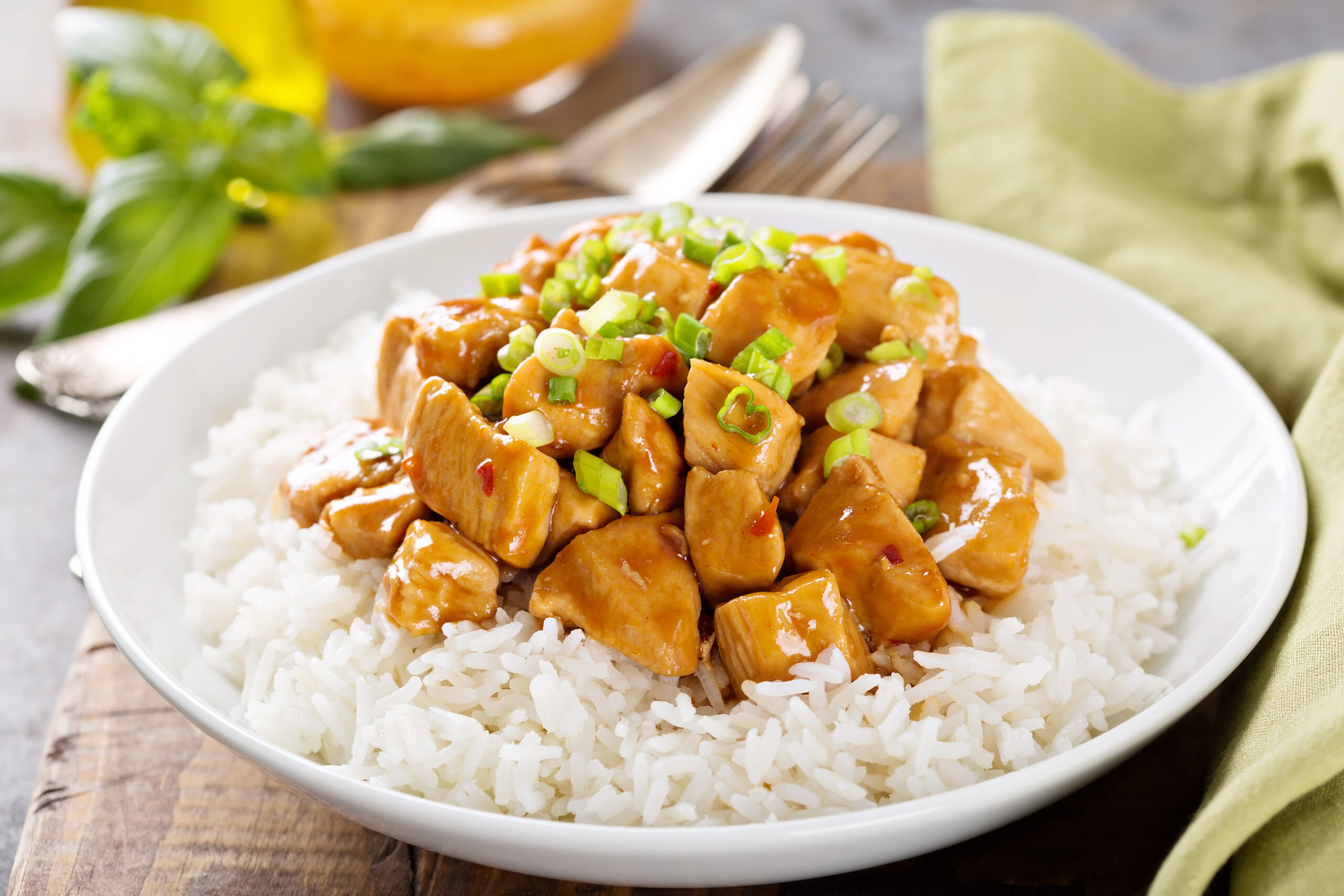
This Sweet and Sour Chicken is crispy, saucy, colorful, and full of family-friendly flavor. It makes a great weeknight dinner because it comes together quickly, and tastes like something special!
The appeal of Sweet and Sour Chicken extends far beyond the confines of a typical restaurant menu; it represents a beloved flavor profile that has captured palates across generations and cultures. This particular iteration, lauded for its crispy texture, vibrant sauciness, and family-friendly taste, emerges not just as a dish, but as a testament to the possibility of recreating cherished takeout experiences within the busy framework of a weeknight meal. Its promise of swift preparation and exceptional flavor positions it as a standout option for households seeking both convenience and culinary satisfaction.
The Allure of Homemade Perfection: Balancing Flavor and Simplicity
The culinary landscape is often dotted with dishes that evoke comfort and familiarity, and Sweet and Sour Chicken undoubtedly holds a prominent place in this category. What sets this homemade version apart, according to its proponents, is its ability to deliver the authentic taste of takeout without the accompanying complexity or lengthy preparation time. The sauce, described as a masterful blend of sweet, tangy, and savory notes, is a cornerstone of its appeal. The inclusion of red pepper flakes introduces a subtle warmth, a characteristic that can be artfully modulated to cater to diverse spice preferences, from the most sensitive young palates to those who appreciate a more robust kick. This adaptability underscores the dish’s inherent family-friendliness.
The genesis of such a recipe often stems from a desire to demystify popular restaurant fare, making it accessible for home cooks. The ingredients are typically straightforward, readily available in most kitchens, further enhancing its practicality. The process itself is designed for efficiency, suggesting that the journey from raw ingredients to a plated meal is remarkably short, a crucial factor for individuals juggling professional responsibilities, family commitments, and the general demands of modern life.
Mastering the Art: Key Techniques for Superior Sweet and Sour Chicken
Achieving the ideal Sweet and Sour Chicken involves more than just following a recipe; it requires an understanding of fundamental cooking techniques that elevate the final dish. Several key principles have been identified as crucial for unlocking the dish’s full potential.
-
The Art of the Sear: Avoiding the Steamed Outcome: A common pitfall in pan-frying chicken is overcrowding the pan. This can lead to the chicken steaming rather than browning, resulting in a less appealing texture and diminished flavor. The recommendation to cook the chicken in batches is a deliberate strategy to ensure each piece receives direct contact with the heat. This allows for the Maillard reaction to occur, a complex chemical process responsible for the browning of food, which in turn creates a more desirable crispy exterior and a richer, more developed flavor profile. This attention to detail transforms a simple frying step into a critical element of the dish’s success.
-
Calibrating the Heat: Tailoring Spice to Taste: The inclusion of red pepper flakes offers a nuanced approach to spice. While they contribute a gentle warmth, their quantity can be precisely controlled. For households with young children or individuals who are particularly sensitive to heat, reducing or omitting the flakes entirely is a simple yet effective modification. Conversely, for those who crave a more intense culinary experience, the flakes can be increased, or even additional spicy condiments can be introduced at the table. This flexibility ensures that the dish can be enjoyed by a wide spectrum of diners.
-
The Sweetness of Pineapple: A Natural Flavor Enhancer: Pineapple juice is frequently cited as a secret ingredient in achieving the perfect sweet and sour sauce. Its natural sweetness, coupled with its inherent tanginess, contributes a depth of flavor that artificial sweeteners might struggle to replicate. This tropical essence not only sweetens the sauce but also adds a subtle acidic counterpoint that balances the richness of the chicken. In instances where pineapple juice is unavailable, orange juice is suggested as a viable alternative, demonstrating an understanding of ingredient substitution within the realm of balanced flavor profiles.
-
Achieving Glossy Perfection: The Role of the Slurry: The visual appeal of Sweet and Sour Chicken is as important as its taste, and the sauce’s glossy finish plays a significant role. A cornstarch slurry, a mixture of cornstarch and liquid, is instrumental in achieving this coveted texture. When added to the simmering sauce, the cornstarch granules swell and absorb liquid, causing the sauce to thicken. Allowing the sauce to simmer for a short period after the slurry is incorporated is essential for it to reach its optimal consistency – a state where it is thick enough to coat the chicken beautifully, creating a visually appealing sheen.
-
The Imperative of Immediacy: Serving at Peak Performance: Like many dishes that rely on textural contrast, Sweet and Sour Chicken is best enjoyed immediately after preparation. The crispiness of the chicken, a key characteristic, is fleeting. As the dish sits, the chicken can absorb moisture from the sauce, diminishing its delightful crunch. Serving the dish promptly ensures that diners can experience the full spectrum of its intended textures and flavors, from the yielding interior of the chicken to its satisfyingly crisp exterior, all enveloped in a warm, glossy sauce.
Culinary Adaptability: Exploring Flavorful Variations
The inherent versatility of Sweet and Sour Chicken allows for a multitude of creative adaptations, catering to diverse dietary preferences and culinary explorations. These variations underscore the dish’s capacity to evolve beyond its classic form.
-
An Infusion of Nutrients: Incorporating Fresh Vegetables: To enhance the nutritional profile and visual appeal, a wide array of vegetables can be seamlessly integrated into the dish. Bell peppers, in their vibrant hues of red, yellow, and green, add not only color but also a crisp sweetness. Broccoli florets contribute a satisfying crunch and a boost of vitamins. Snap peas offer a delicate sweetness and a pleasant snap. Carrots introduce earthy sweetness and vibrant orange. Zucchini, when cooked briefly, adds a tender element. Even pineapple chunks, beyond their juice, can be added to amplify the tropical notes and provide bursts of juicy sweetness. The strategic inclusion of these vegetables transforms the dish into a more complete and balanced meal.
-
A Gentle Introduction: Crafting a Mild Version: For those who prefer a more subdued flavor experience, particularly young children, modifications can be made to reduce the spice level. The complete omission of red pepper flakes, coupled with a slight increase in honey or another preferred sweetener, can create a predominantly sweet and tangy profile. This approach ensures that even the most sensitive palates can enjoy the comforting flavors of Sweet and Sour Chicken.
-
Escalating the Heat: A Spicier Palate’s Delight: Conversely, individuals who enjoy a more pronounced spicy element have several avenues to explore. The quantity of red pepper flakes can be increased to intensify the heat. For those seeking a more complex spicy flavor, the addition of sriracha, a popular chili-garlic sauce, or even thinly sliced jalapeños can elevate the dish to new levels of piquancy. These additions allow for a customizable heat experience.
-
The Juicy Advantage: Embracing Chicken Thighs: While chicken breast is a common choice for its lean protein content, chicken thighs offer a distinct advantage in terms of moisture and flavor. Their higher fat content renders them more forgiving during the cooking process, resulting in a juicier and more tender final product. For recipes where succulence is paramount, chicken thighs are an excellent alternative that harmonizes beautifully with the sweet and sour sauce.
-
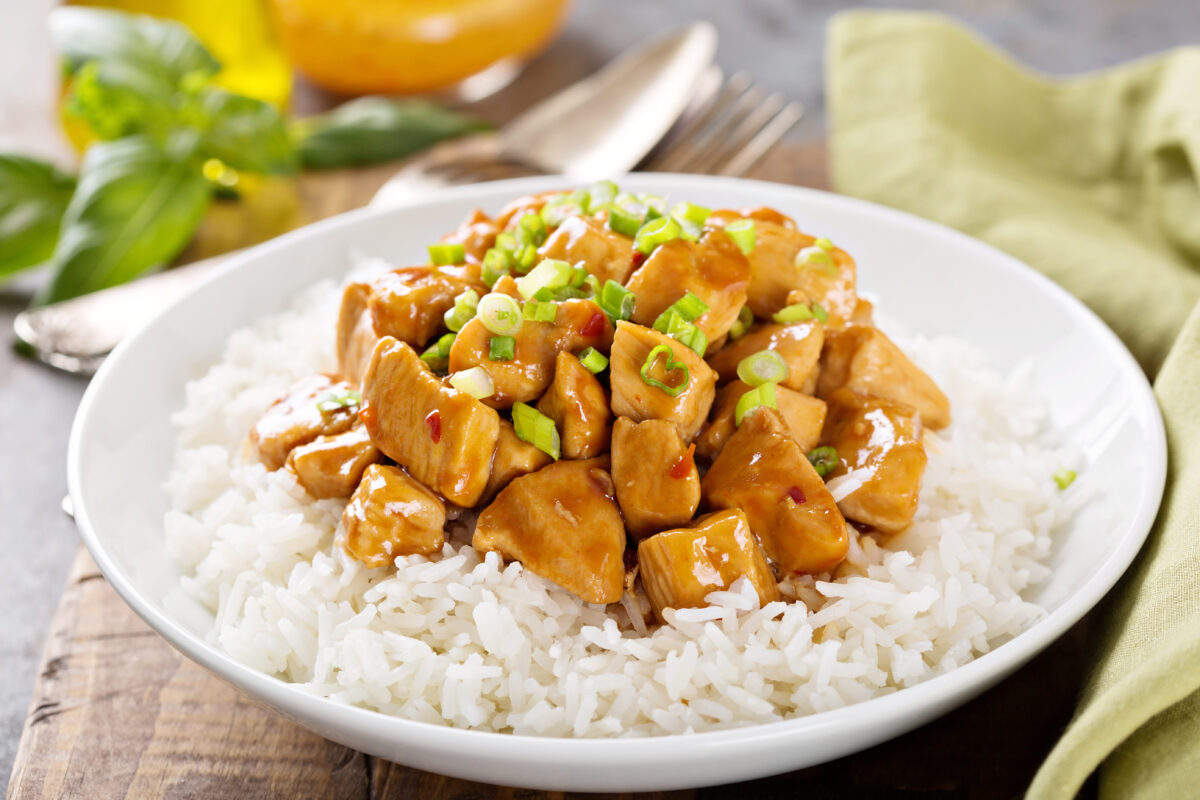
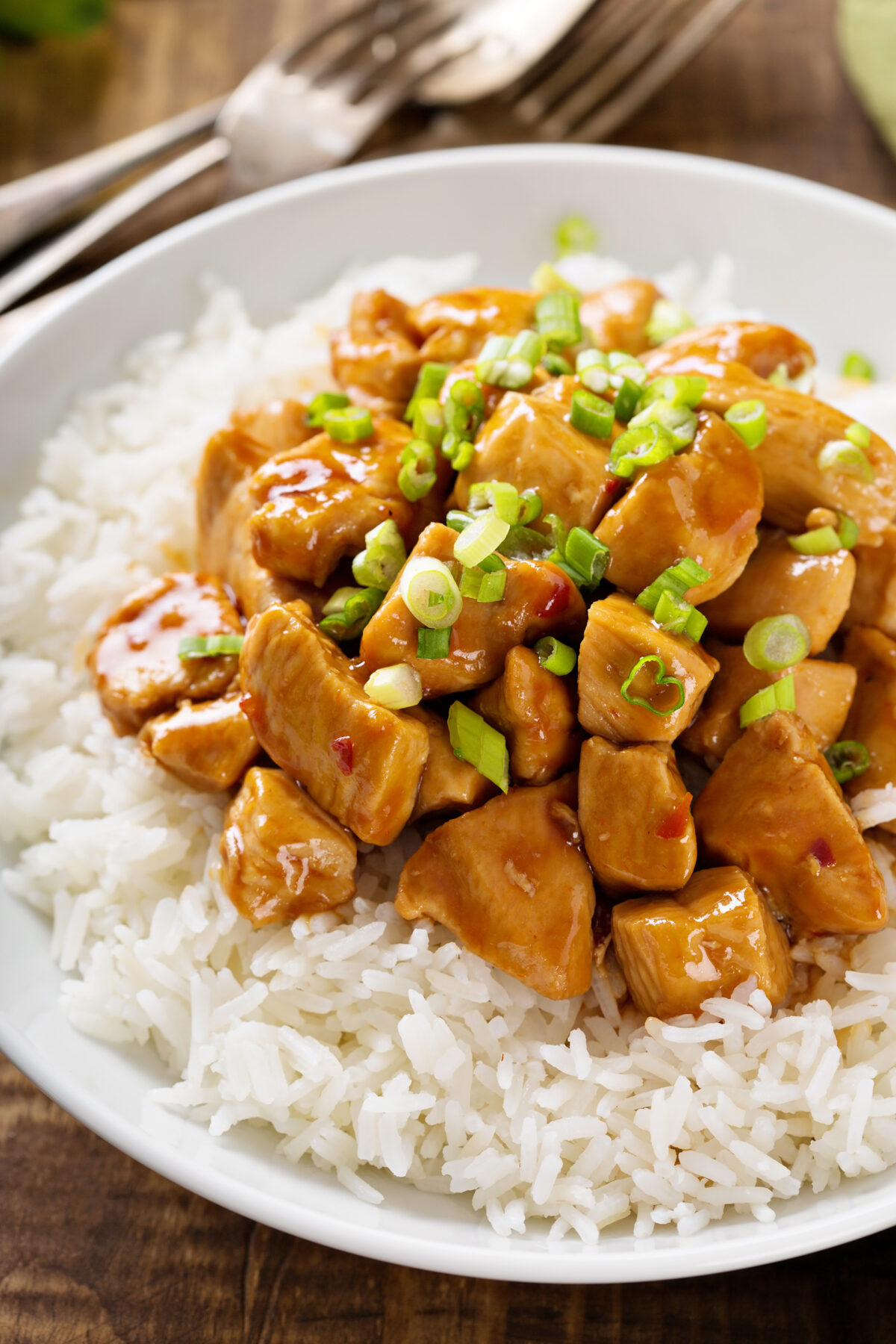
The Bowl Concept: A Modern Presentation: The trend of "bowl" meals has gained significant traction, and Sweet and Sour Chicken lends itself perfectly to this format. Serving the chicken and sauce over a bed of fluffy white rice provides a comforting base. The addition of steamed broccoli, crisp cucumbers, shredded carrots, and an extra garnish of green onions creates a visually appealing and texturally diverse meal. This presentation style not only enhances the dining experience but also allows for a greater integration of various components into a single, cohesive dish.
Nurturing Young Eaters: Strategies for Child-Friendly Success
Introducing children to new flavors and textures can sometimes be a delicate balancing act. Sweet and Sour Chicken, with its inherent sweetness and mild tang, is often a good starting point. However, for particularly hesitant young eaters, specific strategies can ensure a positive culinary introduction.
For children who exhibit a preference for milder flavors, the initial introduction of red pepper flakes should be approached with caution. Starting with a mere pinch, or foregoing them altogether, is a prudent measure. An alternative approach involves serving the sauce on the side. This allows children to control the amount of sauce they wish to incorporate, enabling them to dip the chicken rather than having it fully coated. This method provides a sense of agency and can reduce apprehension.
Furthermore, attention to the physical presentation of the food is crucial. Cutting the chicken into small, bite-sized pieces makes it easier for children to manage and consume. Pairing the chicken with familiar and well-loved accompaniments such as steamed broccoli, peas, or carrots further enhances the likelihood of acceptance. These strategies aim to make the dining experience less intimidating and more enjoyable for young diners, fostering a positive association with the dish.
A Culinary Canvas: The Broader Context of Asian-Inspired Cuisine
The popularity of Sweet and Sour Chicken is symptomatic of a broader, enduring fascination with Asian-inspired cuisine in Western households. Dishes that blend sweet, savory, and umami profiles have become staples, reflecting a growing appreciation for diverse culinary traditions and a willingness to explore flavors beyond traditional Western fare. The increasing accessibility of ingredients, coupled with the rise of food media that demystifies international cooking, has empowered home cooks to experiment with a wider range of recipes.
The development of recipes like this Sweet and Sour Chicken is not merely about replicating restaurant dishes; it’s about understanding the underlying principles of flavor balance and culinary technique that define these cuisines. It’s about adapting them to suit the practicalities of home cooking and the specific needs of family meals. The emphasis on fresh ingredients, balanced flavors, and relatively quick preparation times aligns with contemporary trends in home cooking, which often prioritize health and efficiency.
Beyond the Plate: Implications for Home Cooking and Culinary Education
The success and widespread appeal of dishes like this Sweet and Sour Chicken have several implications for home cooking and culinary education. Firstly, they demonstrate that authentic and flavorful meals are achievable without extensive culinary training or specialized equipment. This can empower individuals who may have previously felt intimidated by complex recipes.
Secondly, these recipes serve as valuable educational tools. By understanding the role of ingredients like pineapple juice, cornstarch, and red pepper flakes, home cooks gain a deeper appreciation for how flavor and texture are manipulated. This knowledge can then be applied to other culinary endeavors, fostering greater confidence and creativity in the kitchen.
Finally, the adaptability of such recipes highlights the importance of catering to individual preferences and dietary needs. The ability to adjust spice levels, incorporate additional vegetables, or choose different protein sources makes these dishes inclusive and sustainable for long-term family enjoyment. As culinary landscapes continue to evolve, dishes that bridge the gap between beloved takeout favorites and accessible home cooking will undoubtedly remain central to the modern dining experience.
More Asian-Inspired Weeknight Dinner Recipes:
For those who have embraced the convenience and flavor of Sweet and Sour Chicken, a world of other Asian-inspired weeknight dinner recipes awaits. These dishes often share similar principles of quick preparation, balanced flavors, and the ability to be easily customized.
-
Teriyaki Chicken: A classic that features a savory-sweet glaze, teriyaki chicken is another weeknight warrior. The sauce, typically made with soy sauce, mirin, sake, and sugar, coats tender chicken pieces, creating a dish that is both comforting and satisfying.
-
Kung Pao Chicken: Known for its complex flavor profile, Kung Pao chicken combines spicy, savory, and slightly sweet notes with the satisfying crunch of peanuts. While it often includes chili peppers, the heat can be adjusted for family palates.
-
Stir-Fried Noodles: A versatile base for a multitude of ingredients, stir-fried noodles offer endless possibilities. From simple vegetable noodles to more elaborate versions with chicken, beef, or shrimp, this dish is a testament to the speed and adaptability of Asian cooking.
-
Sesame Chicken: Similar to Sweet and Sour Chicken in its popularity, sesame chicken offers a distinct nutty flavor from toasted sesame oil and seeds. Its crispy coating and savory sauce make it a perennial favorite.
-
Broccoli Beef: This dish combines tender strips of beef with crisp broccoli florets in a rich, savory sauce. It’s a healthy and flavorful option that comes together quickly, making it ideal for busy evenings.
These recipes, along with many others, offer a gateway into the vibrant and accessible world of Asian-inspired cuisine, proving that delicious, family-friendly meals can be a regular part of any weeknight rotation.
Related posts: