Accelerating the Future of Type 1 Diabetes Care: How Next-Generation Islet Cell Therapies Are Poised to Transform Medicine

The landscape of type 1 diabetes (T1D) treatment is undergoing a monumental shift, driven by remarkable breakthroughs in regenerative medicine and cell biology. For decades, the standard management of T1D has relied on lifelong, meticulous external insulin delivery via multiple daily injections or automated insulin pumps. While these tools have drastically improved the safety and quality of life for millions of people, they remain a demanding management strategy rather than a biological cure. Today, however, clinical trials involving islet cell therapies are demonstrating a transformative reality: participants are coming off external insulin entirely and achieving sustained, healthy blood sugar levels.
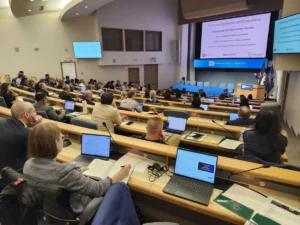
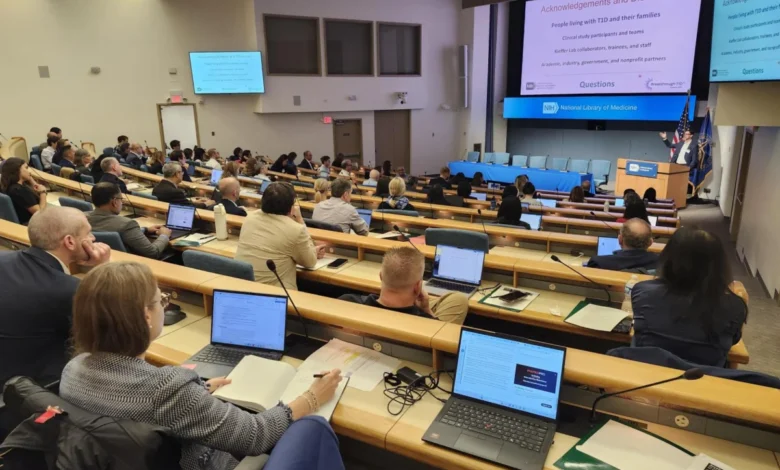
To capitalize on this profound scientific momentum, key stakeholders across the medical, regulatory, and patient communities are coalescing to address the complex hurdles of scaling these treatments. Breakthrough T1D—formerly known as JDRF—recently co-hosted a pivotal public workshop alongside the National Institute of Diabetes and Digestive and Kidney Diseases (NIDDK). Titled “Accelerating the Translation of Cell Therapy for Type 1 Diabetes,” the event convened top-tier researchers, clinicians, biotechnology industry leaders, U.S. Food and Drug Administration (FDA) representatives, and individuals with lived experience of T1D. The objective was clear: establish best practices, streamline regulatory pathways, and chart a definitive course to make manufactured islet cell therapies widely accessible to the broader T1D population.
Bridging the Gap: First- Versus Next-Generation Therapies
To understand the magnitude of current clinical efforts, it is essential to distinguish between first- and next-generation islet cell therapies. First-generation interventions, including those currently being evaluated in advanced clinical trials, have achieved remarkable milestones. However, their clinical availability is largely restricted to a specialized subset of patients: those suffering from severe, recurrent hypoglycemic events paired with hypoglycemia unawareness—a dangerous condition where individuals fail to recognize the physiological warning signs of plummeting blood sugar.
In contrast, next-generation islet cell therapies aim to democratize access. By leveraging manufactured and stem cell-derived islets that can be produced at an industrial scale, researchers envision a future where the therapy is not reserved solely for the most severe cases. Instead, the ultimate goal is to provide islet cell therapy to every individual living with T1D who desires one. Achieving this vision requires a multi-pronged approach that concurrently advances laboratory research, refines large-scale manufacturing, and optimizes clinical trial design.
The Evolution of Nonclinical Research and Lab-to-Human Translation
Before any novel therapeutic candidate reaches human clinical trials, extensive nonclinical studies must be conducted to establish robust evidence of safety and efficacy. Presenters at the NIDDK-Breakthrough T1D workshop emphasized that choosing the correct experimental design is critical for generating accurate, reliable, and reproducible data. Researchers must identify the most appropriate T1D animal models and data collection methodologies to answer specific biological questions before escalating to human trials.
During the workshop, researchers shared encouraging preclinical data concerning various islet cell sources, cellular survival rates, and advanced methods for achieving immune protection without relying universally on broad immunosuppressive drugs. The transition from academic laboratories to clinical applications hinges on establishing these foundational metrics, ensuring that laboratory discoveries translate predictably into human physiology.
Scaling Up: The Manufacturing Challenge
One of the most formidable barriers to widespread adoption is the sheer complexity of large-scale manufacturing. Producing millions of functional, insulin-producing beta cells in a laboratory setting is an extraordinary scientific feat; doing so consistently, reliably, and at a commercial scale is an industrial hurdle of a different magnitude.
Strict FDA manufacturing requirements govern biological products, and these regulatory thresholds evolve as studies transition from early first-in-human phases to large-scale pivotal trials. Industry leaders and academic researchers at the workshop engaged in rigorous discussions regarding optimal manufacturing strategies. While academic settings excel at innovation and early-stage protocol development, industrial partnerships are vital for standardizing processes, ensuring batch-to-batch consistency, and driving down production costs. Overcoming these manufacturing bottlenecks is a prerequisite for ensuring an adequate supply of islets for the global T1D community.
Rethinking Clinical Trial Design and Regulatory Pathways
Clinical trials for regenerative medicine in diabetes must adapt to reflect the profound benefits observed in current studies. Evidence from ongoing research indicates that even partial graft survival can allow patients to drastically reduce or entirely eliminate their dependence on injected insulin. Furthermore, patient-focused analyses consistently reveal that for many individuals with T1D, the life-altering benefits of an islet cell transplant far outweigh the risks associated with long-term immunosuppression.
Future clinical trials must reflect these realities by carefully expanding inclusion criteria, establishing meaningful clinical endpoints, and educating both the T1D community and primary healthcare providers to drive referrals and participation. Regulatory agencies require meticulous safety and efficacy data, making it imperative for trial designers to align their protocols with FDA expectations from the outset to clear a streamlined path toward ultimate therapeutic approval.
Artificial Intelligence as a Catalyst for Innovation
In recent years, artificial intelligence (AI) has emerged as an indispensable tool across nearly every sector of modern medicine, and islet cell therapy is no exception. Researchers are actively integrating machine learning algorithms into multiple stages of the therapeutic workflow to enhance precision and outcomes.
For instance, AI is being deployed to individually forecast blood sugar responses up to one year post-transplant, providing clinicians and patients with predictive insights to guide long-term management decisions. Furthermore, AI models are optimizing the manufacturing process itself—predicting how developing islet cells will react to subtle environmental shifts in bioreactors, analyzing massive datasets, and dynamically modifying production protocols to maximize yield and viability.
Perhaps most excitingly, artificial intelligence is aiding in the computational design of novel therapies at the cellular level. Researchers are exploring the creation of "smart" islet cells engineered to autonomously sense immune system activity and deploy targeted, localized immune-protective measures. By marrying cutting-edge cellular engineering with advanced computation, the scientific community is moving closer to creating resilient cell therapies that can withstand autoimmune attack.
Centering the Patient Voice: Lived Experiences in T1D Research
A defining characteristic of modern health research is the integration of patient perspectives into clinical decision-making. At the workshop, members of the T1D community shared powerful, unfiltered testimonies regarding their daily lives with the condition. The panel featured individuals who have managed T1D for decades—often watching their own children receive diagnoses—as well as participants who have undergone successful or unsuccessful islet cell transplants.
The discussions covered the relentless psychological and physical burdens of daily diabetes management, the realities of living with immunosuppression, and the transformative impact of successful transplants. Notably, one panelist remarked that even requiring a single daily insulin injection following a transplant represents a dramatically positive, life-changing outcome compared to pre-transplant management.
Organizers emphasized that keeping the voices of the T1D community central to the research and development process ensures that next-generation therapies address real-world needs. Initiatives like Breakthrough T1D’s Participant Advisory Council provide a formalized channel for patients to guide clinical trial priorities, ensuring that scientific ambition remains deeply aligned with human experience.
Broader Implications and Economic Impact
The successful translation and commercialization of next-generation islet cell therapies carry profound implications for global healthcare systems. Type 1 diabetes places a massive financial burden on individuals and economies alike, driven by the lifelong costs of insulin, continuous glucose monitors, pumps, and the management of acute and chronic complications such as diabetic ketoacidosis, cardiovascular disease, and nephropathy.
By offering a biological cure that restores endogenous blood glucose regulation, islet cell therapies have the potential to fundamentally alter the economic equation of T1D care. While initial treatments—including the costs associated with cell manufacturing and anti-rejection protocols—will require significant healthcare investment, the long-term reduction in chronic complication management and continuous supply costs could yield substantial savings. Furthermore, freeing patients from the constant cognitive load of diabetes management promises an immeasurable improvement in workforce productivity and overall mental health.
The Road Ahead
The advancement of islet cell therapy represents a textbook example of modern translational science, progressing simultaneously on three distinct fronts: rigorous nonclinical research in the laboratory, sophisticated clinical trials in human participants, and the scaling of complex industrial manufacturing processes.
While significant technical and regulatory challenges remain, the collaborative spirit demonstrated at the Breakthrough T1D and NIDDK workshop underscores the urgency and dedication of the global medical community. By fostering open dialogue about overcoming hurdles, engaging proactively with regulatory bodies, forging cross-sector partnerships, and keeping patient voices at the forefront, the scientific community is steadily dismantling the barriers between laboratory discovery and clinical reality.
Breakthrough T1D extends its gratitude to the NIDDK for co-hosting this landmark event, as well as to all the presenters, panelists, and attendees whose expertise and shared experiences are accelerating the arrival of next-generation islet cell therapies for type 1 diabetes.