Fueling the Future: A Comprehensive Guide to High-Protein, Nutrient-Dense Snacks for Young Athletes

The modern landscape of youth athletics is characterized by rigorous schedules involving school, club practices, weekend tournaments, and cross-training. This high volume of physical activity places extraordinary metabolic demands on growing bodies. According to pediatric sports dietitians, youth athletes require a strategic intake of macronutrients and micronutrients to support not only their athletic performance, but also their continuous somatic development, skeletal growth, and cognitive function.
Recent nutritional data underscores that active children and adolescents cannot rely solely on caloric abundance; the timing and composition of their fuel are critical. While commercial sports bars, specialized shakes, and synthetic protein supplements dominate grocery store aisles, pediatric health specialists emphasize that whole-food alternatives frequently outperform processed products in delivering sustained energy, digestive comfort, and comprehensive micronutrient profiles.
Nutritional Foundations: Beyond Basic Protein
For decades, sports nutrition messaging aimed at adults has hyper-focused on protein isolation. However, the physiological requirements of a developing athlete are multifaceted. According to pediatric nutrition guidelines, an optimal sports snack bridges the gap between energy replenishment and muscular recovery by synthesizing four core components:
- Proteins: Essential for the repair and growth of muscle tissue micro-tears caused by high-impact sports. Preferred sources include Greek yogurt, cottage cheese, eggs, legumes, and lean poultry, which provide vital amino acids without excessive saturated fats.
- Carbohydrates: Serving as the primary fuel source for high-intensity activity, carbohydrates replenish depleted glycogen stores in the liver and muscles. Whole grains, fresh fruits, and starchy vegetables provide these necessary reserves.
- Healthy Fats: Crucial for sustained energy during endurance sports, fats from avocados, nuts, seeds, and nut butters also enhance cellular health and improve the overall satiety of a snack.
- Fluids and Electrolytes: Hydration remains a non-negotiable factor. Water intake must be actively managed before, during, and after exertion to prevent dehydration-induced fatigue and heat-related illnesses.
Nutritionists note that portion sizing must remain flexible, adapting dynamically to the child’s age, developmental stage, metabolic rate, workout intensity, and the proximity of the next scheduled meal.
The Evolution of Youth Sports Nutrition
The conversation surrounding youth sports nutrition has evolved significantly over the past decade. Historically, parents relied heavily on convenient, highly processed packaged snacks—such as gelatin-based fruit chews, white-flour crackers, and sugar-laden sports drinks—to sustain young competitors between school and the playing field.
By the mid-2010s, public health advocates and pediatricians began pushing back against the ubiquity of refined sugars and artificial additives in youth athletics. This shift prompted a cultural movement toward "real food" fueling. Culinary platforms and family nutrition advocates began developing kitchen-tested recipes that transformed humble kitchen staples—such as chickpeas, cottage cheese, oats, and edamame—into portable, nutrient-packed sports snacks.
This modern approach emphasizes culinary accessibility, ensuring that parents can prepare nutrient-dense options without incurring the high costs associated with specialty athletic foods.
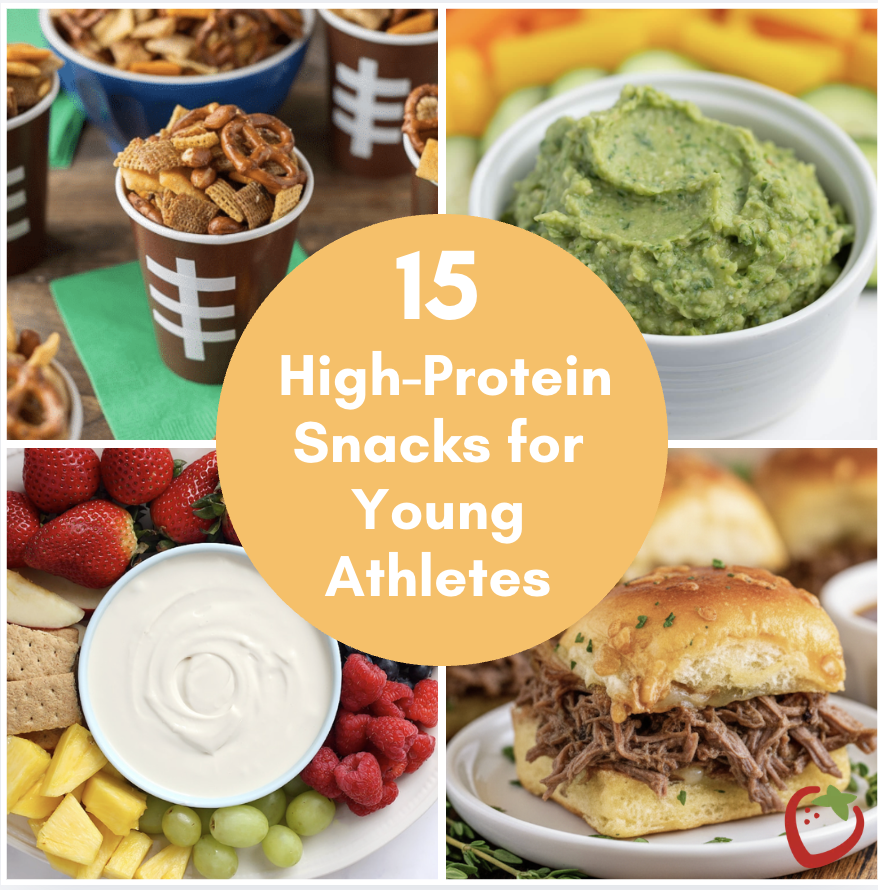
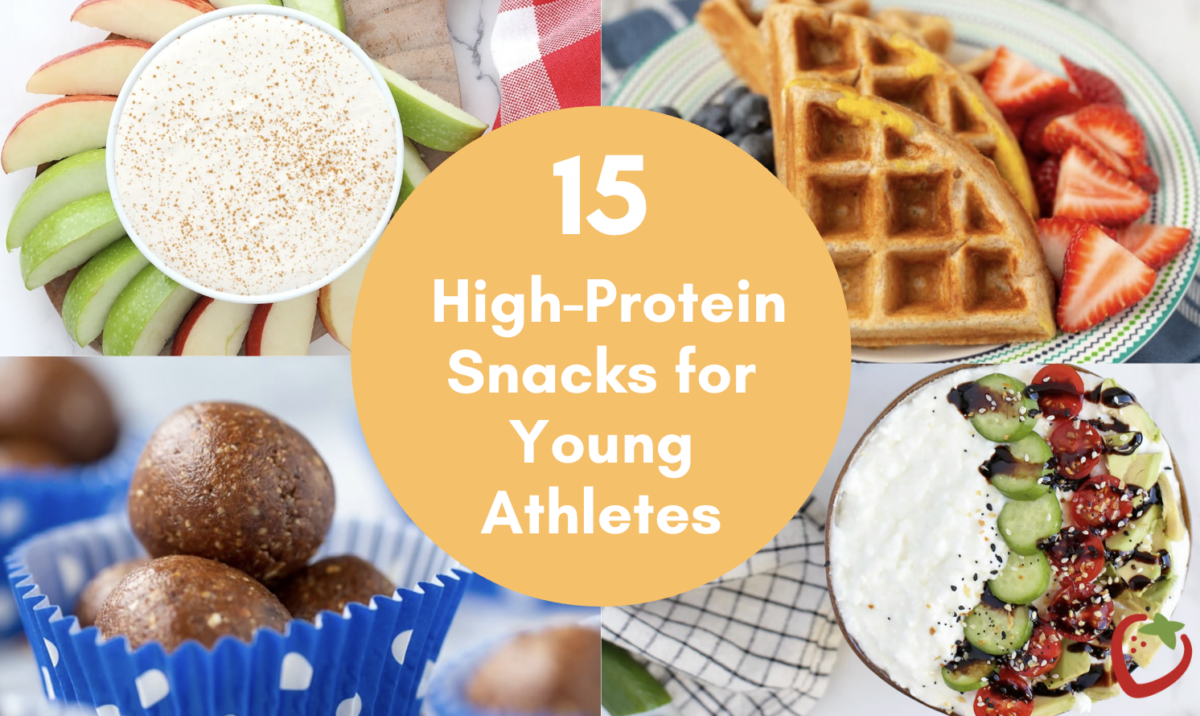
15 High-Protein, Whole-Food Snack Options for Active Kids
To assist parents and coaches in navigating the demands of busy sports seasons, sports nutrition experts have curated a diverse portfolio of accessible, high-protein recipes and snack combinations tailored for young athletes.
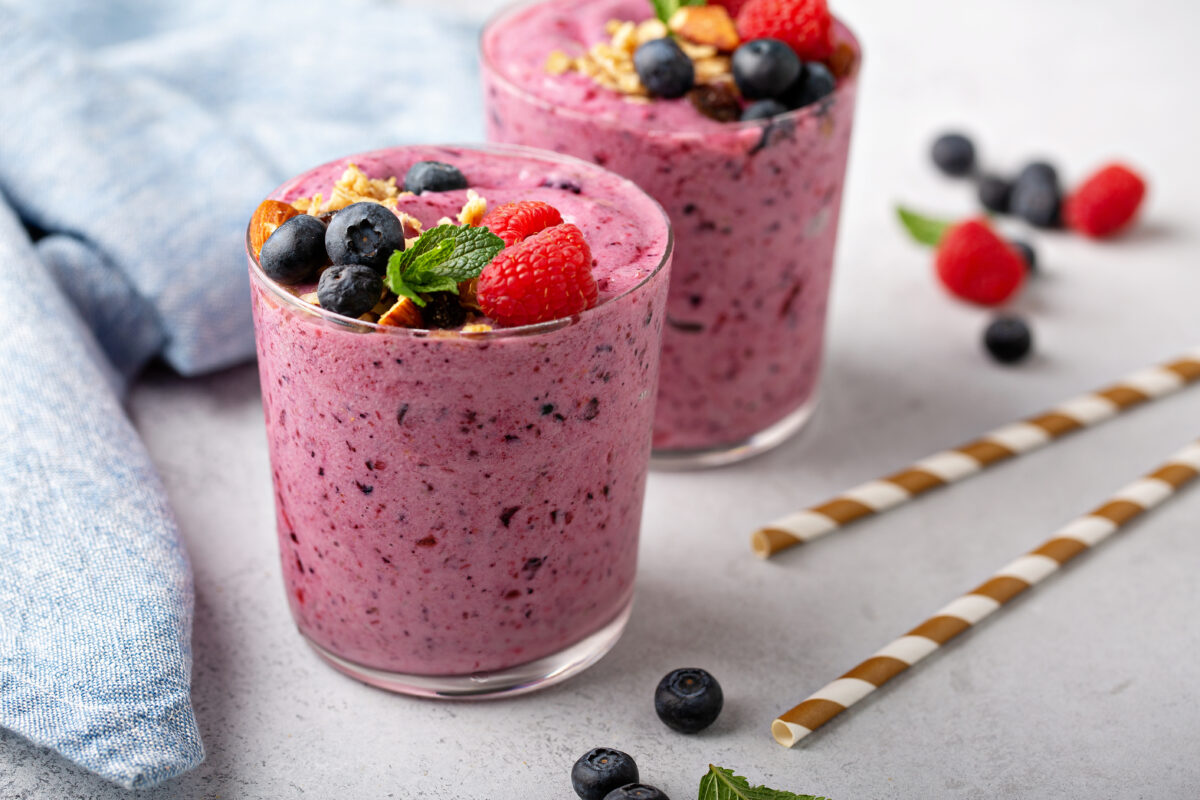
1. Mixed Berry Protein Smoothies
Blending frozen berries, a banana, Greek yogurt, and milk creates a nutrient-dense beverage that is easily digested immediately following intense physical exertion. The fruit supplies fast-acting carbohydrates, while Greek yogurt delivers high-quality protein and a smooth texture. Incorporating chia seeds or flaxseed introduces valuable omega-3 fatty acids.
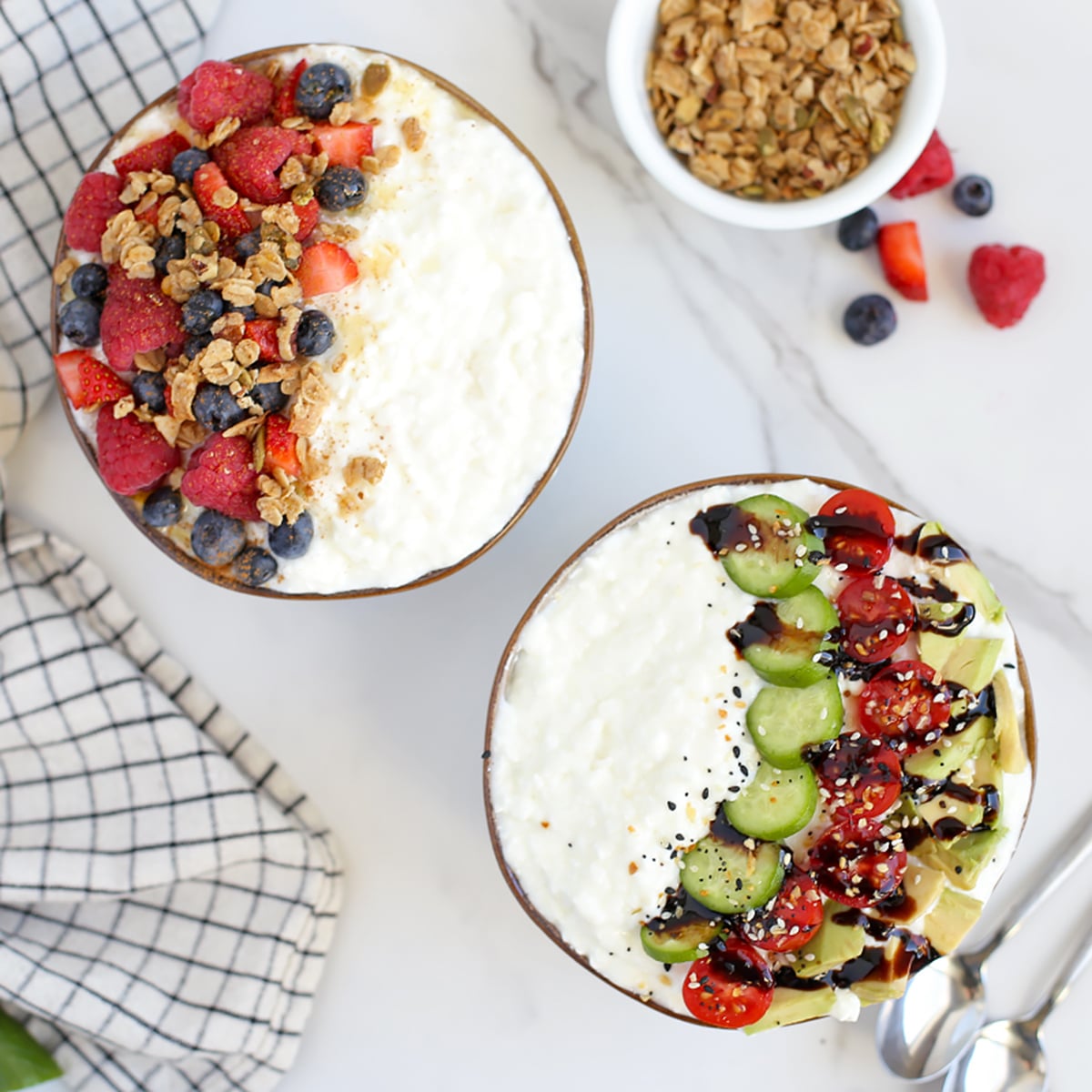
2. High-Protein Cottage Cheese Bowls
Cottage cheese has experienced a culinary resurgence as a versatile, low-cost protein source. Delivering approximately 17 grams of protein per serving, it serves as a blank canvas. Sweet iterations feature fresh berries, granola, and a drizzle of honey, while savory variations incorporate diced tomatoes, cucumbers, and a touch of olive oil, providing a balanced ratio of proteins and complex carbohydrates.
3. Kid-Friendly Blueberry Protein Popsicles
Designed for warm-weather training sessions, these frozen treats combine Greek yogurt, antioxidant-rich blueberries, and milk. They offer a dual benefit: cooling down an overheated athlete while supplying the precise blend of carbohydrates and proteins necessary for post-practice recovery.
4. Peanut Butter Fudge Protein Energy Balls
Crafted from whole-food ingredients such as natural peanut butter, rolled oats, dates, and cocoa powder, these portable bites deliver roughly 8 grams of plant-based protein per two-piece serving. Their compact size makes them ideal for consumption during brief transitions from the classroom to the athletic field.
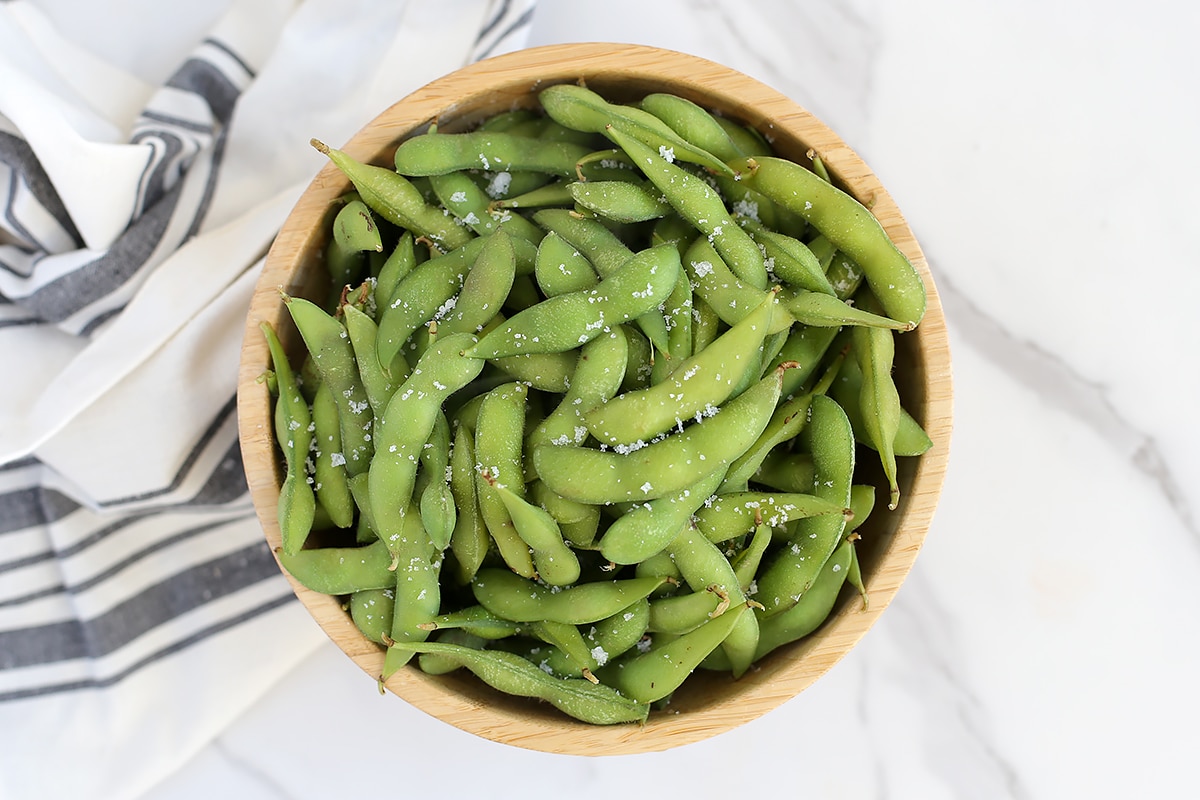
5. Easy High-Protein Edamame
Steamed and lightly salted edamame provides a straightforward, plant-based finger food. Rich in both protein and dietary fiber, it requires minimal preparation and offers a satisfying crunch that appeals to younger children.
6. Homemade Chocolate RX-Style Bars
Targeting older children and teenagers who gravitate toward commercial meal-replacement bars, this homemade alternative combines almonds, cashews, dates, and egg-white powder. Yielding approximately 10 grams of protein per bar, they offer a clean-label solution for all-day tournaments.

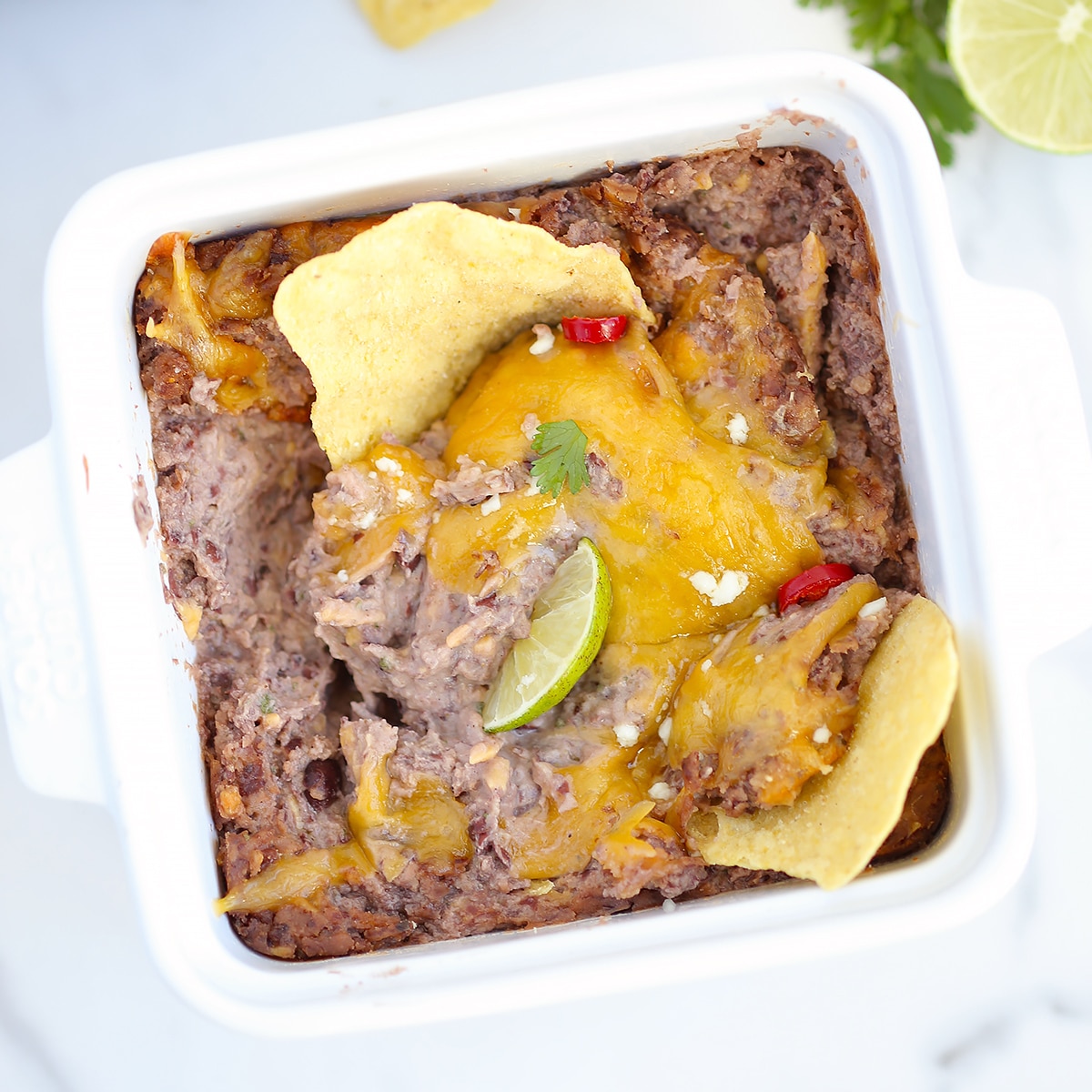
7. High-Protein Black Bean Dip
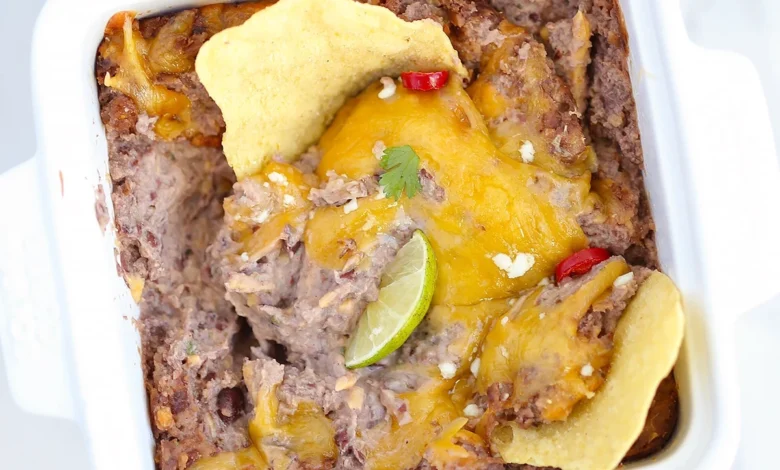
Legumes are frequently overlooked in youth snacking. By blending black beans with Greek yogurt and mild seasonings, this savory dip yields about 14 grams of protein per serving. Paired with whole-grain tortilla chips or raw vegetable sticks, it delivers comprehensive macronutrient support.
8. Kid-Friendly Protein Waffles
Integrating Greek yogurt, milk, and eggs directly into a whole-wheat waffle batter yields a freezer-friendly snack that provides roughly 15 grams of protein per waffle. They can be quickly toasted and topped with fresh fruit or nut butter.
9. Roasted Chickpeas
As a crunchy alternative to processed chips, oven-roasted chickpeas can be customized with various seasonings, such as cinnamon sugar, nutritional yeast, or mild barbecue spices. Each serving provides approximately 9 grams of protein alongside significant dietary fiber.
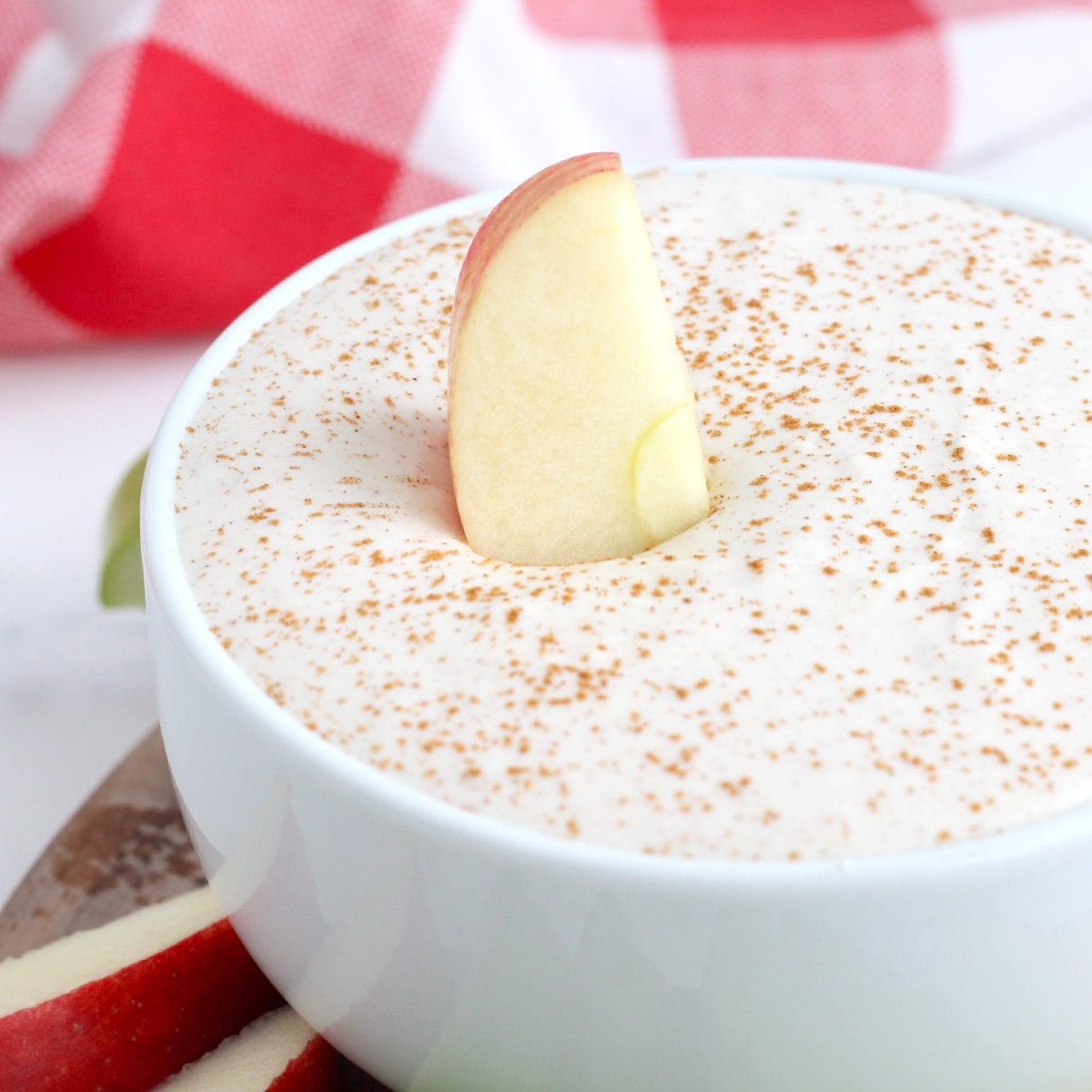
10. Healthy Yogurt Fruit Dip
Combining Greek yogurt with vanilla, cinnamon, and a touch of maple syrup transforms standard fruit platters into an engaging, protein-fortified snack. This option is particularly beneficial for young athletes experiencing post-exercise appetite fatigue.
11. Crunchy Roasted Peas
Tossed in olive oil and garlic salt, roasted green peas provide a crisp texture, approximately 5 grams of plant-based protein per serving, and essential micronutrients.
12. Greek Yogurt Dip with Veggies
Utilizing Greek yogurt as the base for a savory herb dip encourages vegetable consumption. Delivering about 7 grams of protein, this cool, refreshing snack pairs exceptionally well with bell pepper strips, carrots, and whole-grain pita wedges.
13. Kids Can Make ‘Em Energy Bites
Encouraging culinary participation increases the likelihood of consumption. These no-bake bites—composed of oats, peanut butter, flaxseed, chia seeds, and dark chocolate chips—yield roughly 7 grams of protein per serving and foster early nutritional independence.
14. Chia Seed Energy Bites
Requiring only a few pantry staples, these bites combine oats, honey, peanut butter, and chia seeds to deliver slow-burning carbohydrates, healthy fats, and sustained plant-based protein.
15. Raspberry Quinoa Smoothie
For adolescent athletes with substantial caloric needs, blending cooked quinoa into a raspberry, milk, and Greek yogurt base yields a remarkably hearty beverage containing up to 22 grams of protein per serving.

Strategic Timing: Pre- versus Post-Activity Fueling
Sports dietitians emphasize that the physiological state of the child dictates the nutritional strategy:
- Pre-Activity: The primary objective is to top off energy stores without causing gastrointestinal distress. If consumption occurs an hour or more before play, a combination of complex carbohydrates and modest protein is ideal (e.g., oatmeal with sliced fruit or whole-wheat toast with nut butter). Immediately prior to activity, portions must be reduced, favoring easily digestible carbohydrates.
- Post-Activity: The "anabolic window" following exercise requires immediate intervention. Refueling must prioritize carbohydrates to restore depleted glycogen alongside protein to initiate muscle repair. Combinations such as chocolate milk, Greek yogurt with fruit, or turkey wraps serve this purpose efficiently.
Addressing the Protein Powder Debate
A recurring dilemma for modern parents is whether growing athletes require commercial protein powders or amino acid supplements. According to consensus statements from pediatricians and sports dietitians, supplementation is largely unnecessary.
The vast majority of children and adolescents can meet, and safely exceed, their daily protein requirements through whole foods, including dairy, eggs, legumes, poultry, fish, and whole grains. Furthermore, the regulatory oversight of dietary supplements is less stringent than that of the food supply, presenting potential risks of heavy metal contamination or banned substances in competitive youth circuits. Experts advise that any introduction of supplemental powders should be vetted strictly through a qualified pediatrician or sports registered dietitian.
Broader Implications and Public Health Impact
The growing emphasis on whole-food sports nutrition reflects a broader cultural shift toward preventative pediatric health. As youth sports become increasingly competitive and year-round, poor nutritional habits established in adolescence can predispose individuals to chronic metabolic issues later in life.
By educating parents, coaches, and young athletes on the mechanics of food-as-fuel, public health advocates hope to mitigate the prevalence of exercise-induced burnout, early-onset sports injuries, and nutritional deficiencies. Ultimately, outfitting a sports bag with wholesome, nutrient-dense snacks does more than improve athletic performance on the field—it instills lifelong dietary habits that support long-term physical well-being.