Navigating the Teen Body Piercing Request: Beyond Age to Individual Readiness and Responsibility

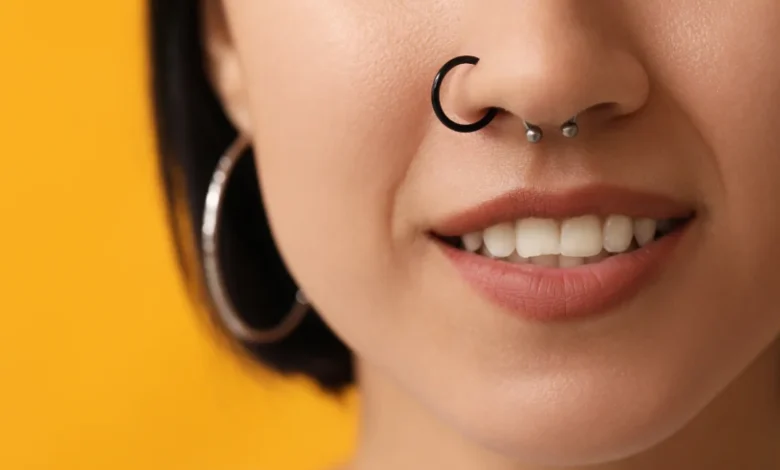
When a teenager approaches their parents with a request for a body piercing, the immediate parental reaction often sets the tone for the entire negotiation. Before evaluating the merits of the piercing itself—whether it is a simple lobe modification or a complex cartilage placement—child development specialists and pediatric health experts emphasize that the initial conversational response is critical. The American Academy of Pediatrics (AAP) and adolescent psychologists note that how parents react in the exact moment the topic is raised can either foster an open, communicative relationship or drive the teenager into secretive, potentially unsafe behaviors.
Age alone is rarely a reliable metric for determining whether a minor is prepared for bodily modification. A teenager may be entirely ready for one specific type of piercing while lacking the discipline required for another. Furthermore, two adolescents of the exact same chronological age can operate at vastly different levels of maturity, executive functioning, and personal responsibility. The AAP’s broad guidance on body modifications reflects this nuanced reality. Rather than endorsing a universal age threshold, official medical guidelines consistently point toward functional maturity: specifically, whether the child possesses the cognitive and behavioral capability to properly care for the piercing site during its vulnerable healing phase. While age remains a contextual factor in legal consent and parental permission frameworks, it simply does not tell the whole story.
Shifting the Parenting Paradigm: Communication Versus Control
In the landscape of modern adolescent parenting, experts argue that the ultimate goal of managing conflicts over appearance—such as piercings, tattoos, or hair color—is not simply to "win an argument." Rather, the overarching objective is to raise a capable young person who can make increasingly thoughtful, autonomous decisions while maintaining a strong, communicative bond with their parents along the way.
When parents treat a piercing request as a battleground of wills, they risk shutting down dialogue. Conversely, utilizing the request as a teachable moment allows adolescents to practice research, risk assessment, and accountability. Child psychologists point out that teenagers navigating these negotiations learn invaluable lessons in delayed gratification, financial budgeting (if they are asked to pay for the procedure themselves), and health literacy. When parents listen calmly, ask probing questions about why the teen wants the modification, and establish clear criteria based on demonstrated responsibility, they transform a potential family flashpoint into an exercise in mutual respect.
Is There a Magic Age? Debunking Chronological Readiness
A common question among parents is whether a specific milestone age—such as 13, 16, or 18—serves as an appropriate baseline for body piercings. According to pediatric health specialists, the answer is no. Readiness depends far more on the specific risk level of the desired piercing and the teenager’s demonstrated track record of personal hygiene and self-care than it does on the passing of a birthday.
For instance, a 13-year-old adolescent with a strong, consistent hygiene track record—someone who independently maintains their room, manages their schedule, and practices good daily hygiene without constant prompting—may be entirely ready for a simple earlobe piercing. Conversely, a 16-year-old who still requires regular parental reminders to shower, brush their teeth, or manage basic health tasks may present a significantly higher risk for developing piercing complications due to potential neglect of aftercare instructions.
This behavioral dichotomy underscores why standardized age rules often fail. Medical professionals advise parents to look at past behavior as the most reliable predictor of future responsibility. If a teenager struggles to maintain basic daily routines, adding a healing wound that requires sterile saline solution rinses twice a day is a recipe for infection and frustration.
Assessing the Risks: Earlobe Versus Cartilage, Face, and Dermal Procedures
Not all piercings carry equal medical risks, and understanding these differences is vital for parents evaluating a teen’s request. Generally speaking, standard earlobe piercings tend to feature simpler aftercare protocols and significantly lower complication rates compared to piercings located in the cartilage, facial structures, or hands. The earlobe is composed of soft tissue with a rich blood supply, which generally promotes faster and more reliable healing.
However, labeling a piercing "safer" does not mean it is risk-free. Infections, allergic reactions to jewelry metals (such as nickel), and tissue trauma can occur with any break in the skin.
When teenagers venture beyond the lobe into cartilage piercings—such as the helix, tragus, or daith—the anatomical landscape changes dramatically. Cartilage has a notoriously poor blood supply compared to the earlobe, making it heal much more slowly and leaving it highly susceptible to stubborn infections, persistent bumps, and structural damage like perichondritis if proper hygiene is neglected. Facial piercings, including the eyebrow, nostril, lip, or tongue, introduce additional layers of risk, ranging from dental damage and nerve impingement in oral piercings to visible scarring if the piercing is rejected or removed.
Furthermore, specialized procedures such as dermal piercings—which involve anchoring a metal base underneath the skin with a visible gem or disk on top—carry exceptionally high risks when placed in high-movement areas like the hands, wrists, or chest. Because dermal anchors sit beneath the skin in regions that are frequently bumped, snagged on clothing, or handled throughout the day, they carry a markedly elevated risk of migration, tissue rejection, scarring, and permanent tissue damage compared to traditional surface piercings.
The Role of Professional Piercers and Legal Consent Frameworks
When parents do decide to approve a piercing, the logistics of where and how the procedure is performed are paramount. Public health departments and professional associations, such as the Association of Professional Piercers (APP), stress that minors should never be subjected to makeshift procedures using safety pins, sewing needles, or piercing guns purchased online.
Legally, regulations regarding minor piercings vary widely by jurisdiction. In many regions, state or local laws require explicit parental consent, often necessitating the presence of a parent or legal guardian who must present government-issued identification alongside the minor’s birth certificate or school ID. Some municipalities ban specific types of piercings for minors altogether, or prohibit oral and body piercings regardless of parental permission until the individual reaches the age of majority (18).
Reputable piercing studios adhere strictly to these legal boundaries while maintaining rigorous medical hygiene standards. Professionals use single-use, sterile needles rather than spring-loaded piercing guns—which can shatter cartilage tissue and cannot be properly sterilized in an autoclave. They also utilize implant-grade materials such as titanium, niobium, or 14-karat gold to minimize allergic reactions, steering clear of cheap mystery metals containing high nickel content.
Medical Perspectives and Infection Management
From a clinical standpoint, healthcare providers frequently treat complications arising from improperly performed or poorly maintained adolescent piercings. Common issues include localized bacterial infections, contact dermatitis, keloid scarring (particularly in genetically susceptible individuals), and localized tissue trauma.
Pediatricians recommend that if a teen expresses interest in a piercing, the family should consult their primary care physician or dermatologist to discuss potential health risks, especially if the teen has underlying medical conditions such as diabetes, bleeding disorders, or autoimmune issues. Furthermore, if a piercing shows signs of infection—such as spreading redness, severe swelling, throbbing pain, or purulent discharge—medical evaluation is necessary. Crucially, doctors warn against removing the jewelry from an infected piercing prematurely in some cases, as doing so can cause the insertion hole to close over, trapping the infection inside the tissue and forming an abscess.
Broader Impact and Implications for Family Dynamics
The way families handle body modification requests often serves as a microcosm for broader adolescent development. As children transition into young adulthood, they naturally seek ways to express their individuality, assert control over their physical appearance, and differentiate themselves from their parents.
When parents respond with outright bans, shaming, or emotional dismissiveness, adolescents frequently resort to clandestine methods—seeking out unlicensed piercers, getting pierced by peers in unsanitary conditions, or attempting DIY procedures. This not only increases the physiological risks of infection and scarring but also damages the relational trust between parent and child.
Conversely, establishing a collaborative framework—where the teen must research the procedure, demonstrate maturity, contribute financially, and agree to follow strict aftercare guidelines—fosters a healthy environment of open communication. It teaches adolescents that bodily autonomy goes hand in hand with personal accountability. By focusing less on arbitrary age milestones and more on demonstrated readiness, risk comprehension, and safety protocols, parents can guide their teenagers through these early rites of passage while preserving trust and safeguarding their physical health.