The Unfiltered Past: How Sharing Humorous Childhood Misadventures Strengthens Parent-Child Bonds and Fosters Emotional Resilience


The tradition of recounting personal childhood anecdotes to the younger generation has long served as a cornerstone of family bonding, bridging generational divides through humor and shared vulnerability. A recent vignette shared by a mother of three on a backyard trampoline highlights a universal parenting phenomenon: children’s insatiable appetite for hearing about the missteps, blunders, and innocent logic of their parents’ early years. While modern parenting resources frequently emphasize structure, education, and emotional regulation, psychologists and family developmental researchers increasingly point to the unexpected psychological benefits of parental self-disclosure, particularly when those disclosures involve childhood folly.
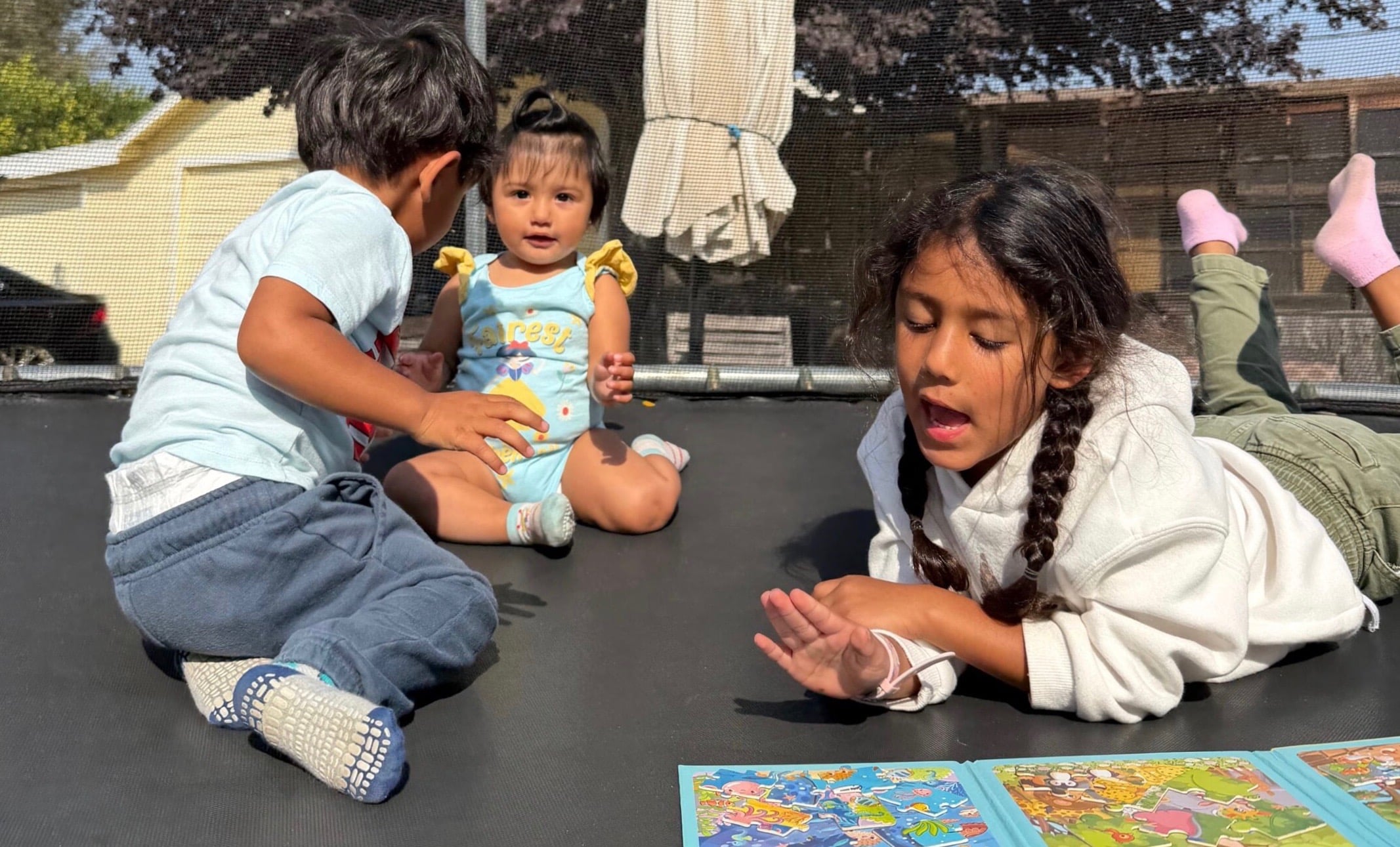
The anatomy of this particular family exchange centers on five-year-old Ella, who, while playing outdoors with her siblings Emiliano and Evelynn, requested a narrative from her mother’s early life. The resulting recollection transported the family back decades to a warm afternoon at a family barbecue, where a four-year-old Jannelley was navigating the perennial dilemma of childhood urgency amid a lively pool party at her grandparents’ residence.
Chronology of a Backyard Blunder
The sequence of events leading to the infamous family lore unfolded over the course of a single afternoon, highlighting the distinct decision-making framework of a four-year-old child.
The initial phase of the incident was marked by frequent interruptions to a recreational activity. While swimming with cousins and enjoying the festivities, the young protagonist experienced repeated interruptions due to bodily needs. The friction between wanting to maintain continuous engagement in high-interest activities—such as diving off the board and playing elaborate games of make-believe—and the biological necessity of using the restroom created a growing sense of frustration.
By the fifth interruption, the child’s internal calculus shifted toward efficiency. Following the completion of the restroom visit, a pragmatic, albeit unconventional, solution was devised. Rather than managing the physical challenge of pulling a cold, damp, sequined one-piece swimsuit back over damp skin, the child elected to bypass the garment entirely. The suit was peeled downward, stepped out of, and deposited directly into the toilet bowl, leaving the young swimmer entirely unencumbered.
The subsequent phase involved a calculated return to the social environment. Operating under the pure, unfiltered logic of a four-year-old, the child reasoned that the absence of clothing would go unnoticed if the transition from the indoor facilities back to the aquatic environment was executed with sufficient speed. This hypothesis was swiftly invalidated upon encountering a teenage cousin, Lupe, in the hallway, whose immediate inquiry—"Where are your clothes?"—shattered the anonymity plan.
The final phase of the afternoon involved immediate parental intervention. The child’s mother arrived swiftly with a towel, effectively concluding the swimming activities for the remainder of the day. Despite the abrupt termination of recreational pool time and the minor social exposure, the internal reaction of the child was not one of embarrassment, but rather of quiet satisfaction and pride in having independently resolved a cumbersome logistical problem.
The Developmental Value of Parental Vulnerability
Family dynamic specialists and child psychologists suggest that sharing stories of past mistakes plays a critical role in shaping a child’s emotional landscape. When parents present themselves as infallible figures who always executed perfect judgment in their youth, children may internalize unrealistic standards of behavior. Conversely, hearing about a parent’s illogical decisions or socially awkward moments humanizes the adult figures in their lives.
Research in developmental psychology indicates that normalizing failure and embarrassment within the safety of the family unit helps children build resilience. When a child hears that their parent—someone they perceive as powerful, competent, and wise—once abandoned a bathing suit in a toilet out of sheer impatience, it reframes the concept of making mistakes. Errors cease to be catastrophic failures and are instead recognized as a universal, humorous component of human growth.
Furthermore, the repetition of these narratives serves a distinct cognitive function for young children. Ella’s nightly request for "the bathing suit down the toilet story" aligns with established patterns of childhood narrative comprehension. Repetition provides children with a predictable narrative arc, allowing them to master the sequence of events, anticipate the comedic climax, and process the emotional boundaries of social norms in a safe, controlled environment.
Broader Implications for Family Communication
In an era dominated by digital media and curated depictions of family life, intentional storytelling provides a grounding mechanism for domestic communication. Experts in family systems note that oral traditions within the household—specifically those rooted in humor—create an internal culture unique to that family unit. These shared reference points form an emotional shorthand that can ease tension during periods of stress or disciplinary conflict.
Moreover, the act of storytelling encourages children to share their own embarrassing moments or fears. When a parent demonstrates the ability to laugh at their own past executive dysfunction, it creates a psychological safe space for children to confess their own missteps without the immediate fear of harsh reprimand or severe judgment.
As families continue to navigate the complexities of modern child-rearing, the simple act of sitting on a trampoline and recounting the eccentricities of youth remains a powerful, low-tech tool for connection. Whether through dropped swimsuits, misunderstood instructions, or playground misadventures, the unpolished history of parents serves as a comforting reminder to the rising generation that imperfection is not only expected, but often deeply entertaining.
Related posts: