Building Inclusive Classrooms: Curated Black History Month Book Lists Expand Early Childhood Education Perspectives

The integration of diverse literature into early childhood curricula has emerged as a cornerstone of modern pedagogical strategy, addressing a critical gap in early developmental education. As demographic landscapes shift across urban and rural communities alike, educators face the ongoing challenge of providing young learners with a comprehensive worldview that extends beyond their immediate neighborhoods. Recent initiatives focusing on Black History Month reading materials for preschool classrooms emphasize that intentional exposure to diverse literature is not merely a seasonal observance, but a foundational element of cognitive and social-emotional development.
Educational experts and child development researchers maintain that early literacy serves as the primary mirror and window through which young children understand their place in society. When children encounter characters who share their racial, cultural, and familial backgrounds, they experience validation and a reinforced sense of belonging. Concurrently, reading about peers from different backgrounds cultivates empathy, curiosity, and respect during formative years when cognitive frameworks regarding identity are rapidly developing.
The Evolution of Early Childhood Representation

Historically, children’s literature often lacked broad representation, leaving many young readers without characters who reflected their daily realities, cultural heritage, or lived experiences. Educational researchers point out that systemic gaps in preschool and kindergarten libraries historically restricted the scope of historical and cultural narratives introduced to children under the age of six.
The modern movement toward inclusive classroom libraries builds upon decades of advocacy by educators, librarians, and authors who argue that children’s books must reflect the multicultural fabric of society. Organizations such as the National Association for the Education of Young Children (NAEYC) have consistently highlighted that addressing race and diversity through literature helps dismantle biases before they solidify. By incorporating stories that honor both monumental historical figures and the ordinary, joyful experiences of Black families, educators foster an environment where inclusivity is normalized from the earliest stages of formal education.

Chronology of Culturally Responsive Pedagogy in Preschools
The intentional incorporation of Black history and diverse narratives into early childhood settings has evolved through distinct phases over the past several decades:

- Late 20th Century: Multicultural education gained momentum, largely driven by the Civil Rights Movement’s legacy and subsequent advocacy for ethnic studies in K-12 education. However, preschool integration remained sparse and largely ad-hoc.
- Early 2000s: Educational researchers began publishing comprehensive data linking early literacy representation to self-esteem, cognitive development, and social cohesion among preschool-aged children.
- 2010s to Present: A surge in award-winning children’s books authored and illustrated by creators of color transformed the landscape. Publishers expanded catalogs to include titles celebrating both historical milestones and everyday childhood experiences within Black communities.
Data and Insights on Early Childhood Literacy and Empathy
According to studies from literacy advocacy groups and child psychology researchers, children begin noticing racial differences and forming social attitudes as early as preschool. Literacy statistics indicate that access to diverse books significantly alters a child’s perception of "the norm."

- Cognitive Validation: Data compiled by childhood development specialists show that children who see themselves in literature exhibit higher engagement levels during storytime and demonstrate stronger self-identity metrics.
- Empathy Cultivation: Longitudinal educational assessments suggest that exposure to multicultural narratives before age seven correlates with a measurable decrease in out-group bias and an increase in collaborative play among mixed-peer groups.
- Resource Disparities: Studies examining rural versus urban school districts reveal a persistent gap in classroom library diversity, underscoring the necessity for targeted book acquisition grants and curated reading lists for educators operating outside metropolitan hubs.
Categorizing the Curriculum: Nonfiction and Historical Biographies
To effectively introduce complex historical concepts to preschoolers, educators rely on nonfiction picture books that distill large ideals—such as courage, perseverance, justice, and community service—into age-appropriate narratives. Rather than focusing on the granular details of systemic injustice, early childhood curricula center on themes of resilience and human agency.

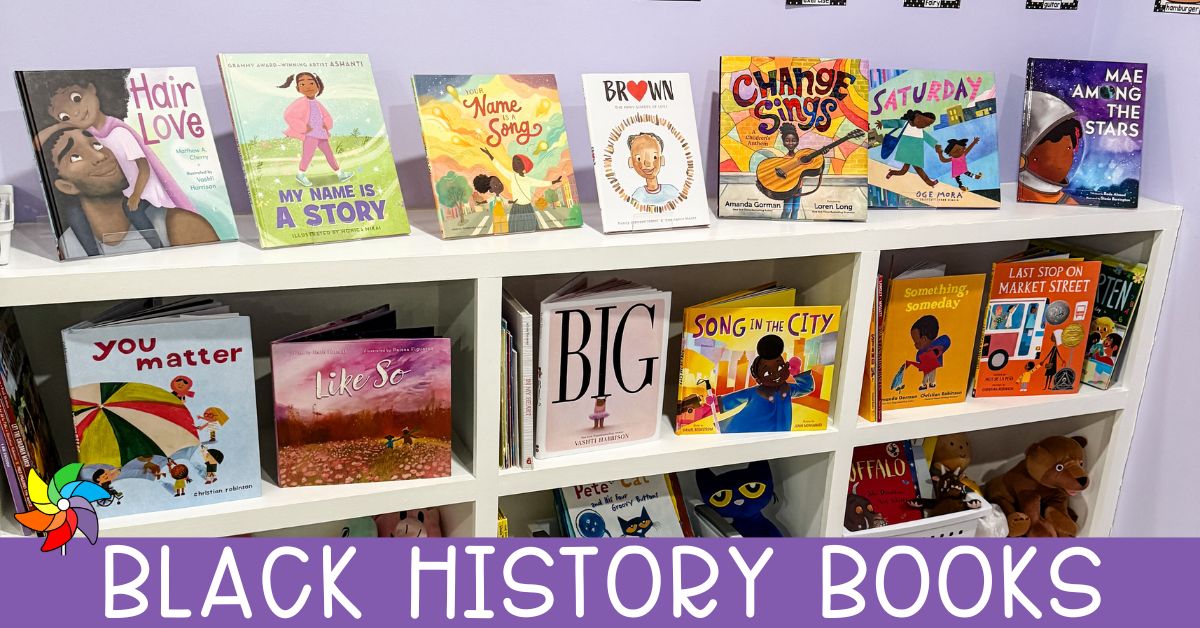
Biographical picture books serve as critical entry points for young learners. Titles such as Brittney Cooper’s Stand Up! introduce children to historical figures like Ruby Bridges and Rosa Parks alongside modern changemakers, illustrating that ordinary individuals can affect positive societal shifts. Similarly, Roda Ahmed’s Mae Among the Stars chronicles the childhood of Mae Jemison, the first African American woman in space, emphasizing familial support and unwavering ambition.
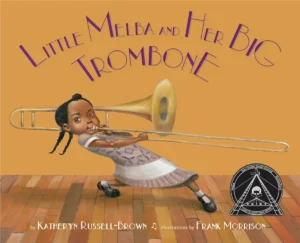
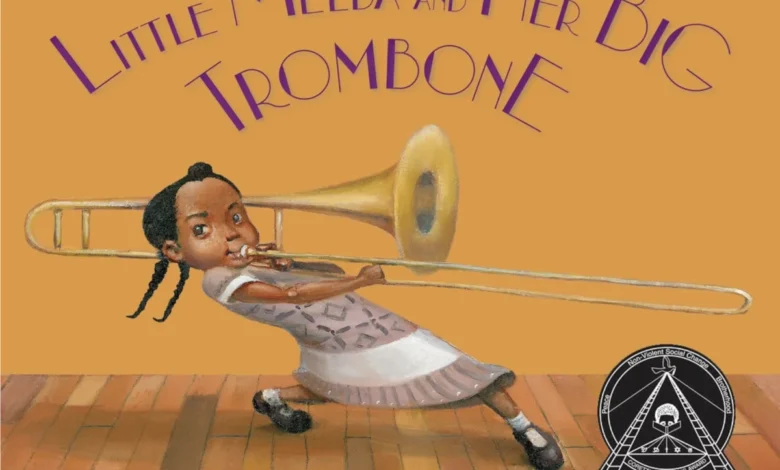
Music and arts history also find a place in early classrooms through works like Katheryn Russell-Brown’s Little Melba and Her Big Trombone, which introduces jazz history and perseverance against gender and racial barriers. For historical milestones, Monica Clark-Robinson’s LetThe Children March offers a sensitive, age-appropriate recounting of the 1963 Birmingham Children’s Crusade, framing collective action through the lens of bravery and civic participation.

Celebrating Everyday Joy and Relatable Experiences
While historical biographies provide essential context regarding the struggles and triumphs of Black Americans, educators stress that representation must extend beyond historical trauma or activism. A truly inclusive library must also capture the mundane, joyful, and universal experiences of childhood within Black families.

Books highlighting daily routines, family bonds, and imaginative play normalize diverse experiences and demonstrate that Black joy is a vital component of the human story. Vashti Harrison’s Big explores themes of self-acceptance and emotional growth through minimalist text and powerful imagery. Kaija Langley’s When Langston Dances examines identity and artistic discovery, inspired by the renowned Alvin Ailey American Dance Theater.
Poetry and lyrical storytelling play a significant role in early literacy. Angela Joy’s Black is a Rainbow Color weaves heritage and pride into an accessible poetic structure. Family dynamics and intergenerational relationships are celebrated in works such as Matthew A. Cherry’s Hair Love, Nancy Johnson James’s Brown: The Many Shades of Love, Ruth Forman’s Like So, and Oge Mora’s Saturday.

Addressing Identity, Perception, and Acceptance
Modern preschool literature also tackles subtle social dynamics, such as colorism, self-doubt, and interpersonal assumptions. Lupita Nyong’o’s Sulwe provides a gentle exploration of skin tone perception, offering young readers a pathway to discuss inner beauty and self-worth. Matt de la Peña’s works, including Last Stop on Market Street and Milo Imagines the World, encourage children to look beyond surface-level judgments, practice gratitude, and recognize the rich, unseen narratives of the people they encounter daily.

Furthermore, books like Grace Byers’s I Am Enough and Parker Curry’s Parker Looks Up—co-authored by a five-year-old inspired by a portrait of Michelle Obama—reinforce messages of inherent worth, ambition, and boundless potential.
Implications and Broad Educational Impact

The broader implications of diversifying preschool libraries extend far beyond Black History Month. Educational analysts note that embedding multicultural literature into foundational learning environments establishes a sustainable framework for inclusive citizenship. When educational institutions prioritize balanced collections—pairing historical nonfiction with contemporary fiction—they equip children with the critical thinking tools necessary to navigate a diverse society.
Policy analysts and school administrators increasingly advocate for professional development programs that train educators in selecting, evaluating, and utilizing diverse literature effectively. By ensuring that classroom resources reflect the true spectrum of human experience, schools lay the groundwork for empathetic, well-rounded, and culturally aware generations of future leaders.
Related posts: