Building Safe Havens Ten Essential Strategies for Cultivating Trauma-Sensitive Learning Environments in Modern Schools


The ongoing impact of childhood trauma has emerged as one of the most significant barriers to academic achievement in the modern educational landscape, prompting a nationwide shift toward trauma-sensitive pedagogical frameworks. As school districts across the country grapple with the dual challenges of post-pandemic recovery and rising rates of adolescent mental health concerns, educators are increasingly looking for evidence-based strategies to foster "felt safety" within the classroom. According to research synthesized from leading educational publishers and practitioners, including experts from Brookes Publishing, the transition between academic years provides a critical window for implementing ten specific trauma-sensitive interventions designed to strengthen student resilience and increase readiness for learning.

The Landscape of Childhood Trauma in Education
To understand the necessity of trauma-sensitive schools, it is essential to examine the prevalence of Adverse Childhood Experiences (ACEs). The landmark 1998 study conducted by the Centers for Disease Control and Prevention (CDC) and Kaiser Permanente revealed that nearly two-thirds of surveyed adults had experienced at least one ACE, such as abuse, neglect, or household dysfunction, before the age of 18. In a modern classroom of 30 students, statistical averages suggest that at least ten to twelve children are currently navigating the neurological consequences of toxic stress.
When a child experiences trauma, their brain often remains in a state of hyper-arousal. The amygdala, responsible for the "fight, flight, or freeze" response, becomes overactive, while the prefrontal cortex—the area of the brain responsible for executive function, logic, and learning—is effectively offline. Consequently, traditional disciplinary measures or high-pressure instructional techniques can inadvertently re-traumatize students, further alienating them from the educational process.

A Chronology of Trauma-Informed Evolution
The movement toward trauma-sensitive schools has evolved through several distinct phases over the last three decades:
- The Clinical Phase (1990s): Initial recognition of the link between childhood trauma and long-term health outcomes following the ACE Study.
- The Awareness Phase (2000s-2010s): Introduction of Social-Emotional Learning (SEL) into mainstream curricula, focusing on emotional regulation.
- The Systemic Phase (2020-Present): Recognition that trauma is not just individual but can be collective and systemic, including racial trauma and the global impact of the COVID-19 pandemic.
Today, the focus has shifted from asking "What is wrong with this student?" to "What happened to this student?" and, more importantly, "How can this environment facilitate their healing?"

Ten Essential Strategies for Classroom Safety
1. Explicitly Establishing Nurturing Adult-Student Roles
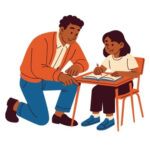
Research by Jen Alexander, author of Building Trauma-Sensitive Schools, emphasizes that traumatized youth require higher levels of supervision and structure to feel secure. Educators are encouraged to be explicitly nurturing, using verbal cues to signal their role as a protector. Phrases such as, "I am here to help you with things you might have had to handle alone before," serve to rewire the student’s perception of authority figures from potential threats to reliable supports.
2. Prioritizing Rapport as a Prerequisite for Instruction
Classroom management experts Tim Knoster and Stephanie Gardner posit that rapport is the foundation of classroom climate. Purposeful relationship-building does not merely improve behavior; it addresses the neurological need for social connection. When students trust their teachers, their nervous systems transition from a state of survival to a state of social engagement, which is the only state in which academic learning can occur.
3. Integration of Sensory Comfort Items
The neurological system of a traumatized child is often "on edge." Dyane Lewis Carrere and Wynne Kinder, developers of The Re-Set Process, advocate for the use of comfort items to provide immediate sensory regulation. These items—ranging from weighted lap pads to simple tactile objects—act as external regulators for a child’s internal distress. These tools are most effective when they have positive personal associations and are treated as legitimate therapeutic aids rather than toys.
4. Eliminating Practices that Highlight Socio-Economic Discrepancies
Trauma is frequently intertwined with poverty and systemic injustice. Educators are advised to handle traditional activities, such as "What I did on summer break" essays, with extreme sensitivity. For students experiencing housing instability or food insecurity, these assignments can highlight discrepancies between their lives and those of their peers, triggering feelings of shame and "un-safety." A trauma-sensitive approach focuses on inclusive prompts that do not require financial or familial resources to answer.

5. Implementing Nontraditional Seating for Regulation
The "criss-cross applesauce" sitting position, while traditional, often fails to provide the deep pressure or physical stability required by a dysregulated nervous system. Trauma-sensitive classrooms offer variety: kneeling, squatting, or standing. These positions can help "burn" stress chemicals like cortisol or provide the proprioceptive input necessary for a student to feel grounded in their physical space.
6. Using Visual and Written Schedules for Predictability
Predictability is the antidote to the chaos often associated with traumatic backgrounds. Visual schedules for younger children and written outlines for older students provide a roadmap of the day, reducing the anxiety of the unknown. Breaking down complex procedures into step-by-step pictorial directions ensures that students do not feel overwhelmed by cognitive load during transitions.

7. Identifying and Respecting Individual "Safe Spaces"
Students with pervasive trauma perceive physical environments through a lens of self-defense. Some may need their backs to a wall to monitor the room, while others may feel panicked if they are "cornered" in a desk arrangement. Educators should observe where students naturally gravitate and allow them to work in spaces where they feel most secure, thereby empowering them to make emotionally sound choices.
8. Utilizing Safety Mapping for Environmental Audits
Safety mapping involves giving students a floor plan of the school and asking them to identify areas where they feel safe or unsafe. This data-driven approach allows administrators to identify "hot spots"—such as unmonitored hallways or loud cafeterias—that may be triggering for students. It provides a voice to the student body and offers tangible insights into system-wide issues.

9. Proactive Collaboration with Families and Communities
A student’s sense of safety at school is intrinsically linked to the stability of their home life. Trauma-sensitive schools act as community hubs, linking families with health resources, food banks, and social services. By addressing the "Whole Child," schools help stabilize the external factors that contribute to a student’s internal sense of dread.
10. Cultivating Joy Through Community Rituals
Finally, safety is not merely the absence of harm but the presence of connection. Positive rituals, traditions, and celebrations build collective resilience. Involving all youth in enjoyable community activities fosters a sense of belonging, which is a powerful buffer against the long-term effects of trauma.

Supporting Data and Statistical Analysis
The impact of implementing these strategies is measurable. In districts that have adopted comprehensive trauma-informed frameworks, data shows a significant correlation with improved outcomes:
- Disciplinary Reductions: A study of "Compassionate Schools" in Washington State reported a 30% to 90% decrease in suspensions and expulsions within the first three years of implementation.
- Academic Gains: Schools focusing on "felt safety" have seen incremental increases in reading and math scores, attributed to the fact that students are more cognitively available for instruction.
- Teacher Retention: Trauma-informed training reduces "secondary traumatic stress" or compassion fatigue among staff, leading to higher job satisfaction and lower turnover rates.
Addressing Racial and Systemic Trauma
Modern trauma-sensitive approaches must also account for racial trauma. Experts Jen Alexander and Fritzgerald highlight the importance of using Universal Design for Learning (UDL) to disrupt traumatizing societal patterns. This involves a critical look at how school policies—such as "zero tolerance" rules—disproportionately affect students of color, potentially creating a cycle of historical and generational trauma. Integrating equity into the trauma-informed lens is no longer optional; it is a fundamental requirement for "real safety."

Implications for School Policy and Crisis Planning
The move toward trauma-sensitive environments necessitates a shift in administrative policy. Effective school crisis teams, as outlined by David Schonfeld and his colleagues, must be trained not only to respond to acute tragedies but to sustain a culture of ongoing support. This involves building "psychological first aid" into the daily routine of the school.
As the 2024-2025 academic year approaches, the implementation of these ten tips represents more than just a change in classroom management; it represents a commitment to the fundamental right of every child to feel safe while learning. By prioritizing rapport, predictability, and physical regulation, schools can transform from places of high-stress performance to sanctuaries of healing and growth. The data is clear: when students feel safe, they learn; when they learn, they thrive. The transition to trauma-sensitive schooling is not merely a trend, but a necessary evolution in the quest for educational equity and excellence.
Related posts: