Preschool Students Stir Up Autumn Learning with Hands-On Homemade Applesauce Project

Classrooms across early childhood education centers frequently utilize seasonal themes to engage young learners in multidisciplinary activities, blending science, motor skill development, and nutrition. A recent culminating event for an immersive classroom apple unit yielded unexpected enthusiasm and a practical lesson in food science when students transitioned from baking tiny apple pies to producing a large batch of homemade applesauce. The project, designed to connect sensory experiences with agricultural education, offered educators a dynamic model for incorporating culinary arts into the early education curriculum.
Chronology of the Classroom Culinary Project
The applesauce initiative marked the final phase of a multi-week curriculum dedicated to apples, following a successful baking project involving miniature apple pies. Educators noted that the positive reception of the pie-making session inspired the shift toward a more involved, multi-step food preparation process.
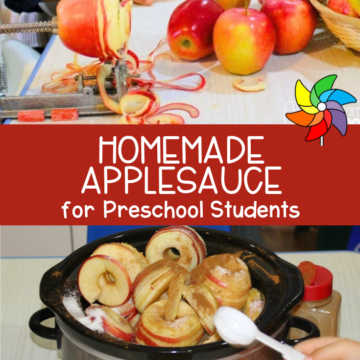
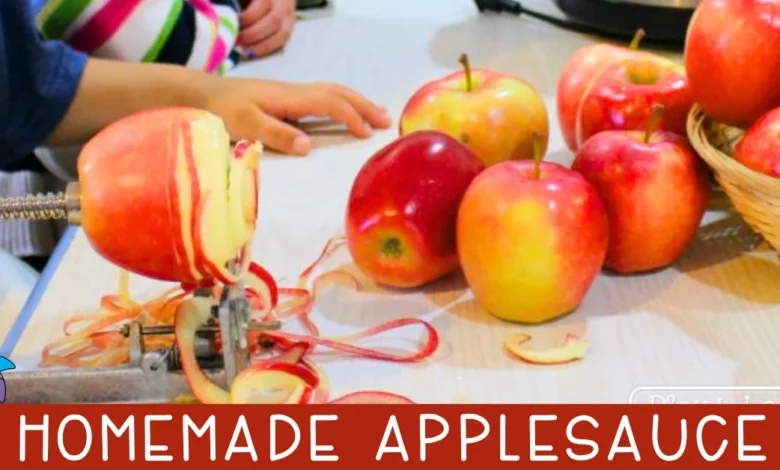
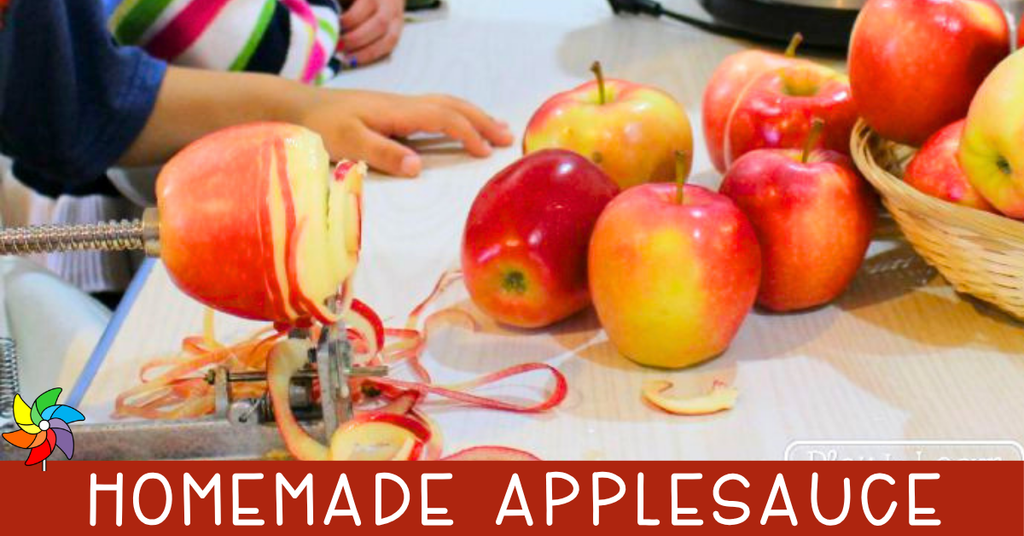
The project commenced with the preparation phase, which emphasized physical engagement and fine-motor coordination. Initially, instructors planned for each participating child to process a single apple. However, student fascination with the manual apple peeler, corer, and slicer machinery altered the itinerary. Children eagerly took turns operating the crank-driven device, resulting in an unexpected total of approximately 20 apples processed. Educators jokingly reclassified the activity as an impromptu gross motor physical education exercise, highlighting the incidental physical benefits of manual kitchen tools in a classroom setting.
Following the preparation stage, the students transitioned to ingredient formulation. Working collectively, the children transferred the freshly sliced fruit into a slow cooker. Under teacher supervision, the participants measured and added water, granulated sugar, and ground cinnamon, observing how individual components combined before the thermal cooking process began.
The slow-cooking phase spanned approximately eight hours on a low-heat setting, filling the classroom facility with aromatic notes associated with autumn harvests. Upon the completion of the cooking cycle, instructors utilized a kitchen blender to achieve a smooth, uniform puree consistency. The final product was then served to the students during the daily snack period, concluding the experiential learning timeline.
Selection of Fruit and Horticultural Considerations
A critical component of the classroom activity involved the selection of the apple variety. Educators emphasized that the mechanical peeling and coring apparatus requires firm, crisp fruit to function effectively without jamming or bruising the flesh.
During the project, the classroom utilized Gala apples, a cultivar known for its dense texture, sweet flavor profile, and structural integrity during mechanical processing. Instructors contrasted this choice with past experiences utilizing Red Delicious apples, noting that softer historical varieties frequently failed to hold their structural form when fed through the rotary peeler. This technical hurdle provided an unplanned educational lesson in agricultural science, teaching children about the physical differences between various apple cultivars and how those characteristics influence food preparation.
Nutritional and Sensory Observations
The introduction of homemade applesauce offered an immediate lesson in food perception and consumer expectations among young children. While commercial applesauce products are typically treated with chemical preservatives, ascorbic acid, or subjected to industrial filtering to maintain a uniform, pale or white appearance, the unprocessed classroom batch oxidized during the prolonged cooking and blending process, yielding a natural brownish hue.

Feedback regarding the finished product was mixed among the student demographic. While many children consumed the snack willingly, a subset of the participants expressed hesitation, specifically citing the unfamiliar brown coloration as a visual deterrent that contrasted sharply with the standardized appearance of commercially manufactured applesauce. Conversely, adult observers and family members consuming the surplus batch noted a favorable taste profile, subsequently encouraging further classroom culinary endeavors.
Broader Educational Implications and Curriculum Integration
The incorporation of food preparation into preschool and early elementary education aligns with broader pedagogical frameworks that advocate for experiential, inquiry-based learning. Nutritional experts and early childhood development specialists frequently note that involving children in the preparation of whole foods increases their willingness to try new flavors, demystifies the origins of everyday meals, and reinforces basic mathematical concepts through measuring and counting.
Furthermore, seasonal thematic units centered on agriculture support developmental milestones in multiple domains:

- Cognitive Development: Observing physical transformations, such as solid apple slices converting into a soft puree through heat and moisture.
- Fine and Gross Motor Skills: Manipulating peelers, measuring spoons, and stirring implements.
- Social-Emotional Learning: Cooperating in a shared group task and managing collective outcomes.
As educational institutions continue to seek innovative methods for engaging students, hands-on agricultural projects like the classroom applesauce initiative demonstrate the viability of transforming basic food items into comprehensive learning modules. The success of the project—despite minor visual reservations from the student taste-testers—underscores the enduring value of tactile, kitchen-based education in early childhood development.
Related posts: