Transforming Early Childhood Mealtimes into Meaningful and Developmental Experiences

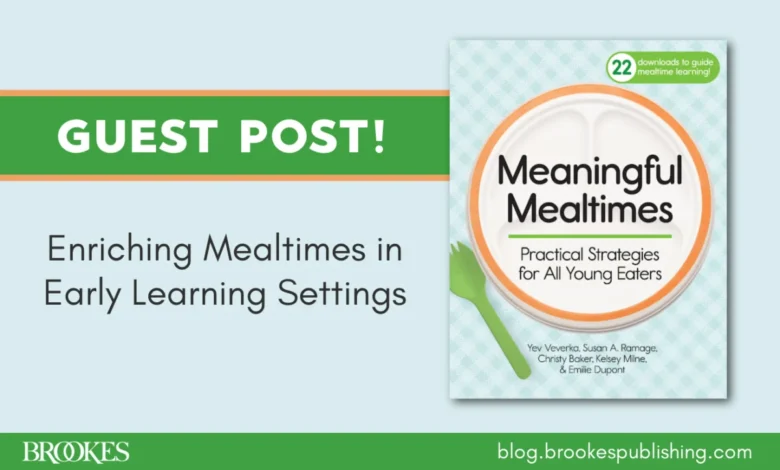
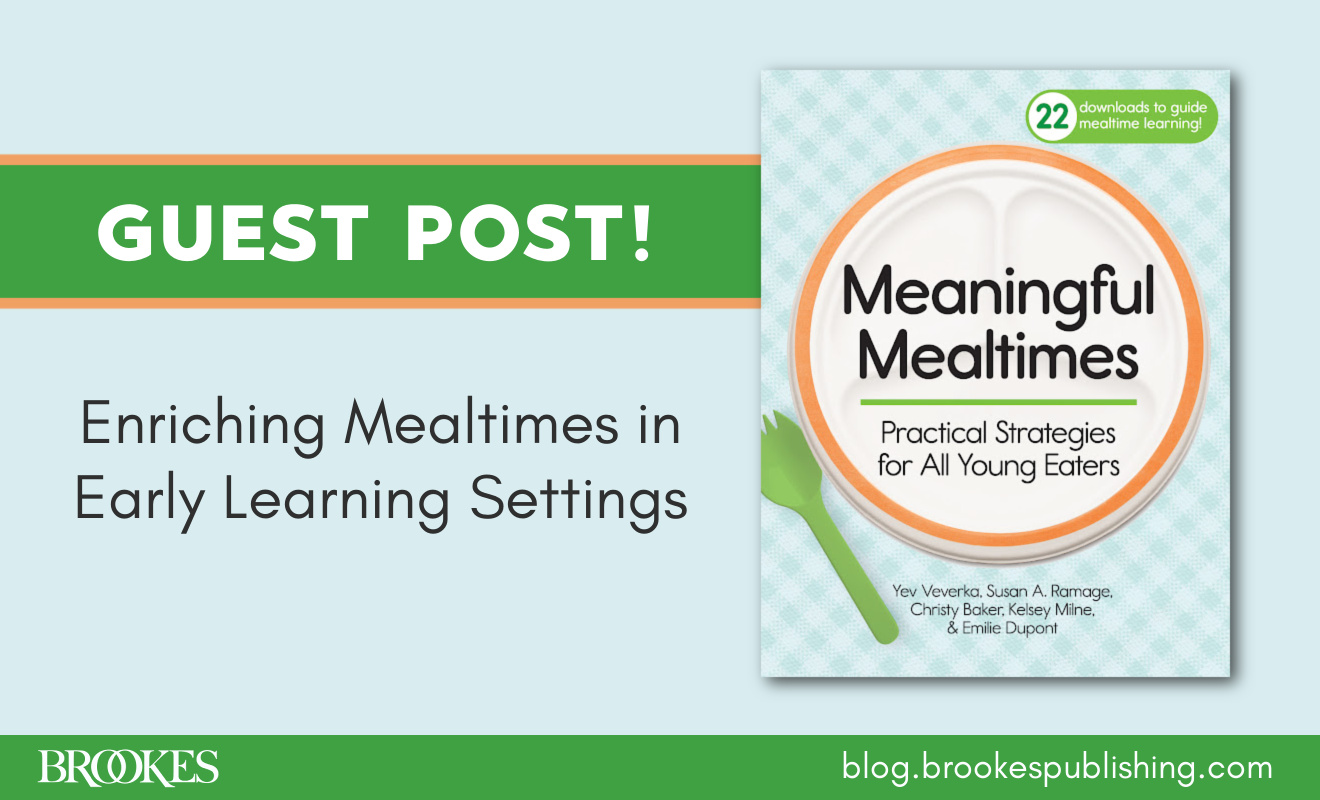
The nutritional and social habits established during the first five years of life serve as the bedrock for long-term health and emotional well-being. For early childhood educators and care providers, the mealtime setting represents one of the most complex, yet significant, components of the daily curriculum. A collaborative effort by Yev Veverka, Ph.D., BCBA-D, Susan A. Ramage, R.N., M.N., Christy Baker, OTR/L, CLE, Kelsey Milne, M.S., and Emilie Dupont, M.Ed., authors of the comprehensive resource Meaningful Mealtimes, has highlighted a systemic shift in how childcare settings are approaching the communal table. Rather than viewing snacks and lunches as mere biological refueling, practitioners are increasingly reframing these moments as critical windows for cognitive, social, and sensory development.
The Evolution of Mealtime Pedagogy
The history of early childhood nutrition programs has evolved significantly over the past three decades. In the late 20th century, the focus of institutionalized mealtime was primarily on regulatory compliance—ensuring caloric intake and meeting safety standards set by the U.S. Department of Agriculture (USDA) through programs such as the Child and Adult Care Food Program (CACFP). While these standards remain the cornerstone of nutritional health, contemporary research in early childhood education has identified a "hidden curriculum" within the cafeteria.
Data from the Centers for Disease Control and Prevention (CDC) underscores the necessity of this shift; childhood obesity rates and picky eating behaviors are often linked to early life experiences with food. By moving away from restrictive or authoritative feeding styles—which can inadvertently foster negative associations with food—modern pedagogy favors a "responsive feeding" model. This approach prioritizes the child’s autonomy and sensory comfort, turning the mealtime table into a laboratory for self-regulation and social negotiation.
Establishing a Cohesive Mealtime Vision
The first step toward systemic improvement in classroom mealtimes involves a deliberate, reflective process. The authors of Meaningful Mealtimes argue that caregivers often unknowingly project their own childhood experiences onto the children they serve. A provider who grew up in a household where "clean plate" policies were enforced may struggle to accept a child’s natural satiety cues.
To mitigate these biases, experts recommend a collaborative vision-setting meeting involving all stakeholders: educators, administrative staff, and families. This chronological approach to planning begins with the "pre-meal" phase, where the environment is assessed for sensory input. By analyzing the physical space—evaluating noise levels, lighting, and seating ergonomics—providers can transition from a chaotic, high-stress environment to one that supports the nervous system. The objective is to define a "safe zone" where children feel empowered to explore diverse food profiles without the pressure of performance or compliance.
Structural Integrity: The Role of Routine
Predictability is a fundamental pillar of early childhood development. When a child arrives at the table with a clear understanding of the beginning, middle, and end of the routine, anxiety levels drop. Longitudinal studies on classroom management suggest that transition rituals—such as hand-washing songs or communal table setting—serve as vital cues that help children shift from high-energy play to sedentary focus.
The implementation of a structured, yet flexible, routine allows for the development of executive function. By involving children in the preparation process, such as setting placemats or choosing between two healthy options, educators foster a sense of ownership. This transition from passive recipient to active participant is crucial for long-term food security and positive dietary habits.
Navigating Sensory Processing and Autonomy
One of the most significant challenges in modern group care is accommodating children with varying sensory profiles. For some children, the texture or smell of a new food can trigger a genuine physiological stress response. The pedagogical shift recommended by Veverka et al. focuses on the "Division of Responsibility" in feeding, a concept popularized by Ellyn Satter. Under this model, the adult is responsible for the "what, where, and when" of eating, while the child is responsible for the "whether and how much."
By removing the pressure to consume specific amounts, educators report a marked decrease in mealtime behavioral disruptions. Instead of mandating intake, teachers are encouraged to model interest. This includes describing the properties of food—its color, the sound it makes when sliced, or the aroma it releases—without demanding consumption. This objective, sensory-based language allows children to engage with food on their own terms, lowering the barrier to entry for picky eaters.
Cultural Competency and Inclusive Nutrition
Diversity in the classroom extends to the plate. As the demographics of early childhood programs become increasingly globalized, the integration of cultural food traditions has become a requirement for inclusive practice. Educators are now tasked with curating menus and library materials that reflect the diverse backgrounds of their student body.
This approach serves a dual purpose: it validates the identity of the child and expands the palate of the peer group. However, practitioners are cautioned to be sensitive to the realities of food insecurity. Not all families have the same access to the variety of foods they might wish to share. Effective programs create invitations for families to participate in menu planning or storytelling, ensuring that the dialogue remains supportive rather than exclusionary.
Integrating Interdisciplinary Learning
Mealtimes provide a unique opportunity for cross-curricular engagement. The biological journey of food—from farm to table and then through the digestive system—offers endless avenues for scientific inquiry. Discussions regarding how food provides energy for play, or how different cultures utilize specific ingredients, turn the lunch hour into an interactive lecture.
In settings where children may have unique nutritional needs, such as those using G-tubes or specific dietary modifications, the goal is to integrate these differences into the classroom culture naturally. By normalizing different methods of receiving nutrition, educators promote an environment of empathy and understanding, ensuring that every child feels represented at the table.
Evidence-Based Implications for Future Practice
The adoption of these strategies is not merely a pedagogical preference; it is a response to the growing need for emotional regulation in early childhood. By fostering a calm, inclusive, and pressure-free environment, providers can significantly improve the quality of daily life in early learning centers.
The implications for the broader childcare industry are profound. As schools and daycare centers face increasing pressure to improve outcomes, the "Meaningful Mealtimes" framework offers a scalable, low-cost intervention that addresses both nutritional health and social-emotional learning. The transition from a provider-centric model to a child-centric model of feeding requires a commitment to professional development, but the long-term benefits—improved peer interactions, increased willingness to try new foods, and a reduction in classroom stress—are well-documented.
As the industry continues to refine its approach to the "whole child," the mealtime table stands out as a primary site for growth. Whether through the simple act of dimming the lights, the complex process of engaging families in cultural exchange, or the daily modeling of healthy curiosity, the steps taken by educators during these critical moments ripple far beyond the classroom. By transforming the meal into a meaningful experience, professionals are not just feeding children; they are nurturing the foundations of their future health, autonomy, and social capacity. The ongoing research in this field serves as a vital reminder that in the earliest years, how we eat is just as important as what we eat.
Related posts: