Building a Foundation of Inclusion: Essential Black History Month Books for Early Childhood Classrooms

Early childhood educators across the nation face the ongoing task of introducing young learners to a world that extends far beyond their immediate neighborhoods. While children in metropolitan areas may encounter diverse cultures daily, students in rural or homogenous communities often lack this immediate exposure. To bridge this gap, educators increasingly turn to carefully curated literature that highlights the contributions, histories, and everyday experiences of Black Americans. By integrating these texts into preschool classrooms, teachers provide foundational opportunities for children to build empathy, cultural awareness, and a comprehensive understanding of society.
The Pedagogical Importance of Representation in Early Learning
Educational research consistently underscores the psychological and social benefits of diverse classroom libraries. When young children encounter characters who reflect their own racial backgrounds, it reinforces their sense of self-worth and belonging. Conversely, when students read stories about lives and communities different from their own, they develop cognitive flexibility, respect, and social-emotional maturity.

According to literacy advocates and child development experts, inclusive books serve a dual purpose. Nonfiction historical narratives introduce preschoolers to abstract concepts like fairness, perseverance, and civic courage through accessible storytelling. Simultaneously, fictional works depicting everyday joy—such as family outings, playground games, and shared meals—validate the normalcy and richness of Black childhood. This balanced approach ensures that Black history is not framed solely through the lens of struggle, but also through celebration, culture, and daily life.
Historical Nonfiction: Introducing Real-World Changemakers to Young Learners

Introducing historical figures to preschool-aged children requires a delicate balance of factual accuracy and age-appropriate framing. Educators often rely on nonfiction picture books that focus on core values like courage and community action rather than complex historical traumas. Several prominent titles have become staples in early childhood classrooms for achieving this balance:
Stand Up! by Brittney Cooper offers young readers a comprehensive look at ten women who shaped civil rights history. By pairing historical figures like Ruby Bridges and Rosa Parks with modern activists like Bree Newsome, the book illustrates that civic engagement is an ongoing tradition.

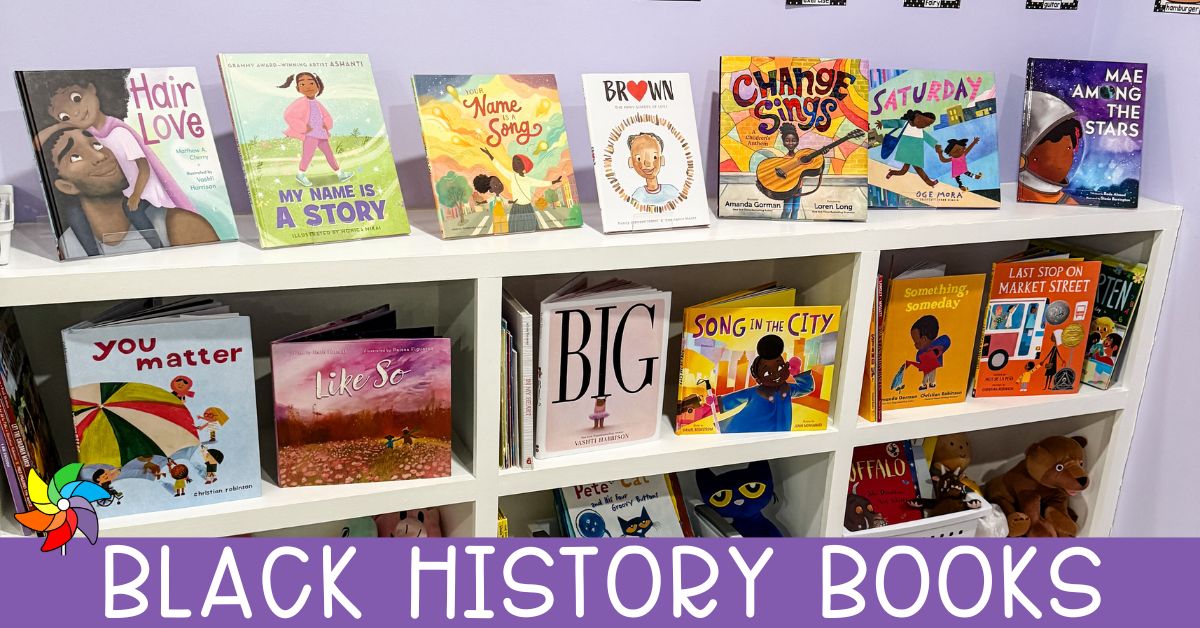
Mae Among the Stars by Roda Ahmed chronicles the childhood of Mae Jemison, the first African American woman to travel into space. The narrative emphasizes family support, determination, and the pursuit of ambitious goals, making it an ideal entry point for discussions about science and aspirations.
Let the Children March by Monica Clark-Robinson transports readers to the 1963 Children’s Crusade in Birmingham, Alabama. The book sensitively details how thousands of young people organized peaceful protests against segregation, demonstrating to preschoolers that children have historically played vital roles in shaping justice.

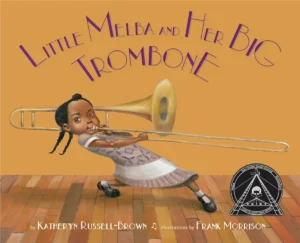
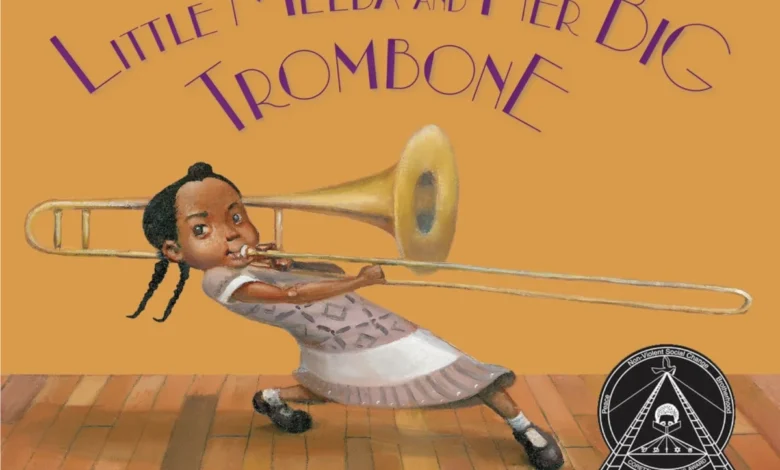
Little Melba and Her Big Trombone by Katheryn Russell-Brown explores the musical journey of jazz pioneer Melba Liston. Overcoming systemic and gender barriers, Liston emerged as a celebrated composer and instrumentalist who collaborated with musical legends like Duke Ellington and Billie Holiday.
The Oldest Student by Rita Lorraine Hubbard and Oge Mora tells the remarkable true story of Mary Walker, who learned to read at the age of 116. Spanning from the Civil War era to the Civil Rights Movement, Walker’s biography emphasizes that intellectual curiosity and personal growth are lifelong pursuits.

Celebrating Everyday Joy and Cultural Nuance in Fiction
While historical biographies are essential, educators emphasize that diverse literature must also reflect the everyday realities and joys of Black children. Fiction books focusing on ordinary moments help dismantle monolithic views of minority communities by showcasing diverse family structures, urban landscapes, and universal childhood experiences.

Big by Vashti Harrison addresses themes of self-acceptance and body positivity through striking illustrations and sparse text, encouraging children to take up space in the world comfortably.
When Langston Dances by Kaija Langley follows a young boy who discovers a passion for ballet after attending a performance by the Alvin Ailey American Dance Theater, challenging rigid gender and cultural expectations.

Black is a Rainbow Color by Angela Joy uses poetic verse to connect the color black to historical heritage, nature, and everyday pride.
Hair Love by Matthew A. Cherry celebrates natural hair and paternal involvement, as a father learns to style his daughter’s hair for a special occasion.

Brown: The Many Shades of Love by Nancy Johnson James and Constance Moore honors the diverse skin tones within a single family, reinforcing themes of identity and familial warmth.
Last Stop on Market Street by Matt de la Peñá explores a grandmother and grandson’s bus ride through the city, teaching lessons on gratitude and urban beauty.

Saturday by Oge Mora captures the tension and eventual joy of a mother-daughter weekend disrupted by minor setbacks, highlighting resilience and close familial bonds.
I Am Enough by Grace Byers provides a powerful, affirming message about purpose and self-worth that resonates with children across diverse backgrounds.

Like So by Ruth Forman offers a tender look at the generational bond between a grandmother and her granddaughter through rhythmic language.
Milo Imagines the World by Matt de la Peñá prompts readers to examine unconscious bias as a subway passenger sketches assumptions about fellow riders before discovering the depth of their real lives.

Parker Looks Up by Parker Curry, co-authored by a five-year-old child, captures the awe of seeing a portrait of Michelle Obama for the first time and recognizing one’s own potential.
Sulwe by Lupita Nyong’o addresses the sensitive topic of colorism within communities, helping young readers process self-esteem, skin tone, and inner beauty.

Broader Implications for Classroom Communities and Educational Policy
The integration of Black History Month literature into preschool curricula aligns with broader national conversations regarding culturally responsive teaching. Professional organizations, including the National Association for the Education of Young Children (NAEYC), advocate for intentional collection development as a primary method for fostering equitable learning environments.

Educational analysts note that early exposure to diverse literature correlates with reduced racial bias and increased social competence among children. By embedding these texts into daily read-aloud routines, teachers do more than observe a monthly calendar event; they lay the groundwork for an inclusive educational culture that values every student’s humanity, history, and future potential.
Related posts: