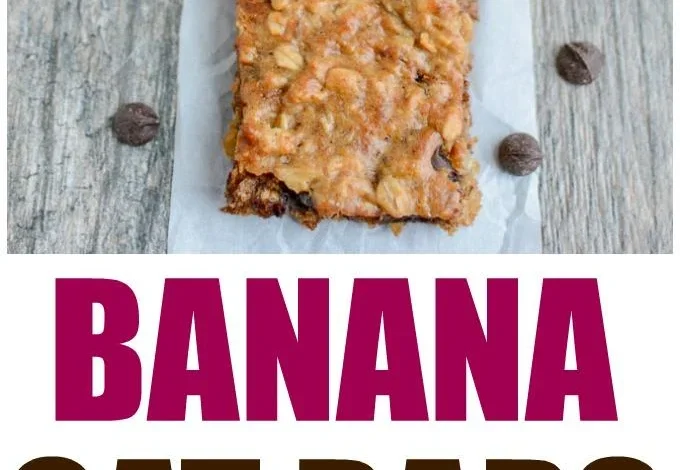
Historical Evolution and Culinary Context
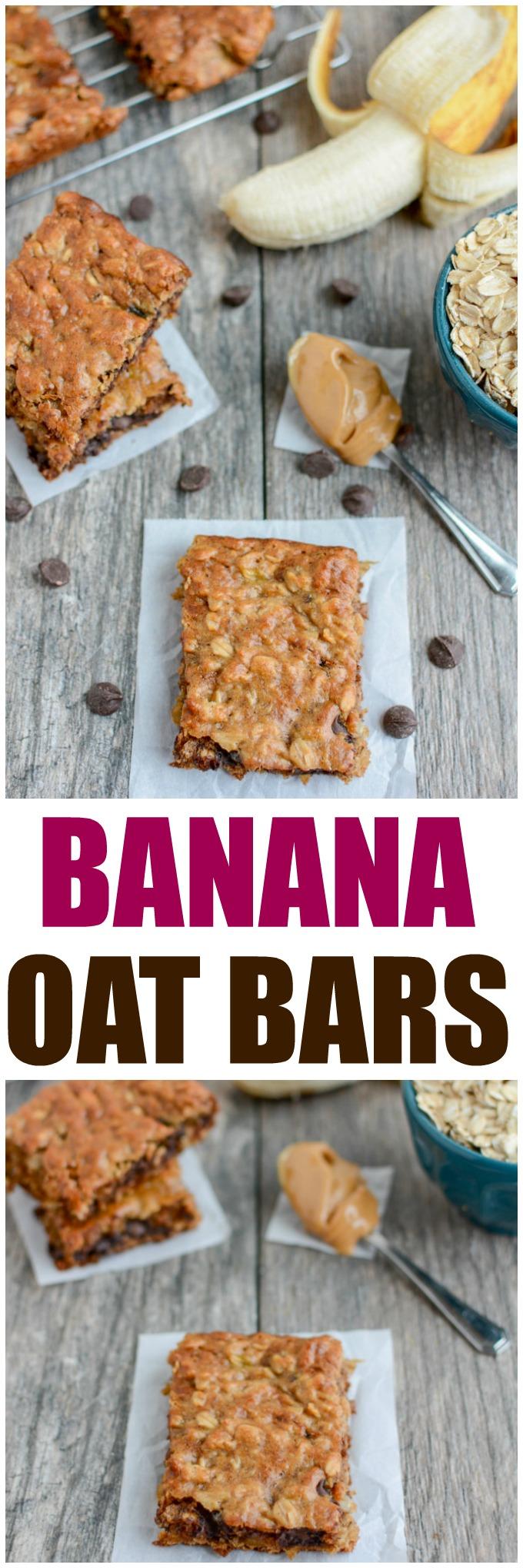
The concept of the banana oat bar gained traction in the mid-2010s as consumer interest in "clean eating" and reduced-sugar snacks surged. Registered Dietitian Lindsay Livingston, who originally introduced this specific recipe, sought to create a culinary bridge between convenience and nutrition. By utilizing mashed ripe bananas—a staple found in many households—as a natural binding agent and sugar substitute, the recipe eliminated the need for processed oils or refined sugars common in commercial snack bars.
Since 2017, the recipe has evolved from a basic four-ingredient model to a customizable framework. This shift mirrors the broader food industry trend of "modular recipes," where the base remains consistent while allowing for dietary modifications such as gluten-free, vegan, or nut-free adaptations. The 2026 update specifically addresses the growing demand for texture-sensitive adjustments, such as the use of quick-cooking oats for younger children who may find the coarser texture of traditional rolled oats unappealing.
Nutritional Composition and Dietary Implications
From a nutritional standpoint, the Banana Oat Bar serves as a significant case study in balancing macronutrients. Oats are recognized by the American Heart Association for their high soluble fiber content, specifically beta-glucan, which contributes to cardiovascular health and sustained blood glucose regulation. When paired with peanut butter, a source of plant-based protein and monounsaturated fats, the snack provides a balanced energy profile that avoids the rapid glycemic spikes associated with refined grain snacks.
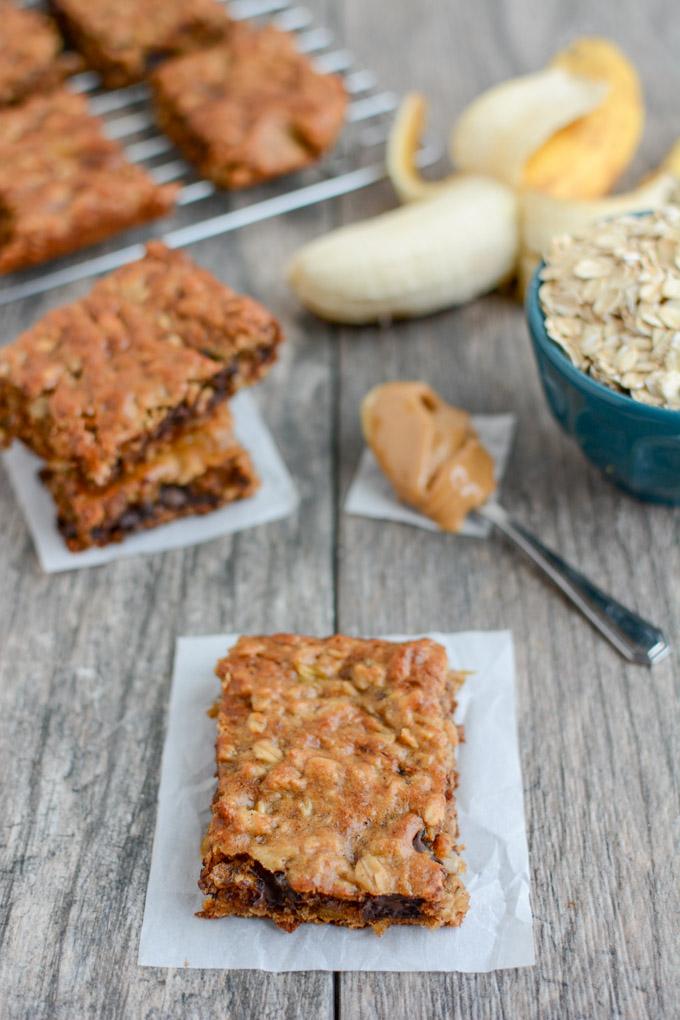
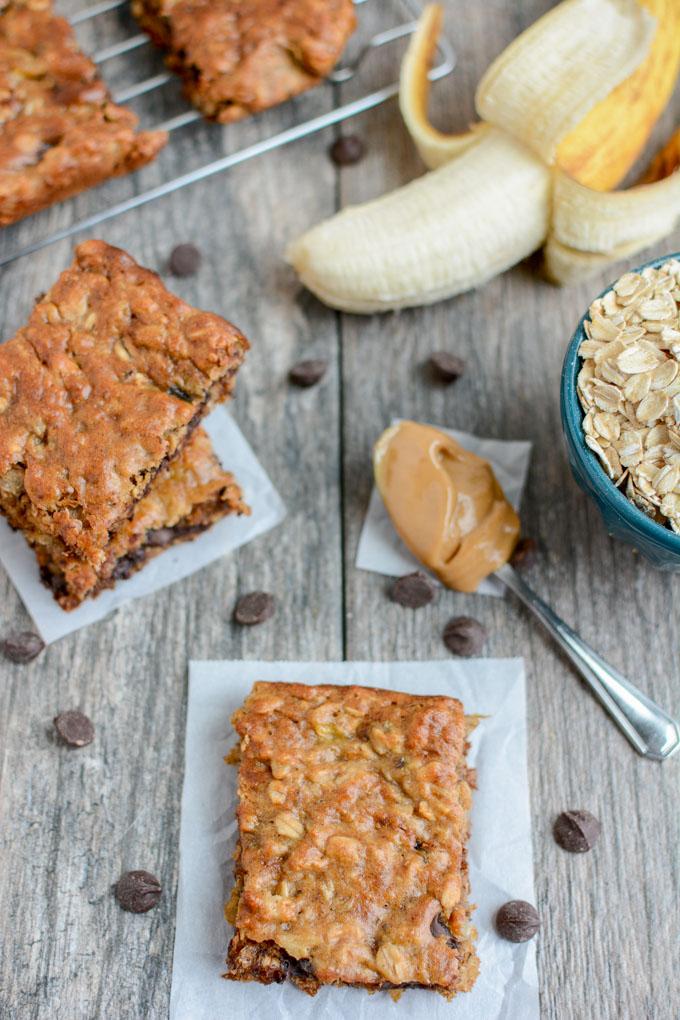
The base composition typically includes:
- Ripe Bananas: Providing potassium, vitamin B6, and natural fructose.
- Oats: A complex carbohydrate that provides long-lasting satiety.
- Peanut or Nut Butter: Essential for structural integrity and fatty acid profiles.
- Binding Agents: Historically eggs, though recent culinary developments have popularized the use of flax-seed meal or apple-based purees for vegan-compliant consumers.
Industry Trends in Home Cooking
The persistent popularity of this recipe highlights a significant change in the "home kitchen" demographic. According to data from the Bureau of Labor Statistics on consumer food expenditure, there has been a steady increase in households shifting toward home-prepared snacks rather than relying on pre-packaged, shelf-stable options. The "Easy Banana Oat Bar" occupies a strategic niche in this sector by requiring minimal specialized equipment—usually only a mixing bowl and a standard baking sheet—and a prep time of under ten minutes.
Educational initiatives regarding culinary literacy have also contributed to the longevity of this recipe. Experts in childhood development and nutrition, including figures like Livingston, emphasize that involving children in the preparation of these bars fosters a positive relationship with food. This pedagogical approach to cooking is increasingly recommended by pediatric nutritionists as a method to reduce "picky eating" tendencies by demystifying the preparation process and encouraging ingredient familiarity.
Comparative Analysis: Traditional vs. Modern Methods
The original 2017 formulation was characterized by a rigid adherence to specific measurements of rolled oats and honey or maple syrup. However, the 2026 update introduces a more flexible, evidence-based approach. The inclusion of "optional mix-ins"—such as cocoa powder, blueberries, or shredded carrots—demonstrates how a singular, foundational recipe can be adapted to increase micronutrient density without requiring extensive culinary expertise.
Furthermore, the integration of gluten-free, 1:1 flour blends and certified gluten-free oats allows the recipe to remain inclusive of those with celiac disease or gluten sensitivities. This inclusivity is a hallmark of modern recipe development, which prioritizes accessibility over traditional, restrictive culinary dogma.
Practical Application and Storage Protocols
For the average household, the economic efficiency of the recipe cannot be overstated. Utilizing overripe bananas that would otherwise be discarded is an effective method of food waste reduction. From a logistical perspective, the storage of these bars has been standardized for safety: when properly cooled, they remain viable for three to four days at room temperature in an airtight container. If kept in a refrigerated environment, the lifespan extends to one week, making it a viable option for weekly meal prep.
Expert Perspectives on Future Culinary Directions
Registered Dietitians have observed that recipes like these are critical in the "snack-centric" culture of the modern workplace and school system. By providing a template for nutrient-dense snacking, such recipes empower consumers to take control of their sodium and added-sugar intake. The ongoing dialogue between food creators and the home-baking community suggests that future iterations may focus on even more sustainable ingredients, such as lupin flour for increased protein or monk fruit sweeteners to further lower the glycemic index.
The "Banana Oat Bar" is more than a simple snack; it represents a cultural movement toward intentional eating. As the culinary landscape continues to prioritize transparency and health, the reliance on basic, whole-food ingredients will likely remain the gold standard for home-prepared snacks. The evolution of this recipe from a 2017 blog post to a staple of the home kitchen demonstrates that simplicity, when grounded in nutritional science, provides the most sustainable path to healthy, long-term dietary habits.
Conclusion: A Staple of Modern Nutrition
The enduring success of the Easy Banana Oat Bar serves as a testament to the effectiveness of simple, whole-food ingredients. By maintaining a focus on accessibility and nutritional value, the recipe has remained relevant through nearly a decade of shifting food trends. Whether as a vehicle for sneaking vegetables into a diet or as a tool for teaching children the fundamentals of food preparation, the banana oat bar continues to function as a cornerstone of the modern, health-conscious kitchen. As families continue to seek alternatives to processed, sugar-laden convenience foods, this recipe will undoubtedly remain a fixture, adapting to the needs of each new generation of home cooks.