Five Essential Early Childhood Coaching Resources for Instructional Excellence


Early childhood education programs across the United States are increasingly pivoting toward evidence-supported coaching frameworks as the primary vehicle for professional development, marking a significant shift from traditional workshop-based training models. As the demand for high-quality instruction and individualized support for young learners grows, the field has recognized that one-off seminars are insufficient to drive long-term behavioral change in educators. Instead, coaching partnerships—defined by ongoing, collaborative, and practice-based interactions—have emerged as the gold standard for refining pedagogical skills, fostering reflective practice, and ensuring that new research-based strategies are successfully integrated into the classroom and home-visiting environments.
The Evolution of Professional Development in Early Childhood
For decades, professional development in early childhood education (ECE) was characterized by "drive-by" training: short, episodic sessions that offered little follow-up or support for implementation. Longitudinal studies conducted by organizations like the National Center on Early Childhood Development, Teaching, and Learning have consistently shown that traditional professional development yields limited results in terms of classroom quality improvement.
The shift toward coaching began to gain momentum in the early 2000s, driven by research highlighting the importance of adult learning theory. Unlike traditional methods, evidence-based coaching is cyclical, involving observation, collaborative goal setting, implementation of new practices, and constructive feedback. This evolution aligns with broader trends in K-12 education, where instructional coaching has become a staple for teacher retention and performance improvement. However, the unique complexities of early childhood—which involves not only classroom teachers but also home visitors, early interventionists, and families—necessitate a highly specialized approach to coaching.

The Mechanics of Effective Coaching Frameworks
Current research suggests that effective coaching relies on five core pillars: observation, action, reflection, feedback, and joint planning. These components ensure that the coaching relationship is not merely evaluative but developmental.
- Observation: Coaches gather objective data regarding the practitioner’s current performance.
- Action: The coach and the practitioner work together to implement specific, evidence-based strategies.
- Reflection: This is perhaps the most critical stage, where the practitioner analyzes the impact of their actions on child outcomes.
- Feedback: Coaches provide specific, non-judgmental information that allows the practitioner to adjust their approach.
- Joint Planning: Both parties map out future steps, ensuring the coaching process remains goal-oriented and sustainable.
Curated Resources for Implementing Coaching Frameworks
To facilitate the transition to these models, several key resources have been developed to serve as a roadmap for administrators and instructional leads. These resources, curated by experts in the field, provide the practical tools necessary to bridge the gap between theory and practice.
Coaching in Home Visiting: The Bridge Between Theory and Practice
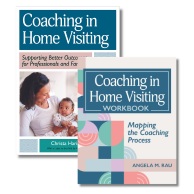
Designed specifically for the unique environment of home-based services, Coaching in Home Visiting by Dr. Christa Haring and Angela Rau addresses a critical gap in professional development. Home visitors often operate in isolated environments, making peer support and expert coaching vital. This resource provides a framework for building relationships that promote equity and family-centered outcomes. Its companion workbook is particularly significant, as it provides the scaffolding for daily practice through vignettes, planning exercises, and reflection prompts that help practitioners navigate the complexities of working within a family’s home environment.
Coaching and Consultation Practices in Early Childhood
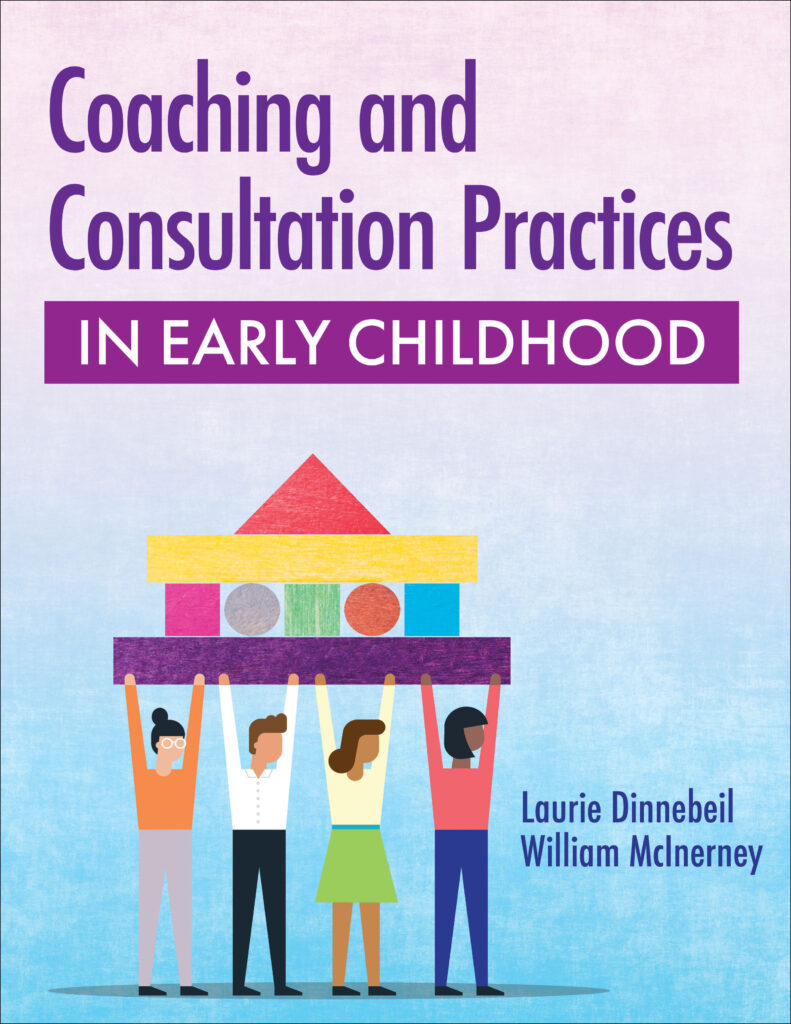
For those seeking a broader understanding of collaborative models, Dr. Laurie A. Dinnebeil and Dr. William F. McInerney offer a comprehensive look at the ecosystem of professional collaboration. Their work, Coaching and Consultation Practices in Early Childhood, serves as both a textbook and a professional guide. By focusing on adult learning and performance feedback, the authors demonstrate how to maintain fidelity to evidence-based practices while allowing for the flexibility required in special education and early intervention settings. The inclusion of over 25 downloadable tools, such as progress monitoring forms and coaching session logs, provides an immediate, actionable infrastructure for program directors.
Essentials of Practice-Based Coaching (PBC)
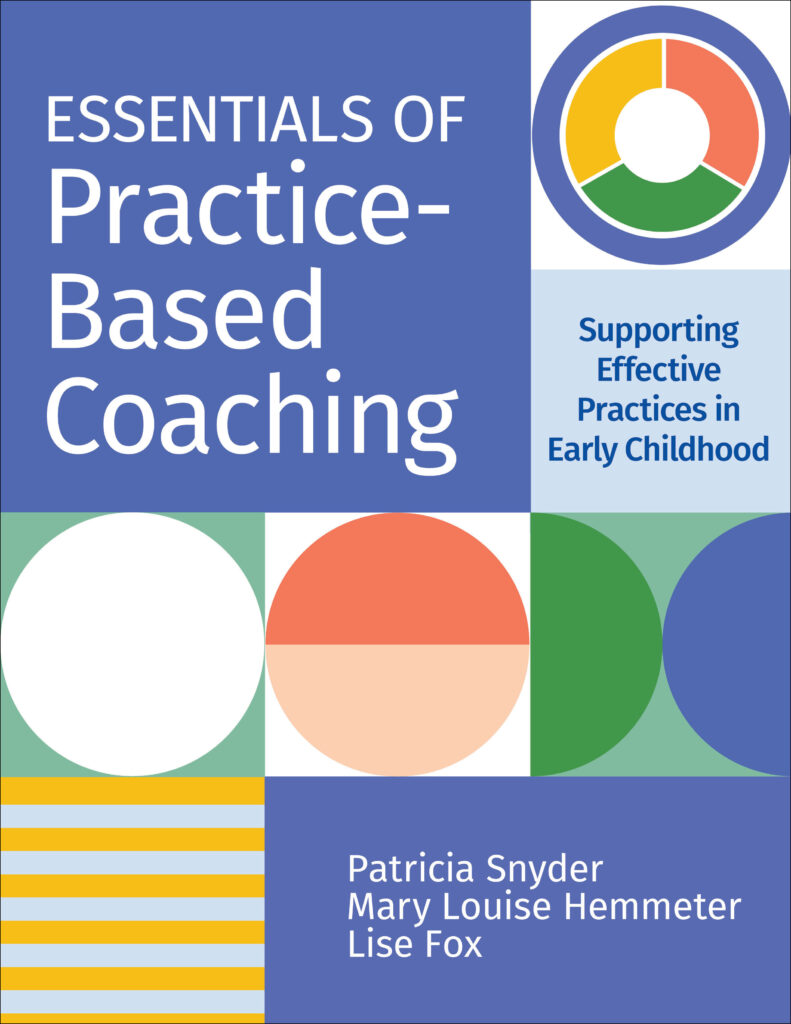
Practice-Based Coaching (PBC) has become one of the most widely recognized frameworks in the ECE sector. Developed by leading researchers Dr. Patricia Snyder, Dr. Mary Louise Hemmeter, and Dr. Lise K. Fox, the Essentials of Practice-Based Coaching guide serves as the definitive manual for the model. PBC is grounded in the idea that practice—supported by data—is the only way to ensure the consistent application of evidence-based methods. This resource is essential for programs looking to move beyond informal mentoring and into a structured, data-driven coaching program.
The Early Childhood Coaching Handbook (Second Edition)
Reflecting the iterative nature of the field, the second edition of The Early Childhood Coaching Handbook by Dr. Dathan D. Rush and Dr. M’Lisa L. Shelden updates the seminal work on coaching characteristics. This edition is particularly noteworthy for its integration of user feedback and nearly 80 pages of sample scripts, which help coaches manage the often-difficult conversations surrounding performance improvement. The emphasis on "natural learning environments" makes this handbook a preferred choice for those working with families and caregivers, ensuring that coaching strategies are applicable outside of the traditional classroom.
Data and Impact: Why Coaching Matters
The movement toward these frameworks is supported by compelling data. According to a meta-analysis of instructional coaching, teachers who participate in ongoing, reflective coaching cycles show significantly higher levels of classroom engagement and more effective social-emotional support strategies.
Furthermore, programs that implement structured coaching frameworks report higher rates of teacher retention. In a field currently facing a workforce crisis, the ability to provide teachers with meaningful, supportive professional development is a key factor in keeping qualified personnel in the classroom. When practitioners feel they have the tools to succeed—and the coaching support to troubleshoot challenges—they are more likely to experience professional satisfaction and remain in the profession.
Implications for Program Administrators
For program administrators, the transition to a coaching-based model requires more than just purchasing books or manuals; it requires a systemic change in how time and resources are allocated. Administrators must move from a model of "supervision as compliance" to "supervision as development."
This shift carries several implications:
- Budgetary Realignment: Funds previously allocated to external consultants or one-time training events may need to be redirected toward internal coaching capacity.
- Time Allocation: Coaching requires dedicated time for observation and reflection. Programs must build this into the daily schedule of both the coach and the coachee.
- Data Culture: To use tools like the Coaching Practices Rating Scale or progress monitoring forms effectively, programs must cultivate a culture where data is used to inform improvement rather than to punish performance.
Future Directions
As the field of early childhood education continues to professionalize, the integration of these coaching frameworks will likely become a requirement for state licensing and accreditation. The reliance on "best guesses" in teacher training is rapidly being replaced by a commitment to evidence-based, measurable, and sustainable professional development.
The resources highlighted here represent the current state-of-the-art in coaching pedagogy. Whether through the lens of home visiting, early intervention, or classroom-based PBC, the common thread is a commitment to the educator’s role as an adult learner. By investing in the professional growth of teachers and home visitors, programs are ultimately investing in the long-term cognitive, social, and emotional development of the children they serve.
For those overseeing instructional teams, the task ahead is to select the framework that best aligns with their specific mission and to commit to the rigorous, long-term implementation of these models. In doing so, they provide their staff with the support necessary to excel in one of the most challenging and rewarding professions in the education sector.