Home Sweet Homecoming: A Comprehensive Guide to Preparing for Your Newborn’s Arrival


The transition from the clinical environment of a hospital to the domestic setting of a family home represents one of the most significant milestones in the early life of a newborn. This period, often referred to by pediatricians as the "fourth trimester," requires meticulous logistical planning and the acquisition of essential safety equipment. As families prepare for this life-altering event, industry data indicates that early preparation is not merely a convenience but a vital component in reducing parental stress and ensuring the physical safety of the infant during their first days of life.
The Chronology of Preparation: A Strategic Timeline
The logistical demands of a newborn necessitate a structured approach to shopping and home organization. Child development experts and neonatal nurses suggest a staggered timeline for preparation to avoid the frantic pace of the final weeks of pregnancy.
Between the second and early third trimester, parents should focus on high-ticket, safety-critical items such as infant car seats and sleeping apparatuses. This window is optimal for researching safety ratings, comparing ergonomics, and—crucially—practicing the installation of car seat bases. Statistics from the National Highway Traffic Safety Administration (NHTSA) consistently show that a significant percentage of car seats are installed incorrectly; therefore, allowing time for professional inspection at a local fire station or community center is a recommended best practice.
By the start of the eighth month, the focus should shift to the "layette"—the collection of clothing, swaddles, and hygiene products. During this phase, parents should prioritize materials that are breathable and gentle on newborn skin, such as high-grade cotton or soft-knit fabrics. Finally, the weeks immediately preceding the due date should be reserved for home-proofing and ensuring that the nursery is fully stocked with essentials like diapers, wipes, and laundry supplies to accommodate the frequent "blow-outs" and clothing changes characteristic of the first weeks of life.
Safety Standards and Equipment Selection
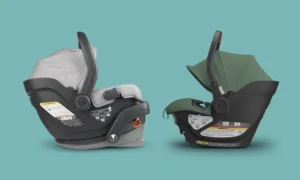
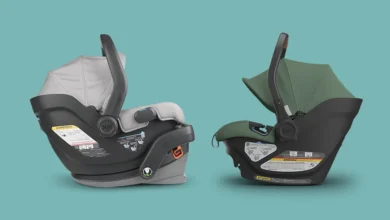
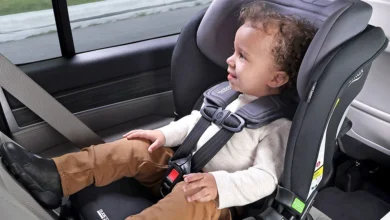
The primary mandate for any hospital discharge is the presence of an approved, correctly installed infant car seat. The current market offers two main paths: dedicated infant carriers and multi-stage convertible seats. The selection process should be dictated by the specific lifestyle of the parents. For instance, families in urban environments often favor systems like the Doona, which integrates a stroller chassis into the car seat frame, minimizing the physical transition of the baby from vehicle to sidewalk. Conversely, those seeking long-term utility often opt for convertible models, such as the Maxi-Cosi Pria, which can accommodate a child from infancy up to 10 years of age, providing economic efficiency over the lifespan of the product.
Beyond transportation, the sleeping environment is a critical area of focus. The American Academy of Pediatrics (AAP) emphasizes the importance of a safe, firm, and clutter-free sleep surface. Bassinets are currently favored for the first six months, as they facilitate "room-sharing" without the risks associated with bed-sharing. Advanced options, such as the Halo BassiNest, have gained popularity for their 360-degree swivel features and built-in soothing mechanisms, which allow parents to respond to nighttime needs with minimal disruption, potentially improving maternal recovery times.
The Role of Textiles and Early Development
The "Take Me Home" outfit is more than a cultural rite of passage; it is an introduction to the infant’s wardrobe. Brands like Feltman Brothers have maintained a century-long presence in this sector, specializing in heirloom-quality garments that utilize smocking, embroidery, and pintucks. While these pieces serve an aesthetic purpose for birth announcements and early photography, they also provide a functional baseline for the infant’s comfort.
Modern research into neonatal comfort suggests that the tactile experience of clothing—specifically the use of natural fibers like premium cotton—can influence an infant’s ability to regulate temperature. As parents curate these collections, the trend is moving toward versatile, gender-neutral pieces that allow for easy diaper access and skin-to-skin contact, which is widely cited by neonatologists as vital for bonding and stabilizing the newborn’s heart rate and respiration.
Economic Implications and Market Navigation
The baby gear industry has seen a substantial shift in the last decade, with consumers demanding higher levels of expertise and personalized guidance. Retailers such as PishPosh Baby have positioned themselves as consultants rather than mere storefronts. By providing one-on-one expert guidance, these outlets help parents navigate the often-overwhelming landscape of modern baby technology.
Economic trends indicate that parents are increasingly value-conscious, seeking out loyalty programs like PO$H Dollars or rewards structures that provide tangible returns on high-investment purchases. This shift toward a "service-plus-retail" model helps mitigate the "choice overload" that often plagues expectant parents, ensuring that the gear purchased—from full-size strollers like the Bugaboo Fox5 to jogging-specific models like the Bumbleride Indie—aligns with the specific geographic and activity-based needs of the family.
Broader Impact: The Transition Home
The homecoming of a newborn is an event that extends beyond the physical arrival of the child; it marks the reorganization of the family unit. The psychological impact of a well-prepared home cannot be overstated. When the physical requirements—such as a ready-to-use bassinet, a properly secured car seat, and a readily accessible supply of clothing—are met, the parents’ cognitive load is significantly reduced. This allows for a more focused transition toward the core tasks of feeding, nurturing, and bonding.
Industry analysts note that as the market for infant care continues to evolve, the integration of technology—such as smart-bassinets and modular, high-mobility stroller systems—is likely to increase. However, the foundational advice remains constant: focus on safety standards, prioritize high-quality materials that support infant health, and secure professional guidance early in the process.
Ultimately, the goal of homecoming preparation is to create an environment of stability. Whether choosing traditional, hand-embroidered gowns or modern, high-tech stroller systems, the objective remains the same: to facilitate a secure, comfortable, and efficient transition for the newest member of the family. As the retail landscape continues to offer more sophisticated tools, the modern parent is better equipped than ever to navigate this transition, provided they adhere to the principles of proactive planning and evidence-based safety. By leveraging resources from established, reputable retailers and adhering to medical safety guidelines, families can ensure that the homecoming is not merely a logistical success, but a peaceful and joyous beginning to their new chapter.