The Ultimate Family Guide to Roasting Winter Squash for Maximum Flavor and Nutrition

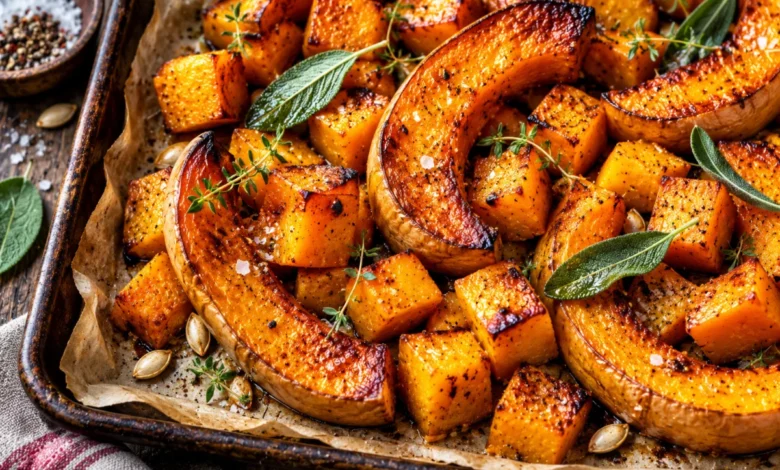
Winter squash remains a seasonal staple in households across North America, prized for its dense nutritional profile and budget-friendly appeal during colder months. However, turning raw varieties like butternut or acorn squash into a palatable dish has historically presented a culinary challenge for home cooks. Pale, soggy, and under-caramelized vegetables frequently end up rejected at the dinner table, driving home cooks to search for reliable preparation methods that balance taste, texture, and nutritional value.
Culinary experts and nutritionists emphasize that achieving optimal results requires an understanding of basic food science—specifically, high-heat caramelization and the Maillard reaction—combined with strict adherence to preparation fundamentals such as proper spacing and preheating protocols.
The Science Behind High-Heat Caramelization
The transformation of winter squash from a bland, starchy vegetable into a sweet, savory side dish relies on precise chemical reactions triggered by thermal energy. Winter squashes, particularly butternut varieties, contain high concentrations of natural complex carbohydrates and simple sugars. When subjected to temperatures exceeding 280 degrees Fahrenheit, these natural sugars undergo thermal decomposition, or caramelization, resulting in distinct sweet flavor profiles and deep golden-brown exterior hues.
Simultaneously, the Maillard reaction takes place between amino acids and reducing sugars under dry, high heat. This chemical process generates complex savory notes, creating a multi-dimensional flavor profile that starkly contrasts with the muted taste of boiled or steamed vegetables. Without adequate heat and minimal moisture retention, these reactions fail to occur, leaving the produce soft and waterlogged.
Common Culinary Pitfalls and Corrective Techniques
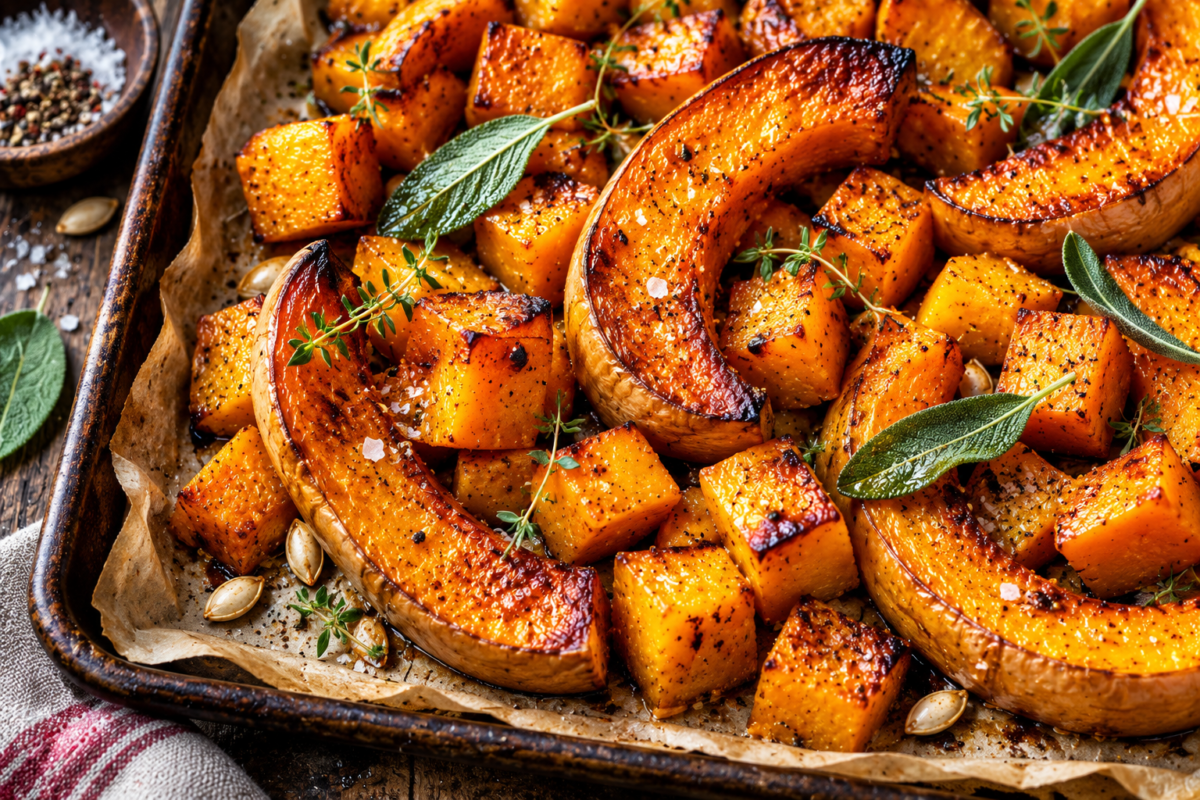
Home cooks frequently encounter three primary obstacles when attempting to roast root vegetables and winter squashes: pan overcrowding, insufficient oven temperatures, and inadequate fat distribution.
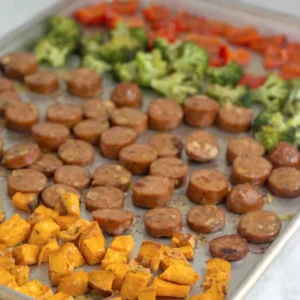
Pan crowding represents the single most common error in vegetable roasting. When squash cubes overlap or touch on a sheet pan, the moisture released during the initial cooking phase becomes trapped, creating a localized steaming environment. This steam inhibits browning, resulting in a soft, soggy texture. Professional kitchens mandate a single-layer arrangement with adequate spacing between pieces to facilitate proper air circulation and moisture evaporation.
Oven temperature management is equally critical. Placing vegetables into a cold or insufficiently preheated oven exposes them to a slow temperature rise, allowing internal moisture to soften the structure before surface browning can initiate. Culinary standards recommend preheating ovens to 425 degrees Fahrenheit utilizing a rimmed metal sheet pan rather than a deep ceramic or glass baking dish, which retains ambient moisture.
Finally, cooking oils serve a vital function beyond mere flavor enhancement. Oils act as a thermal conductor, transferring heat efficiently from the hot metal surface of the pan directly to the outer layer of the squash. Insufficient oil application creates dry spots that resist browning.
Nutritional Profile and Dietary Implications
From a nutritional standpoint, winter squash offers significant health benefits that align with public health recommendations for increased vegetable consumption. A single one-cup serving of cooked butternut squash provides more than 100 percent of the recommended daily intake of vitamin A, a vital micronutrient supporting immune function, ocular health, and cellular integrity.
Furthermore, the vegetable is a rich source of dietary potassium, vitamin C, and complex dietary fiber. These components contribute to cardiovascular health, muscular function, and gastrointestinal regulation. Because the roasting process concentrates natural sugars without requiring added refined sweeteners, the resulting dish appeals naturally to children and adults alike, bridging the historical gap between nutrient-dense foods and palatability.
Economic Viability and Seasonal Availability
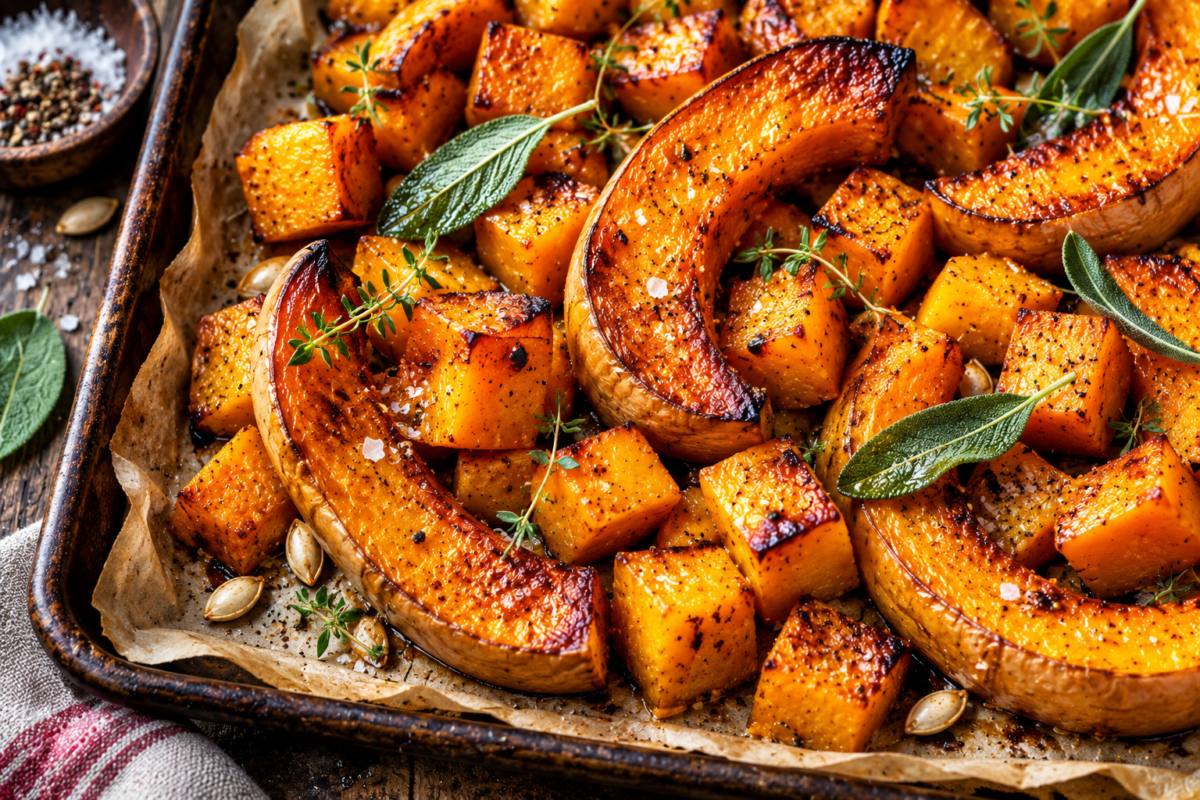
Beyond health and culinary merits, winter squash holds a prominent position in household budgeting strategies during autumn and winter. Agricultural market data indicates that whole winter squashes—including butternut, acorn, delicata, and kabocha varieties—typically retail at economical price points ranging from one to two dollars per pound during peak season.
Unlike leafy greens or delicate produce, mature winter squash possesses a thick, protective outer rind that grants an extended shelf life. When stored in cool, dark, and dry conditions, whole squashes remain viable for one to three months without refrigeration or specialized preservation equipment. This durability minimizes household food waste and provides consumers with a reliable, cost-effective source of fresh produce throughout the winter months.
Step-by-Step Preparation Methodology
Executing a successful batch of roasted squash involves a systematic approach divided into selection, preparation, seasoning, and roasting phases.
-
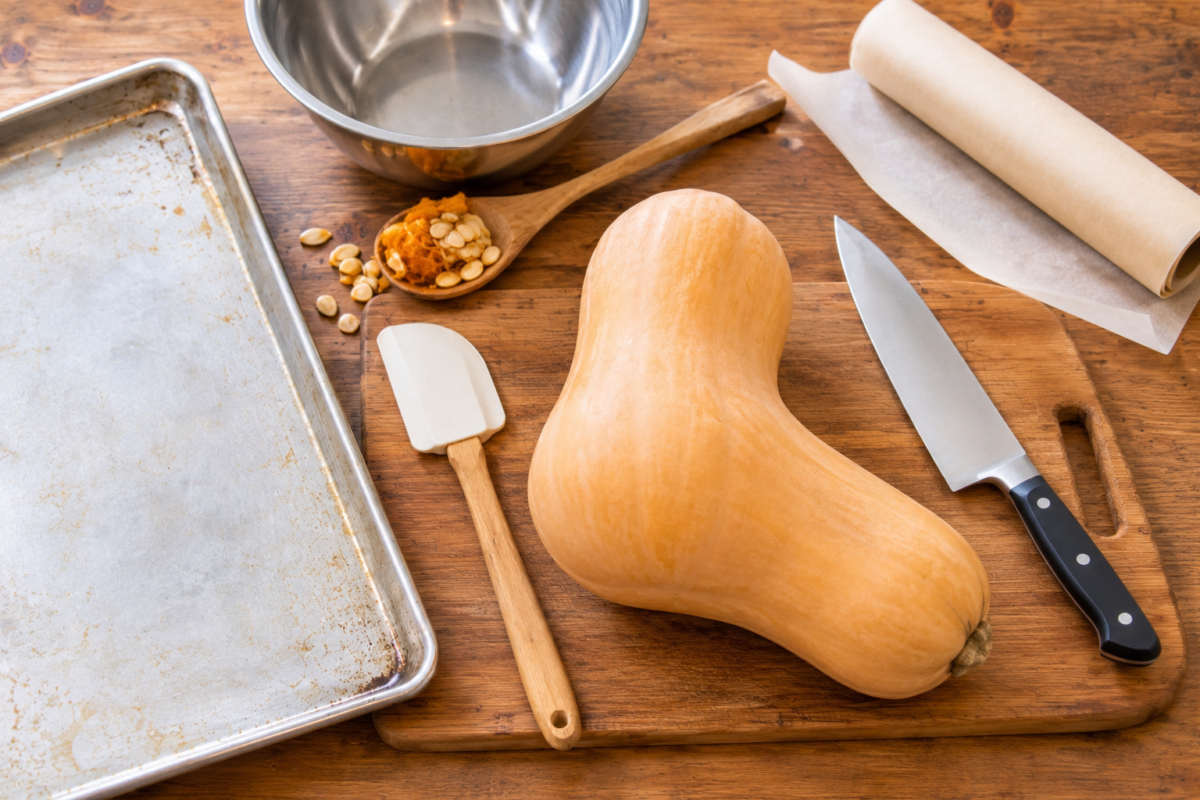
Selection and Safety: Consumers should select squashes that feel heavy relative to their physical dimensions, indicating dense internal flesh and minimal seed cavity space. The exterior skin should display a matte finish rather than a glossy sheen, signaling complete maturity. For novice cooks, pre-cut packaged squash eliminates the labor-intensive peeling and division steps.
When processing whole squashes, utilization of a sharp chef’s knife ensures safety by preventing slippage on dense skins. Microwaving whole squash for two to three minutes prior to cutting softens the exterior tissue effectively.
-
Uniformity and Seasoning: Cubes should be cut to uniform dimensions—ideally one inch across—to guarantee even cooking rates. Smaller pieces yield increased crispness, while larger cubes retain a creamier interior. Tossing the cubes in approximately two tablespoons of olive oil per pound ensures complete surface coverage. Basic seasoning requires only kosher salt and freshly ground black pepper, though secondary variations may incorporate aromatic herbs, spices, or natural sweeteners.
-
Thermal Processing: The pan must be roasted in a fully preheated oven at 425 degrees Fahrenheit on a rimmed baking sheet lined with parchment paper. Following an initial 20-minute roasting interval, each piece requires manual rotation to promote even browning. Total cooking time generally spans 25 to 40 minutes, contingent upon cube size and oven calibration.
Integration into Family Meal Planning
Culinary educators advocate for batch-cooking methods to maximize kitchen efficiency for busy households. Roasting a large quantity of squash at the beginning of the week yields versatile ingredients suitable for diverse culinary applications, ranging from pureed soup bases and grain bowl additions to taco fillings and breakfast hash components.
Additionally, culinary programs emphasize the developmental benefits of involving children in food preparation. Age-appropriate tasks—ranging from seed-scoping for toddlers to independent knife work for adolescents—foster kitchen confidence, mathematical measuring skills, and a higher acceptance rate for new foods. By demystifying the preparation process and focusing on core thermal principles, home cooks can consistently produce nutrient-dense, flavorful meals that satisfy both dietary requirements and culinary expectations.