Navigating Childhood Aggression: Expert Strategies and Long-Term Solutions for Parents

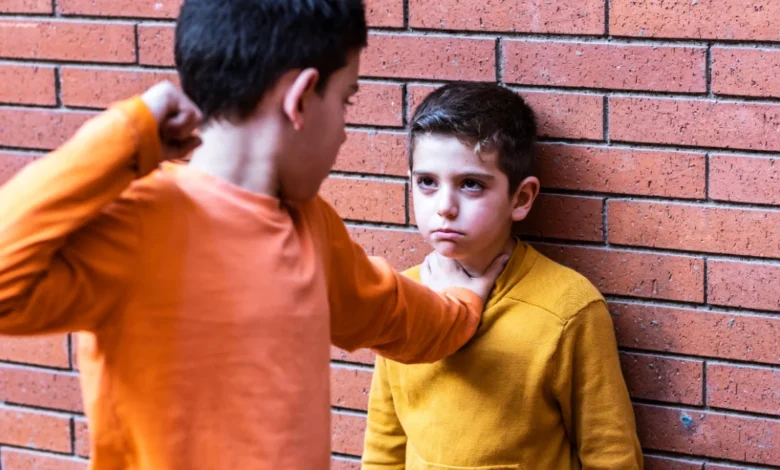
The management of aggressive behavior in children remains one of the most pressing challenges for modern parents and educators, shifting the traditional parenting paradigm away from punitive measures toward emotional regulation and proactive intervention. While toddler hitting and biting are widely recognized developmental hurdles, instances of aggression in older children frequently trigger intense social anxiety and self-doubt among caregivers. Contemporary child development research emphasizes that aggressive outbursts in school-aged children are rarely indicative of inherent behavioral malice. Instead, they typically signal underlying deficits in impulse control, overstimulation, or an inability to articulate complex emotional states. As pediatric mental health specialists continue to analyze the root causes of childhood behavioral disruptions, public discourse
has increasingly prioritized evidence-based discipline strategies over traditional punishments such as spanking, time-outs, and authoritarian reprimands.

Historically, disciplinary frameworks relied heavily on reactive behavioral modification, where physical punishment or social isolation served as the primary deterrent for acting out. However, longitudinal studies in pediatric psychology over the past three decades have consistently demonstrated that punitive measures often exacerbate aggressive tendencies by modeling the exact behaviors adults seek to eliminate. The emergence of frameworks such as Positive Discipline, pioneered by Dr. Jane Nelsen, has redirected the focus of behavioral management toward teaching, guidance, and emotional competence. This evolution reflects a broader societal shift in understanding juvenile neurology—specifically, the prolonged maturation timeline of the prefrontal cortex, the region of the human brain responsible for impulse control and emotional regulation, which does not fully develop until approximately age 25. Consequently, child psychologists and family counselors now advocate for structured, preemptive methodologies that equip children with cognitive and verbal tools long before high-stress conflicts manifest.
To understand the mechanics of childhood aggression, experts categorize interventions into two distinct phases: proactive prevention and real-time response management. Proactive strategies focus on environmental modifications and habit formation designed to minimize the frequency of behavioral flare-ups. A primary preventative measure involves heightened parental awareness of environmental and physiological triggers. Children operating at or beyond their emotional and social limits—frequently driven by sleep deprivation, overstimulation, or sensory overload—exhibit diminished impulse control, making them statistically more vulnerable to aggressive outbursts. Clinical sleep research underscores a direct correlation between insufficient rest and heightened impulsivity in youth, establishing consistent sleep hygiene as a cornerstone of behavioral stability. Furthermore, structured daily investments in parent-child connection, such as dedicated periods of undivided, child-led attention, have been shown to significantly reduce attention-seeking misbehavior by fulfilling fundamental needs for emotional security and validation.
When preventative measures fail and children encounter interpersonal conflict, the immediate reaction of the supervising adult plays a decisive role in the outcome. Child development specialists strongly advise against matching a child’s aggression with emotional volatility or physical force. Responding to violence with hostility validates the aggressive act and provides the child with negative reinforcement through power and attention. Instead, effective crisis management requires adults to function as emotional anchors, maintaining strict composure to facilitate coregulation. Once acute agitation subsides, structured interventions—such as addressing the needs of any injured party to foster genuine empathy, establishing unambiguous boundaries that separate emotions from actions, and reinforcing conflict-resolution alternatives like verbal expression or temporary withdrawal—help cement lasting behavioral change. These techniques prioritize long-term emotional intelligence over immediate compliance.

Beyond real-time crisis management, child psychologists emphasize the value of practicing conflict resolution skills during calm, neutral periods. Techniques such as structured role-playing enable children to rehearse appropriate responses to common social stressors, including resource competition, peer exclusion, or boundary violations by siblings. By simulating these scenarios in controlled environments, children internalize alternative coping mechanisms, such as utilizing assertive "I feel" statements or executing pre-established non-verbal communication signals with parents in public settings. These discreet cues allow children to signal emotional distress or self-regulate without the added pressure of public embarrassment or perceived social alienation. Moreover, channeling excess physical energy through structured athletic pursuits, martial arts, or high-intensity recreational activities provides a safe, socially acceptable outlet for somatic tension, further reducing the likelihood of aggressive acting out.
The broader implications of childhood aggression extend far beyond the immediate domestic sphere, influencing academic performance, peer relationships, and long-term mental health trajectories. Educators frequently report that unresolved behavioral dysregulation contributes to classroom disruption, diminished academic engagement, and social isolation. Consequently, educational institutions and pediatric health networks increasingly advocate for a unified, collaborative approach between home and school environments. Maintaining consistent behavioral expectations and reinforcing identical calm-down strategies across multiple settings ensures that children receive coherent messages regarding emotional accountability. When behavioral issues persist despite consistent intervention at home and school, medical professionals recommend consulting pediatricians, child psychologists, or certified parenting coaches to screen for underlying neurodevelopmental conditions, learning disabilities, or clinical anxiety disorders that may manifest as externalized aggression.
Ultimately, contemporary child-rearing philosophy reframes childhood aggression not as a personal failure of the parent or an indelible flaw in the child, but as an opportunity for developmental scaffolding. By replacing punitive reactions with empathetic boundaries, proactive emotional coaching, and consistent behavioral modeling, caregivers can successfully navigate the complexities of childhood emotional growth. As longitudinal data continues to validate the efficacy of positive discipline and emotional regulation training, families are increasingly equipped to foster resilient, emotionally articulate individuals capable of resolving conflicts peacefully across all stages of development.
Related posts: