Decoding Hyperglycemia: The Biological Mechanics, Symptoms, and Clinical Thresholds of High Blood Sugar

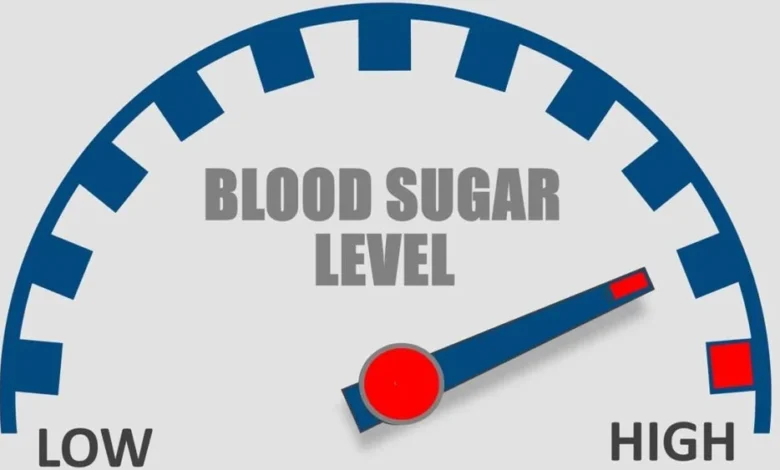
Hyperglycemia, commonly referred to as high blood sugar, stands as the central physiological hallmark across all classifications of diabetes mellitus. This condition occurs when the human body loses its capacity to maintain normal homeostatic glucose levels, stemming either from an absolute deficiency in insulin production by the pancreatic beta cells or from peripheral cellular resistance to insulin action. Consequently, glucose accumulates within the circulatory system instead of being efficiently transported into target cells for energy metabolism. While millions of individuals worldwide live with diabetes, the underlying biochemical mechanisms that transform elevated systemic glucose into a cascade of physical distress remain widely misunderstood by the general public.
From a clinical perspective, normal fasting blood glucose generally ranges between 80 and 130 milligrams per deciliter (mg/dL) for adults managing diabetes, with post-meal levels targeted below 180 mg/dL. However, transient elevations, known as acute hyperglycemia, can be triggered by a wide array of everyday factors. These include consuming a higher carbohydrate load than anticipated, omitting or under-dosing required pharmacological interventions, experiencing physical or emotional stress, battling acute infections, undergoing periods of physical inactivity, utilizing medications such as corticosteroids, or experiencing the dawn phenomenon—a natural, early-morning surge of hormones that prompts the liver to release stored glucose. Conversely, chronic hyperglycemia describes a prolonged state of elevated blood glucose, typically resulting from undiagnosed disease or inadequate long-term treatment regimens, which exerts a toxic effect on systemic tissues over time.
The chronological progression from normal glucose regulation to symptomatic hyperglycemia often develops insidiously, particularly in individuals with type 2 diabetes. Clinical data indicate that many patients harbor elevated blood glucose levels for months or even years before experiencing noticeable physiological warnings or receiving a formal diagnosis. This latency period underscores the critical importance of routine screening protocols for adults, as chronic tissue exposure to unmanaged glucose initiates microvascular and macrovascular damage long before the classic clinical alarms are sounded.
When systemic blood glucose crosses the threshold of approximately 250 mg/dL, a complex chain reaction of biochemical events is unleashed across multiple organ systems. Medical professionals and certified diabetes educators frequently point to the classic triad of symptoms: polyuria, polydipsia, and polyphagia. In plain terms, these clinical descriptors represent excessive urination, excessive thirst, and excessive hunger. Each of these manifestations is driven by distinct, interrelated physiological malfunctions designed by the body to restore balance, albeit with paradoxical and often detrimental results.
The mechanism of polyuria, or excessive urination, begins in the bloodstream, where hyper-concentrated glucose creates an osmotic gradient that pulls intracellular fluid into the vascular space in an attempt to dilute the sugar. Simultaneously, as this fluid-dense blood passes through the kidneys, the renal filtration system becomes overwhelmed. When the glucose concentration entering the nephrons exceeds the reabsorption capacity of the renal tubules—roughly the 250 mg/dL mark—osmotic diuresis is triggered. The kidneys can no longer reclaim water effectively, leading to an uncontrolled discharge of urine that can exceed 2.5 liters daily, and in severe cases, reach up to 15 liters per day.
This profound fluid loss directly induces polydipsia, or excessive thirst. Specialized osmoreceptors located within the hypothalamus monitor systemic blood concentration and plasma osmolality. As dehydration sets in from runaway urination, these receptors activate the brain’s innate thirst response. However, individuals experiencing undiagnosed hyperglycemia frequently misinterpret these signals, occasionally consuming sugar-sweetened beverages that inadvertently elevate blood glucose levels further while compounding systemic dehydration through concurrent caffeine intake.
Simultaneously, polyphagia, or excessive hunger, manifests due to cellular starvation. Whether driven by the absolute lack of insulin characteristic of type 1 diabetes or the severe cellular resistance seen in type 2 diabetes, circulating glucose remains locked outside the cells. Deprived of their primary energy source, cellular signaling pathways trigger the release of hunger-stimulating hormones like ghrelin, while leptin resistance can impair normal satiety signals. The body experiences a biological paradox: an abundance of glucose circulates endlessly in the bloodstream, yet the tissues remain starved of fuel, prompting persistent hunger that can exacerbate hyperglycemia if inappropriate nutritional choices are made.
Beyond the classic triad, chronic or acute hyperglycemia manifests through a diverse spectrum of secondary symptoms. Unexplained weight loss frequently occurs despite increased food consumption, as the body begins breaking down alternative energy stores, including muscle and fat tissue, when glucose remains inaccessible. Furthermore, environments rich in glucose attract opportunistic pathogens. Women with diabetes face a significantly elevated risk of urinary tract infections and yeast infections, as bacteria and fungi thrive in high-glucose biological environments. This susceptibility is compounded by impaired white blood cell function and diminished phagocytosis, alongside neuropathic bladder dysfunction that leaves residual pools of static urine.
Wound healing is similarly compromised. Elevated blood sugar impairs neutrophil migration to injury sites and narrows peripheral blood vessels, restricting the oxygen delivery essential for tissue repair. Minor abrasions can rapidly evolve into severe complications, such as cellulitis or tissue necrosis. Statistical data from public health agencies highlight the severity of these vascular and neuropathic impacts, noting tens of thousands of non-traumatic lower-limb amputations performed annually among diagnosed diabetes patients in the United States.
Neurological and sensory symptoms also emerge as prominent indicators of poor glycemic control. Peripheral neuropathy, characterized by numbness, tingling, or burning sensations in the hands and feet, results from long-term nerve damage caused by persistent glucose toxicity. Dermatological manifestations include dry, itchy skin, diabetic dermopathy, and acanthosis nigricans—dark, velvety skin folds around the neck and armpits that strongly correlate with underlying insulin resistance. Meanwhile, acute fluid shifts within the eye cause temporary swelling and warping of the lens, resulting in blurred vision, whereas chronic damage can lead to permanent diabetic retinopathy.
Cognitive function is likewise vulnerable. Because the brain consumes roughly 20 percent of the body’s glucose despite accounting for only two percent of its total weight, cellular energy deprivation during hyperglycemic episodes can manifest as headaches, persistent fatigue, and difficulty concentrating. Gastrointestinal disturbances, including alternating cycles of chronic constipation and diarrhea, stem from enteric nerve damage that disrupts normal intestinal motility and fluid absorption. Additionally, epidemiological studies indicate that more than half of men living with diabetes experience erectile dysfunction, a multifactorial complication driven by vascular impairment, nerve damage, and hormonal imbalances.
Recognizing these symptoms and understanding their physiological origins is paramount for timely clinical intervention. When blood glucose readings elevate into dangerous territories—such as surpassing 250 to 300 mg/dL—patients must remain vigilant for acute metabolic crises such as diabetic ketoacidosis (DKA) and hyperosmolar hyperglycemic state (HHS). DKA, more prevalent in type 1 diabetes, presents with rapid breathing, fruity-smelling breath, nausea, and confusion, requiring immediate emergency medical care. HHS, more commonly observed in older adults with type 2 diabetes, involves extreme dehydration and soaring glucose levels exceeding 600 mg/dL, constituting a life-threatening medical emergency.
Ultimately, medical authorities stress that symptoms of high blood sugar serve as vital biological warning signals rather than mere inconveniences. Integrating regular blood glucose monitoring, adhering to prescribed pharmacological regimens, maintaining consistent physical activity, and engaging in collaborative care with certified diabetes educators and primary healthcare providers remain the most effective strategies for mitigating long-term systemic damage. By decoding the body’s physical alarms, individuals can navigate treatment protocols proactively, preventing minor glycemic excursions from escalating into severe, irreversible medical complications.