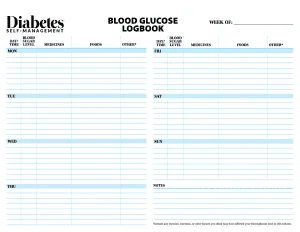
The management and understanding of blood sugar levels are paramount for maintaining overall health, particularly for individuals at risk of or living with diabetes. Blood glucose, or sugar, is the primary source of energy for the body’s cells, and its regulation is a complex process orchestrated by hormones, primarily insulin. Deviations from optimal blood sugar ranges can lead to significant short-term and long-term health complications, underscoring the importance of regular monitoring and adherence to established guidelines. This article delves into the normal and diabetic blood sugar ranges, before and after meals, and explores the significance of A1C levels as a comprehensive measure of glucose management over several months.
Understanding Glucose Metabolism and Its Importance
Glucose, a simple sugar, is derived from the foods we eat, especially carbohydrates. After digestion, glucose enters the bloodstream, prompting the pancreas to release insulin. Insulin acts as a key, allowing glucose to enter cells for energy or storage. In individuals without diabetes, this system works efficiently to keep blood glucose levels within a narrow, healthy range. However, in diabetes, either the pancreas doesn’t produce enough insulin (Type 1 diabetes) or the body’s cells become resistant to insulin’s effects (Type 2 diabetes), leading to elevated blood sugar levels. Sustained high blood sugar can damage various organs and systems over time, including the heart, kidneys, eyes, and nerves, highlighting why effective glucose management is critical.
Key Diagnostic and Monitoring Metrics
Healthcare professionals rely on several key tests to diagnose diabetes and monitor its management. These include fasting blood sugar tests, post-meal blood sugar tests, and the glycated hemoglobin (A1C) test. Each test provides a unique insight into an individual’s glucose status, offering a comprehensive picture that aids in diagnosis, treatment planning, and risk assessment.
| BLOOD SUGAR CHART | |
|---|---|
| Fasting | |
| Normal for person without diabetes | 70–99 mg/dl (3.9–5.5 mmol/L) |
| Official ADA recommendation for someone with diabetes | 80–130 mg/dl (4.4–7.2 mmol/L) |
| 1 to 2 hours after meals | |
| Normal for person without diabetes | Less than 140 mg/dl (7.8 mmol/L) |
| Official ADA recommendation for someone with diabetes | Less than 180 mg/dl (10.0 mmol/L) |
| A1C | |
| Normal for person without diabetes | Less than 5.7% |
| Official ADA recommendation for someone with diabetes | Less than 7.0% (if reported as an eAG: less than 154 mg/dl [8.6 mmol/l]) |
Source: American Diabetes Association: Checking Your Blood Sugar, American Diabetes Association: Diagnosis
Fasting Blood Sugar: The Baseline Indicator
A fasting blood sugar test, also known as a fasting plasma glucose (FPG) test, measures the amount of glucose in the blood after an overnight fast of at least eight hours, during which only water is permitted. This test is a cornerstone for diagnosing diabetes and prediabetes because it reflects the body’s ability to regulate glucose in a basal state, without recent food intake. The procedure typically involves a blood draw from a vein in the arm, analyzed in a laboratory, or sometimes a finger-stick test using a lancet.
For individuals without diabetes, a normal fasting blood glucose level falls between 70 and 99 mg/dl (3.9 to 5.5 mmol/L). Levels ranging from 100 to 125 mg/dl (5.6 to 6.9 mmol/L) indicate prediabetes, a condition characterized by blood sugar levels higher than normal but not yet meeting the criteria for diabetes. Prediabetes serves as a critical warning sign, significantly increasing the risk of developing type 2 diabetes, heart disease, and stroke. Proactive lifestyle modifications, including dietary changes and increased physical activity, can often prevent or delay the progression to full-blown diabetes. A fasting blood sugar of 126 mg/dl (7.0 mmol/L) or higher on two separate tests is diagnostic of diabetes.
The American Diabetes Association (ADA) recommends routine screening for type 2 diabetes starting at age 35. If initial results are normal, screening should be repeated every three years. However, individuals with specific risk factors may require earlier and more frequent screening. These risk factors include being overweight or obese, having a family history of type 2 diabetes, a history of gestational diabetes, or belonging to certain racial/ethnic groups (African American, Latino, Asian American, Pacific Islander, or Native American) who are at higher genetic predisposition. Children and adolescents who are overweight and exhibit risk factors, such as a family history of type 2 diabetes, signs of prediabetes (like acanthosis nigricans), high blood pressure, high cholesterol, or whose mothers had gestational diabetes, should begin testing at age 10 or at the onset of puberty, whichever comes first, with repeat testing every three years.
For nonpregnant adults already diagnosed with diabetes, the ADA generally recommends a fasting blood sugar target of 80 to 130 mg/dl (4.4 to 7.2 mmol/L). It is crucial, however, for these targets to be individualized in consultation with a healthcare provider. Factors such as the duration of diabetes, age, life expectancy, cognitive status, presence of other health conditions, cardiovascular complications, and hypoglycemia unawareness (a condition where individuals do not experience the typical warning signs of low blood sugar) all play a role in determining appropriate personal goals.
Post-Meal Blood Sugar: Assessing Insulin Response
Blood sugar levels rise after eating as the body digests food and absorbs glucose. Monitoring post-meal (postprandial) blood sugar provides valuable information about how well the body processes carbohydrates and the effectiveness of insulin, particularly in individuals with diabetes.
For a person without diabetes, blood sugar levels typically remain below 140 mg/dl (7.8 mmol/L) one to two hours after a meal. Levels between 140 and 199 mg/dl (7.8 to 11.1 mmol/L) in this timeframe are indicative of prediabetes, while levels of 200 mg/dl (11.1 mmol/L) or higher suggest diabetes.
One of the primary diagnostic tools to assess post-meal glucose regulation is the Oral Glucose Tolerance Test (OGTT). After an overnight fast, a fasting blood sample is taken. The individual then consumes a sugary drink containing 75 grams of glucose. Blood sugar is measured again two hours later. A specialized version of the OGTT is also used to diagnose gestational diabetes, a form of diabetes that emerges during pregnancy.
For most nonpregnant adults with diabetes, the ADA recommends a post-meal blood sugar target of less than 180 mg/dl (10.0 mmol/L) one to two hours after the beginning of a meal. This period typically represents the peak blood sugar level. Similar to fasting targets, post-meal goals should be personalized based on individual health profiles, risk factors, and the overall treatment plan developed with a healthcare provider. Understanding and managing post-meal excursions is vital for preventing the cumulative damage associated with prolonged periods of hyperglycemia.
A1C: The Long-Term Average
The A1C test, also known as hemoglobin A1C, HbA1c, glycated hemoglobin, or glycosylated hemoglobin test, provides an average snapshot of blood glucose levels over the preceding two to three months. Unlike fasting or post-meal tests, the A1C does not require fasting and can be performed at any time of day. This test measures the percentage of hemoglobin (a protein in red blood cells that carries oxygen) that is coated with sugar (glycated). The higher the percentage, the higher the average blood sugar levels have been over that period.
The A1C test is a powerful tool for both diagnosing diabetes and monitoring its long-term management. For individuals without diabetes, a normal HbA1C level is below 5.7%. An A1C between 5.7% and 6.4% indicates prediabetes, signifying an elevated risk of developing type 2 diabetes. An A1C of 6.5% or higher on two separate tests is diagnostic of diabetes.
The ADA recommends a baseline A1C check for adults over the age of 45, or for adults under 45 who are overweight and possess one or more diabetes risk factors. If the initial result is normal, retesting is advised every three years. If the A1C indicates prediabetes, more frequent checks, typically every one to two years, are recommended to monitor for progression.
For most nonpregnant adults with diabetes, the ADA recommends an A1C target of less than 7%. However, individualized goals are paramount. A stricter goal, such as less than 6.5%, may be appropriate for some individuals, including those newly diagnosed with diabetes, younger patients, those without significant cardiovascular disease, or those managing their type 2 diabetes primarily through lifestyle changes or metformin. Conversely, a higher A1C goal, perhaps less than 8%, may be more suitable for individuals with a history of severe hypoglycemia, limited life expectancy, advanced diabetes complications, multiple co-existing illnesses, or those for whom achieving a lower A1C target proves challenging or risky. A1C levels should be checked between two to four times per year for people with diabetes to effectively track management and adjust treatment as needed.
It’s important to note that the HbA1C test may not be accurate for certain populations, including individuals with specific anemias, those undergoing treatment for HIV, or people of African, Mediterranean, or Southeast Asian descent, due to variations in hemoglobin types or red blood cell turnover. In such cases, alternative diagnostic and monitoring methods may be preferred.
Prediabetes: A Global Health Imperative
The global prevalence of prediabetes is a significant public health concern. According to the Centers for Disease Control and Prevention (CDC), over one in three American adults—approximately 96 million people—have prediabetes, and more than 80% of them are unaware they have the condition. Globally, similar trends are observed, with millions living on the cusp of type 2 diabetes. Prediabetes often presents without clear symptoms, making routine screening critical for early detection. The implications of prediabetes extend beyond the risk of developing type 2 diabetes; it is also associated with an increased risk of heart disease and stroke. The good news is that prediabetes is reversible or its progression can be significantly delayed through intensive lifestyle interventions, including modest weight loss (5-7% of body weight) and regular physical activity (at least 150 minutes of moderate-intensity exercise per week). This "critical window" offers a profound opportunity for individuals to take control of their health and avert the more severe consequences of diabetes.
The Global Burden of Diabetes
Diabetes has reached epidemic proportions worldwide. The International Diabetes Federation (IDF) estimates that in 2021, approximately 537 million adults (20-79 years) were living with diabetes globally, a number projected to rise to 643 million by 2030 and 783 million by 2045. Type 2 diabetes accounts for about 90% of all diabetes cases. This growing prevalence places an enormous strain on healthcare systems and national economies due to direct medical costs and indirect costs from lost productivity. For instance, the CDC reported that the total estimated cost of diagnosed diabetes in the United States in 2017 was $327 billion, including $237 billion in direct medical costs and $90 billion in reduced productivity. These staggering figures underscore the urgent need for widespread awareness, effective screening programs, and robust prevention and management strategies.
Beyond the Numbers: A Holistic Approach to Diabetes Care
While understanding blood sugar charts and target ranges is fundamental, effective diabetes management extends far beyond numerical values. It encompasses a holistic approach that integrates lifestyle modifications, medication adherence, and continuous support from a multidisciplinary healthcare team.
Lifestyle interventions are the cornerstone of both prediabetes prevention and diabetes management. A healthy eating plan, often guided by a registered dietitian, focuses on balanced macronutrient intake, portion control, and limiting processed foods, sugary drinks, and unhealthy fats. Regular physical activity, tailored to individual capabilities and preferences, helps improve insulin sensitivity and contributes to weight management. Stress management techniques and adequate sleep also play a crucial role in maintaining stable blood sugar levels.
Pharmacological interventions, including oral medications and insulin therapy, are often necessary for individuals with diabetes to achieve and maintain their target blood sugar levels. The choice of medication is highly individualized, considering factors such as the type of diabetes, duration, presence of complications, and other health conditions. Continuous glucose monitoring (CGM) systems offer real-time insights into glucose fluctuations, empowering individuals and their healthcare providers to make timely adjustments to treatment plans.
The role of a healthcare team, comprising endocrinologists, primary care physicians, certified diabetes educators, dietitians, and mental health professionals, is invaluable. This collaborative approach ensures that all aspects of a person’s physical and psychological well-being are addressed, fostering self-management skills and promoting long-term adherence to treatment.
Conclusion: Empowering Health Through Knowledge and Action
The fasting blood sugar, post-meal blood sugar, and A1C tests are indispensable tools for diagnosing prediabetes and diabetes, as well as for gauging the effectiveness of ongoing management. These tests provide critical insights that empower individuals and healthcare providers to make informed decisions.
It is crucial to emphasize that self-diagnosis using a home blood glucose meter is not sufficient for a definitive diabetes diagnosis. Professional medical evaluation at a doctor’s office or laboratory is essential, as strict standards and procedures are followed to ensure accurate diagnostic results.
Open communication with one’s healthcare provider is paramount. Patients should actively engage in discussions regarding the frequency of testing, the interpretation of results, and the establishment of personalized blood sugar and A1C targets. If initial test results indicate levels above the normal range but not yet diagnostic for diabetes, a doctor may recommend further tests and discuss a comprehensive treatment plan. This plan often begins with lifestyle modifications, such as weight loss, adopting a healthy eating plan, and engaging in regular physical activity. For those diagnosed with diabetes, medication, including insulin, may become a necessary component of treatment. Learning how to effectively monitor blood sugars with a home meter is also a key skill, enabling individuals to understand how food, exercise, stress, and medication impact their glucose levels and to work collaboratively with their healthcare team to optimize their treatment strategy.
The journey of managing blood sugar is a continuous one, requiring vigilance, education, and proactive engagement. By understanding these vital metrics and working closely with medical professionals, individuals can significantly improve their health outcomes, mitigate the risks of complications, and live fuller, healthier lives.