The landscape of family entertainment has undergone a significant transformation in recent years, shifting from traditional theatrical releases to a hybrid model heavily anchored by subscription-based streaming platforms. As households increasingly rely on curated movie nights to navigate school breaks, weekends, and holidays—such as the Thanksgiving travel period—parents continually seek reliable media recommendations that appeal to both children and adults. To better understand what truly resonates with young audiences, an examination of pediatric media consumption provides unique insights into how children process narrative complexity, emotional depth, and humor in cinema. By reviewing a curated list of ten family films originally evaluated by young viewers aged five and eight during Wednesday night family viewings, industry analysts and parents alike can observe distinct patterns in child engagement, media literacy, and emotional resonance.
Background Context of the Family Movie Night Phenomenon

The tradition of the designated family movie night has long served as a cornerstone of domestic socialization, offering a shared cultural experience within the household. Sociological studies on modern family dynamics indicate that structured weekly rituals—such as mid-week pizza and a film—contribute positively to child development by establishing predictable routines and fostering open communication.
In the late 2010s, particularly around 2019, the proliferation of video-on-demand services democratized access to a vast library of classic and contemporary family films. This era marked a notable shift where animated features began incorporating sophisticated multi-generational humor, ensuring that adults remained equally entertained. Concurrently, children began developing more vocal and discerning tastes in cinema, moving beyond passive viewers to active critics capable of articulating specific preferences regarding plot structure, character agency, and sensory elements like music and visual effects.
Chronology of the Evaluated Films and Child Reviews

The selection of films reviewed by the young participants spans various genres, from live-action comedies and animated adventures to historical musicals and emotional Pixar dramas. A chronological and thematic breakdown of these ten films highlights the diverse criteria children use to evaluate cinematic works.
The Parent Trap (1998)
As a staple of late-90s family comedy, this remake directed by Nancy Meyers captured the imagination of young viewers through its depiction of elaborate childhood fantasies. The eight-year-old participant expressed a fascination with the affluent lifestyle depicted, specifically highlighting the presence of a household butler and a memorable secret handshake. The younger participant, aged five, focused primarily on physical comedy, citing the strategic use of pranks, such as placing a lizard on an adult’s head. Furthermore, the engagement extended beyond the screen into real-world fan interaction, evidenced by a handwritten fan letter addressed to actor Dennis Quaid.
Cloudy with a Chance of Meatballs (2009)
Sony Pictures Animation’s adaptation of Judi and Ron Barrett’s beloved children’s book introduced complex concepts of environmental weather patterns scaled to culinary proportions. The young reviewers responded enthusiastically to the fantastical premise of precipitation consisting of food items. While the older viewer expressed a preference for rigatoni with marinara and parmesan cheese, the younger participant favored anchovies, drawing a humorous parallel to shared culinary preferences within the immediate family.

Spider-Man: Into the Spider-Verse (2018)
Representing a critical turning point in superhero animation, this Academy Award-winning film offered groundbreaking visual styles but also introduced heavier dramatic stakes. The viewing experience provided a valuable lesson in children’s media literacy regarding tragedy and narrative consequence. The older participant noted the emotional weight of Peter Parker’s early demise at the hands of the antagonist Kingpin, highlighting that intense death scenes can induce lingering sadness in sensitive viewers and serving as an informal advisory for parents of younger children.
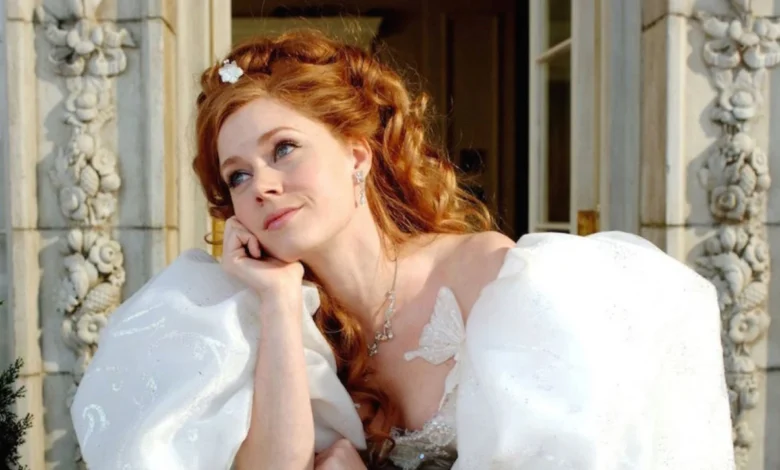
Enchanted (2007)
Blending traditional two-dimensional animation with live-action romantic comedy, Disney’s Enchanted provided a satirical yet endearing look at fairy tale tropes set in modern-day New York City. Young viewers appreciated the juxtaposition of classic magical elements with urban grit, specifically noting the comedic inclusion of city wildlife—such as rats, pigeons, and cockroaches—assisting with domestic chores. The film successfully bridged magical escapism with physical comedy, prompting playful reenactments within the home.
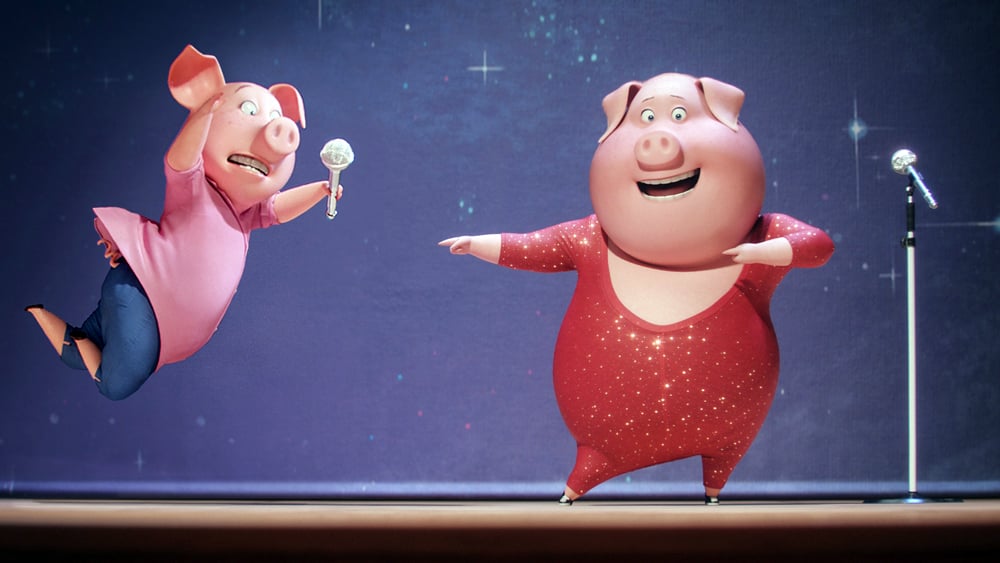
Sing (2016)
Illumination’s musical comedy leveraged a jukebox-style soundtrack to engage young audiences through familiar pop hits and animal protagonists. The narrative focus on overcoming adversity and familial validation resonated strongly. The older participant highlighted the emotional reconciliation between characters, specifically Johnny and his father, while the younger viewer expressed a strong affinity for energetic musical performances, drawing inspiration for future auditory explorations.

The Sound of Music (1965)
The inclusion of classic cinematic masterpieces demonstrated the generational gap in pacing and aesthetic appeal. While the historical musical holds immense critical acclaim, the eight-year-old viewer offered a lukewarm reception, deeming it merely adequate compared to modern pacing. Conversely, the five-year-old participant embraced the dramatic tension of the cinematic chase scenes and actively connected the musical numbers, such as "Edelweiss," to household singing traditions.
Inside Out (2015)
Pixar’s psychological exploration of human emotions presented a complex conceptual framework for children. Interestingly, the analytical reception from the eight-year-old participant challenged the film’s orthodox narrative framing. By critiquing the character of Joy as excessively cheerful and reevaluating Fear not as a source of distress, but as a protective mechanism essential for safety, the young viewer demonstrated an advanced capacity for character critique and logical deduction regarding emotional regulation.
Alexander and the Terrible, Horrible, No Good, Very Bad Day (2014)
Live-action adaptations focusing on cascading domestic chaos offer high comedic value for juvenile audiences. The physical comedy—highlighted by the structural failure of a family minivan door—provoked consistent amusement. Additionally, the identification with older sibling archetypes fostered a personal connection between the viewer and the cinematic characters.

Coco (2017)
Addressing the delicate theme of mortality and ancestral remembrance, Pixar’s Coco proved that heavy emotional themes can be successfully navigated by young minds when paired with vibrant cultural aesthetics. Despite initial apprehension regarding visual representations of skeletons, the young viewer interpreted the narrative as an uplifting celebration of familial continuity and remembrance, even as adult viewers experienced more profound emotional grief.
Trolls (2016)
Concluding the retrospective list, DreamWorks’ Trolls utilized high-energy pop soundtracks produced by Justin Timberlake to deliver a straightforward moral message regarding internal happiness and emotional resilience, framing joy as an inherent trait rather than a conditional state.
Supporting Data on Child Media Consumption and Industry Implications

Recent data from media research organizations indicate that family viewing habits have become a critical driver of subscription retention for major streaming services. During holiday periods, such as Thanksgiving and winter breaks, viewership of G-rated and PG-rated content experiences a surge of up to 45%.
Media psychologists note that children between the ages of five and nine process cinematic content through a combination of literal interpretation and emotional mirroring. When children recommend films like The Parent Trap or Alexander and the Terrible, Horrible, No Good, Very Bad Day, they are often gravitating toward themes of autonomy, sibling dynamics, and harmless rebellion. Conversely, films featuring existential conflict or mortality, such as Spider-Man: Into the Spider-Verse and Coco, require careful parental mediation to ensure that young viewers process the narrative grief constructively.
Statements and Analytical Observations from Educational Experts
Child development specialists emphasize that children’s media reviews, while anecdotal, offer valuable guidance for content creators and parents navigating the vast array of available entertainment.
Dr. Elena Vance, a specialist in pediatric media psychology, notes that structured family movie nights provide a controlled environment where children can safely test their emotional boundaries. "When a child expresses discomfort with a character’s death, as seen in reviews of modern animated superhero films, or logically deconstructs the role of emotional avatars in abstract storytelling, they are actively building critical thinking skills," Dr. Vance explains. "Parents benefit immensely from understanding these micro-reactions, as it allows them to select programming that matches their child’s current emotional maturity rather than relying strictly on age-based MPAA ratings."
Broader Impact and Future Outlook for Family Entertainment

As the entertainment industry continues to evolve with advancements in animation technology and interactive storytelling, the criteria for successful family cinema remain rooted in universal themes of belonging, humor, and emotional validation. The enduring popularity of retrospective lists and child-led reviews underscores a broader cultural shift toward valuing children’s perspectives in media curation.
Looking forward, industry analysts project that streaming platforms will increasingly incorporate interactive feedback loops and granular parental controls to tailor movie recommendations based on child-specific engagement metrics. By bridging the gap between adult artistic appreciation and juvenile entertainment preferences, family movie nights will continue to serve as both a vital form of domestic bonding and a fascinating study in early media literacy.