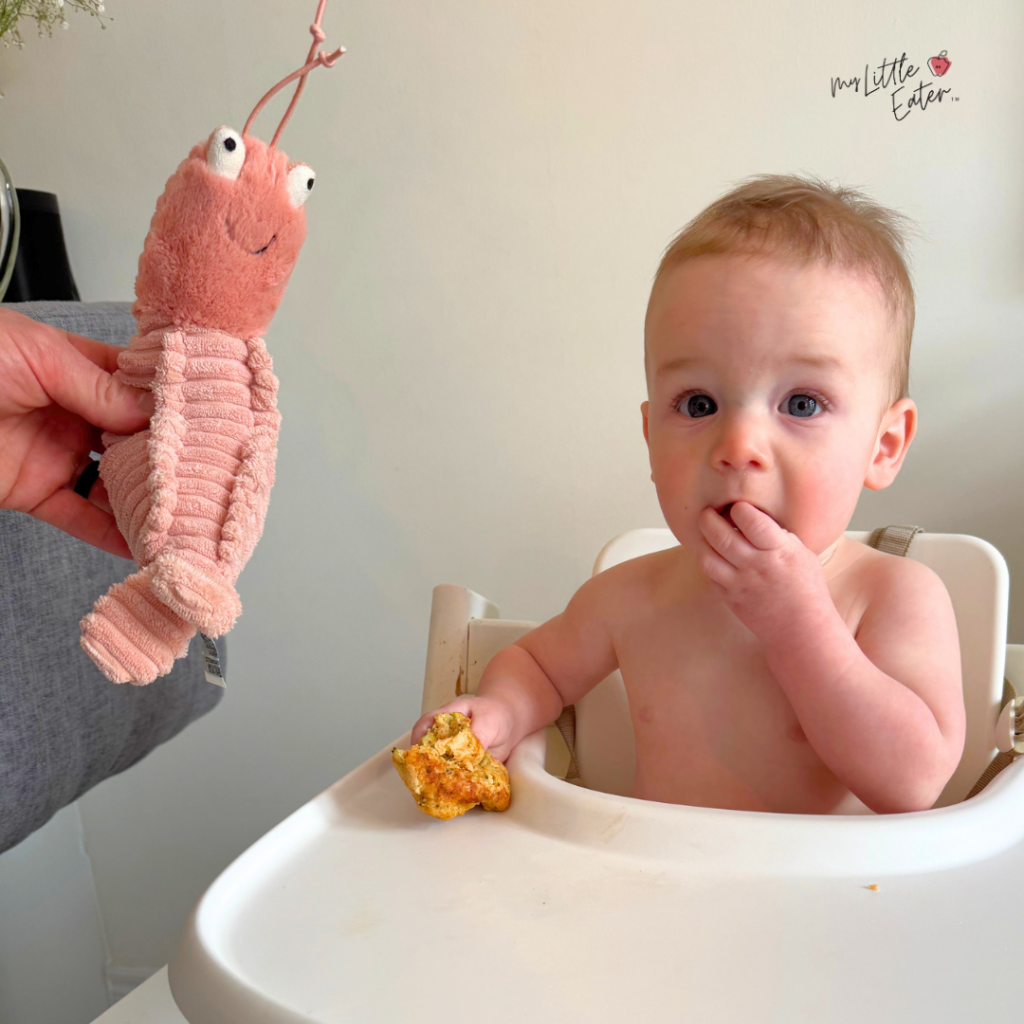
For many new parents, the introduction of solid foods is a milestone marked by both excitement and apprehension. While vegetables, fruits, and grains are often the first foods considered, seafood—specifically fish—is frequently approached with caution. Concerns regarding mercury levels, potential choking hazards, and the risk of allergic reactions often lead parents to delay or avoid offering fish entirely. However, pediatric nutrition experts increasingly emphasize that fish is a nutritional powerhouse that, when introduced correctly, offers significant developmental benefits for infants.
The nutritional profile of fish is uniquely suited to a growing baby’s needs. Rich in high-quality protein, essential iron, Vitamin D, and docosahexaenoic acid (DHA), fish plays a critical role in supporting early brain development and physical growth. Recent shifts in pediatric health guidelines have moved away from the outdated practice of delaying allergen introduction. Instead, current research suggests that introducing highly allergenic foods, including fish, at an early age—typically around six months when the infant shows signs of readiness—may actually assist in building tolerance and lowering the risk of developing future food allergies.

Navigating the Nutritional Benefits and Safety Protocols
When health professionals discuss the inclusion of fish in a child’s diet, the term encompasses a broad spectrum of aquatic life, including finned fish like salmon and haddock, as well as shellfish such as shrimp, crab, and various mollusks. The primary hesitation for many parents remains the presence of mercury. Methylmercury is a naturally occurring heavy metal that accumulates in the tissue of larger, predatory fish over time. Because an infant’s nervous system is in a critical stage of development, the sensitivity to environmental contaminants is heightened.
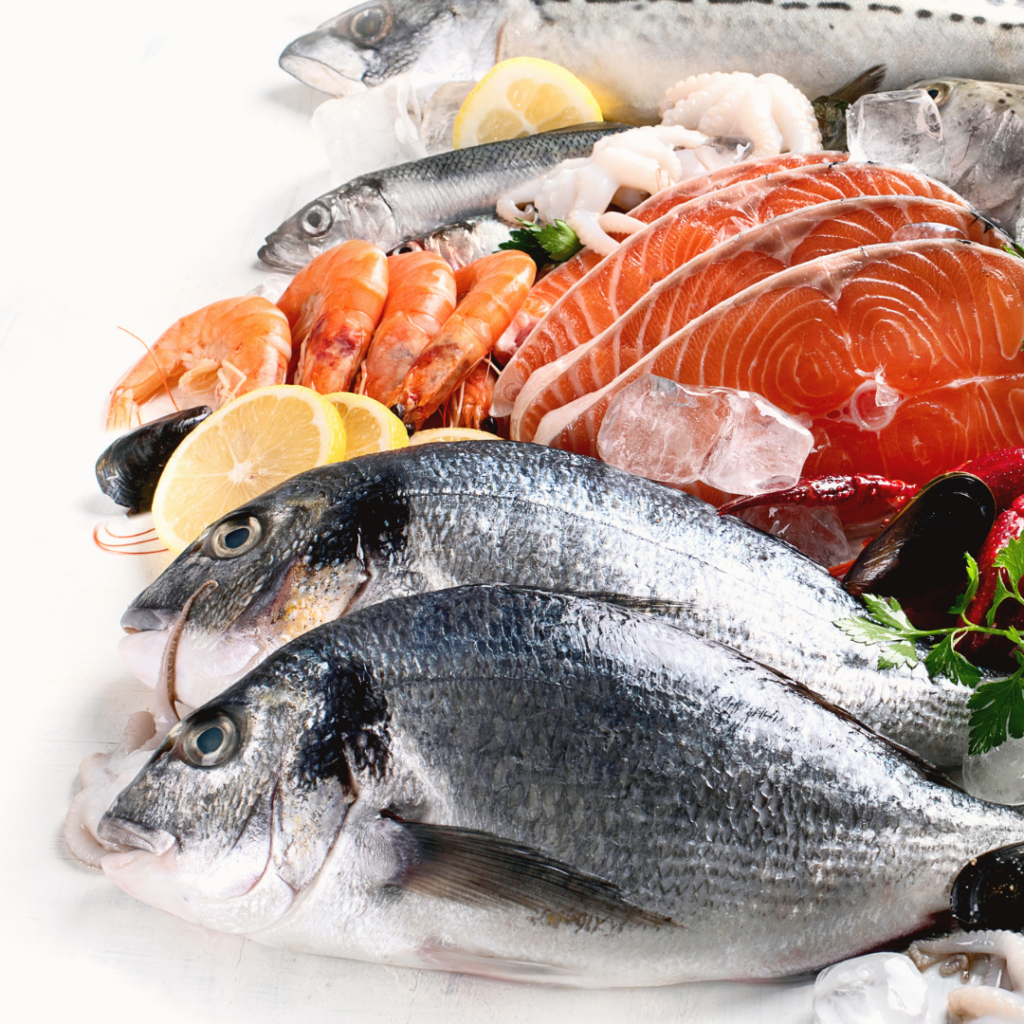
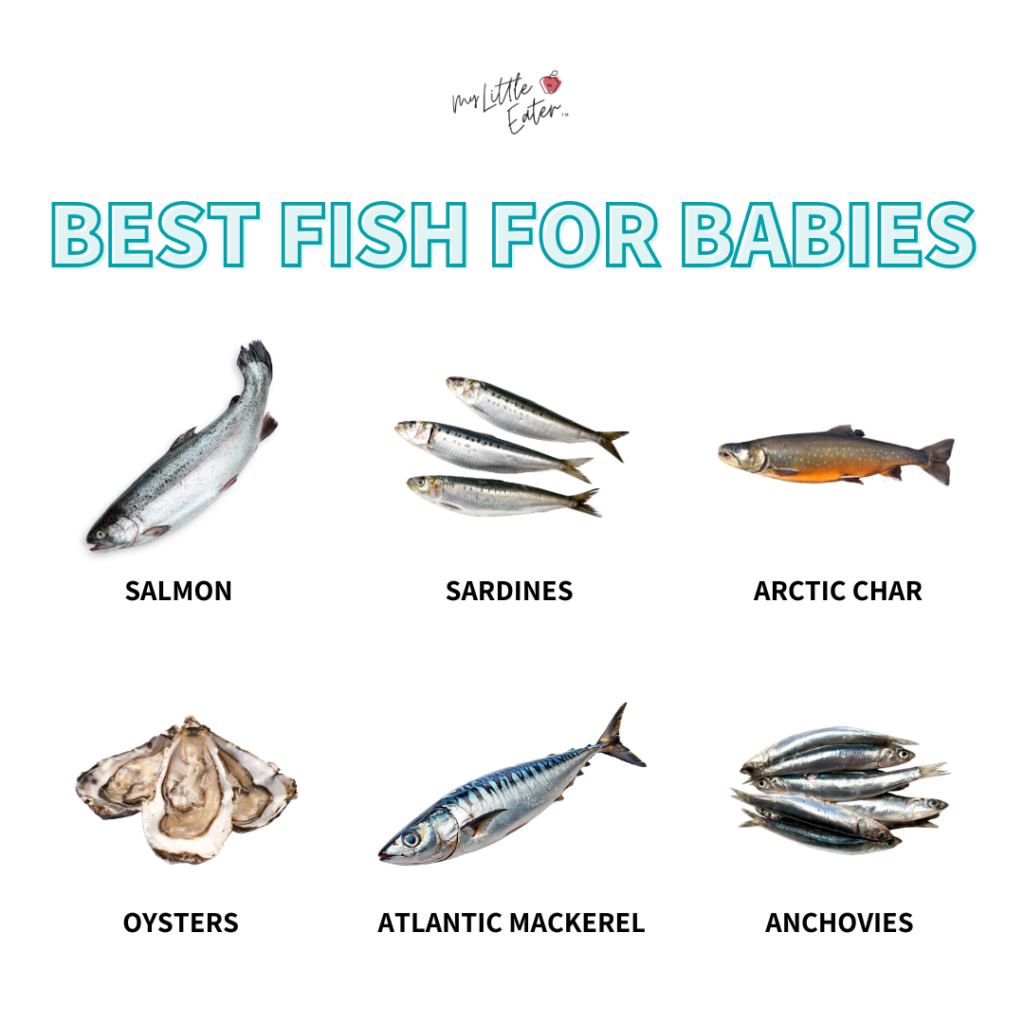
However, the risk of mercury exposure can be effectively managed by selecting low-mercury, high-DHA species. Pediatric dietitians recommend prioritizing fish such as salmon, sardines, and arctic char. These species are not only low in mercury but also provide the essential fatty acids required for cognitive and visual development. By establishing a weekly rotation of these nutrient-dense options, parents can ensure their infants receive the necessary health benefits while adhering to established safety margins.

Managing Allergy Risks and Clinical Awareness
The introduction of any new food, particularly those identified as common allergens, requires a methodical approach. When parents are ready to introduce fish, it is advisable to ensure the infant is in good health and to offer the food early in the day. This timing is essential for monitoring any potential adverse reactions. The standard clinical recommendation involves introducing a single allergen at a time and waiting approximately 24 hours before introducing another, allowing parents to clearly identify the source of any reaction.

Common symptoms of an allergic reaction to watch for include hives, swelling of the lips or tongue, persistent coughing, wheezing, or sudden, unexplained vomiting. While many reactions are mild, some infants may experience a condition known as Food Protein-Induced Enterocolitis Syndrome (FPIES), which manifests as delayed, repetitive vomiting occurring several hours after consumption. It is vital for caregivers to understand that being allergic to one type of seafood does not guarantee an allergy to all; finned fish and shellfish belong to entirely different allergen groups. Should a severe reaction occur, immediate medical attention is required.
Wild-Caught Versus Farmed: The Sustainability and Quality Debate
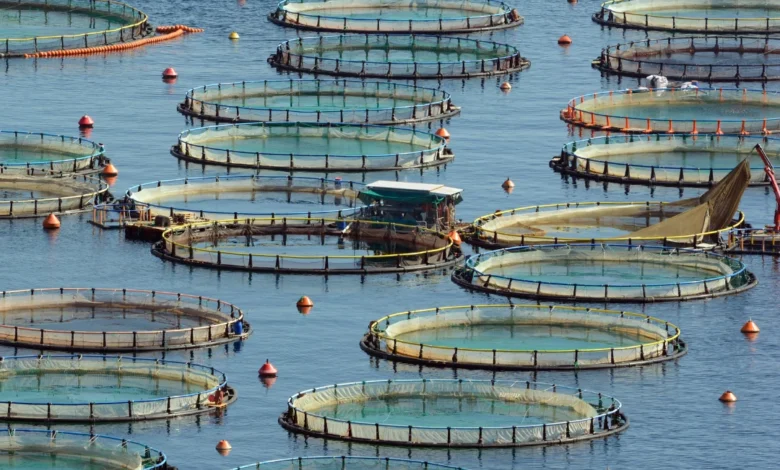
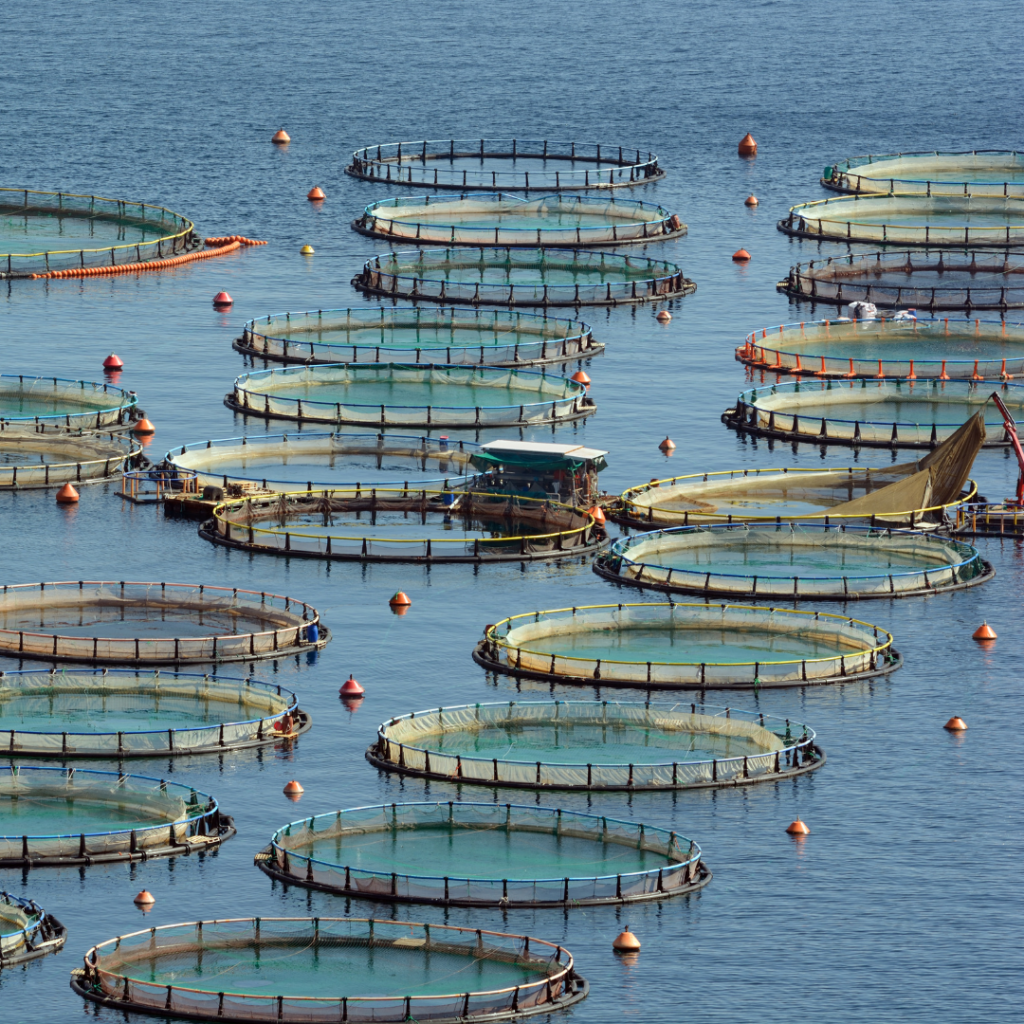
As parents navigate the grocery aisles, they are frequently confronted with the choice between wild-caught and farmed fish. This choice involves a complex intersection of nutritional quality, environmental impact, and economic accessibility. Wild-caught fish often have a more varied diet, leading to a leaner nutritional profile. Conversely, farmed fish are often raised in controlled environments that allow for the fortification of feed, sometimes resulting in higher omega-3 levels, though these benefits must be weighed against the potential for higher antibiotic use and localized environmental pollution in poorly managed operations.

The industry standard for evaluating these choices is shifting toward transparency. Organizations such as SeaChoice.org provide comprehensive grading systems based on environmental impact, waste management, and antibiotic usage. For parents, the most practical approach is to focus on the species rather than just the origin. By consulting reliable sustainability guides, caregivers can make informed choices that balance the baby’s health with broader ecological responsibility.
The Evolution of Feeding Guidelines
Official guidance from organizations like the American Academy of Pediatrics (AAP) and Health Canada has undergone significant scrutiny regarding the clarity of recommendations for infants under the age of two. While the AAP provides general thresholds for toddlers, there has historically been a gap in specific, actionable advice for the six-to-twelve-month age bracket.
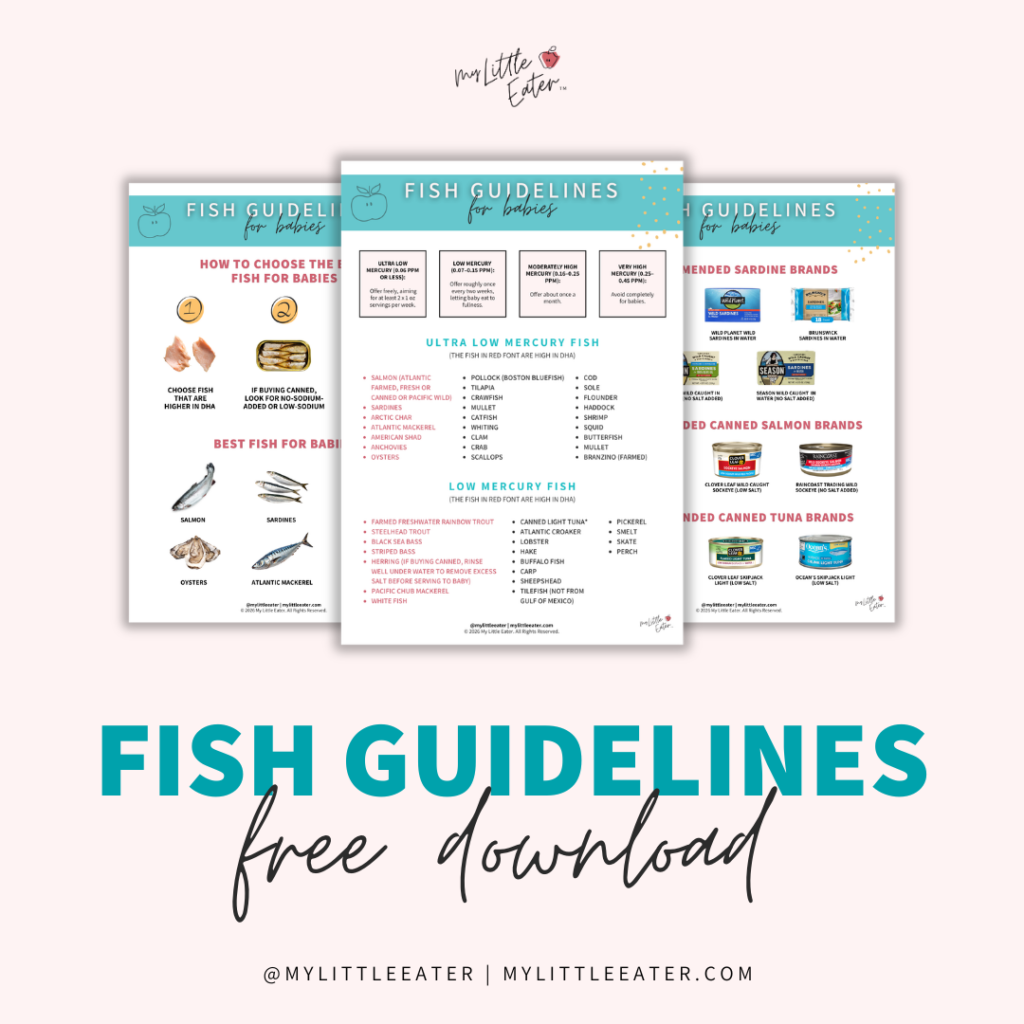
Critics argue that blanket statements—such as the assumption that infants only consume negligible amounts of fish—fail to reflect the realities of modern feeding practices, such as Baby-Led Weaning. As infants become more adept at eating, they may consume significant portions of their meals. To address this, nutritionists have developed tiered frameworks for fish consumption based on mercury levels. This allows parents to provide a consistent supply of safe, healthy fish without the need for meticulous, daily weight measurements.
Best Practices for Preparation and Texture
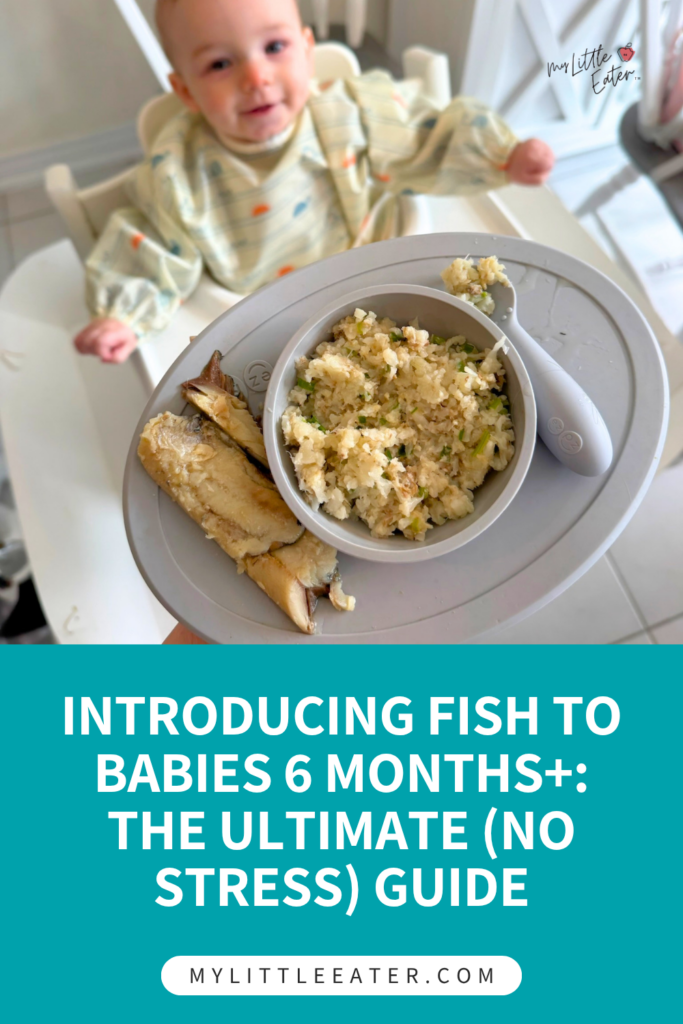
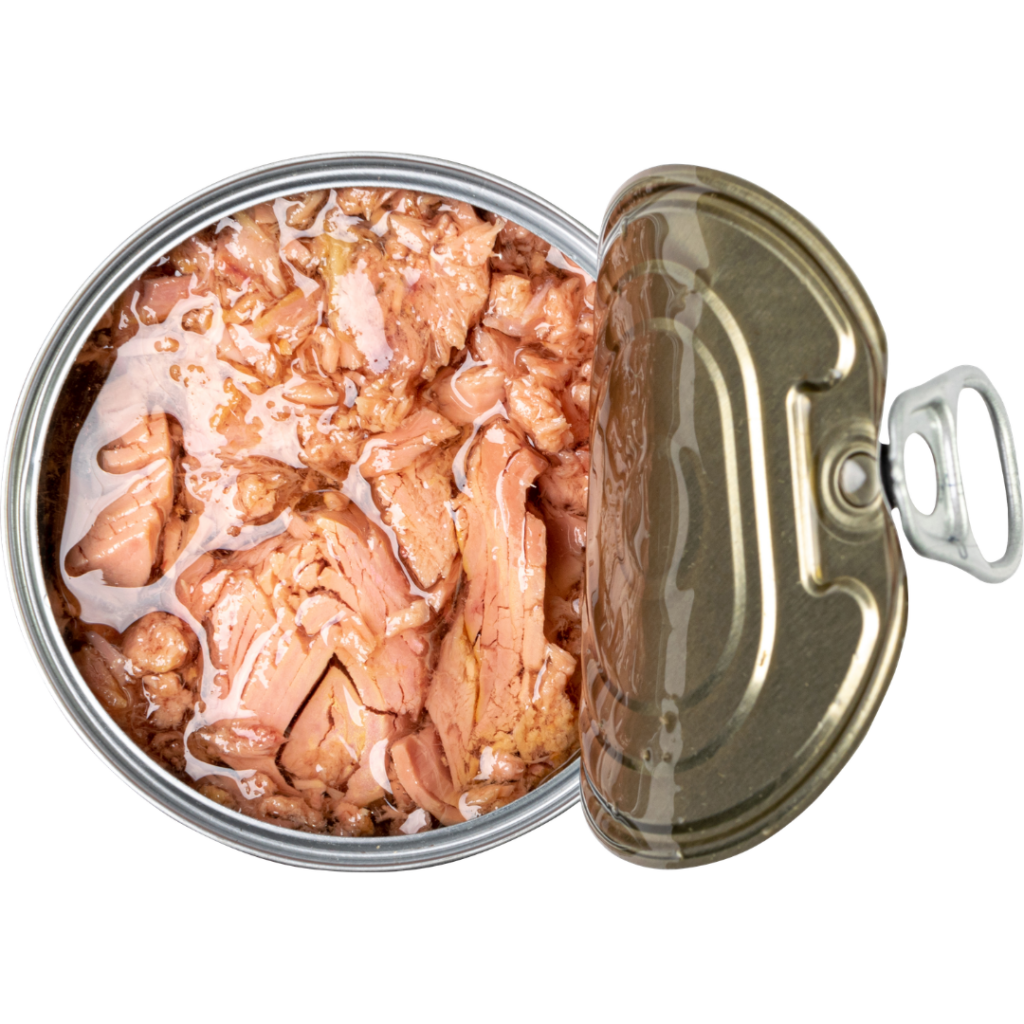
Preparation is the final, and perhaps most important, step in ensuring a positive experience with seafood. The texture must be age-appropriate to prevent choking. A reliable test for parents is the "squish test": if the cooked fish can be easily mashed between the thumb and forefinger, it is generally safe for an infant.

Cooking methods such as steaming and poaching are preferred, as they utilize moist heat to keep the fish tender. Baking is also a viable option, provided the fish is tented to prevent the edges from becoming firm or rubbery. Regardless of the method, fish must be cooked to an internal temperature of 145°F (62.8°C) to eliminate foodborne pathogens. Additionally, the "flake and feel" method—manually breaking the fish apart with a fork and checking for hidden pin bones—should be a non-negotiable step, even when using products labeled as "boneless."

Conclusion: A Foundation for Lifelong Health
The decision to introduce fish into an infant’s diet is a proactive step toward fostering healthy eating habits and ensuring the intake of critical developmental nutrients. While the initial steps may feel daunting, the combination of early introduction, careful selection of low-mercury species, and safe preparation techniques can turn fish into a staple of a well-balanced, nutrient-rich diet.
By moving past the myths and focusing on evidence-based practices, parents can empower themselves to navigate the world of seafood with confidence. As infants transition from initial tastes to more complex, textured meals, the inclusion of fish provides a robust foundation for their growth, brain health, and long-term well-being. Ultimately, the goal is not to create a stressful feeding environment, but to provide a diverse, nutrient-dense diet that sets the stage for a lifetime of healthy eating. With the right tools and knowledge, fish can safely and effectively move from a feared food to a favorite, supporting the developmental journey of every child.