The Rise of Twenty-Minute Gourmet: An Analysis of the Garlic Chicken Pasta Culinary Trend

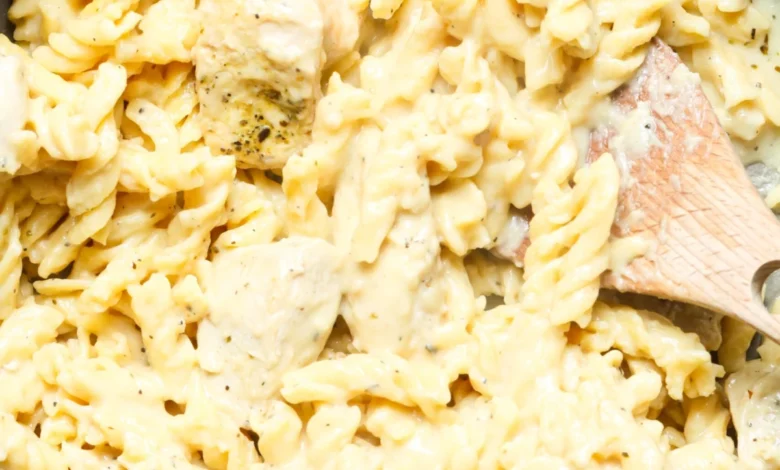
In the modern landscape of home cooking, the demand for high-quality, nutritious meals that fit within a compressed timeframe has become a primary driver of culinary innovation. Among the most notable recent developments is the refinement of the classic garlic chicken pasta—a dish that has transitioned from a standard weeknight staple to a sophisticated, restaurant-quality meal achievable in under 20 minutes. This shift reflects broader socioeconomic trends where professional and personal time constraints necessitate kitchen efficiency without compromising dietary integrity or flavor profiles.
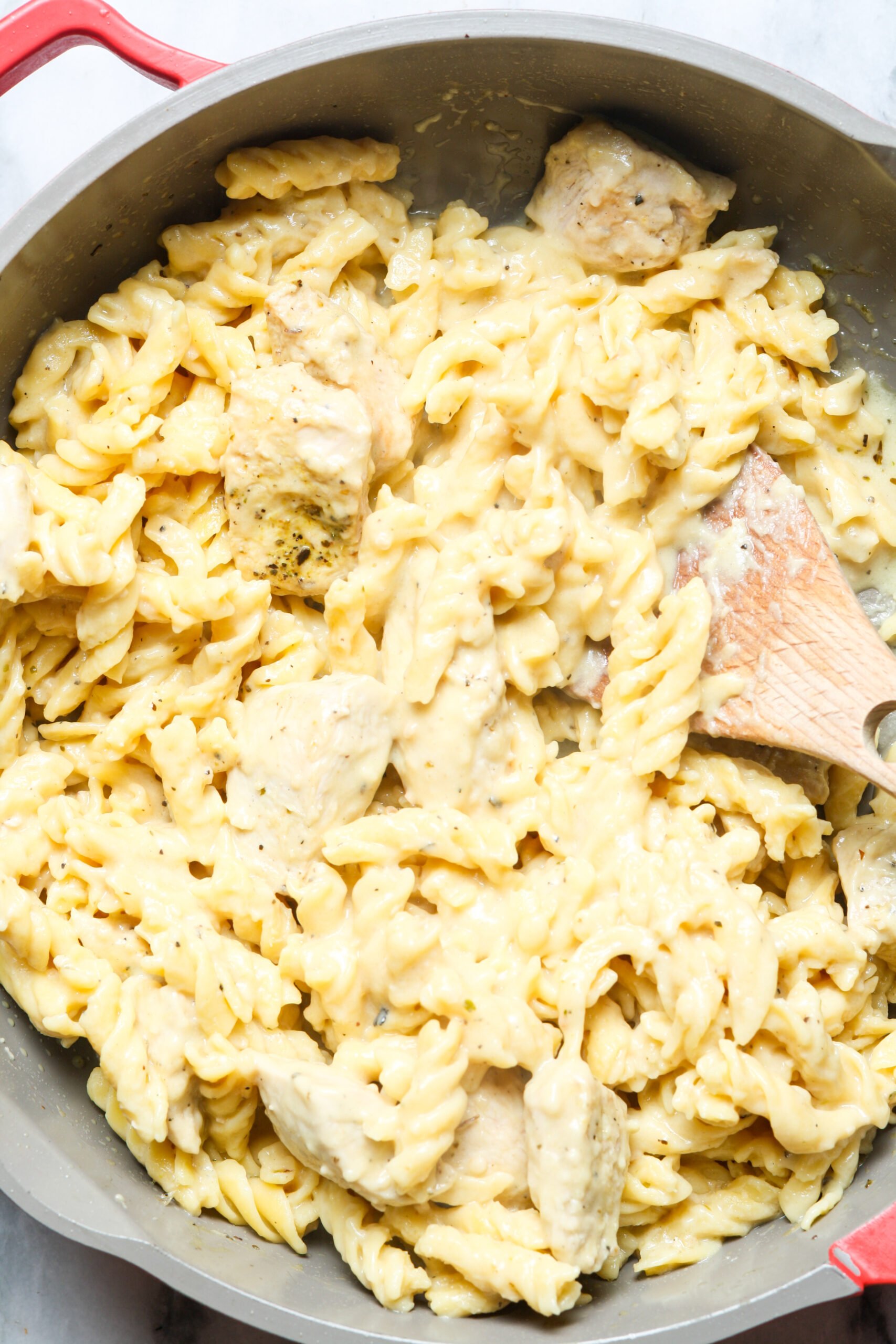
The evolution of this dish represents a intersection of accessibility and technique. By leveraging high-heat searing and emulsion-based sauces, home cooks are increasingly capable of replicating complex flavor profiles that traditionally required long-simmering methods. Culinary analysts observe that this specific recipe’s popularity stems from its reliance on fundamental pantry staples—chicken, pasta, garlic, butter, and parmesan—which minimize the logistical burden of meal preparation while maximizing nutritional output.
The Chronology of Efficient Meal Preparation
The methodology for preparing this dish is predicated on a streamlined, parallel-processing workflow. A professional kitchen-style approach to this recipe involves a strictly sequenced operation:
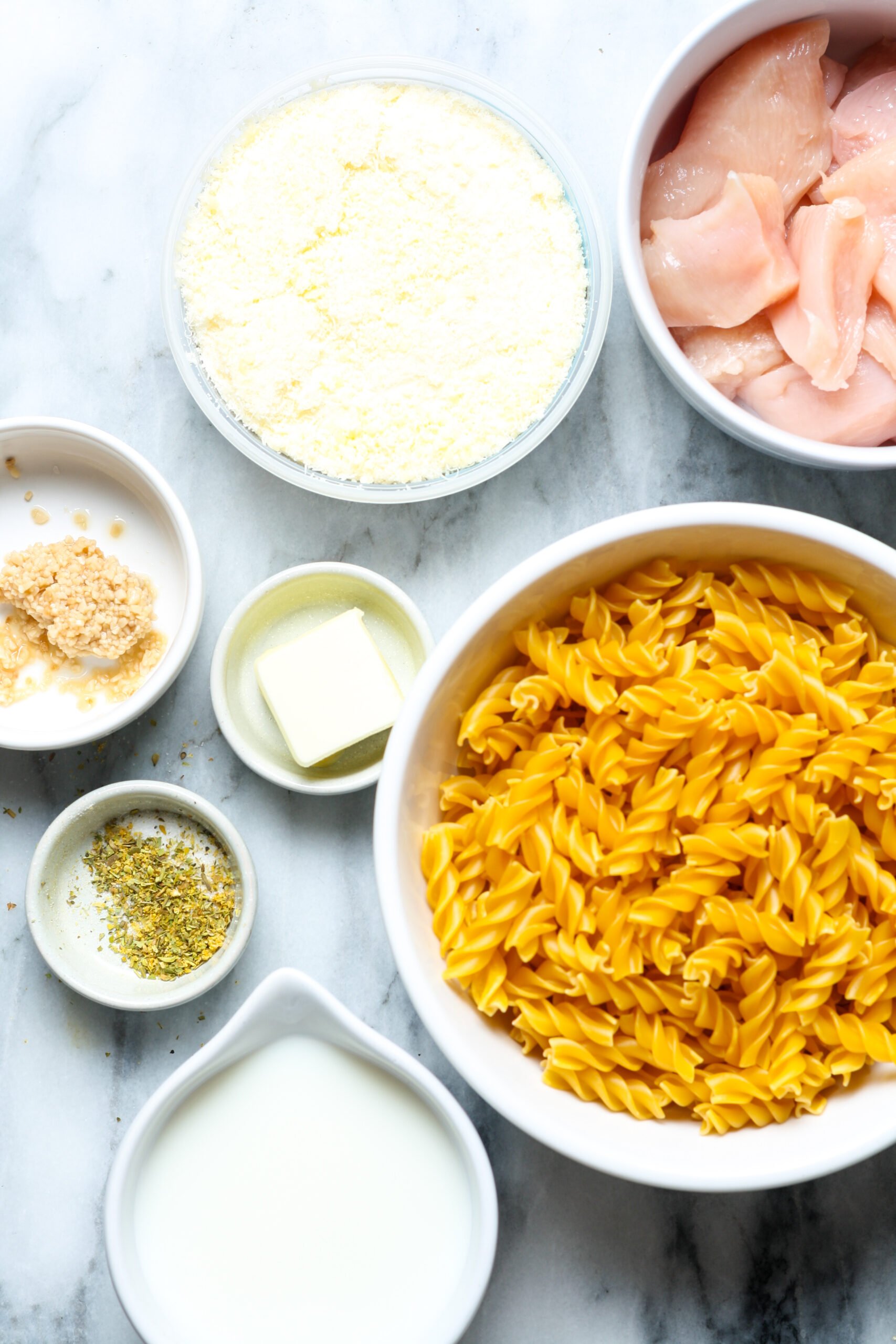
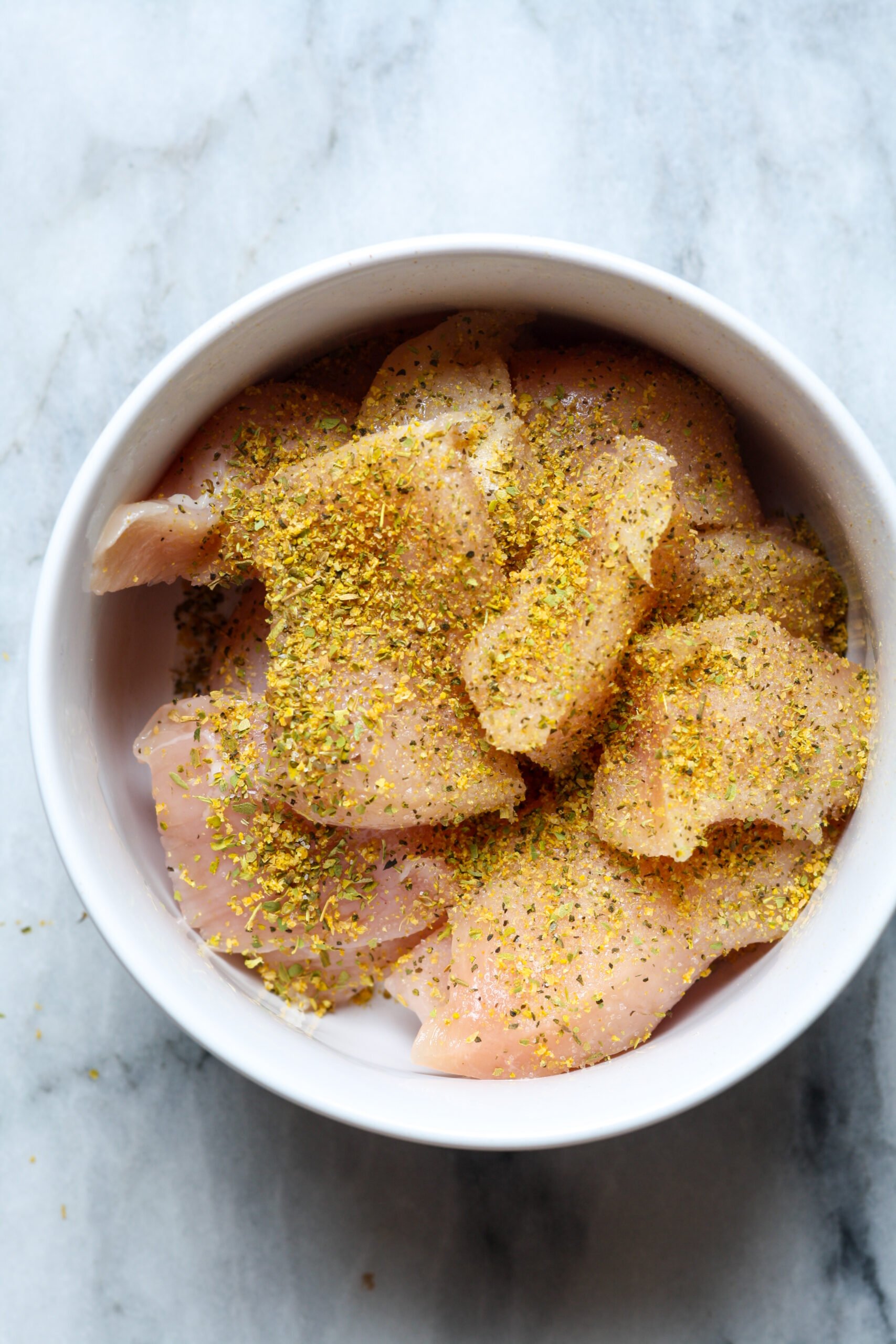
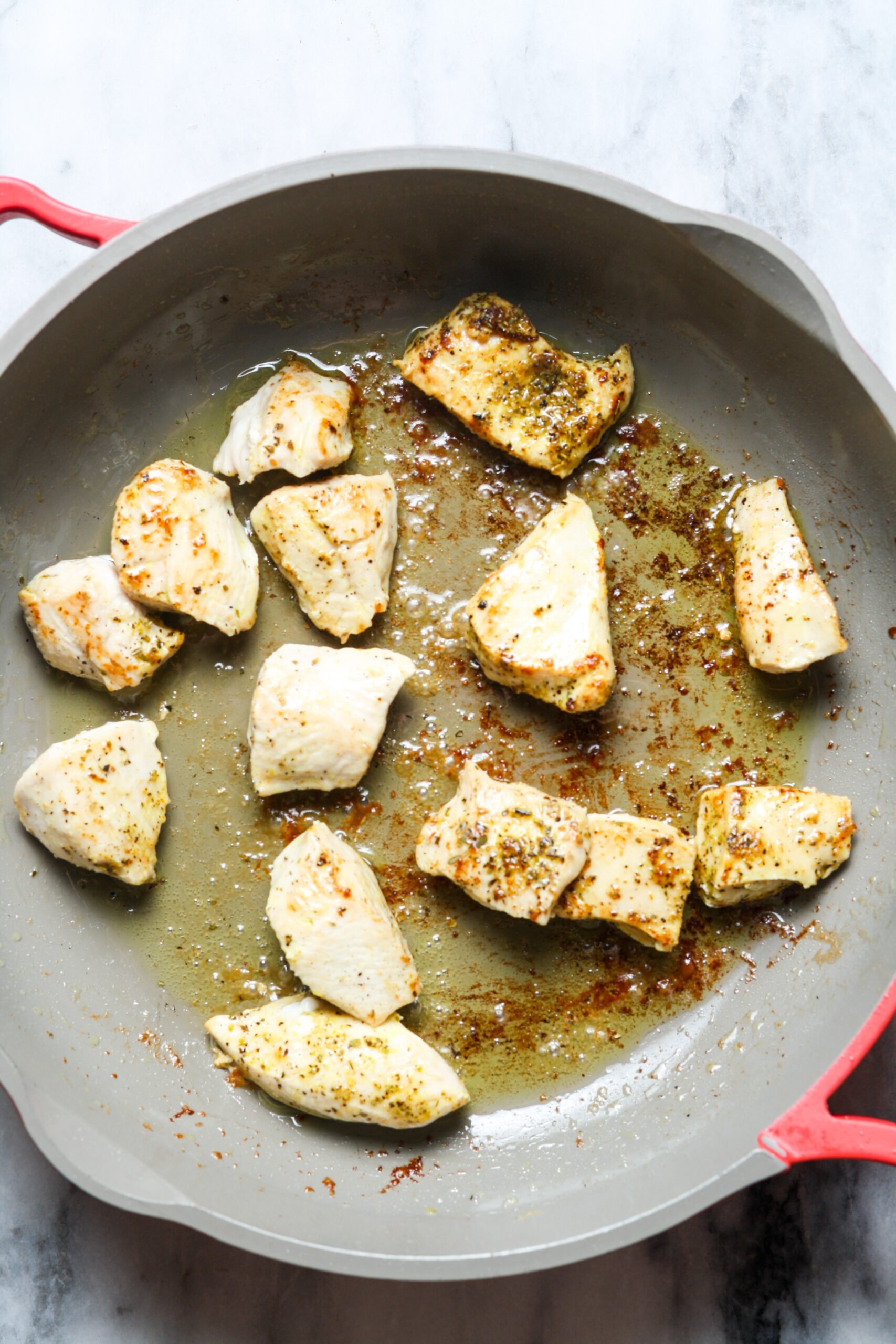
- Preparation and Mise en Place: The process begins with the structural preparation of the primary protein. By cutting chicken breast into consistent one-inch cubes, surface area is increased, allowing for rapid, uniform heat absorption. Seasoning with sea salt, pepper, and onion powder prior to cooking ensures that the flavor profile is integrated into the meat rather than remaining superficial.
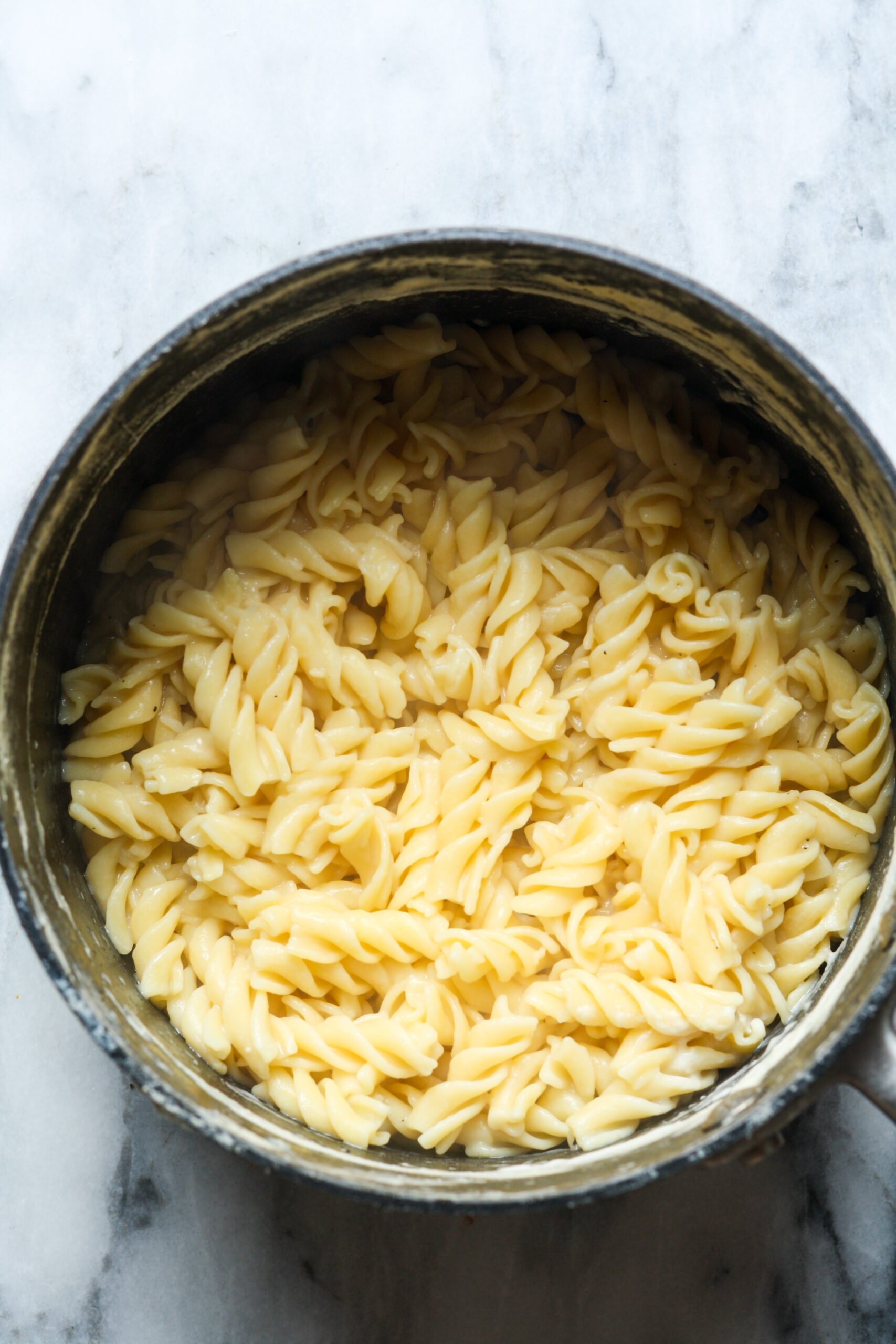
- Synchronized Cooking: The most efficient preparation involves the simultaneous boiling of pasta—typically whole-wheat or gluten-free variants—and the preparation of the protein. The objective is to achieve an "al dente" texture for the pasta, which provides the necessary structural foundation for the heavier sauce.
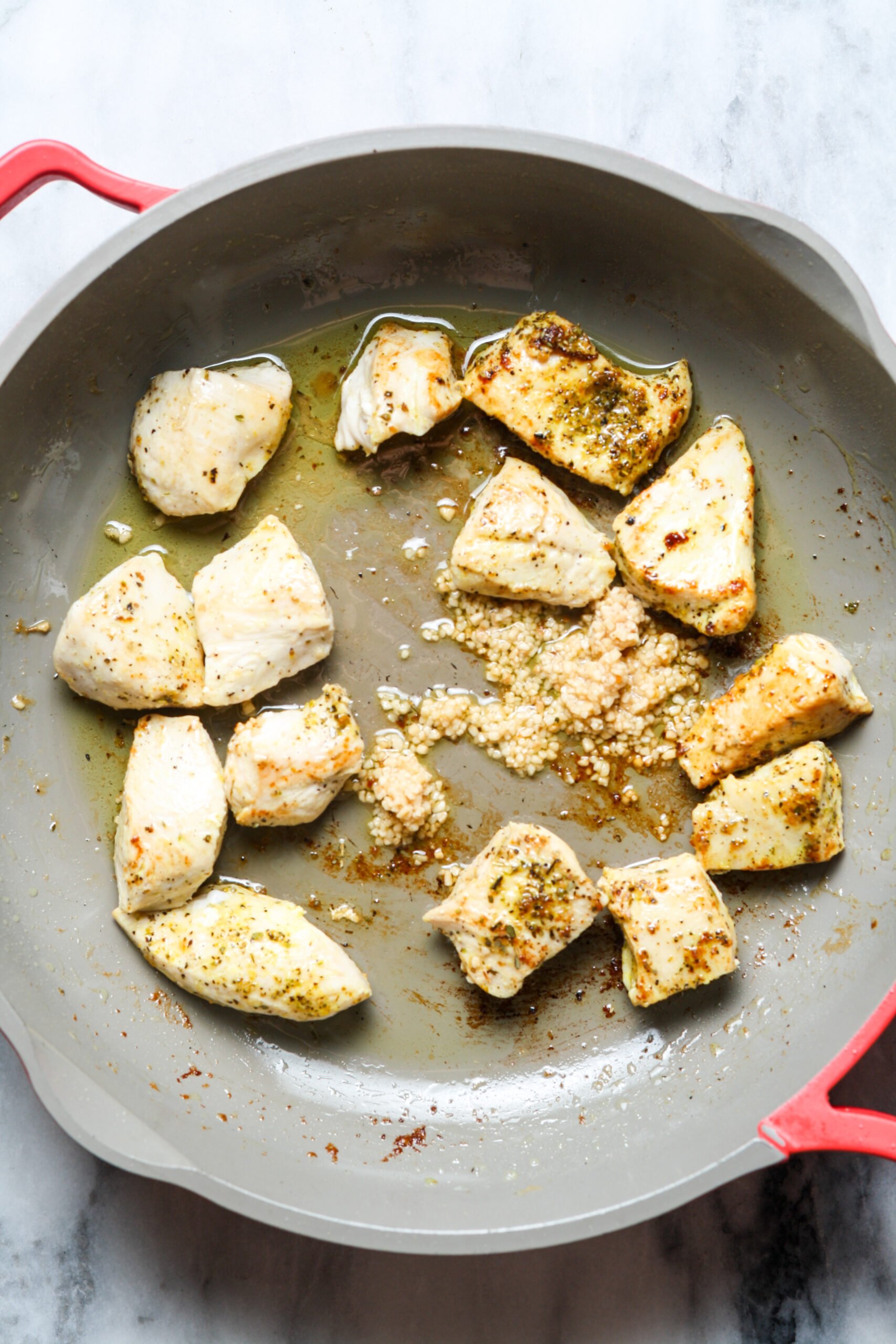
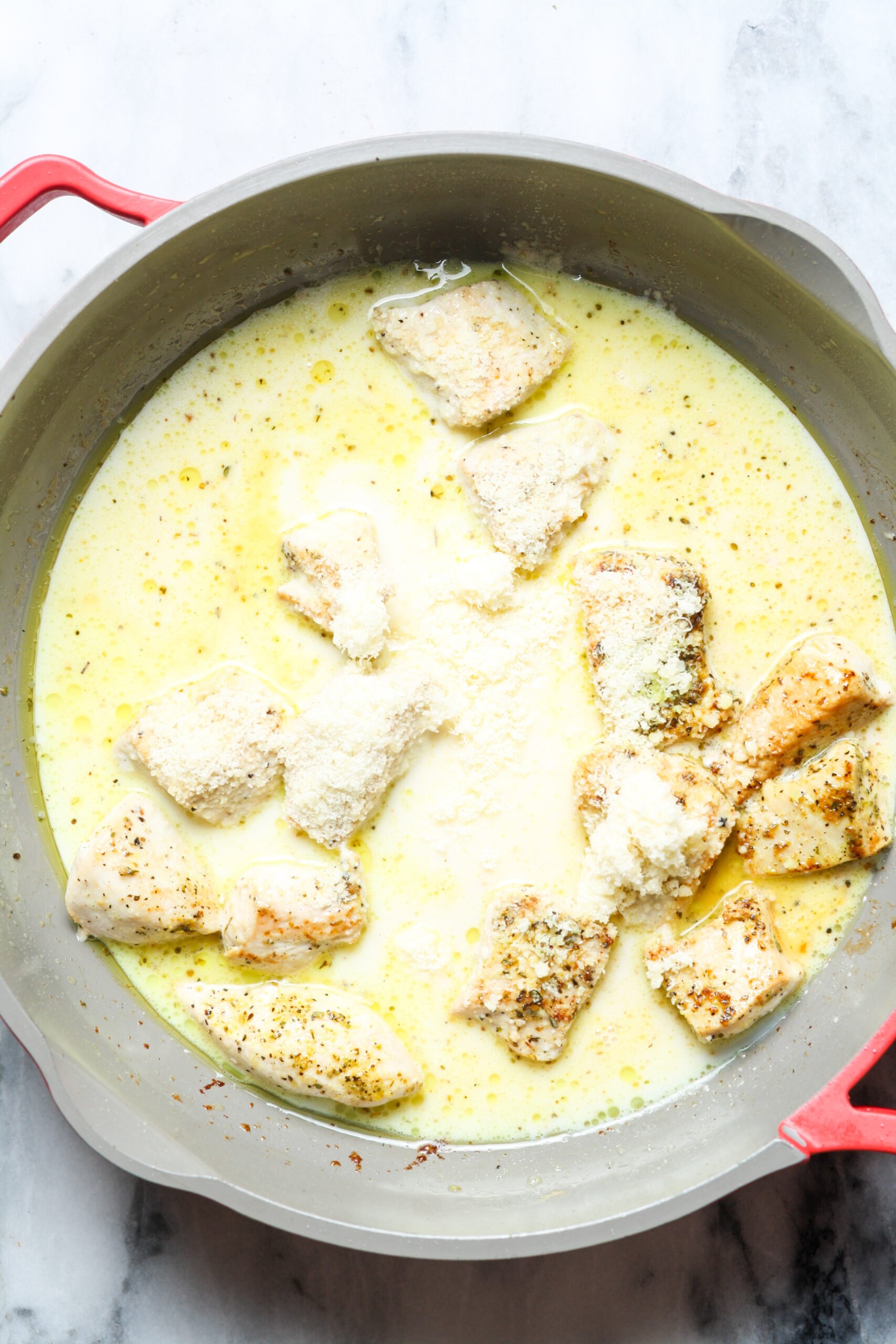
- The Emulsion Phase: Once the chicken reaches its near-cooked state, the introduction of fresh minced garlic marks the critical transition to the sauce base. Unlike garlic powder, fresh aromatics provide essential oils that contribute to the sauce’s complexity. The addition of whole milk and parmesan cheese creates a natural emulsion; the proteins in the cheese and the fats in the milk bind to create a velvet-like consistency without the need for processed thickening agents.
- Final Integration: The final step involves tossing the drained pasta directly into the skillet. This allows the starch remaining on the pasta to further bind the sauce, ensuring the final product is cohesive and well-coated.
Nutritional Context and Ingredient Selection
The contemporary iteration of garlic chicken pasta highlights a move toward ingredient transparency. Nutritionists emphasize that the use of whole milk and fresh parmesan provides a calcium-rich foundation, while whole-wheat pasta introduces complex carbohydrates and fiber, contrasting with refined-flour alternatives.
Supporting data in dietary research suggests that the Mediterranean-adjacent flavor profile—dominated by garlic and lean protein—is associated with better long-term cardiovascular outcomes compared to high-sodium, pre-packaged convenience meals. The ability to control the quality of ingredients, such as choosing grass-fed butter or ghee, allows the consumer to align the dish with specific health-conscious frameworks without sacrificing the sensory satisfaction of a "comfort food" experience.
Economic and Logistical Implications
The surge in this dish’s prevalence can be traced back to the post-2020 shifts in consumer behavior. With more households returning to home-based dining as a cost-saving measure amidst rising food inflation, the "20-minute meal" has become a vital economic strategy. Data indicates that average grocery costs for a scratch-made meal of this nature are significantly lower than equivalent takeout or restaurant pricing, often by a margin of 60% or more.
Furthermore, the scalability of this recipe makes it an essential tool for meal planning. Because the dish remains stable when stored in airtight containers for up to four days, it serves as a solution for the "weekday lunch" dilemma. Industry experts note that the re-heating process—specifically the addition of a small amount of liquid to restore the sauce’s emulsion—is a prime example of "culinary maintenance" that prevents food waste, a growing concern in modern household management.
Culinary Versatility and Consumer Adaptability
While the core recipe maintains a strict adherence to simplicity, its inherent versatility has fueled its viral success on digital platforms. Data shows that users frequently modify the base recipe to include seasonal vegetables—such as sautéed spinach, sun-dried tomatoes, or roasted bell peppers—which demonstrates the dish’s capacity to serve as a "blank canvas" for nutritional variety.
Professional chefs often point to the "garlic-butter-parmesan" triad as the "golden ratio" of flavor, noting that it satisfies both the umami and lipid-craving centers of the palate. This inherent balance is why the dish rarely requires complex spice blends or exotic ingredients to receive positive feedback from diners. It is, in essence, a masterclass in minimalist cooking.
Troubleshooting and Technical Mastery
For the home cook, the primary challenge in executing this dish is the management of sauce consistency. Culinary instructors frequently cite two common errors: the "breaking" of the sauce due to excessive heat and the "thinning" of the sauce due to improper reduction.
- The Overheating Risk: If the skillet is held at too high a temperature after the addition of the milk and cheese, the dairy solids can separate. Maintaining a medium-to-low flame during the final emulsification stage is paramount to achieving a glossy finish.
- Density Regulation: The viscosity of the sauce is largely dependent on the ratio of cheese to milk. If the sauce is too thin, the remedy is not necessarily adding more cheese, but rather allowing the liquid to simmer gently to evaporate excess water content. Conversely, if the sauce becomes overly thick, a small amount of reserved pasta water—rich in starch—acts as the ideal thinning agent without diluting the flavor profile.
The Role of Technology in Modern Kitchens
The widespread adoption of this recipe has been facilitated by the digital democratization of cooking instructions. Interactive recipe cards, video demonstrations, and step-by-step imagery have significantly reduced the "fear factor" associated with making a sauce from scratch. Where earlier generations might have relied on pre-packaged sauce mixes, modern home cooks are increasingly turning to digital resources to learn the physics of a proper pan-sauce.
This shift has also had an impact on the market for kitchen equipment. There is an observable increase in demand for high-quality, non-stick, heavy-bottomed skillets. Consumers are recognizing that the right tools—such as a durable wooden spoon for stirring and a well-calibrated non-stick pan—are essential for the successful execution of high-speed, high-heat cooking.
Conclusion: A Sustainable Future for Home Cooking
The garlic chicken pasta is more than a fleeting trend; it is a manifestation of the modern need for efficiency, economy, and nutritional awareness. By stripping away the unnecessary complexities of gourmet preparation, this dish provides a reliable, repeatable, and highly adaptable framework for daily sustenance. As households continue to navigate the complexities of modern life, the importance of such "quick-fix" meals—that refuse to compromise on quality—will likely continue to grow.
The success of this culinary model serves as a benchmark for future recipe development, suggesting that the most effective solutions to modern dining challenges are often those that rely on the mastery of basic, high-quality ingredients rather than the pursuit of culinary complexity. Whether served as a standalone dinner or a foundation for a larger meal, this dish remains a cornerstone of the contemporary, health-conscious, and time-efficient kitchen.
Related posts: