The Ultimate Dietitian-Approved ALDI Grocery List for Quick and Affordable Family Dinners

The modern challenge of providing nutritious, home-cooked family meals amidst fluctuating food costs and demanding schedules has placed unprecedented pressure on household food budgets. As inflation continues to influence consumer purchasing habits, registered dietitians and culinary experts are increasingly turning their focus toward discount supermarket chains as viable solutions for healthy meal planning. Among these retailers, ALDI has emerged as a prominent subject of study for consumer economists and nutritionists alike, praised for its streamlined inventory model and competitive pricing structure that allows shoppers to bypass costly takeout without sacrificing nutritional value.
Industry Analysis and Background Context
Founded in Germany and rapidly expanding across the United States, ALDI operates on a high-efficiency business model distinct from traditional supermarket chains. By stocking predominantly private-label items—often accounting for more than 90 percent of products on shelves—and maintaining smaller store footprints, the company significantly reduces overhead operating costs. These savings are subsequently passed on to consumers, making the retailer a focal point for families navigating economic tightening.
Nutrition professionals emphasize that successful weeknight meal preparation is rarely a reflection of an individual’s culinary sophistication or the amount of leisure time at their disposal. Rather, food safety and dietary compliance experts argue that streamlined cooking relies heavily on kitchen infrastructure: maintaining a carefully curated inventory of baseline pantry, refrigerator, and freezer staples. When a household maintains a well-stocked inventory of these foundational ingredients, the barrier to entry for cooking fresh meals diminishes significantly, reducing reliance on ultra-processed convenience foods and expensive restaurant delivery services.
Fresh Protein Selections for Budget-Conscious Households
Balancing nutritional requirements with financial constraints often begins in the meat and poultry aisle. In recent years, structural shifts in the agricultural market have driven beef prices to historic highs, prompting many families to diversify their protein sources. Ground turkey and ground chicken have emerged as reliable, cost-effective alternatives. At regional ALDI locations, Kirkwood ground turkey is routinely priced around $4.69, while ground chicken commands approximately $3.69. These lean poultry options seamlessly substitute for beef in traditional recipes such as baked tacos, skillet chili, and homemade marinara sauces, offering a comparable protein profile with a lower saturated fat content.
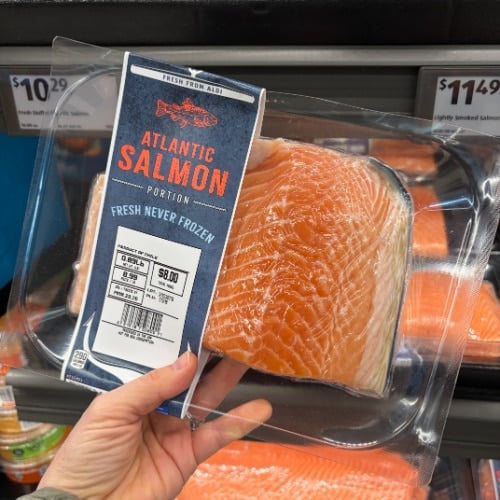
For seafood consumers, Atlantic salmon remains a popular option, typically retailing near $11 per pound. Nutritionists note that fresh salmon provides essential omega-3 fatty acids, which support cardiovascular and cognitive health. Furthermore, its rapid cooking time—averaging twelve to fifteen minutes in a 400-degree Fahrenheit oven depending on thickness—makes it a practical choice for time-constrained weeknights.
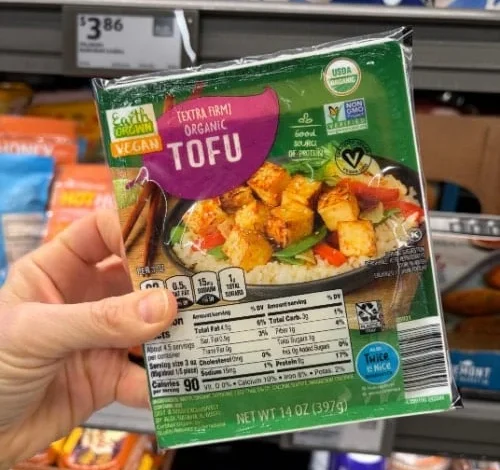
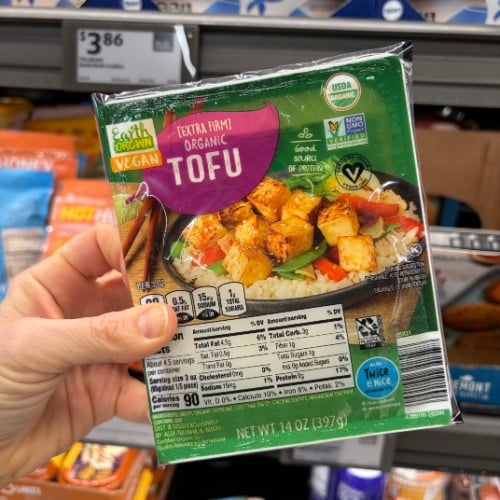
Plant-based proteins have also gained traction as consumer interest in flexitarian diets grows. Earth Grown Extra Firm Tofu, priced at approximately $1.55, offers an economical entry point for households attempting to incorporate at least one meatless meal per week. Dietitians stress the importance of selecting extra-firm varieties, which maintain their structural integrity during high-heat cooking methods such as stir-frying or baking, outperforming softer silken alternatives in savory applications.
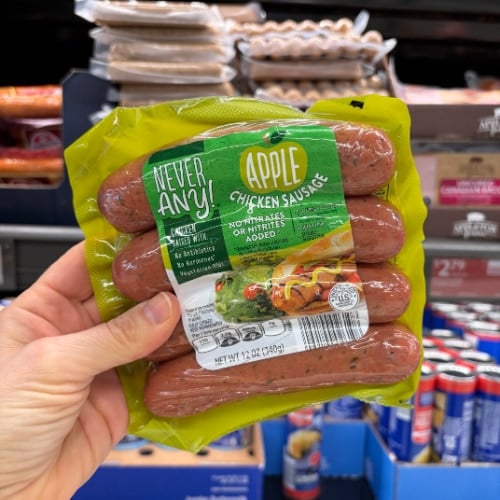
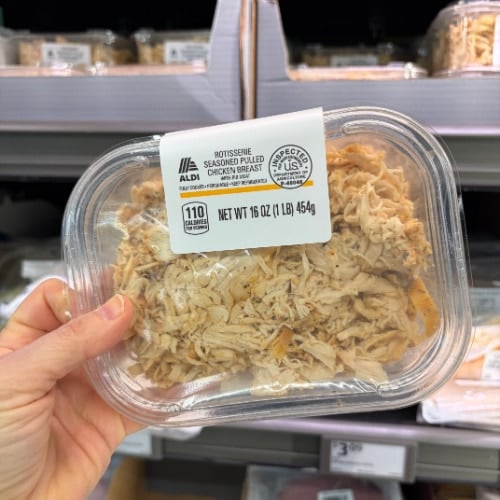
Additional time-saving protein products include pre-cooked or pre-seasoned options, such as chicken apple sausage priced under $3.00, and pre-shredded seasoned chicken breast retailing around $7.15. While processed convenience items carry a higher per-ounce cost than raw ingredients, nutrition economists view them as pragmatic compromises that deter consumers from ordering expensive fast food on particularly demanding evenings.
Pantry Foundations and Shelf-Stable Essentials
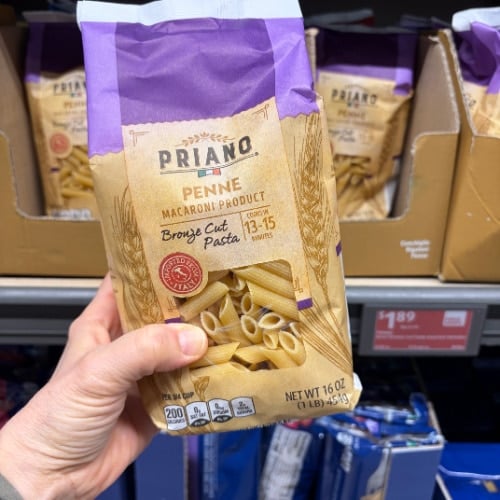
The backbone of any efficient kitchen lies within the pantry, where shelf-stable goods provide limitless culinary possibilities. Among ALDI’s specialty dry goods, Priano Bronze Cut Pasta—priced at $1.89—represents a notable departure from standard industrial pasta. Manufactured using traditional bronze dies, the pasta develops a rough, porous surface texture that enhances sauce adhesion, elevating standard weeknight carbohydrate dishes.
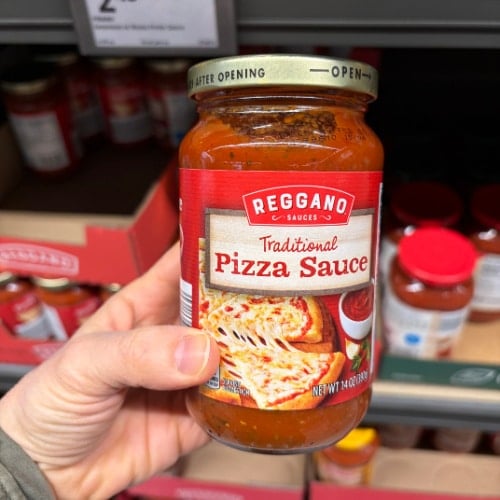
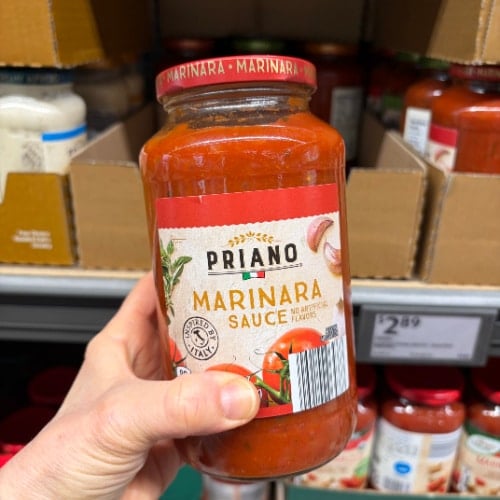
Sauces and flavor enhancers occupy critical real estate in the budget-conscious pantry. Reggano Pizza Sauce, available for approximately $1.09, allows consumers to transform leftover flatbreads or tortillas into impromptu flatbread pizzas. Similarly, jarred marinara sauces such as Priano, priced at $2.89, serve as foundational elements for casseroles, pasta bakes, and skillet meals.
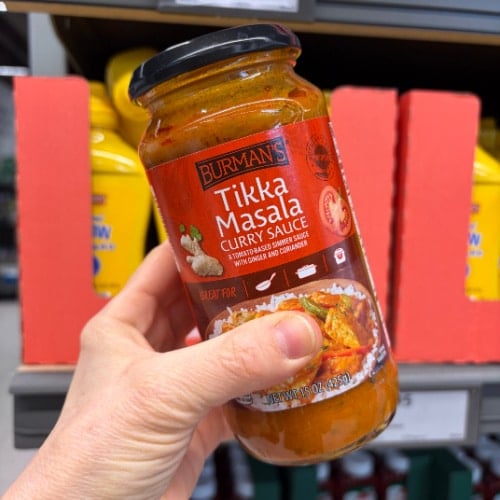
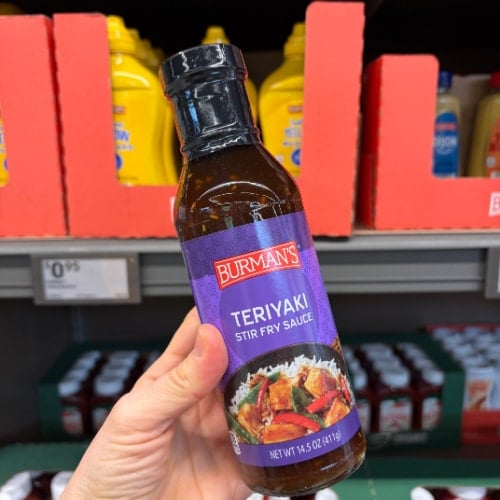
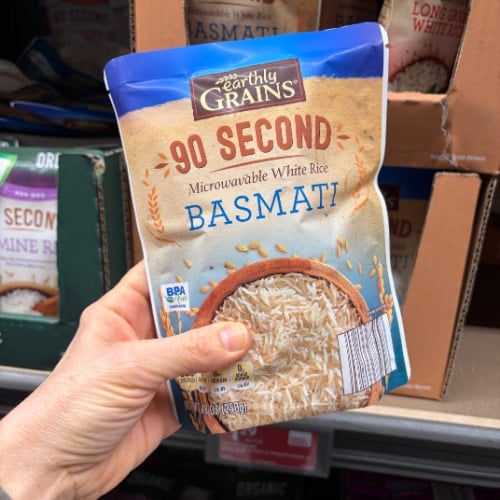
For global flavor profiles without extensive ingredient lists, pre-made simmer sauces and stir-fry bases offer efficient solutions. Burman’s Simmer Sauces ($3.69) and Teriyaki Stir-Fry Sauces ($2.19) enable home cooks to execute complex flavor profiles by simply browning a protein, adding seasonal vegetables, and simmering the mixture over quick-cooking grains. To minimize preparation time, Earthly Grains 90-Second Rice Pouches ($1.29) provide a rapid alternative to traditional stovetop grains, reducing preparation windows from thirty minutes to mere moments.
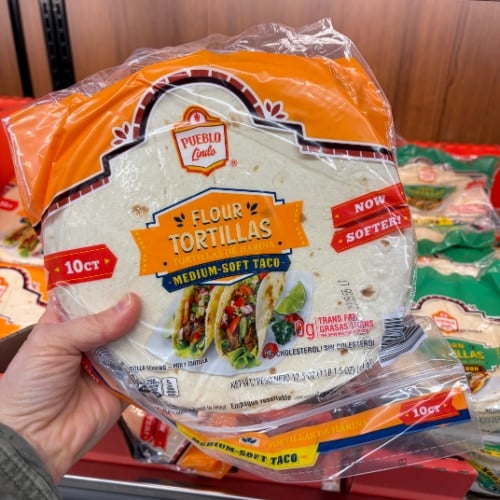
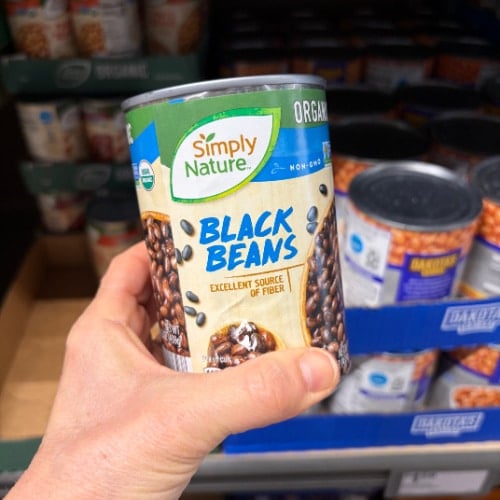
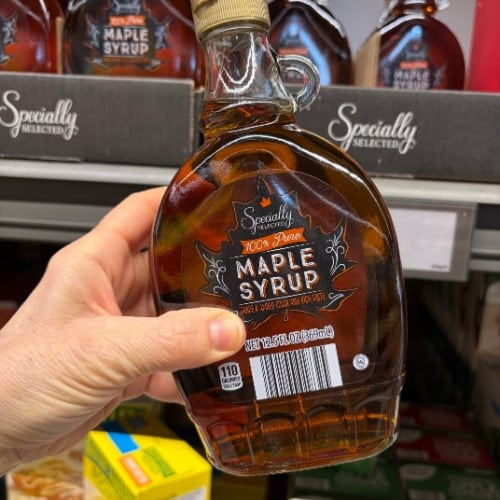
Canned legumes, including varieties from the Simply Nature brand priced under $1.00, remain a cornerstone of nutritious and economical menu planning. Rich in plant-based protein, complex carbohydrates, and dietary fiber, canned beans offer exceptional shelf-stability and can be integrated into soups, salads, and grain bowls. Other pantry mainstays include regionally sourced pure maple syrup ($4.99), versatile flour tortillas ($1.95) for stretching dinner components, and soft brioche buns ($3.99) designed to elevate standard sandwiches.

Produce Management and Efficiency Strategies
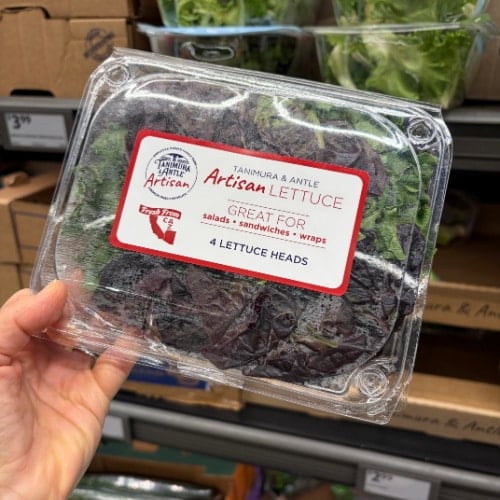
Fresh produce management presents a perennial challenge for busy households, balancing the desire for fresh ingredients against the risk of food spoilage. To mitigate waste, nutritionists recommend selecting produce items that offer extended shelf-life or built-in preparation shortcuts. Artisan lettuce, retailing at $2.99 for a multi-head pack, requires more physical preparation than pre-washed bagged greens, but consumer food research indicates that whole heads retain structural integrity and freshness significantly longer in refrigerated environments.
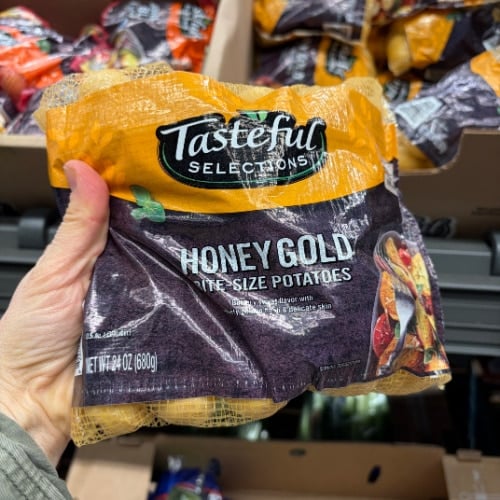
Similarly, specialty root vegetables such as Tasteful Selections Honey Gold Bite-Size Potatoes ($2.99) arrive pre-washed and sorted, eliminating the time-consuming scrubbing and peeling steps typically associated with potato preparation. These bite-sized varieties roast evenly in high-heat ovens, complementing both poultry and seafood entrees.
Freezer Inventory and Emergency Meal Solutions
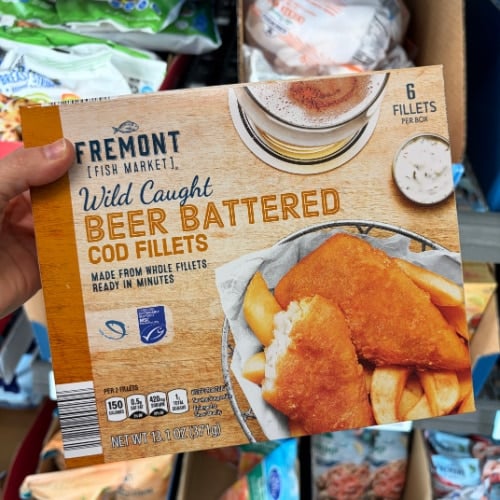
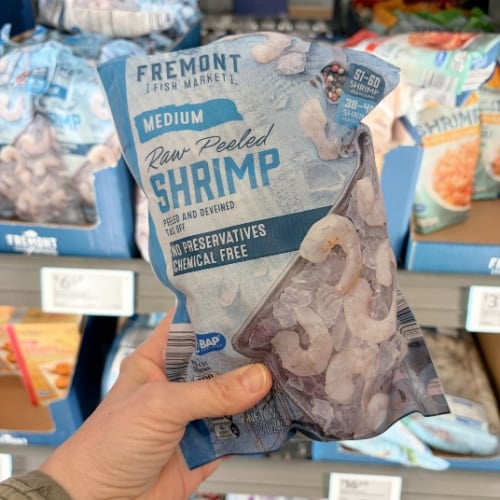
A strategically managed home freezer functions as an insurance policy against chaotic schedules. Frozen seafood products, such as Fremont Fish Market breaded fish fillets ($4.69) and raw frozen shrimp ($6.49), provide reliable protein sources that bypass the rapid spoilage timeline of fresh fish. Shrimp, in particular, thaws rapidly under cold running water and cooks in three to four minutes, making it one of the fastest available proteins for weeknight dinners.
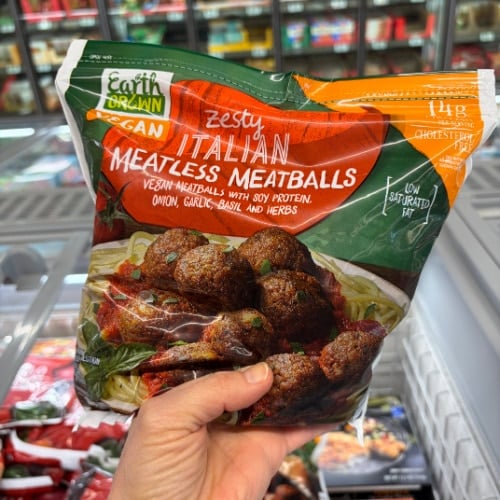
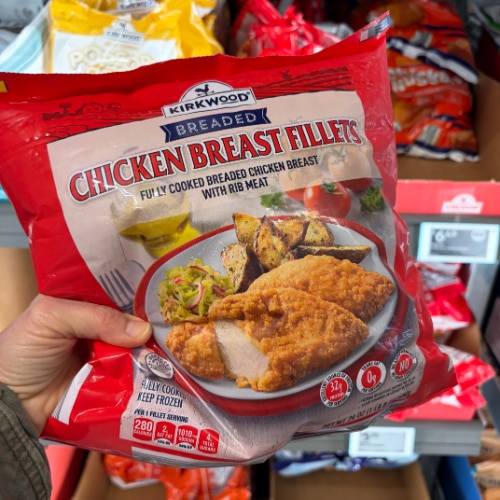
Plant-based frozen alternatives, including Earth Grown Meatless Meatballs ($4.99) and Season’s Choice frozen edamame ($2.49), offer additional avenues for incorporating nutrient-dense plant proteins into family meals. Meanwhile, fan-favorite convenience items like Kirkwood Chicken Breast Fillets ($7.99)—widely discussed in online consumer communities—and Mama Cozzi’s frozen pizzas ($4.49) provide reliable backup options for households facing extreme time deficits.
Nutritional Balance and Economic Implications
From a public health perspective, reliance on discount grocers challenges the long-standing misconception that healthy eating is inherently expensive. Dietitians emphasize that when shoppers focus on whole-food baselines—such as beans, whole grains, fresh produce, and lean proteins—it is entirely feasible to meet dietary guidelines on a restricted budget.
Financial analysts observing retail trends note that discount grocery chains are capturing an expanding share of the consumer market, driven not only by inflationary pressures but also by improvements in private-label quality. As consumer brand loyalty weds itself to economic pragmatism, structured meal planning supported by affordable retail staples offers a sustainable pathway for households seeking to optimize both their nutritional intake and their financial expenditures.
Related posts: