Navigating the Endless Hunger: A Nutritional Guide to High-Protein Snacks and Dietary Requirements for Teenagers


The phenomenon known colloquially as the "second dinner" is a nightly ritual in households across the globe. Whether manifested as a late-night culinary excursion conducted long after parents have retired for the evening—leaving behind a labyrinth of unwashed dishes—or as a substantial peanut butter and jelly sandwich consumed a mere ninety minutes after the conclusion of a hearty family meal, the dietary demands of adolescents are unmistakable. Teenagers exhibit a biological drive to consume food continuously. This perpetual hunger is not merely a behavioral quirk, but rather the manifestation of a critical physiological epoch characterized by rapid skeletal growth, hormonal shifts, and neurological development. To sustain these profound biological transformations, adolescent bodies require a continuous influx of energy and macronutrients, with protein playing a pivotal role.
Protein is widely recognized by nutritional scientists and pediatric dietitians as one of the most satiating macronutrients. Consequently, snacks rich in protein offer superior staying power compared to carbohydrate-dense, low-nutrient alternatives like potato chips, effectively bridging the metabolic gap between principal meals. However, contemporary nutritional landscapes are increasingly saturated with messaging driven by social media fitness trends, which often advocate for "protein-maxxing" and excessive supplementation. Navigating this environment requires distinguishing between the genuine physiological requirements of growing teenagers and the commercial hyperbole surrounding high-protein products.

Understanding Adolescent Nutritional Demographics and Dietary Needs
Data compiled by national health and nutrition examination surveys indicate that the vast majority of teenagers in developed nations already consume adequate amounts of dietary protein to satisfy their basic physiological requirements. Standard government metrics establish the Recommended Daily Allowance (RDA) for protein based on age and body weight, ensuring that basal metabolic needs and growth trajectories are supported. On average, adolescent males consume approximately 86 grams of protein per day, while adolescent females average roughly 62 grams. Both figures comfortably exceed the strict minimum thresholds established by pediatric health organizations.
Despite these general trends, specific vulnerabilities persist within the adolescent demographic. Teenagers—particularly young women—who engage in restrictive dieting practices, eliminate entire food groups, or reduce overall caloric intake for weight management frequently fall short of their nutritional requirements. In such instances, targeted dietary interventions orchestrated by pediatricians or registered dietitians become essential.
The physiological demands escalate further for adolescent athletes. Teenagers participating in organized sports, endurance training, or rigorous strength conditioning require an elevated protein intake, typically estimated between 0.8 and 0.9 grams of protein per pound of body weight. For a 130-pound adolescent athlete, this translates to a daily requirement ranging from 104 to 117 grams. Nutritional experts emphasize that the distribution of protein is as crucial as the total volume; spreading protein intake evenly across meals and snacks optimizes muscle protein synthesis, particularly when combined with complex carbohydrates in the post-workout recovery window.

Whole Foods versus Commercial Supplements: The Nutritional Strategy
The modern marketplace offers an abundance of specialized protein bars, shakes, and powders targeted directly at younger demographics. Yet, pediatric dietitians consistently advocate for a foundation rooted in whole, unprocessed foods. Whole protein sources—such as Greek yogurt, eggs, poultry, legumes, nuts, and dairy—do not arrive in isolation. They are naturally packaged with an array of essential micronutrients vital for adolescent development, including calcium for bone density, iron for oxygen transport, and dietary fiber for gastrointestinal health.
While protein powders and specialized supplements offer undeniable convenience for busy student-athletes, they often introduce complications. Many commercial formulations feature extensive ingredient lists containing artificial sweeteners, sugar alcohols, or proprietary herbal blends that lack long-term safety data for adolescent populations. Furthermore, excessive protein consumption yields diminishing returns. Scientific consensus indicates that the human body can utilize only a finite amount of protein—approximately 25 to 30 grams per single eating occasion—for muscle repair and synthesis. Surplus protein is neither stored as additional muscle mass nor discarded harmlessly; rather, it is oxidized for energy or converted and stored as adipose tissue, while simultaneously imposing an increased metabolic workload on the kidneys and contributing to potential dehydration.
Categorized Protein Snack Options for Growing Adolescents
To assist parents and caregivers in providing satisfying, nutritionally dense options without resorting to excessive supplementation, dietitians have organized accessible snack ideas by their approximate protein content. These options rely predominantly on readily available household ingredients.
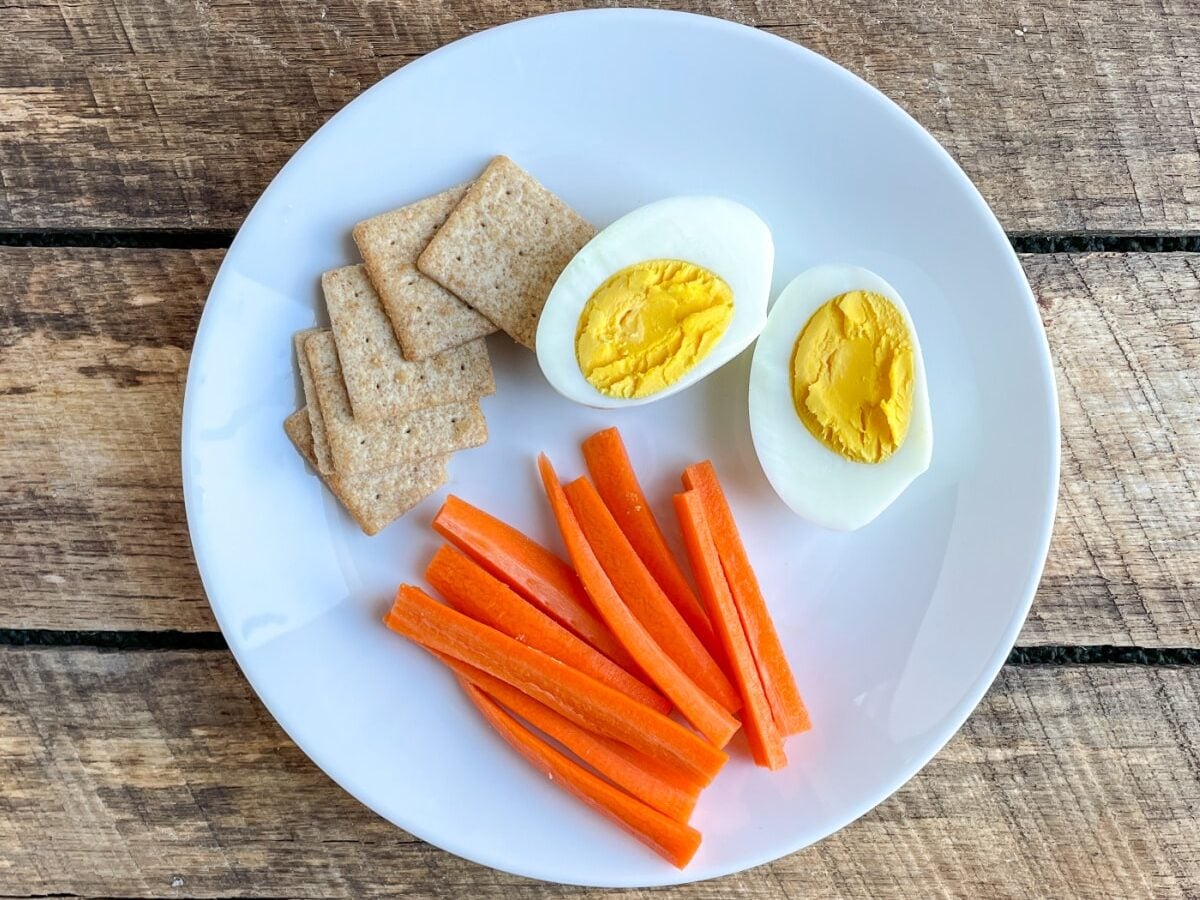
Low-to-Moderate Protein Snacks (5 to 9 Grams of Protein)
These options serve as gentle bridges between meals, offering modest protein alongside valuable vitamins and minerals:
- Hard-boiled eggs sprinkled with sea salt and black pepper
- Whole-wheat toast smeared with a tablespoon of natural peanut or almond butter
- Individual containers of standard low-fat yogurt or regular cottage cheese
- A small handful of mixed roasted nuts or sunflower seeds
- Edamame steamed in the pod with a touch of sea salt
Moderate Protein Snacks (10 to 15 Grams of Protein)
Suited for mid-afternoon slumps or pre-practice fuel, these selections provide a more robust satiety factor:
- Greek yogurt paired with fresh berries and a sprinkle of chia seeds
- String cheese paired with whole-grain crackers and a piece of fruit
- Sliced apples dipped in Greek yogurt-based peanut butter dip
- Rolled turkey breast slices wrapped around cucumber spears or cheese cubes
- Homemade oatmeal energy bites formulated with peanut butter, oats, and flaxseed
High-Protein Snacks (15 to 20 Grams of Protein)
Designed for high-energy days, growth spurts, or active sports schedules:

- Single-serving tuna or salmon pouches served with whole-grain crispbread
- Smoothies blended with milk, frozen fruit, and a modest half-scoop of a clean, minimally processed protein powder
- Cottage cheese topped with sliced pineapple or tomatoes and black pepper
- Rolled-up whole-wheat tortillas containing turkey, hummus, and spinach
- Baked tofu cubes seasoned and served chilled or warm
Substantial Protein Snacks (20 to 30 Grams of Protein)
Ideal for the hungariest adolescents or robust post-exercise recovery windows:
- Protein-fortified pancakes or waffles prepared in advance and stored frozen for quick reheating
- A generous bowl of Greek yogurt layered with hemp hearts, sliced almonds, and fruit
- Leftover grilled chicken strips paired with a nutrient-dense vegetable dip
- High-protein grain bowls featuring quinoa, black beans, and diced cheese
Practical Kitchen Management and Broader Implications
The logistical challenge of feeding hungry teenagers often hinges on accessibility and convenience. Behavioral studies in nutritional psychology indicate that adolescents are significantly more likely to select nutritious foods when they require minimal preparation. Consequently, stocking household refrigerators and pantries with grab-and-go items—such as pre-portioned Greek yogurt cups, cheese sticks, hard-boiled eggs, ready-to-drink milk, and single-serve tuna pouches—proves far more effective than maintaining ingredients that demand extensive culinary assembly.
As public health officials continue to monitor adolescent dietary trends, the emphasis remains on fostering a balanced, intuitive relationship with food rather than encouraging obsessive macro-tracking or fear of specific macronutrients. By focusing on whole foods, understanding individual activity levels, and providing accessible, protein-rich snacks, families can successfully navigate the voracious appetite of the teenage years while establishing lifelong foundations of health and wellness.
Related posts: