The Ultimate 2026 Holiday Gift Guide for Kids and Teenagers Features Tested, Longevity-Focused Toys and Keepsakes


The modern toy and gifting market has undergone a significant paradigm shift away from ephemeral, single-use plastic novelties toward items emphasizing longevity, intergenerational play, and sentimental value. As the holiday shopping season peaks, parents, relatives, and gift-givers increasingly seek curated recommendations that balance utility, nostalgia, and developmental engagement. A comprehensive analysis of consumer trends for late 2026 reveals a growing preference for products that encourage imaginative outdoor exploration, tactile nostalgic experiences, and sustainable craftsmanship. Industry experts note that while tech-driven gadgets continue to hold market share, low-tech, high-engagement items—ranging from classic artisanal animal figurines to retro-inspired communication devices—are dominating family wish lists. This shift is mirrored in consumer purchasing data, which highlights an increased willingness to invest in items designed to withstand years of active use and transition smoothly between siblings or even generations.

Background Context and Evolution of Family Gift-Giving Trends
For decades, the commercial landscape of children’s gifts was heavily dictated by mass-market television advertising and viral digital trends, often resulting in high turnover rates for toys that quickly lost children’s interest. However, economic fluctuations and a broader cultural movement toward mindful consumption have reshaped how families approach holiday procurement. Modern parents are increasingly critical of clutter, prompting a surge in demand for gifts that offer either long-term educational and imaginative value or function as practical, everyday tools.

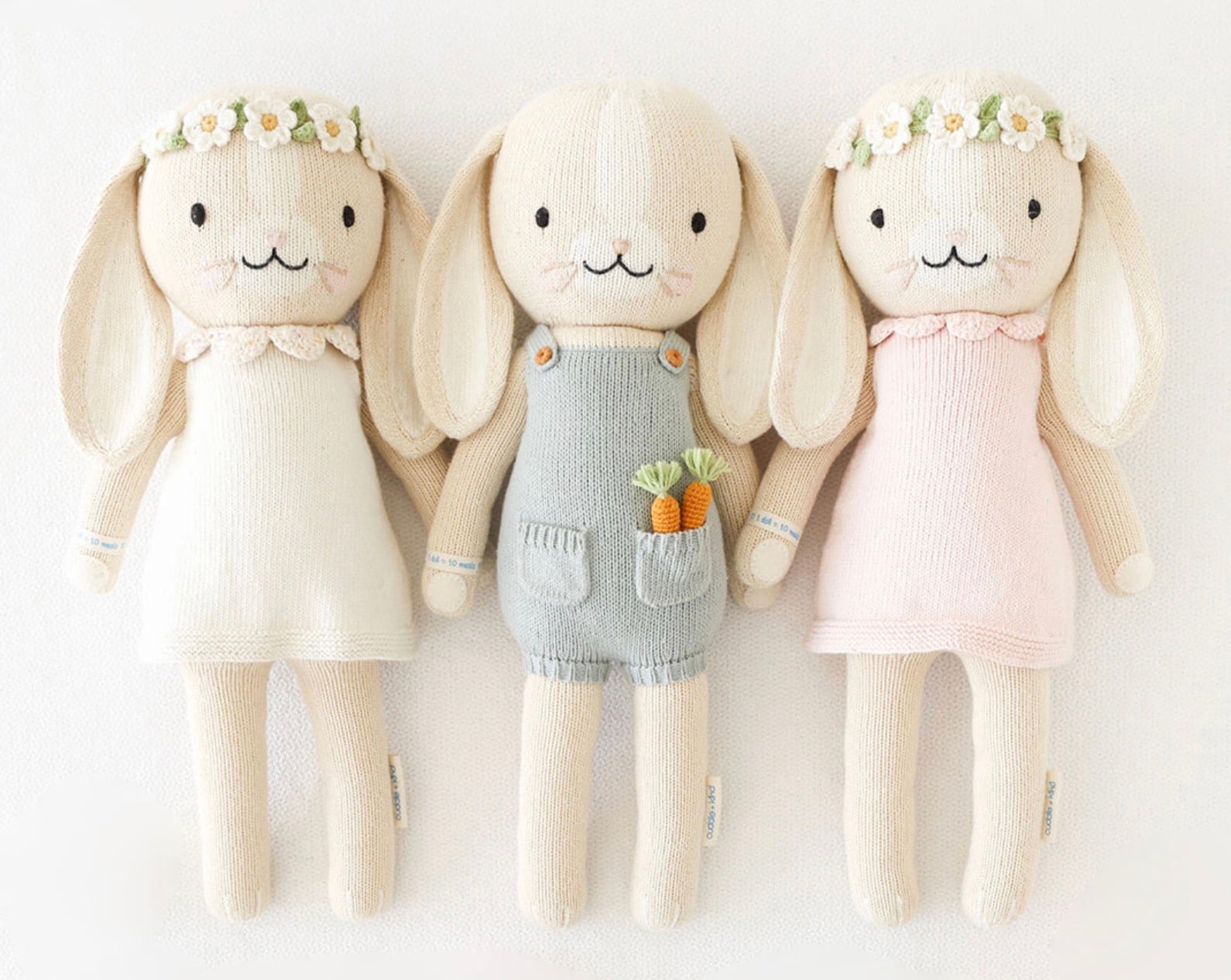
According to retail analysts observing the Q4 shopping period, products that bridge generational gaps—such as multi-generational board games and classic card game tournament sets priced around $20—have seen a notable rise in popularity. Furthermore, the resurgence of tactile items, including physical books from parents’ childhoods, vintage-style comic book series like the Alcatraz escape collections, and handcrafted items with a philanthropic mission, underscores a collective desire for intentional gifting. Market researchers indicate that consumers are actively searching for transparency in manufacturing, favoring brands that combine durable materials with ethical production practices, such as handmade cotton dolls that contribute to global child-nutrition initiatives.
Curated Categories: From Classic Board Games to Imaginative Outdoor Gear
The 2026 retail landscape showcases a distinct polarization between high-utility everyday items and whimsical novelties designed to foster creative play. Within the realm of family entertainment, competitive card and board game sets remain staples for households managing a wide demographic spread of children and teenagers. Products that encourage group participation, such as music-based trivia games and humorous tabletop challenges, continue to perform exceptionally well during holiday gatherings.
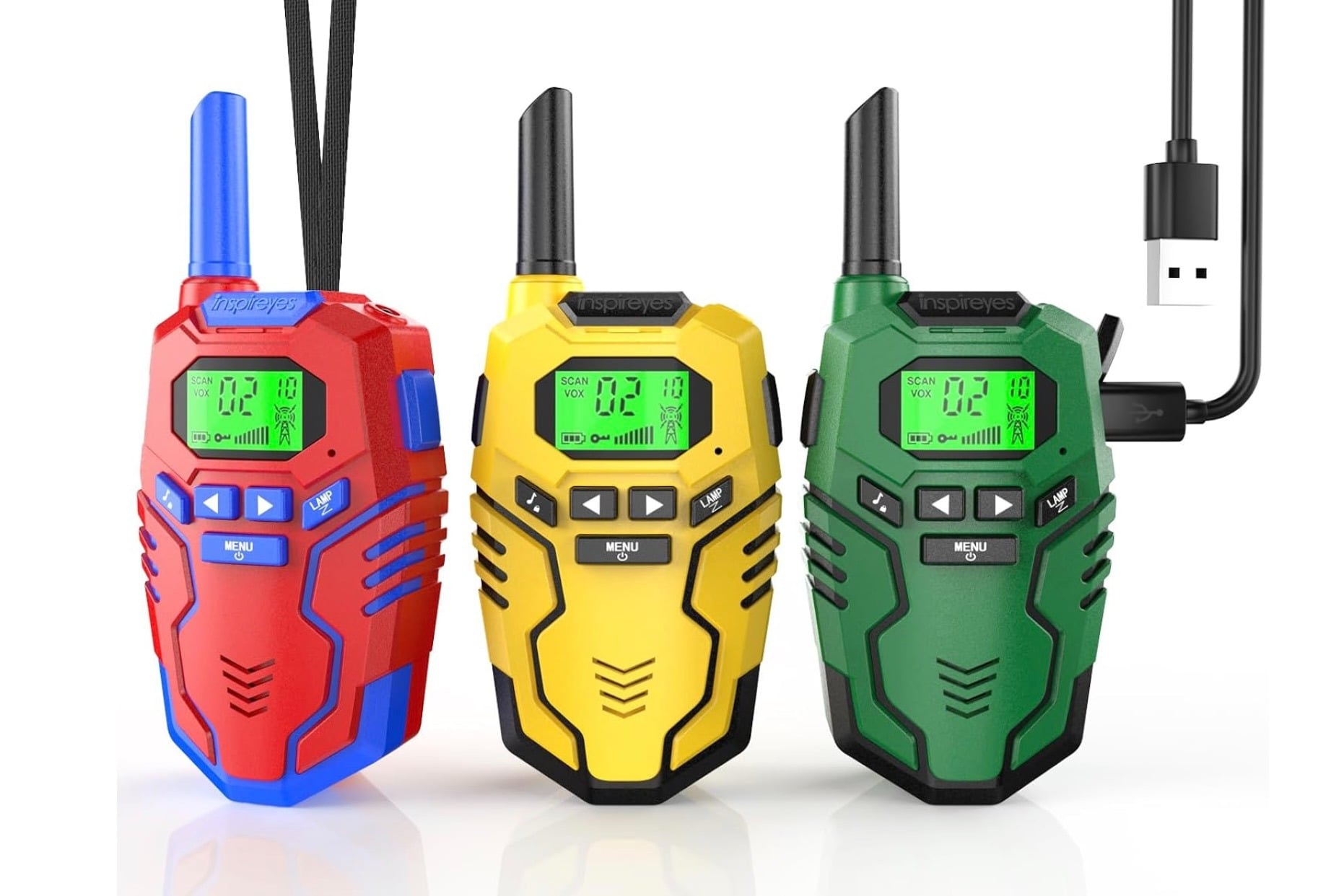
In parallel, outdoor and adventure-based play has experienced a renaissance. Devices that facilitate independent exploration within safe neighborhood parameters—including long-range walkie-talkies with coverage stretching nearly two miles, alongside fundamental observational tools like flashlights, stopwatches, and mechanical clicker counters—are frequently cited by families as enduring favorites. These items encourage physical activity and imaginative role-play among preteens, serving as a low-screen alternative that promotes social interaction and environmental awareness.
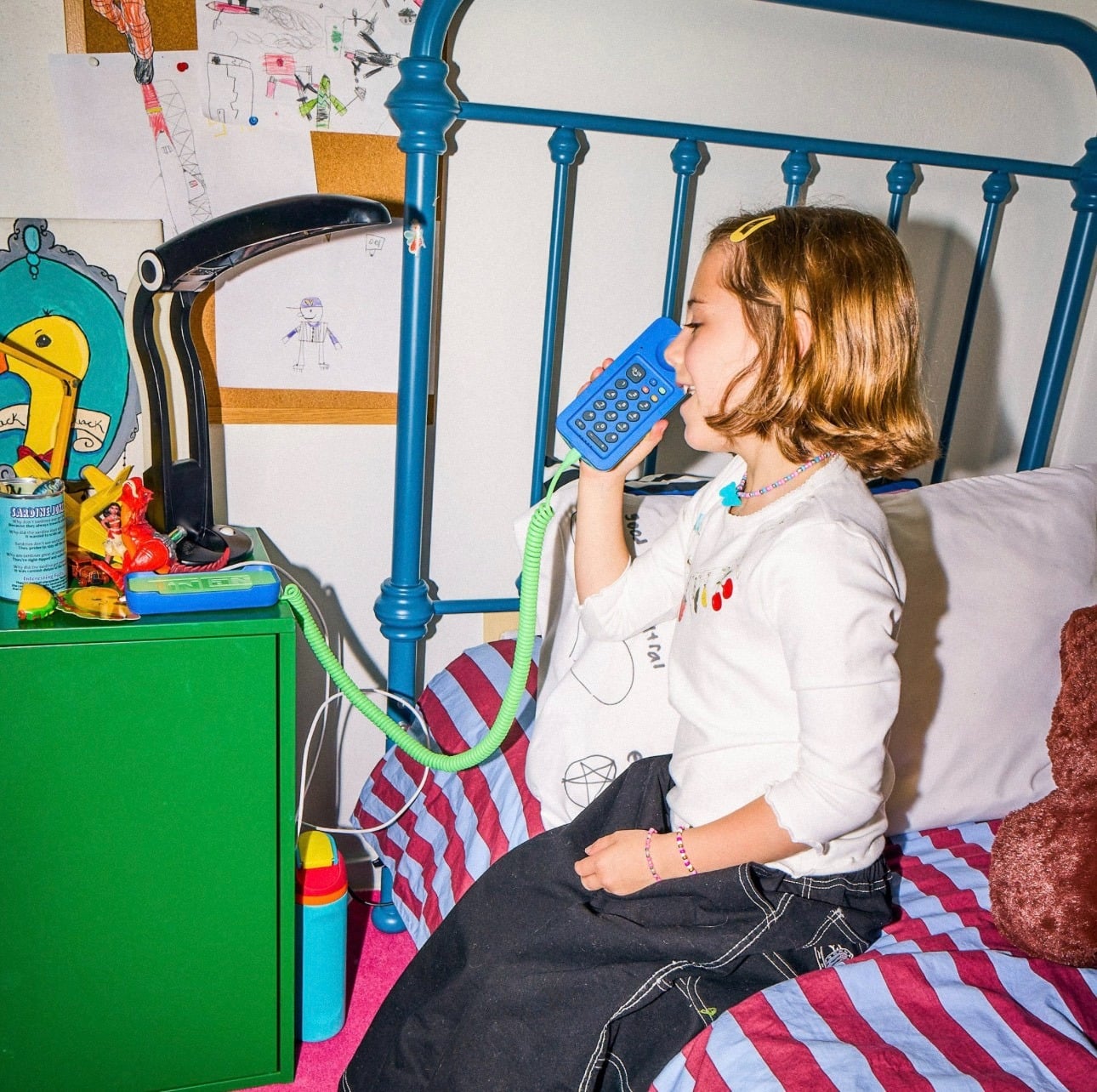
Simultaneously, imaginative indoor play relies heavily on structural versatility. Heavy-duty fort-building kits, retailing around $50, have established themselves as multi-year investments for households, allowing children to construct elaborate bases utilizing household textiles. Similarly, realistic pretend-play accessories—such as restaurant server books, waist aprons, and guest check pads—provide younger children with open-ended scenarios that mirror adult responsibilities, fostering cognitive and social development.
The Rise of Nostalgia-Driven and Collectible Toy Markets
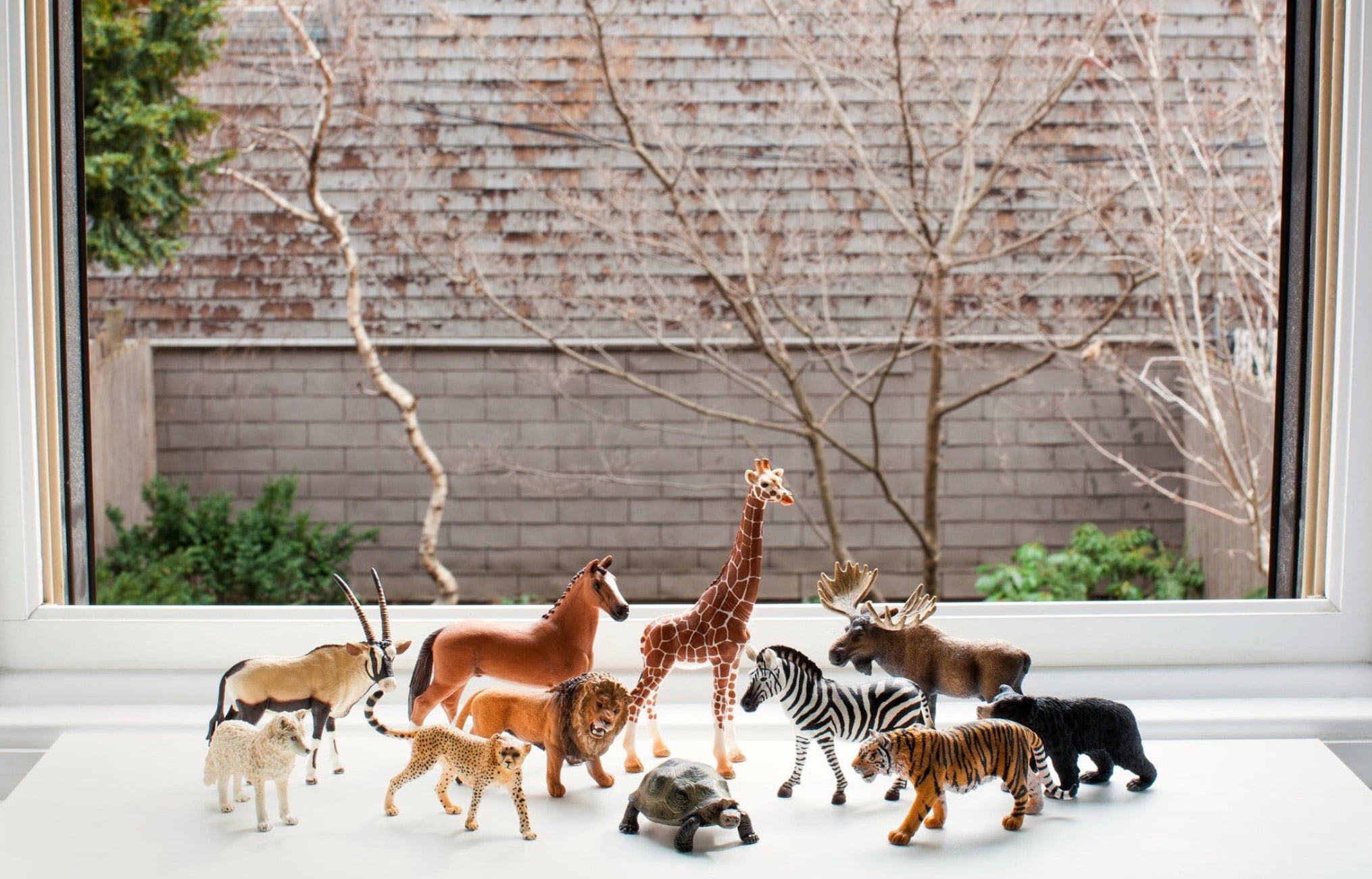
The intersection of adult nostalgia and children’s entertainment has become a powerful economic driver in the contemporary toy sector. Parents are increasingly inclined to purchase toys that evoke memories of their own youth, establishing emotional continuity across generations. A prime example is the enduring popularity of finely crafted, hand-painted animal figurines, which are valued not only for their aesthetic and educational accuracy but also for their durability. These collectible figures are frequently passed down through families or sourced through secondary resale markets, reflecting a broader circular economy mindset taking root among millennial and Gen Z parents.
In addition to figurines, novelty items that blend humor with daily utility have carved out a distinct market niche. Quirky stationery products, such as bagel-shaped notepads, and whimsical room accessories, including novelty nightlights shaped like rabbits or everyday vegetables, cater to an aesthetic-driven youth culture influenced by design trends on digital platforms. Furthermore, personalized keepsakes—such as custom wooden photo blocks featuring family snapshots—bridge the gap between home decor and sentimental archiving, providing children with a tangible connection to their family history.
Economic Implications and Industry Analysis
The economic framework supporting the 2026 holiday gifting season reflects a resilient consumer base that remains selective about discretionary spending. Retail data indicates that while overall volume may be tempered by inflationary pressures, spending on children’s gifts remains relatively inelastic, with consumers prioritizing quality over quantity. Brands that successfully integrate social impact—such as charitable contributions tied to product sales—enjoy a distinct competitive advantage among ethically conscious shoppers.

Industry analysts suggest that the enduring success of evergreen toys, durable apparel such as classic cotton pajamas, and experiential gifts points to a stabilizing market. Retailers are responding by curating specialized gift guides that categorize products by developmental stage rather than broad age brackets, helping consumers navigate an increasingly complex array of choices. As consumer preferences continue to evolve toward sustainability, emotional resonance, and shared family experiences, the market for children’s gifts is expected to maintain its focus on items that offer enduring value long after the holiday season has concluded.