Bridging the Gap: How Early Childhood Education and K-12 Systems Can Collaborate to Reverse Declining Literacy Trends

The foundational years of human development, particularly between birth and age five, serve as the bedrock for all future academic success. However, recent data from national assessments paint a concerning picture of the state of literacy in the United States. Following a decade of stagnation, reading scores plummeted during the COVID-19 pandemic, leaving a significant cohort of students behind. As policymakers, educators, and developmental experts confront this crisis, a growing consensus has emerged: the solution does not lie solely within the K-12 classroom, but in a unified, systemic approach that integrates early childhood development with primary schooling. By prioritizing literacy long before a child sets foot in a kindergarten classroom, stakeholders hope to build a more resilient educational trajectory for the nation’s youth.
A Decade of Decline: The Data Behind the Crisis
The decline in national reading proficiency is not a recent phenomenon, but rather an accelerating trend. Data from the National Assessment of Educational Progress (NAEP), often referred to as "The Nation’s Report Card," has highlighted a persistent achievement gap. While scores were already showing signs of vulnerability in the early 2010s, the abrupt shift to remote learning in 2020 served as a catalyst for widespread learning loss.
Recent longitudinal studies suggest that children who missed critical socialization and pre-literacy development during the pandemic are now struggling to grasp phonemic awareness and basic reading comprehension as they enter primary school. The economic and social implications of this shift are profound. Research from the Annie E. Casey Foundation indicates that students who do not reach proficient reading levels by the end of third grade are four times more likely to drop out of high school than their proficient peers. Given these stakes, the call for a coordinated strategy between early childhood programs—such as Head Start and private daycare centers—and K-12 districts has become a matter of national urgency.
Chronology of the Early Literacy Movement
The current push for alignment can be viewed through several distinct phases of policy and pedagogical evolution:
- 2010–2015: The Pre-K Expansion Era. Numerous states began heavily investing in universal pre-kindergarten programs, focusing on access and enrollment numbers.
- 2016–2019: The Pivot to Quality. Educators and researchers shifted the conversation from mere "access" to "quality of interaction," emphasizing the role of oral language and the "word gap" in early childhood environments.
- 2020–2022: The Pandemic Disruption. Literacy development stalled due to lockdowns and the reduction of high-quality, in-person interactions. This period resulted in the largest recorded decline in reading performance in modern history.
- 2023–Present: The Integration Phase. Policy focus has moved toward "Birth-to-Third-Grade" (B-3) alignment. This strategy seeks to harmonize curricula, assessment tools, and teacher training across the transition from preschool to elementary school.
Bridging the Science of Reading with Playful Practice
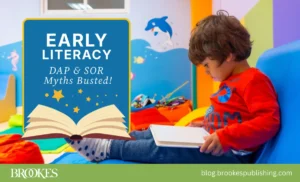
The transition to evidence-based instruction, often referred to as the "Science of Reading" (SOR), has fundamentally changed how educators approach literacy. However, in the early childhood sector, there remains a delicate tension between rigid academic instruction and Developmentally Appropriate Practice (DAP).
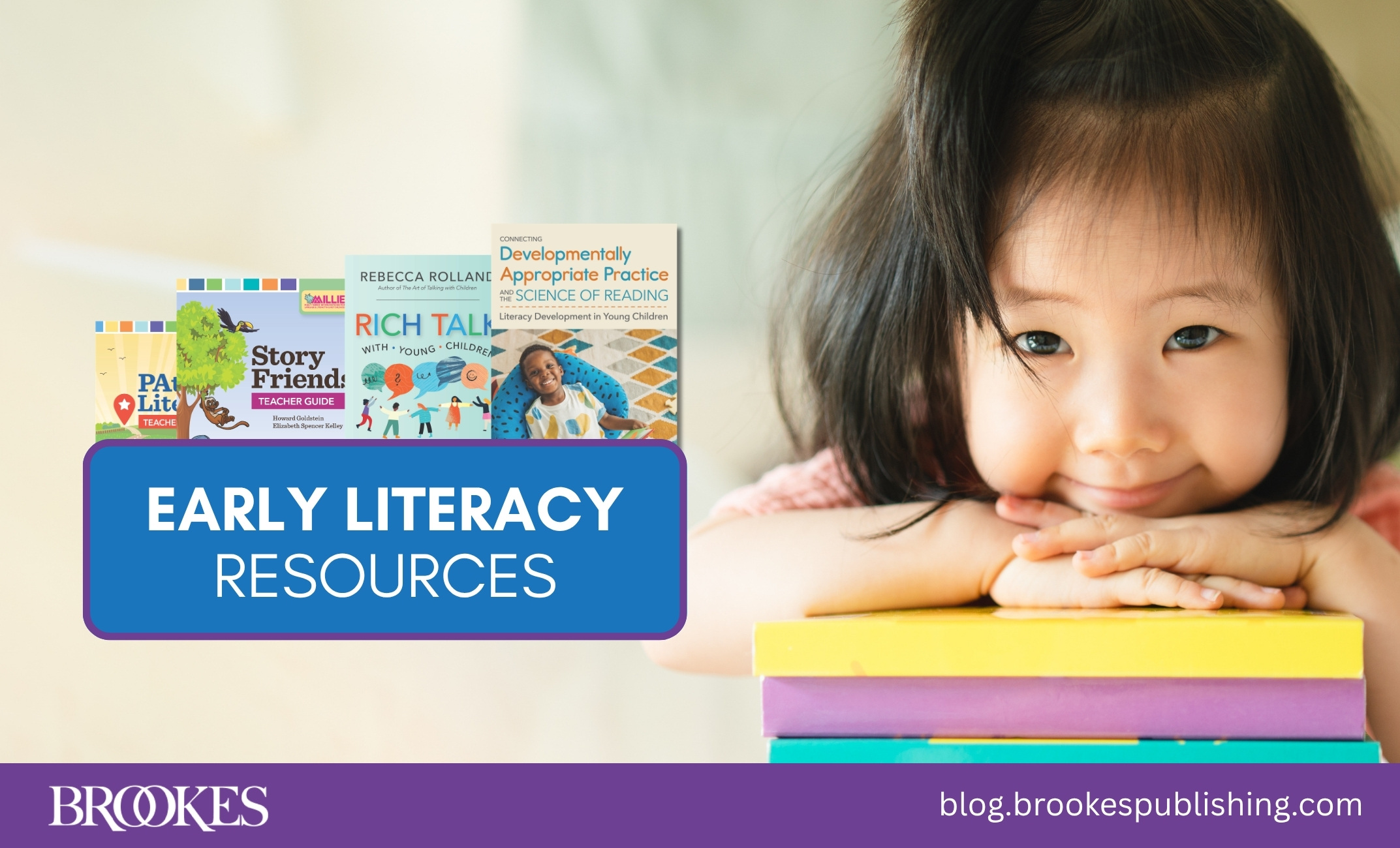
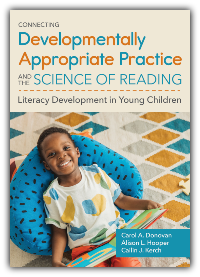
Leading experts, such as Carol A. Donovan, Alison L. Hooper, and Cailin J. Kerch, advocate for a synthesis of these two philosophies. By blending the structure of SOR with the experiential nature of DAP, practitioners can create environments where children naturally acquire literacy skills. This approach includes the use of video-based reflection, self-assessments, and instructional moves that prioritize engagement. The goal is to ensure that children view literacy not as a rote chore, but as a gateway to exploration and communication.
The Role of Oral Language and Intentional Conversation
Perhaps the most overlooked element of early literacy is the quality of the verbal environment. Research consistently demonstrates that the quantity and quality of words children hear in their first five years are the strongest predictors of their eventual vocabulary size and reading comprehension.
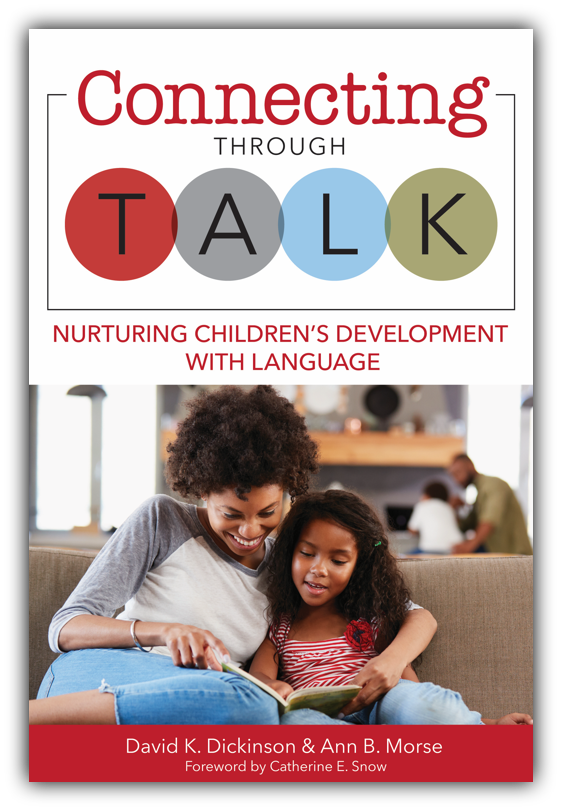
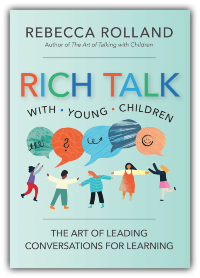
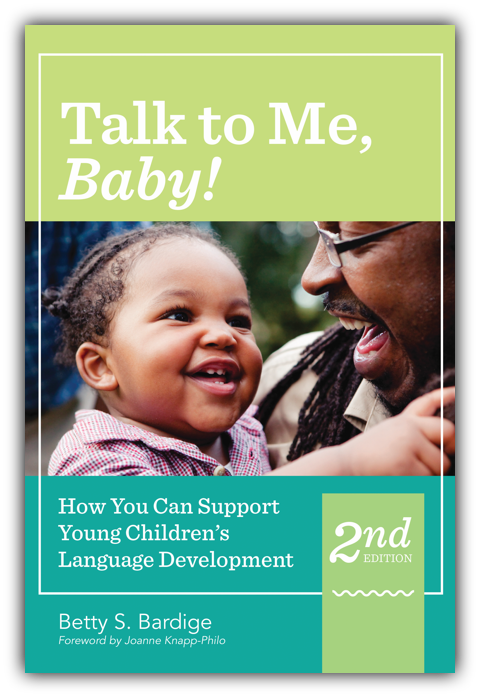
Educational experts like Rebecca Rolland and David K. Dickinson have championed the concept of "Rich Talk." This involves moving beyond functional, command-based communication with children to engaging in deep, inquiry-based conversations. Tools such as planning worksheets, assessment checklists, and guided role-playing exercises are now being implemented in classrooms to help educators and parents foster this environment. Whether through the use of specific, research-backed guides or digital resources that facilitate communication, the aim is to turn every interaction into a learning opportunity.
Tiered Interventions: Identifying and Supporting At-Risk Learners
A key component of the B-3 alignment strategy is the implementation of Tier 2 interventions. These programs are designed to provide targeted support to students who require more intensive instruction than the general classroom curriculum provides.
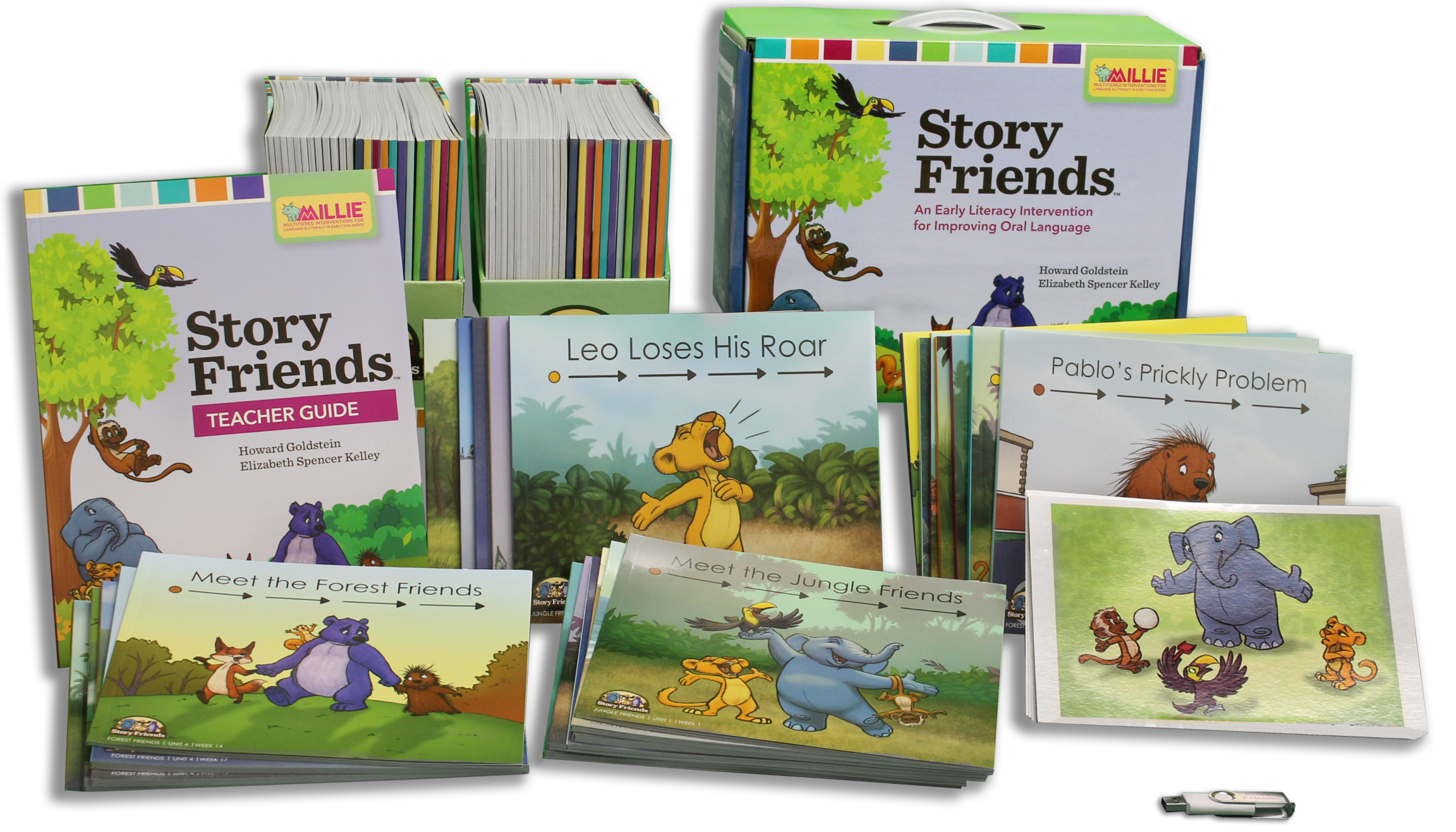
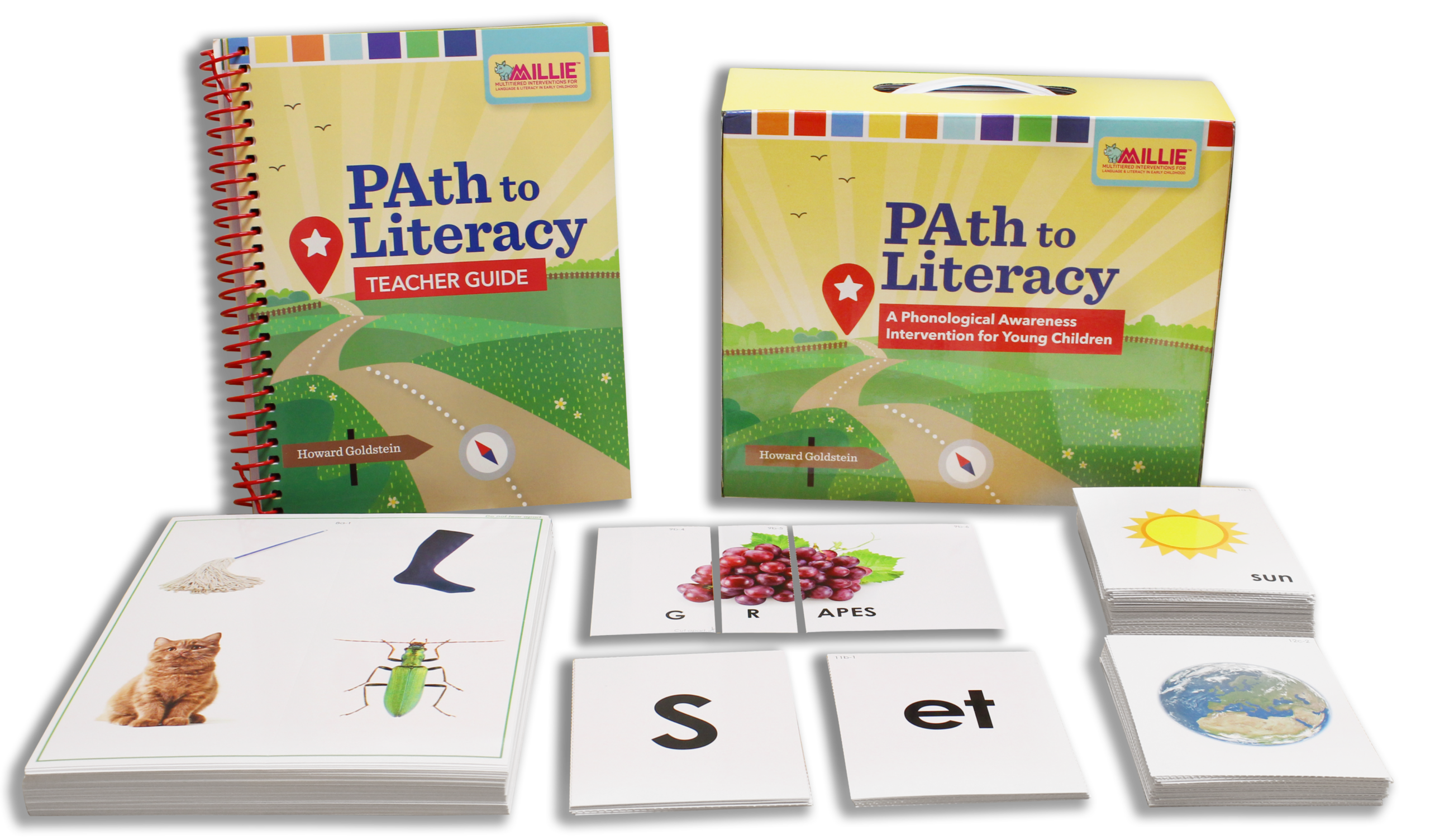
Evidence-based programs, such as "Story Friends" and "PAth to Literacy," are being deployed to address specific needs in oral language and phonological awareness. These interventions often use gamified, animal-themed content or structured card-based games to keep children engaged while addressing foundational literacy gaps.
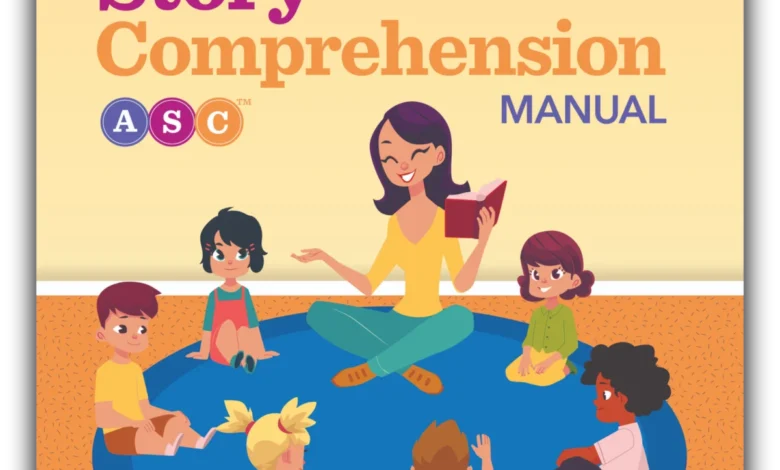
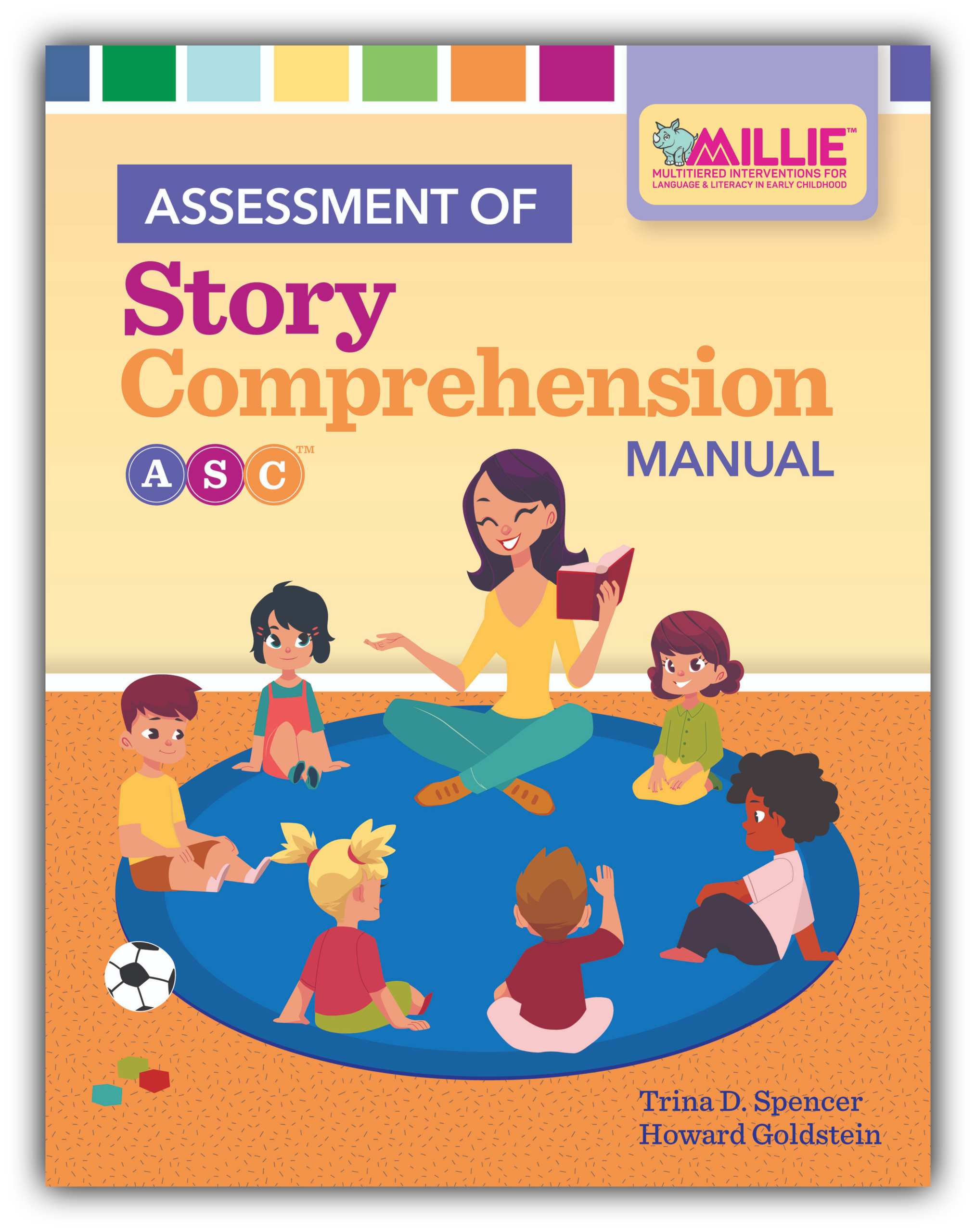
Furthermore, the need for precise assessment is critical. Teachers are increasingly utilizing tools like the Assessment of Story Comprehension (ASC), which allows for quick, three-minute check-ins to monitor progress. For bilingual populations, specialized assessments like the Bilingual English-Spanish Assessment (BESA) are vital. These tools help clinicians and educators distinguish between a natural delay in second-language acquisition and a genuine communication disorder, ensuring that children receive the appropriate level of intervention.
Structural Changes: The "Classroom Curriculum" Model
To successfully bridge the gap, many school districts are adopting systematic, activity-based curricula that can be implemented in short, daily windows. Tools like "Phonemic Awareness in Young Children" and "ABC Foundations" have become cornerstones for teachers who need efficient, effective ways to build literacy skills without requiring expensive, specialized equipment.
These curricula typically feature:
- Objective-driven lesson plans: Short, 15-20 minute sessions that fit into busy daily schedules.
- Adaptive materials: Tools that can be easily modified for various learner levels and classroom environments.
- Troubleshooting support: Guidance for teachers to address common roadblocks in student progress.
Broader Impact and Policy Implications
The movement to prioritize early literacy represents a fundamental shift in how the United States views the K-12 education system. It acknowledges that the traditional "siloed" approach—where preschools and elementary schools operate independently—is no longer viable.
For policymakers, the implication is clear: funding must be redirected toward cross-sector professional development. If a kindergarten teacher does not know what a child learned in pre-K, or if a preschool provider does not understand the literacy benchmarks required for kindergarten, the child is the one who suffers. Creating a "continuum of learning" requires shared data systems, aligned professional development for teachers in both sectors, and a unified focus on evidence-based practices.
Looking Ahead
The path to reversing the decade-long decline in literacy scores is neither quick nor simple. It requires a sustained commitment to high-quality early childhood education, teacher training, and the intelligent application of research-based tools. However, the current landscape offers a unique opportunity. By leveraging new insights into child development, adopting flexible but rigorous intervention programs, and fostering a culture of "rich talk" both at home and in the classroom, the educational community can begin to build a stronger, more equitable foundation.
The work done today in nurseries and pre-K classrooms will manifest in the academic success of students in the 2030s and beyond. As schools and communities integrate these resources, they are not just teaching children how to read—they are ensuring that the next generation has the essential tools to thrive in a complex, information-rich world. The integration of science-backed methodology with developmentally sensitive practice remains the most promising strategy for long-term educational stability.