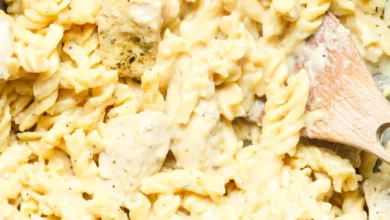
The Ultimate One-Pan Chicken Taco Pasta: A Culinary Fusion Reshaping Weeknight Dining Standards

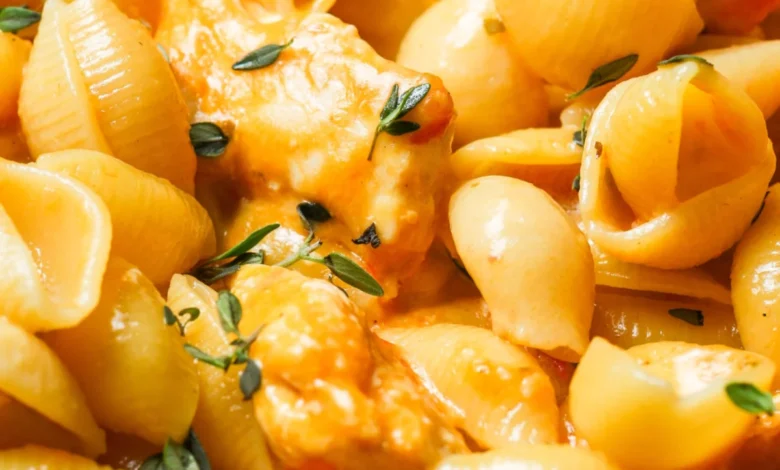
The modern American kitchen has undergone a significant transformation over the past decade, characterized by a shift away from multi-step, labor-intensive culinary processes toward efficient, one-pan solutions. Among the most successful recent innovations in this space is the emergence of hybrid comfort foods, specifically the fusion of Mexican-inspired taco profiles with traditional pasta dishes. The Chicken Taco Pasta has recently gained traction in professional and home kitchens alike, representing a strategic intersection of high-protein nutrition, time-management efficiency, and flavor versatility.
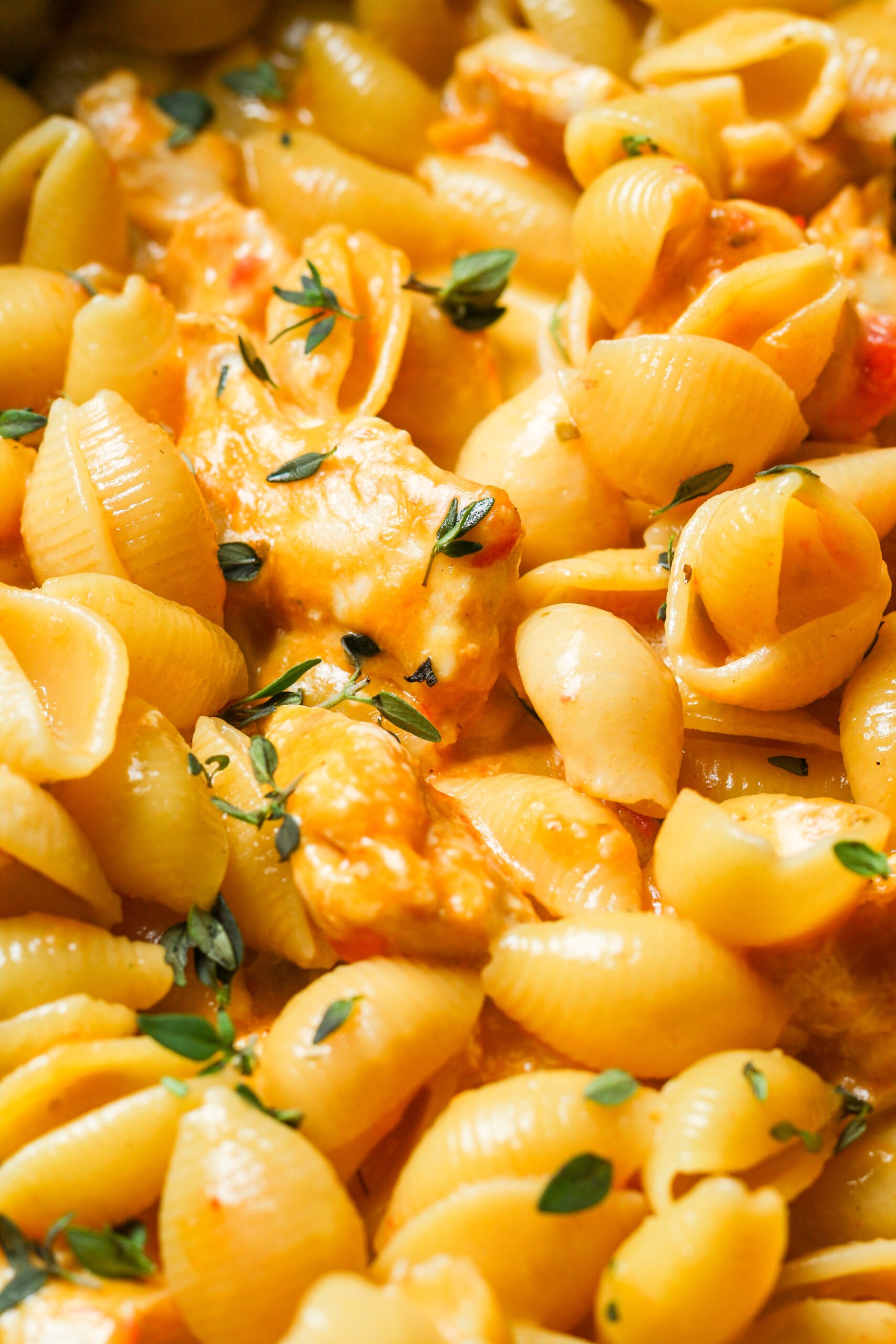
The Evolution of One-Pan Gastronomy
The concept of the "one-pan" meal is not merely a trend but a response to changing socioeconomic demographics. According to data from the National Kitchen and Bath Association, consumers are increasingly prioritizing kitchen efficiency as meal preparation times have decreased to an average of 30 to 45 minutes for weeknight dinners. The Chicken Taco Pasta serves as a critical case study in this trend. By utilizing a single skillet, the dish eliminates the need for separate pasta boiling vessels, thereby reducing water usage, energy consumption, and the volume of post-meal sanitation—a primary pain point for busy households.
Historically, pasta and taco seasonings were relegated to distinct culinary lanes. The innovation here lies in the controlled emulsion of starch, dairy, and seasoning. When pasta shells are cooked directly in a broth-based sauce, they release starches into the liquid. When combined with a dairy-based fat, such as milk or shredded cheese, this creates a naturally thickened, cohesive sauce that adheres to the pasta, bypassing the need for traditional roux-based thickening agents.
Chronology of Preparation and Culinary Science
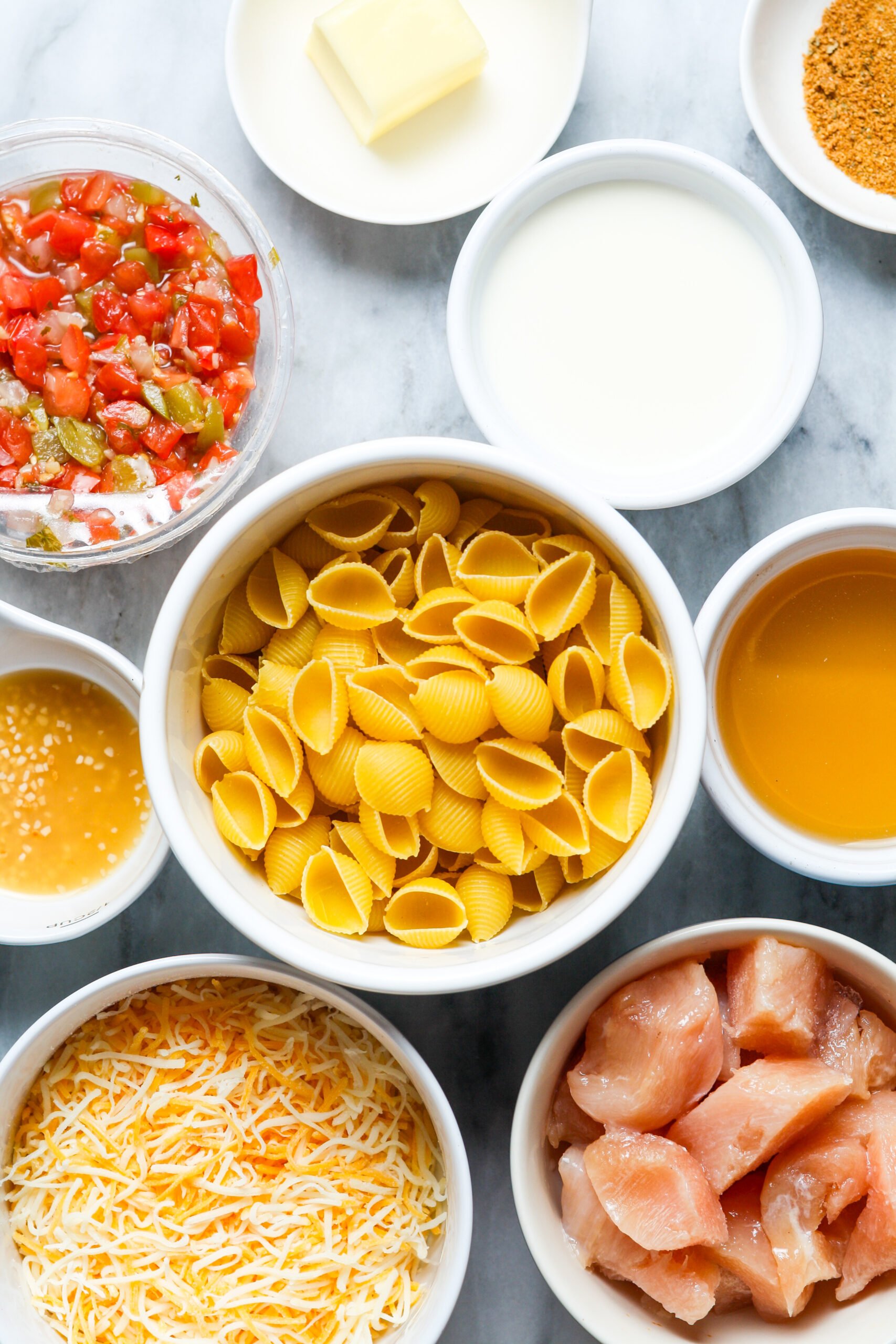
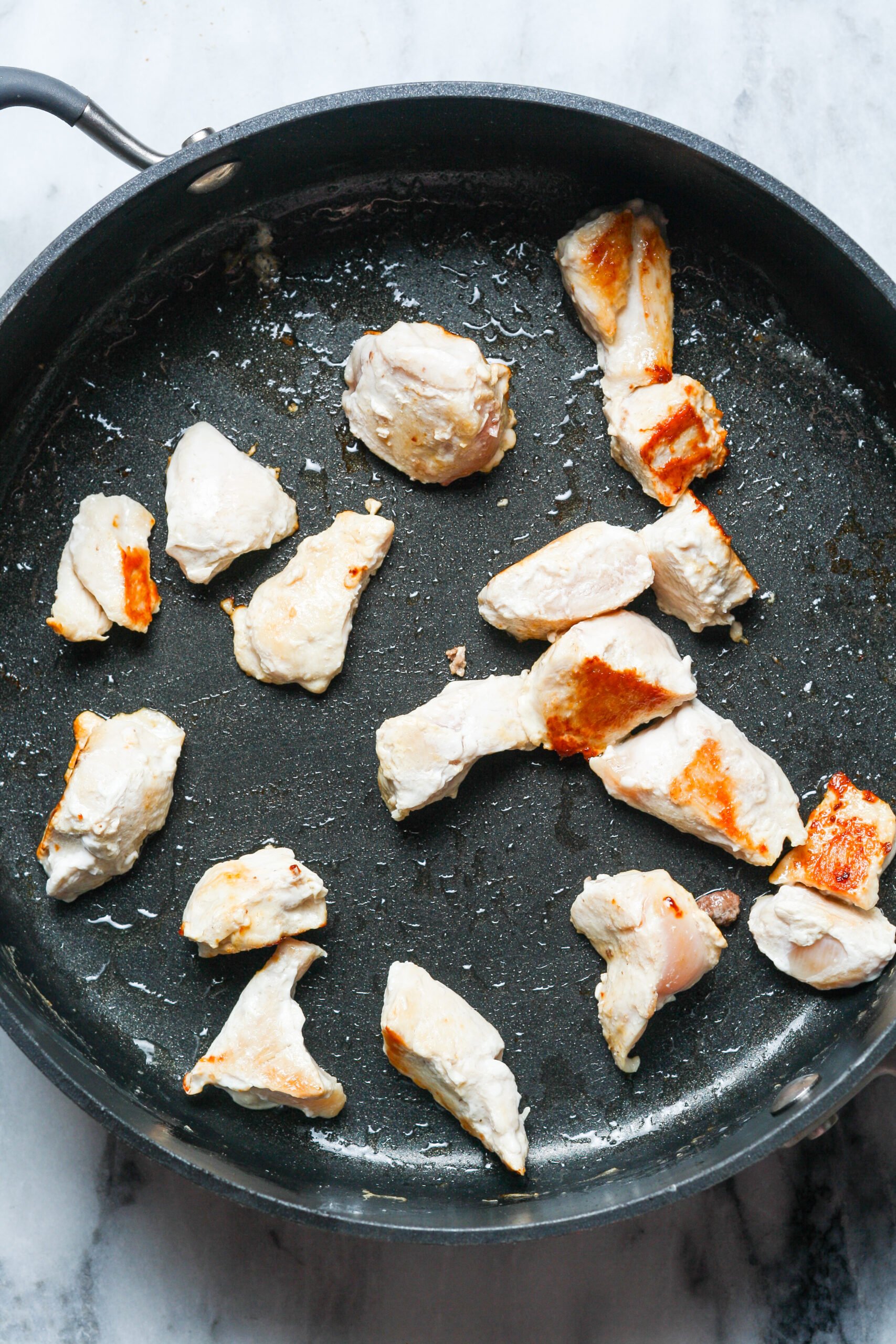
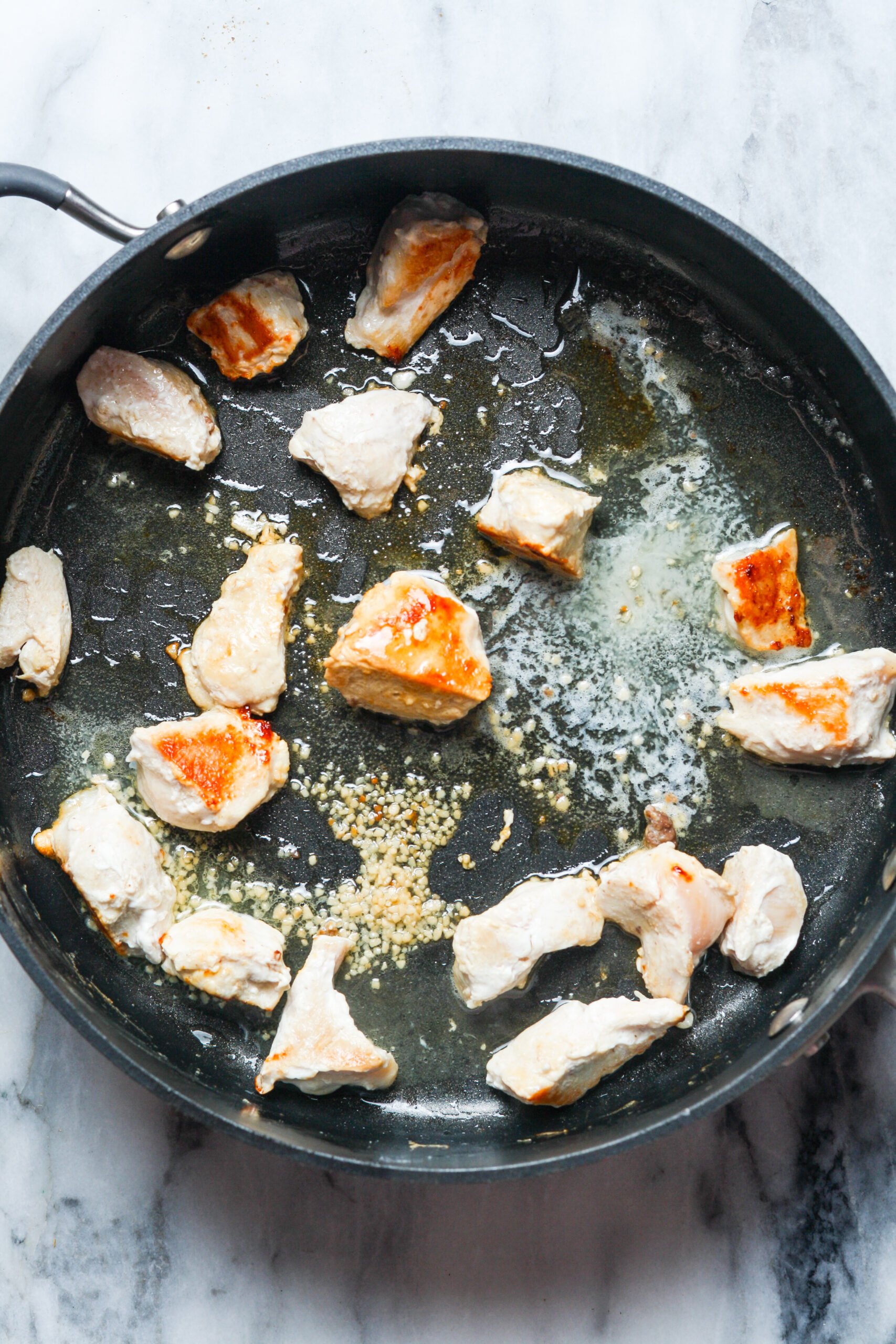
The preparation of this dish follows a precise sequence designed to optimize flavor extraction. The process begins with the browning of protein, typically diced chicken breast or thigh. The Maillard reaction—the chemical reaction between amino acids and reducing sugars that gives browned food its distinctive flavor—is essential in this initial phase. By searing the chicken in butter or oil, the base of the skillet is primed with flavor-rich fond, which is subsequently deglazed by the addition of garlic and aromatics.
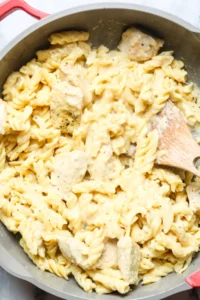
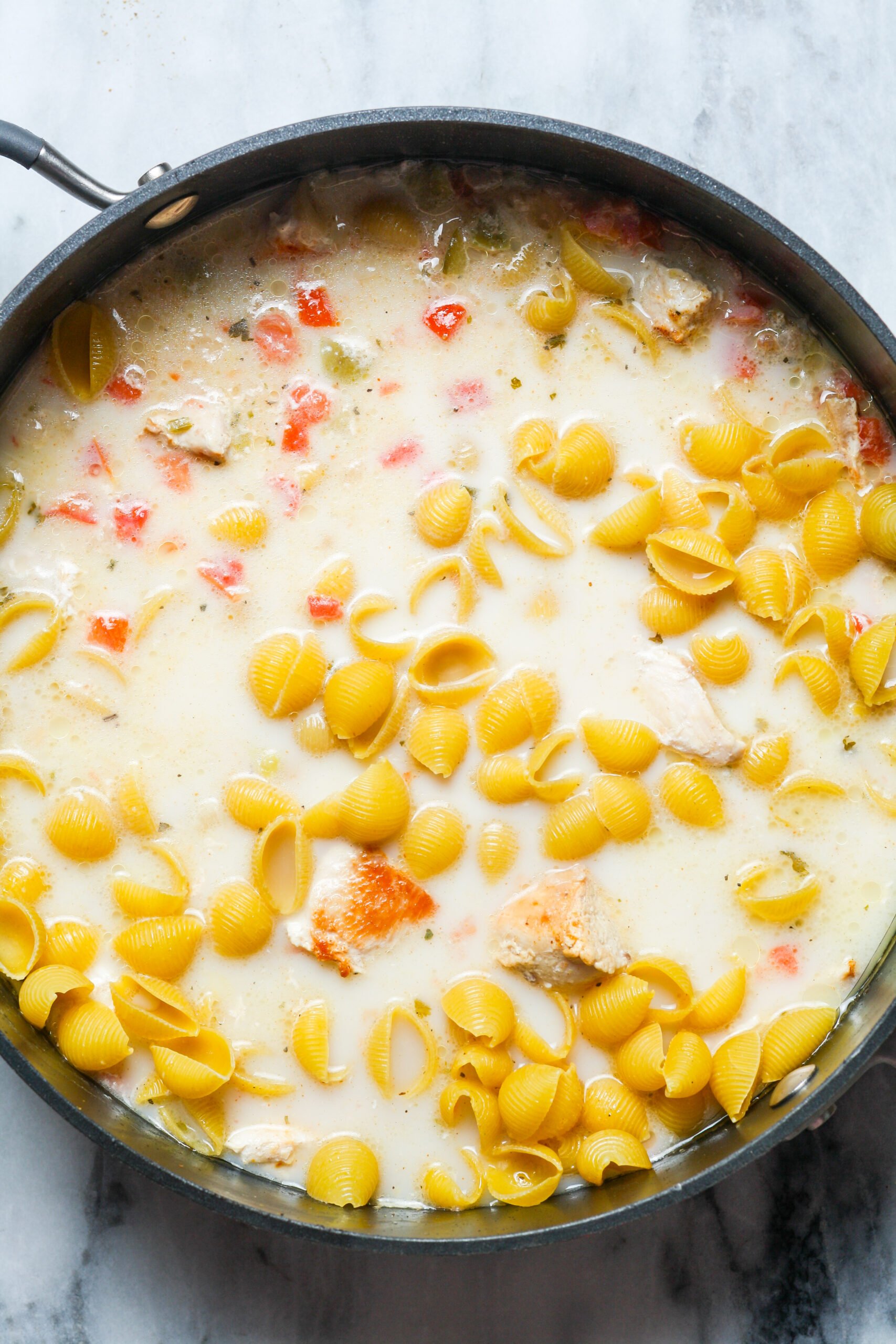
Once the protein is prepared, the integration of liquid components (chicken broth and milk) creates the medium for the pasta. Unlike traditional boiling, where pasta is cooked in excess water and then drained, the one-pan method uses an absorption technique. The pasta shells are simmered in the flavored liquid, allowing the noodles to hydrate while simultaneously absorbing the essence of the taco spices—typically a blend of chili powder, cumin, paprika, and garlic. This methodology, often referred to as "pot-pasta" cooking, ensures that every element of the dish is seasoned uniformly.
The final stage, the addition of shredded cheese, serves as the binding agent. As the cheese melts into the remaining reduced liquid, it transforms the base into a velvety, emulsified sauce. This step is critical; if the heat is too high, the fat in the cheese can separate, leading to a greasy finish. Culinary experts recommend a low-heat fold to maintain the structural integrity of the sauce.
Nutritional Profile and Ingredient Analysis
From a nutritional standpoint, the dish offers a balanced macronutrient profile. Lean poultry provides high-quality protein, while the use of whole-wheat pasta introduces complex carbohydrates and dietary fiber. The integration of tomatoes—often in the form of fire-roasted varieties or diced canned tomatoes—adds essential micronutrients, including lycopene and vitamin C.
When analyzing the ingredient list, the shift toward "clean-label" cooking is evident. Many contemporary recipes for this dish emphasize the use of homemade taco seasoning blends to avoid the excess sodium and anti-caking agents found in mass-market packets. The selection of cheese—whether sharp cheddar, Monterey Jack, or a Mexican blend—determines the final flavor profile and the melting characteristics of the dish. For households focusing on dietary restrictions, the substitution of standard pasta for gluten-free variants (such as those made from brown rice or chickpea flour) has been shown to yield similar results, provided the liquid-to-pasta ratio is carefully managed.
Industry and Home Kitchen Impact
The rise of the one-pan chicken taco pasta reflects a broader shift in food media and grocery consumerism. Retail data indicates a consistent increase in the demand for "all-in-one" grocery kits and recipes that require fewer than ten ingredients. The dish has effectively become a staple in meal-planning software and digital culinary platforms, where it is frequently highlighted for its high ROI (Return on Investment) regarding time and labor.
The broader implications for food security and household management are notable. By reducing the complexity of dinner preparation, families are more likely to opt for home-cooked meals over processed, high-sodium convenience foods. Furthermore, the adaptability of the recipe—allowing for the inclusion of pantry staples like canned black beans or corn—makes it a resilient choice during periods of supply chain fluctuations or budget tightening.
Expert Recommendations and Quality Assurance
Culinary professionals and test kitchen leads provide specific guidelines for ensuring the quality of this one-pan dish. The most common pitfall identified in professional assessments is the improper ratio of liquid to pasta. If the liquid evaporates too quickly, the pasta remains undercooked; if there is too much liquid, the sauce remains thin. The industry standard recommends a "just-covered" approach, where the broth and milk mixture should barely submerge the dry pasta at the start of the boiling phase.
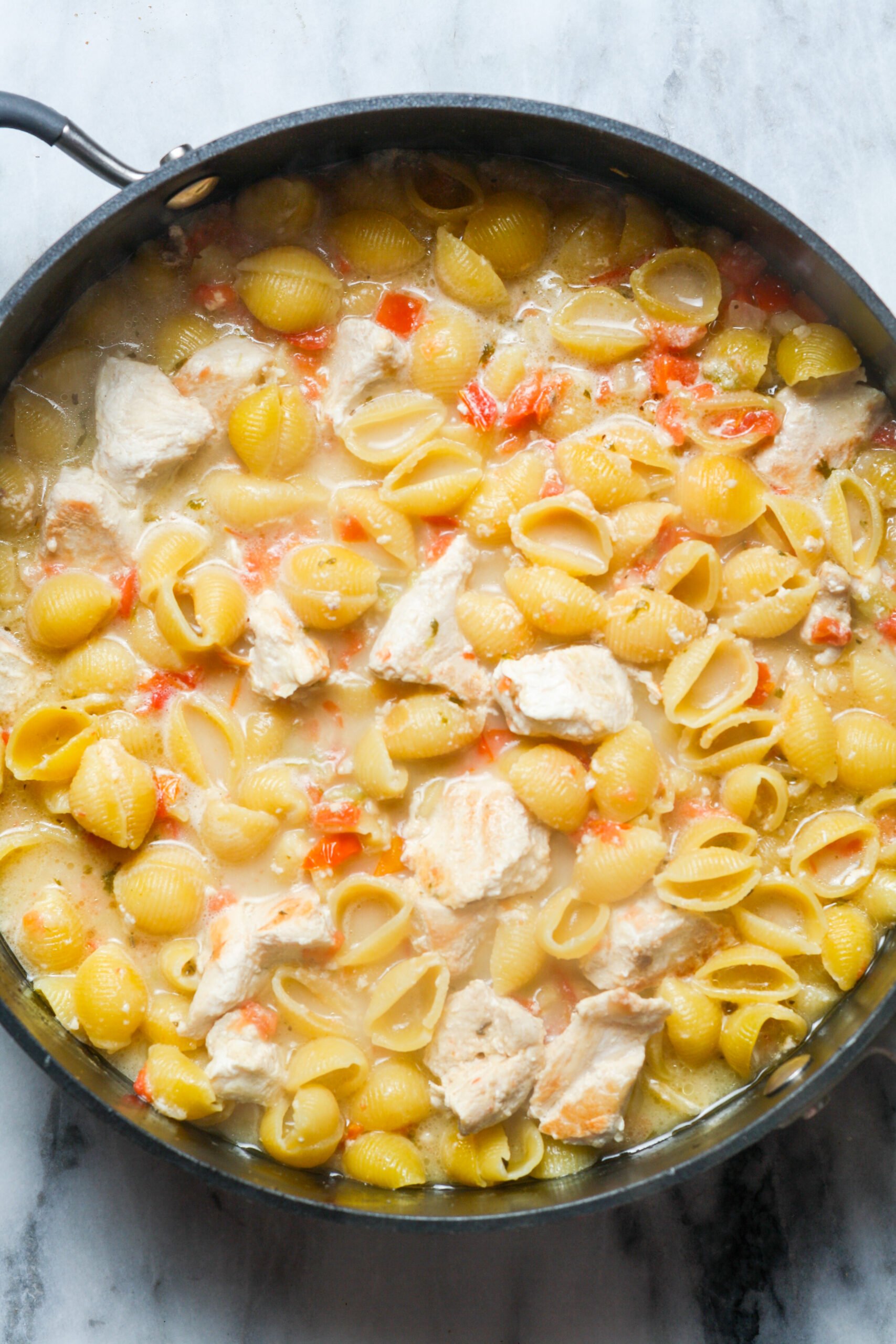
Regarding the protein, temperature control remains the primary factor in preventing the chicken from becoming rubbery. Because the chicken is cooked initially and then simmered with the pasta, many chefs recommend removing the chicken from the skillet once it is just cooked through, then reintroducing it during the final stages of the cheese-melting process. This two-phase cooking method preserves the texture of the meat and ensures that it remains succulent rather than overcooked.
Future Outlook and Culinary Sustainability
Looking forward, the popularity of the Chicken Taco Pasta is expected to persist as part of a larger trend toward "minimalist cooking." As urban living spaces continue to shrink, the availability of specialized kitchen equipment decreases, making versatile, single-skillet recipes even more valuable. Future iterations of this dish are already appearing in professional settings, incorporating sustainable protein sources, such as plant-based chicken alternatives, and diverse regional variations, such as the inclusion of pickled jalapeños or cilantro-lime infusions.
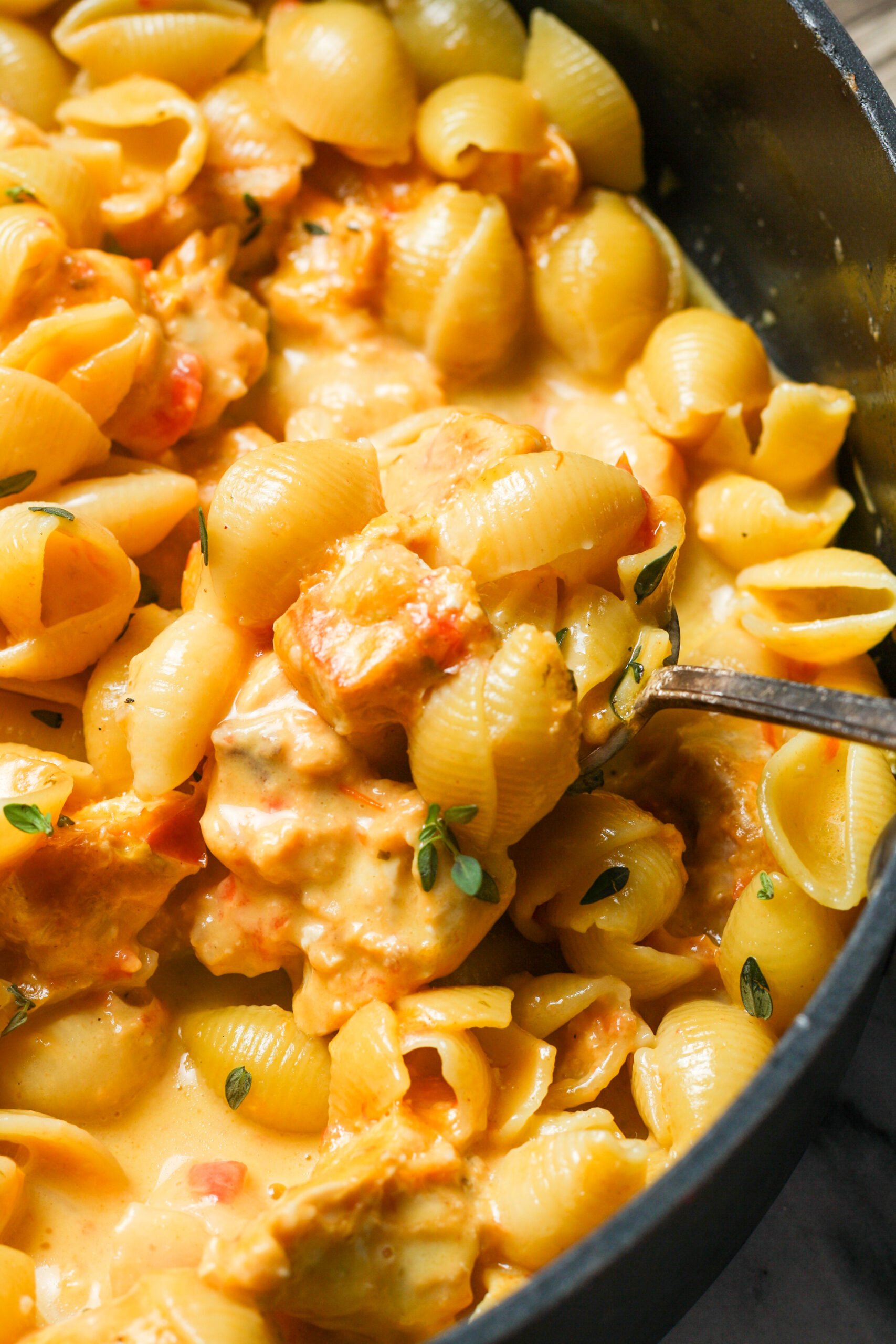
The success of this dish serves as a testament to the fact that sophisticated flavor profiles do not require complex preparation techniques. By streamlining the cooking process through logical, sequential steps, the Chicken Taco Pasta has established a new benchmark for what constitutes a high-quality, efficient, and universally appealing weeknight meal. Whether through the lens of nutritional value or the simplicity of its preparation, it stands as a significant development in the modern home kitchen’s repertoire.